EA888 / CDAA Engine
- Engine
- 1798 cm3
- Aspiration
- Turbocharger, Intercooler
- Fuel
- Petrol (Gasoline)
- Fuel injection system
- Direct injection
- Power
- 160 hp @ 5000 rpm
- Torque
- 250 Nm @ 1500 rpm
- Cylinders
- 4
- Valves
- 16, 4 per cylinder
- Cylinders position
- Inline
- Valvetrain
- DOHC
- Oil capacity
- 4.7 l
- Coolant
- 8 l
# Vehicles powered by this engine
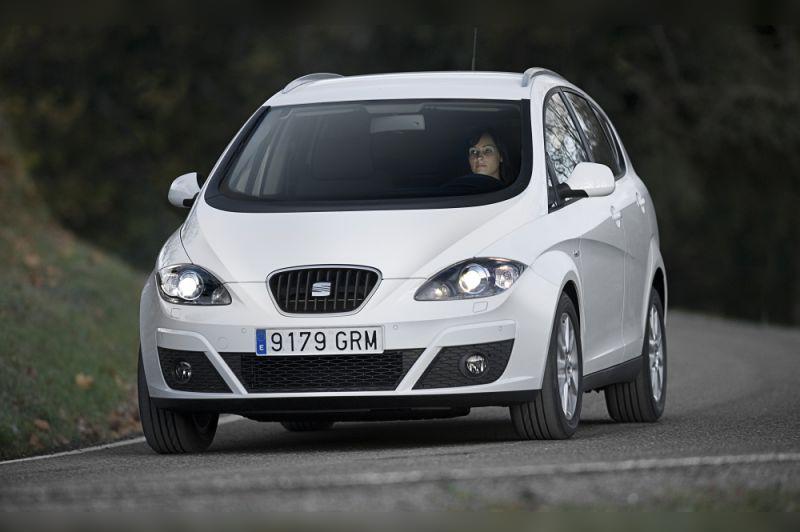
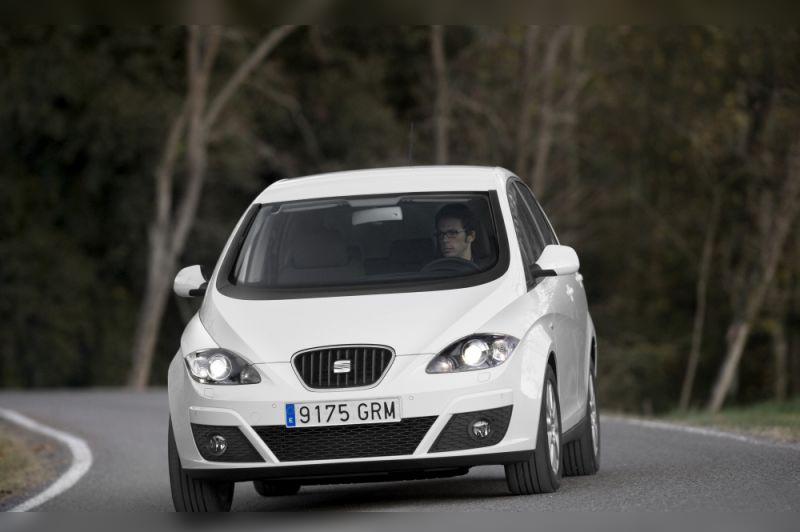
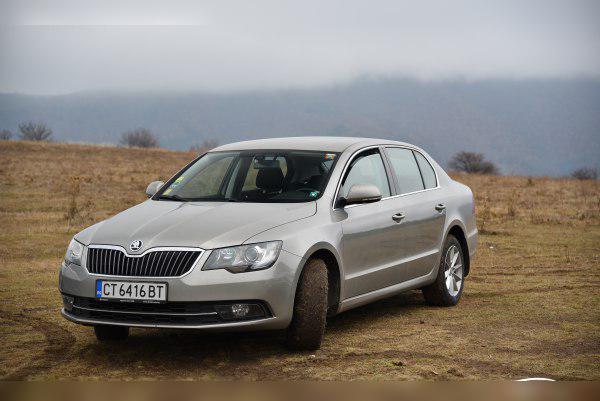
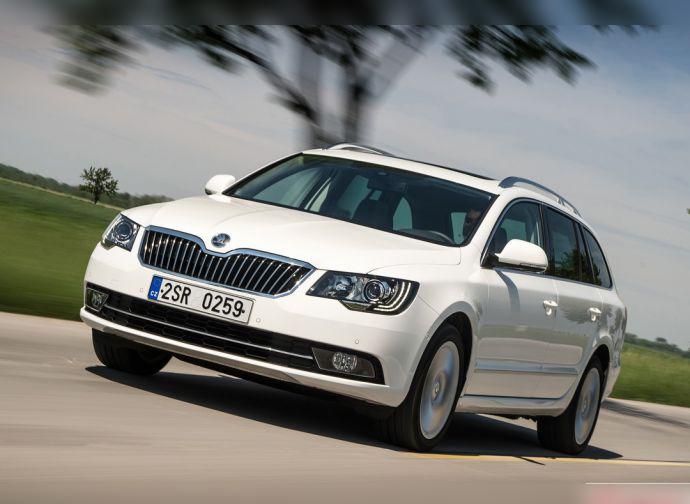
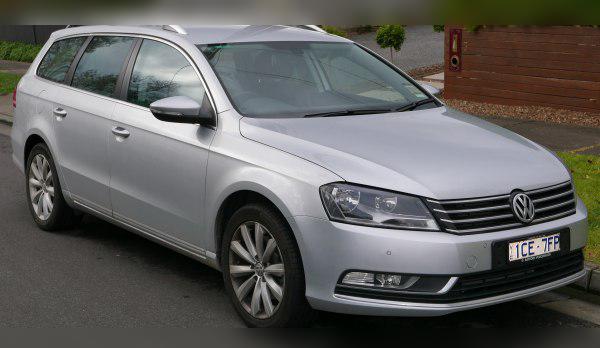
1.8 TSI (CDAA) EA888 Gen 2: Experiences, problems, fuel consumption and buying used
In short (TL;DR)
- Performance: Excellent power-to-weight ratio. The engine is very lively, elastic and provides real driving pleasure, even in heavier cars like the Superb or Passat.
- Biggest issue (Oil): The notorious oil consumption caused by poor piston ring design. This is a factory defect on most CDAA engines produced before 2012/2013.
- Timing system: Uses a timing chain. A problematic chain tensioner can lead to chain skipping and catastrophic engine failure if it is not replaced with the revised version.
- Gearbox: Often paired with the DSG 7 (DQ200) dry-clutch gearbox, which has its own specific and expensive issues (mechatronics).
- Maintenance: Requires top-quality oil, frequent changes and preventive work on the timing chain and water pump. This is not an engine for those who want to “fill up and drive” without investing.
- Conclusion: Fantastic to drive, but risky for your wallet if a full overhaul (pistons/rings replacement) and major timing chain service have not been done.
Contents
- Introduction and applications
- Technical specifications
- Reliability and maintenance
- Specific parts (Costs)
- Fuel consumption and performance
- Additional options and modifications
- Gearbox (Manual and DSG)
- Buying used and conclusion
Introduction and applications
The engine with code CDAA belongs to the second generation (Gen 2) of Volkswagen’s well-known EA888 engine family. This powerplant marked the transition period in the late 2000s and early 2010s, offering impressive performance from a relatively small displacement. With 160 horsepower and 250 Nm of torque available at low revs, this engine was the “golden middle ground” between the weaker 1.4 TSI and the stronger (and more expensive) 2.0 TSI.
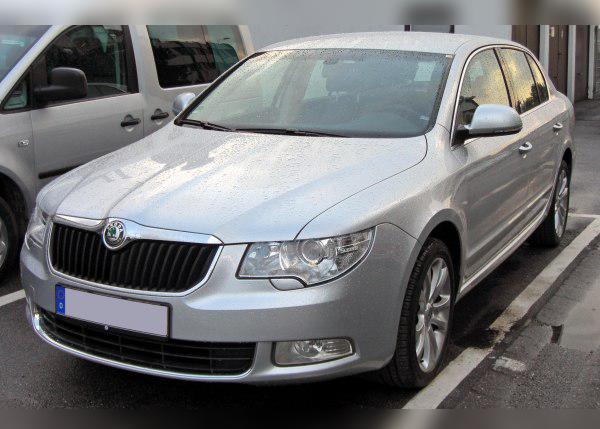
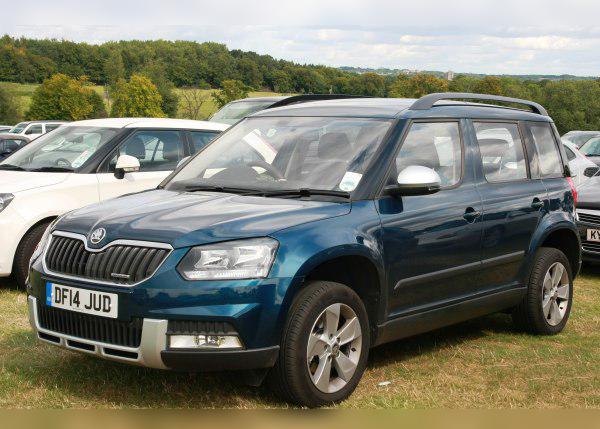
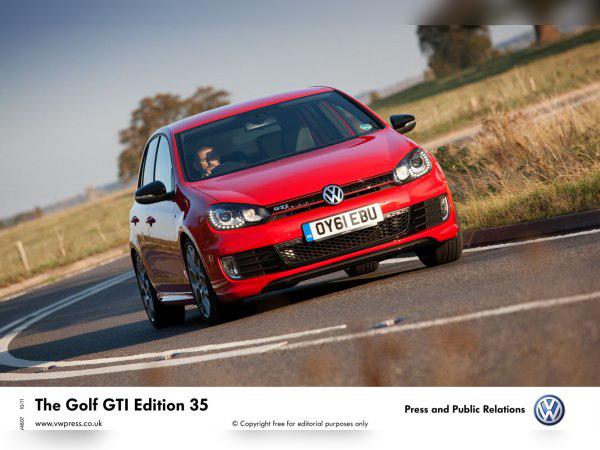
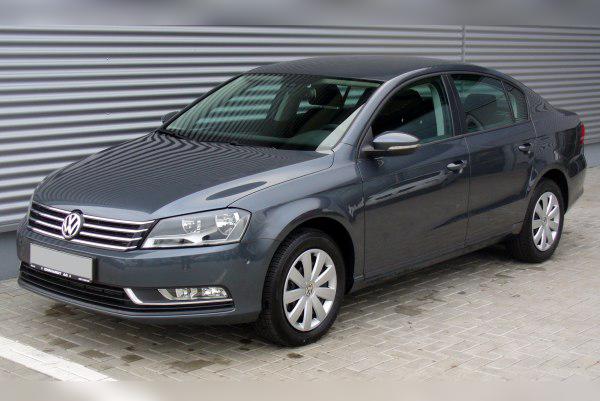
It was installed in a wide range of VAG group vehicles, from the compact Golf VI, through family MPVs like the Seat Altea XL, all the way to sedans such as the Škoda Superb II and VW Passat B7. Although drivers love how this engine performs, it struggles with the reputation of being one of the most problematic series when it comes to mechanical durability of internal components.
Technical specifications
| Parameter | Value |
|---|---|
| Engine displacement | 1798 ccm (1.8 L) |
| Power | 118 kW (160 hp) at 4500–6200 rpm |
| Torque | 250 Nm at 1500–4500 rpm |
| Engine code | CDAA (Often also CDAB in some lower-power versions) |
| Injection type | Direct injection (TSI / TFSI) |
| Forced induction | Turbocharger (KKK K03) + intercooler |
| Number of cylinders / valves | 4 cylinders / 16 valves |
| Camshaft drive | Chain |
Reliability and maintenance
Does this engine have a timing belt or a chain?
The 1.8 TSI CDAA engine uses a timing chain to drive the camshafts. Unfortunately, this is one of the weakest points of this engine. The factory hydraulic chain tensioner is prone to failure, and the chain itself can stretch as early as 60,000–100,000 km.
Symptoms: You can hear a metallic rattle or “rustling” noise on cold start that lasts a few seconds. If this is ignored, the chain can jump a tooth, causing the pistons and valves to collide – a total engine disaster. It is recommended to install the revised (newer type) tensioner which prevents chain slack.
What are the most common failures on this engine?
Besides the chain, the most serious issue is the piston and ring design.
- Oil consumption (“oil plague”): The oil scraper rings are factory-made too thin and have small drainage holes that quickly clog with carbon deposits. This leads to the engine consuming extreme amounts of oil.
- Water pump: The water pump housing is plastic and often cracks or deforms due to heat, causing coolant leaks. The integrated thermostat is also known to stick.
- PCV valve (oil separator): The membrane in the crankcase ventilation/oil separator often tears. Symptoms include rough idle, a whistling noise from the engine and increased oil consumption.
- Carbon buildup: As a direct-injection engine, the intake valves are not “washed” by fuel, so carbon builds up on them over time, gradually choking the engine.
At what mileage should the major timing service be done?
On chain-driven engines there is no fixed interval like with a belt, but real-world experience says otherwise. Preventive replacement of the chain, guides and tensioner is recommended between 100,000 km and 120,000 km, or as soon as you hear any suspicious noise at startup. This is an expensive job, but far cheaper than replacing the entire engine.
How many liters of oil does this engine take and which grade is recommended?
The engine takes approximately 4.6 to 5.0 liters of oil (depending on sump and filter size). It is recommended to use only fully synthetic oil of grade 5W-30 or 5W-40 that meets the VW 504.00 / 507.00 standard (for LongLife) or VW 502.00 (for fixed intervals). Due to the ring issues, many owners switch to higher-quality 5W-40 oil and change it more frequently.
Does it consume oil between services and what amount is considered normal?
YES. This is the key flaw. On a healthy engine (or one that has already been repaired with the new type of pistons), consumption of 0.5 L per 10,000 km is acceptable. However, engines with the factory defect often consume from 1 liter per 1,000 km upwards! If the seller claims it “doesn’t burn a drop”, and the engine has never been opened – be very suspicious. The repair requires removing the engine, machining work and installing modified pistons and wider rings.
At what mileage should the spark plugs be replaced?
Spark plugs should be replaced every 60,000 km. However, if the engine consumes oil (and fouls the plugs) or is “chipped”, it is recommended to replace them every 30,000 - 40,000 km. Use only iridium or platinum spark plugs recommended by the manufacturer (NGK/Bosch).
Specific parts (Costs)
Does this engine have a dual-mass flywheel?
Yes. Whether it is paired with a manual gearbox or a DSG, the 1.8 TSI uses a dual-mass flywheel (DMF). Its lifespan is usually around 150,000 - 200,000 km, depending on driving style. Failure symptoms are knocking when switching the engine off and vibrations at idle. Replacement is expensive (depends on the market, but it is among the pricier items).
What kind of injection system does it have and are the injectors problematic?
This is a TSI engine with direct fuel injection into the cylinders under high pressure. Injectors are generally reliable, but sensitive to poor fuel quality. Injector failure manifests as engine “misfiring”, a misfire error on a cylinder or fuel leakage that dilutes the engine oil. A single injector is expensive (very costly).
Does the engine have a turbocharger and what is its lifespan like?
It has a single turbocharger (usually BorgWarner K03). Its lifespan is solid and often exceeds 200,000 km with regular oil changes and proper cooldown after spirited driving. The most common issue is not the turbo itself, but the electronic actuator (wastegate) which can stick, leading to power loss (limp mode).
Does this model have a DPF filter or an EGR valve that often clogs?
Being a petrol engine, it DOES NOT have a DPF filter (GPF filters appeared years later). It does have an EGR system, but on petrol engines it is nowhere near as problematic as on diesels. It rarely clogs because exhaust gas temperatures on petrol engines are higher, which burns off soot. A bigger problem is carbon buildup on the intake valves (which EGR contributes to), requiring physical cleaning (so-called walnut shell “blasting”) at higher mileages.
Does this engine use AdBlue?
No. AdBlue is used only on diesel engines (SCR catalytic systems). This is a pure petrol engine and does not require any additional fluids besides fuel, oil and coolant.
Fuel consumption and performance
What is the real fuel consumption in city driving?
Do not trust the factory figures. In real conditions, in a heavy body such as a Passat or Superb, city consumption is between 10 and 12 liters per 100 km. In winter stop-and-go traffic, it can easily reach 13–14 liters. In a lighter Golf, consumption can be around 9–10 liters.
Is this engine “lazy” for the weight of the cars it is fitted to?
Absolutely not. With 160 hp and 250 Nm available from just 1500 rpm, the engine is extremely elastic. Even a fully loaded Superb Combi 4x4 will pull without any problem. In-gear acceleration is excellent, overtaking is safe, and the feeling of power is present at all times.
How does the engine behave on the motorway and at what revs does it cruise at 130 km/h?
This is the natural habitat of this engine. On the motorway it is quiet and refined. In 6th gear (or 7th on the DSG), at 130 km/h the engine runs at around 2,800 to 3,000 rpm (depending on the gearbox). Fuel consumption on the open road is drastically lower than in the city and is around 7.0 to 8.5 liters, depending on driving style.
Additional options and modifications
Is this engine suitable for LPG (autogas) conversion?
Conditionally yes, but it is expensive. Since this is a direct-injection engine (injectors are in the cylinder), you cannot install a “regular” sequential LPG system. A special direct-injection LPG system is required, which either uses a mixture of petrol and gas (to cool the petrol injectors) or injects liquid gas through the petrol injectors. The price of such systems is high (from 800 to 1500 EUR, depending on the market) and cost-effectiveness is questionable unless you cover very high annual mileage.
How far can this engine be safely “chipped” (Stage 1)?
EA888 engines are known for their huge tuning potential. With just a software remap (Stage 1), power can be safely raised to 200–210 hp, and torque to 300–320 Nm. Caution: Increasing power puts additional stress on the already sensitive timing chain and the DSG gearbox (the DQ200 has a torque limit of 250 Nm, so aggressive tuning can destroy the clutches). Before remapping, the engine must be mechanically perfect.
Gearbox
Which manual and automatic gearboxes are paired with this engine?
- Manual: 6-speed gearbox. Precise and reliable.
- Automatic: 7-speed DSG (DQ200) with dry clutches. This is the most common option on 1.8 TSI front-wheel-drive models.
- 4x4 variants: On all-wheel-drive models (e.g. Škoda Yeti, Superb 4x4), the more robust 6-speed DSG (DQ250) with wet clutches is often found, but you should check the specific model. Most 1.8 TSI 4x4 cars still come with a manual gearbox, while DSG was rarer in this combination (often reserved for the 2.0 TSI or TDI).
What are the most common failures of the manual and automatic gearboxes?
Manual: Very rarely fails. The main expense is the clutch kit and flywheel.
DSG (DQ200): This is the “black sheep” of the DSG family. Failures include:
- Premature clutch wear (after 100k–150k km) because they are “dry”.
- Mechatronics failure (the gearbox brain) due to overheating or cracking of the hydraulic unit housing.
Symptoms are jerking when moving off, harsh shifts or loss of gears (the car stays in neutral). Repairs are expensive.
How much does clutch replacement cost?
On a manual gearbox, the clutch kit with flywheel is a standard major expense (expensive). On a DSG gearbox, the clutch kit is also a wear item, and replacement requires special tools and calibration. The price is in the “very expensive” range (depends on the market), but still cheaper than on torque-converter automatics.
At what mileage should the gearbox be serviced and the oil changed?
- Manual: Officially “lifetime fill”, but it is recommended to change the oil at 100,000 km.
- DSG (DQ200 - dry clutch): Officially, the oil in the gearbox is not changed. However, it is recommended to change the oil in the gear section at 80,000–100,000 km, and to check the oil in the mechatronics unit (separate system).
- DSG (DQ250 - wet clutch, where fitted): Mandatory oil and filter change every 60,000 km.
Buying used and conclusion
What exactly should be checked before buying?
- Cold start: Insist that the engine is completely cold. Listen to the chain during the first 3 seconds. Any rattling is a red flag.
- Exhaust: Run your finger inside the exhaust tip. If your finger is completely black and oily with soot, the engine is probably burning a lot of oil.
- Service history: Ask for proof that the piston/oil consumption issue has been resolved (overhaul) or that the chain has been replaced.
- DSG test: Drive slowly in traffic. The gearbox must not jerk, hesitate or bang when shifting from 1st to 2nd gear.
- Diagnostics: Check the camshaft “phase position” (shows chain stretch) and the history of misfire errors.
Final verdict: Who is this engine for?
The 1.8 TSI (CDAA) engine is intended for enthusiasts who want excellent performance, petrol-engine refinement and do not cover huge annual mileage (due to fuel consumption). It is ideal for those buying a car from an owner who has already resolved the oil consumption and timing chain issues.
If you are buying a cheap example with no service history, avoid it. The cost of fixing oil consumption and replacing the chain can easily exceed half the value of the car. If you find a well-maintained example with the “childhood diseases” sorted, you will get one of the most enjoyable engines in its class, offering far more driving pleasure than its diesel equivalents.
Was this content useful to you?
Your opinion helps us to improve the quality of the content.