CHGA Engine
- Engine
- 1595 cm3
- Aspiration
- Naturally aspirated engine
- Fuel
- Petrol / LPG
- Fuel injection system
- Multi-port manifold injection
- Power
- 102 hp @ 5600 rpm
- Torque
- 148 Nm @ 3800 rpm
- Power LPG
- 98 hp @ 5600 rpm
- Torque LPG
- 144 Nm @ 3800 rpm
- Cylinders
- 4
- Valves
- 8, 2 per cylinder
- Cylinders position
- Inline
- Valvetrain
- SOHC
- Oil capacity
- 4.5 l
- Coolant
- 8 l
# Vehicles powered by this engine



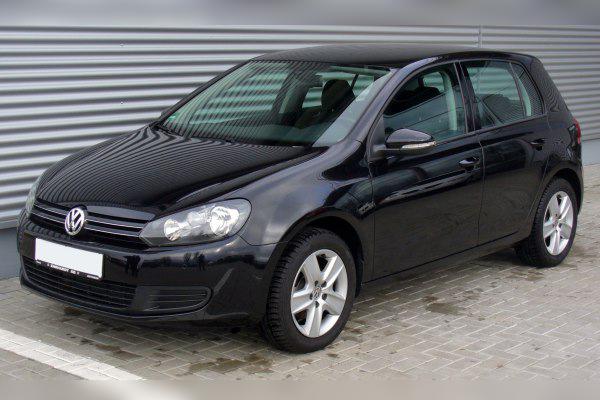
Volkswagen / Seat 1.6 MPI (CHGA) BiFuel: Experiences, problems, fuel consumption and used car buying guide
Key points (TL;DR)
- Indestructible: This is an “old school” 8-valve engine. One of the most reliable engines the VW Group has ever made.
- Factory LPG (BiFuel): The CHGA code means the engine is factory-optimized for LPG, which brings additional savings.
- Cheap maintenance: No turbocharger, no dual-mass flywheel, no DPF filter, and no complicated injectors.
- Performance: To be honest – the engine is sluggish. With 102 hp in a heavier Golf 6 or Altea, overtaking requires planning.
- Fuel consumption: It’s not a low-consumption unit. Outdated technology means higher fuel consumption, but a lower cost per kilometer thanks to LPG.
- Gearbox: It almost always comes with a 5-speed manual gearbox that keeps revs high on the motorway (noisy).
- Recommendation: Ideal for drivers who value reliability and low running costs over performance.
Contents
- Introduction: The last of the simple-mechanics Mohicans
- Technical specifications
- Reliability and maintenance: Where are the pitfalls?
- Specific parts and costs
- Fuel consumption, performance and driving behavior
- LPG and remapping
- Gearbox and drivetrain
- Used car buying tips and conclusion
Introduction: The last of the simple-mechanics Mohicans
While everyone was chasing TSI technology, direct injection and turbochargers in the late 2000s, the Volkswagen Group kept this gem in its lineup – the 1.6 MPI with the CHGA code. This engine was installed in the Seat Altea, Leon and VW Golf VI as a BiFuel variant. That means it’s the last generation of the legendary naturally aspirated engine that survived stricter Euro emission standards.
Why is this engine important? Because it represents a “safe haven” for used car buyers who are afraid of expensive failures on modern diesels or timing chain issues on early TSI petrol engines. It is simple, robust and built to cover high mileage with minimal costs.
Technical specifications
| Parameter | Value |
|---|---|
| Engine displacement | 1595 cc (1.6 L) |
| Power | 75 kW (102 hp) |
| Torque | 148 Nm at 3800 rpm |
| Engine code | CHGA (BiFuel version) |
| Injection type | MPI (Multi-Point Injection) – indirect |
| Induction | Naturally aspirated (no turbo) |
| Number of valves | 8 (SOHC – single camshaft) |
Reliability and maintenance: Where are the pitfalls?
This engine is considered a workhorse. There are no “childhood diseases” because the technology was refined over decades (based on the old EA113 blocks). Still, age takes its toll.
Timing belt or chain?
The 1.6 MPI CHGA engine uses a timing belt. This is great news because the system is simple and reliable, unlike the problematic chains on the 1.2 and 1.4 TSI engines from the same period. Replacement is a routine procedure for any mechanic.
Major service and intervals
Although the manufacturer often lists optimistic intervals (sometimes up to 180,000 km for the first check), real-world experience and vehicle age call for caution. It is recommended to perform a major service (timing kit + water pump) every 90,000 to 120,000 km or every 5–6 years. A snapped belt leads to catastrophic failure (piston-to-valve contact), so it’s not worth the risk.
Most common failures
Although reliable, the CHGA has its quirks:
- Ignition coils: A common issue. Symptoms include rough idle, jerking and the “Check Engine” light. They often fail one by one. Fortunately, they’re not expensive.
- Spark plug wires: Due to heat, they become brittle over time and start arcing, which also causes rough idle.
- Lambda sensors (O2 sensors): Since this is a BiFuel engine, the exhaust gas control system is sensitive. A faulty sensor increases fuel consumption.
- Oil leaks: The valve cover gasket often starts leaking, making the engine look oily. It’s not expensive to fix, but should be monitored.
Engine oil: quantity, grade and consumption
The sump of this engine holds about 4.5 liters of oil. The recommended grade is 5W-40 or 5W-30 that meets VW specifications (VW 502.00). Thanks to the 8-valve design and cast-iron block, this engine is quite tolerant.
Does it burn oil? Unlike its TSI siblings, the 1.6 MPI is not known as a heavy oil burner. However, on examples with over 200,000 km, valve stem seals can harden, leading to consumption of around 0.5 liters over several thousand kilometers. This is considered acceptable. If it burns a liter per 1000 km, the engine is due for a refresh (rings/seals).
Spark plugs (important for BiFuel)
Since the CHGA engine is designed to run on LPG, the spark plugs are under higher thermal stress. While on pure petrol they are changed at 60,000 km, for LPG use it is recommended to shorten the interval to 30,000 to 40,000 km. Use quality plugs (NGK or Bosch) specified for this engine.
Specific parts (costs)
Does it have a dual-mass flywheel?
No. This is one of the biggest advantages of this engine. It uses a classic solid flywheel. When the time comes to replace the clutch kit, the cost is drastically lower than on diesels (TDI) or more powerful petrol engines. (Clutch kit price: not expensive, depends on the market).
Injection system and injectors
It uses classic MPI (Multi-Point Injection) into the intake manifold. This is the most robust system there is. Petrol injectors very rarely fail and are not as sensitive to poor fuel quality as on FSI/TSI engines. As for the LPG injectors (since this is BiFuel), they are wear items and may require servicing or replacement after 100,000+ km of LPG driving.
Turbo, DPF, EGR, AdBlue
- Turbocharger: None. One less thing to worry about.
- DPF filter: None (this is a petrol engine).
- AdBlue: None.
- EGR valve: This engine does have an EGR valve. It can get clogged with soot, causing unstable idle or engine hesitation. Cleaning usually solves the problem, and even replacement is not excessively expensive.
Fuel consumption and performance
This is where we get to the compromise you have to accept. Reliability is paid for at the fuel pump.
Real-world consumption (city and highway)
Don’t trust the official figures. In real conditions, in a body as heavy as the Golf 6 or Seat Altea XL:
- City driving (petrol): 9–11 l/100 km.
- City driving (LPG): 10–12 l/100 km.
- Highway / country roads: 6.5–7.5 l/100 km.
The LPG system significantly reduces the financial hit, making it cheaper to run than a diesel, but the consumption in liters is high.
Is the engine “lazy”?
Honestly? Yes. With 148 Nm of torque available only at 3800 rpm, this engine needs to be revved to pull a heavy body, especially if the car is full of passengers and luggage (as with the Altea XL). Acceleration is linear but slow. It is perfectly adequate for relaxed driving, but forget about any sporty ambitions.
Behavior on the motorway
This is not its favorite environment. Due to the short ratios of the 5-speed gearbox, at 130 km/h the engine spins at around 4000–4200 rpm. This results in increased cabin noise and higher fuel consumption. It really lacks a 6th gear for quiet cruising.
Additional options and modifications
LPG (Liquefied Petroleum Gas)
The CHGA was born for LPG. The cylinder head and valves are factory-adapted for LPG operation. If you’re buying a used car with a factory system (usually Landi Renzo branded for VW), check when it was certified and when the LPG injectors and vaporizer were last serviced. If you plan to install a new LPG system on this engine, it’s a great choice – the engine handles conversion very well.
Remapping (Stage 1)
Forget about it. On naturally aspirated petrol engines, remapping brings negligible results. You might gain 3–5 hp and slightly better throttle response, but you won’t feel it in real driving. It’s a waste of money. Invest in good tyres or proper servicing instead.
Gearbox
Which gearboxes are fitted?
With the 1.6 MPI CHGA engine, in 99% of cases you get a 5-speed manual gearbox. There were 1.6 versions with a DSG gearbox (7-speed, dry clutch), but they are rare in combination with the factory BiFuel system.
Gearbox failures and maintenance
The 5-speed manual gearboxes from the VW Group are generally reliable, but not flawless.
Symptoms of problems: Difficult engagement of first gear or reverse. Sometimes you can hear bearing whine.
Maintenance: Although VW claims the oil is “lifetime fill”, it is recommended to change the gearbox oil every 100,000 km. This will extend the life of the synchros and bearings.
If you come across an automatic (DSG DQ200), be cautious. This gearbox (dry-clutch DSG) is known for issues with the mechatronics unit and clutch pack at higher mileage, and repairs are (very expensive).
Used car buying guide and conclusion
When buying a vehicle with the CHGA engine, pay attention to:
- Idle quality: The engine should idle smoothly. If it shakes, suspect coils, wires or a dirty throttle body/EGR.
- LPG system: Check whether the switch from petrol to LPG is seamless. If it stalls or jerks during the changeover, the vaporizer or injectors need servicing.
- Oil filler cap: Look under the cap. If there is “mayonnaise” (white emulsion) and the car is only driven on short trips in winter, that’s condensation. But if it’s also losing coolant, walk away – the head gasket is likely the issue.
- Diagnostics: Always check the fuel trim values. They show whether the engine is drawing unmetered air or if the injectors are bad.
Final conclusion
The 1.6 MPI CHGA engine is a perfect choice for drivers who see a car as a tool to get from point A to point B with minimal headaches. It is ideal for city driving (especially taxis), beginner drivers and those who want low maintenance costs. It is not for you if you often drive on motorways at high speeds or like the feeling of being “pushed into the seat”. This is an engine you buy with your head, not your heart.
Was this content useful to you?
Your opinion helps us to improve the quality of the content.