DBYA Engine
- Engine
- 999 cm3
- Aspiration
- Turbocharger
- Fuel
- Petrol / CNG
- Fuel injection system
- Direct injection
- Power
- 90 hp @ 5000 rpm
- Torque
- 160 Nm
- Cylinders
- 3
- Valves
- 12, 4 per cylinder
- Cylinders position
- Inline
- Valvetrain
- DOHC
- Oil capacity
- 4 l
- Coolant
- 10 l
- Systems
- Particulate filter
# Vehicles powered by this engine




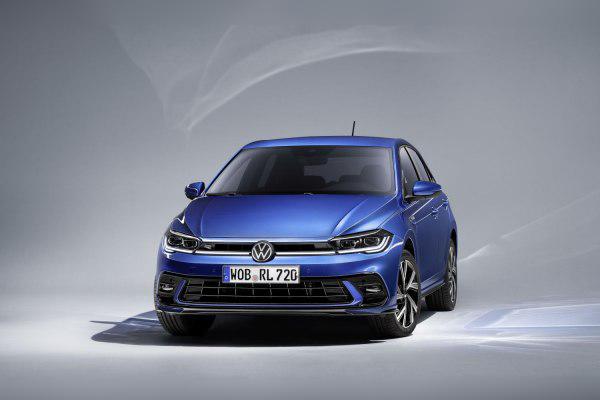

1.0 TGI (DBYA) 90 HP – Experiences, issues, fuel consumption and maintenance of the CNG engine
Key points in short (TL;DR)
- Unmatched economy: Driving on methane (CNG) is currently one of the cheapest ways to get around.
- Small petrol tank: This is crucial – the DBYA engine comes with a “micro” petrol tank (around 9 liters), which means you are dependent on the CNG station network.
- Mechanical reliability: Based on the proven 1.0 TSI (EA211) unit, mechanically it is quite robust, but it requires strict maintenance of the gas system.
- Maintenance is specific: Spark plugs are replaced more frequently, and inspection of the gas cylinders is a mandatory legal and safety requirement.
- Not a racer: With 90 HP and the extra weight of the tanks, this is an engine for relaxed driving; overtaking requires planning.
- Turbo lag: Noticeable at low revs until the turbo “spools up”.
- Recommendation: Ideal for taxi drivers, sales reps and those who cover high mileage in cities with good CNG infrastructure.
Contents
- Introduction and use cases
- Technical specifications
- Reliability and maintenance
- Specific parts and costs
- Fuel consumption and performance
- Gearbox and drivetrain
- Additional options and modifications
- Buying used and conclusion
Introduction: An ecological champion from the Volkswagen Group
The engine with the code DBYA represents an evolution of Volkswagen’s downsizing approach, adapted for burning compressed natural gas (CNG). It is a three-cylinder turbocharged 1.0-liter engine, installed in facelifted models from 2021 onwards. You will find it under the hood of the Seat Arona, Ibiza and VW Polo.
Unlike typical aftermarket LPG conversions, this is a factory-engineered system. The engine has reinforced valves and valve seats, a different turbocharger and specific software in order to cope with the higher combustion temperatures of methane. This is not an engine for speed enthusiasts, but for those who calculate cost per kilometer with a calculator.
Technical specifications
| Parameter | Value |
| Engine displacement | 999 cc (3 cylinders) |
| Power | 66 kW / 90 HP (at 4500–5800 rpm) |
| Torque | 160 Nm (at 1900–3500 rpm) |
| Engine code | DBYA (EA211 series) |
| Injection type | Direct injection (TSI/TGI) |
| Induction | Turbocharger with intercooler |
| Fuel | CNG (methane) / Petrol (reserve only) |
| Emission standard | Euro 6d-ISC-FCM |
Reliability and maintenance
Timing belt or chain?
The DBYA engine uses a timing belt. This is very good news because the first generations of TSI engines had issues with timing chains. The belt on the EA211 series engines is extremely durable. Although VW often states that the belt is “lifetime” or that it should only be inspected at 210,000 km, real-world experience and common sense suggest replacing it (major service) earlier.
Major service and intervals
The recommended interval for the major service is between 160,000 km and 180,000 km or at the latest after 8 to 10 years of age. Do not risk going beyond that. When replacing the belt, you should also replace the tensioners, idler pulleys and water pump.
The minor service (oil and filters) should be done every 15,000 km or once a year. Although the manufacturer allows “Long Life” intervals of up to 30,000 km, this is strongly not recommended for city driving, especially on CNG engines which operate at higher temperatures.
Oil: quantity and consumption
The oil sump holds approximately 4.0 liters of oil. The recommended grade for the DBYA engine is usually 0W-20 (VW 508.00 standard) for lower fuel consumption, but in warmer markets and on higher-mileage cars, 5W-30 (VW 504.00) is often used. Check the sticker under the hood or the owner’s manual.
Oil consumption: These engines can use a small amount of oil, but it should not be excessive. Consumption of up to 0.3–0.5 liters per 10,000 km is acceptable. If it uses a liter every few thousand kilometers, this points to an issue with the piston rings or the turbocharger.
Spark plugs and injectors (TGI specifics)
This is a critical point. Due to harsher operating conditions on methane, spark plugs are replaced more often than on pure petrol engines. The recommendation is replacement every 30,000 to 40,000 km. Use only spark plugs designed for TGI engines (usually iridium), as standard plugs can cause poor running and coil damage.
The injectors are split: you have petrol injectors (direct injection) and gas injectors (in the intake manifold). The gas injectors are generally reliable, but sensitive to impurities in methane (oil from the compressor at the filling station). Symptoms of problems are jerking when driving on methane or automatic switching to petrol.
Most common failures
- Gas pressure regulator: An electronic/mechanical assembly that reduces the pressure from the cylinders to the engine. If it fails, the car cannot run on methane. Replacement is expensive (depends on the market, but expect a few hundred euros).
- CNG cylinder corrosion: Although the cylinders are now often made of composite materials or protected steel, you must check their condition and the validity of the certification. Replacing cylinders is extremely expensive.
- Water pump and thermostat housing: Often made of plastic, which can lead to coolant leaks.
- Carbon buildup: Since the petrol system uses direct injection, the intake valves are not “washed” by petrol. Over time, carbon deposits build up and can reduce power.
Specific parts (costs)
Dual mass flywheel
This is where you need to be careful. Although lower-powered petrol engines usually do not have a dual mass flywheel, 1.0 TGI engines often come with a dual mass flywheel (DMF). The reason is that running on CNG combined with 3 cylinders creates specific vibrations that a solid flywheel cannot easily smooth out. You must check this strictly by VIN. If it has a DMF, replacing the clutch kit together with the flywheel is a significant expense.
Turbocharger
The engine has a single turbocharger. Its lifespan is closely linked to regular oil changes. With proper maintenance, the turbo easily exceeds 200,000 km. Symptoms of failure are whining noises, blue smoke from the exhaust or loss of power (safe mode).
DPF, GPF and EGR
This engine does not have a DPF (that’s for diesels), but as a modern direct-injection petrol it is equipped with a GPF (Gasoline Particulate Filter) to meet Euro 6d standards. The GPF rarely clogs because methane burns very cleanly, much cleaner than petrol. There is an EGR valve and it can get dirty, but it is far less problematic than on diesels.
AdBlue
No AdBlue. AdBlue is used only on diesel engines for NOx treatment. TGI engines are inherently clean and do not require this additive.
Fuel consumption and performance
Real-world consumption (city and highway)
Methane consumption is measured in kilograms.
- City driving: Expect between 4.0 and 5.0 kg/100 km. This depends on traffic and how heavy your right foot is.
- Country roads: Here the engine is at its most economical, with consumption dropping to 3.0 to 3.5 kg/100 km.
- Motorway (130 km/h): Due to the poorer aerodynamics of SUV models (Arona) and the small engine revving higher, consumption rises to around 4.0 to 4.5 kg/100 km.
Note: With full tanks (around 13–14 kg of methane), the real range is between 300 and 380 km. The petrol reserve (9 liters) gives you another 120–150 km, but it is intended for emergency use only.
Is the engine “sluggish”?
With 160 Nm of torque available from just 1900 rpm, the engine is perfectly adequate for city driving. It feels better than the 90 HP figure suggests. However, on the motorway and under full load (AC + passengers + luggage), the engine shows its limits. Overtaking on inclines requires downshifting and high revs.
At 130 km/h in top gear (usually 6th), the engine spins at around 2800–3000 rpm (depending on the gearbox), which is acceptable in terms of noise, but it lacks “breath” for sudden acceleration.
Gearbox
Types of gearboxes
The 6-speed manual gearbox is by far the most common pairing with the 1.0 TGI 90 HP (DBYA). There are versions with a DSG automatic gearbox, but they are rarer on the 90 HP variants.
Gearbox failures and maintenance
- Manual (MQ200 family): Very precise and light to operate. The most common failures are the bearings inside the gearbox (you hear a whine that changes pitch with speed). The manufacturer does not prescribe oil changes in the gearbox, but my advice is to change it every 90,000 to 100,000 km. This extends the life of the bearings and synchros.
- Clutch: Due to the need for more frequent shifting (small engine), the clutch disc can wear out faster in city driving. Replacement cost is moderate, unless you have a dual mass flywheel, in which case it becomes expensive (depends on the market).
Additional options and modifications
LPG conversion?
This question is redundant. The vehicle already has factory methane (CNG), which is even cheaper and more environmentally friendly than LPG. There is no logic, nor technical feasibility (no space for a third tank), in fitting an LPG system.
Chip tuning (Stage 1)
This engine can be remapped to around 110–115 HP and 190–200 Nm. However, be extremely careful. TGI engines already operate under higher thermal loads due to methane. Increasing turbo pressure further heats the combustion chamber. If you decide to do this, use only top-notch specialists, but my advice is – don’t. You risk overheating the turbo and valves for a small gain.
Buying used and conclusion
When buying a used Arona, Ibiza or Polo with this engine, pay attention to the following:
- Cold start: The engine should run smoothly. Rough idle may indicate dirty intake valves or bad spark plugs.
- Gas system: Check whether the car switches to gas quickly (unless it is extremely cold or the tank is empty). Check the validity of the cylinder certification (very important for registration).
- Noise: Listen for any rattling (even though it has a belt, sometimes you can hear variable cam pulleys) or turbo whistling.
- Service history: Have the spark plugs been replaced on time?
Conclusion: The DBYA 1.0 TGI is a rational choice. If you live in a city or near a route with accessible CNG stations, the fuel savings compared to petrol or diesel will be dramatic. It is ideal for daily use, commuting and shorter trips. It is not for those who enjoy fast driving or live in areas where the nearest CNG station is 50 kilometers away, because driving on petrol with a 9-liter tank quickly becomes a nightmare.
Was this content useful to you?
Your opinion helps us to improve the quality of the content.