DGTD Engine
- Engine
- 1598 cm3
- Aspiration
- Turbocharger, Intercooler
- Fuel
- Diesel
- Fuel injection system
- Diesel Commonrail
- Power
- 95 hp
- Torque
- 250 Nm
- Cylinders
- 4
- Valves
- 16, 4 per cylinder
- Cylinders position
- Inline
- Oil capacity
- 4.7 l
- Coolant
- 8 l
- Systems
- Particulate filter
# Vehicles powered by this engine

1.6 TDI (DGTD) 95 HP – Experiences, problems, fuel consumption and used car buying guide
Key points (TL;DR)
- Efficiency: Extremely low fuel consumption, ideal for drivers who cover high annual mileage.
- Torque: With 250 Nm, the engine feels stronger than the modest 95 HP on paper, especially in city driving.
- AdBlue system: As a Euro 6d-TEMP engine, it has an AdBlue system that can be a source of expensive failures (heaters, pumps).
- Major service: It uses a timing belt, and the water pump is a sensitive point that should be replaced on time.
- Gearboxes: Comes with a 5-speed manual (reliable) or a 7-speed DSG (requires careful maintenance).
- Recommendation: An excellent choice for VW Polo, T-Cross or Seat Ibiza/Arona if at least 30% of the driving is on open roads to keep the DPF healthy.
Contents
Introduction
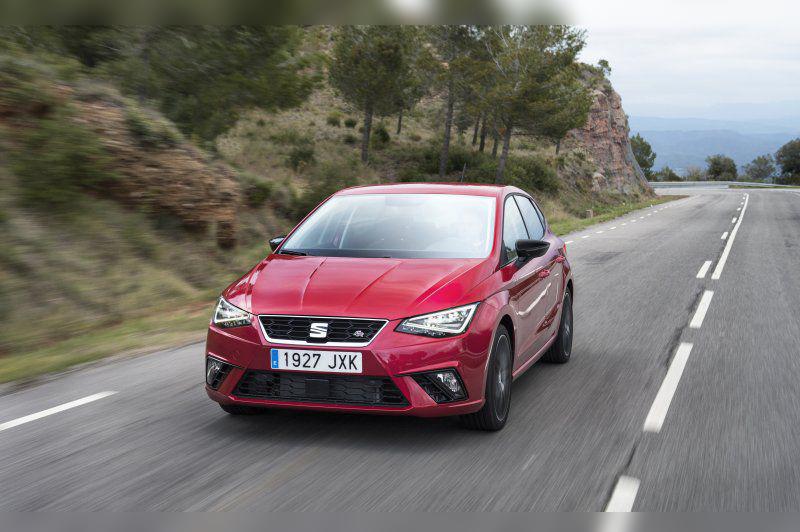
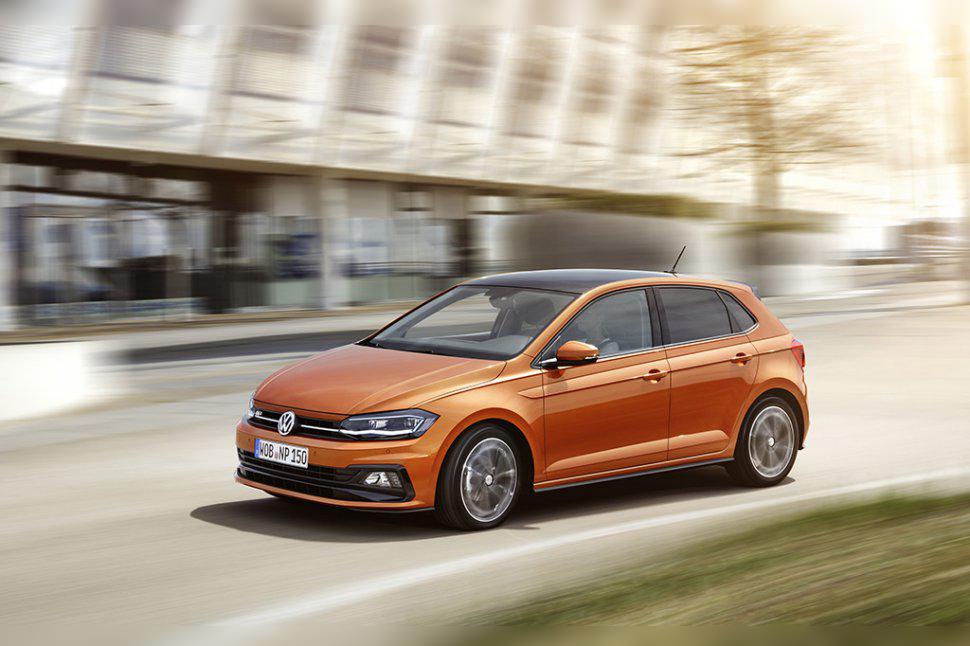
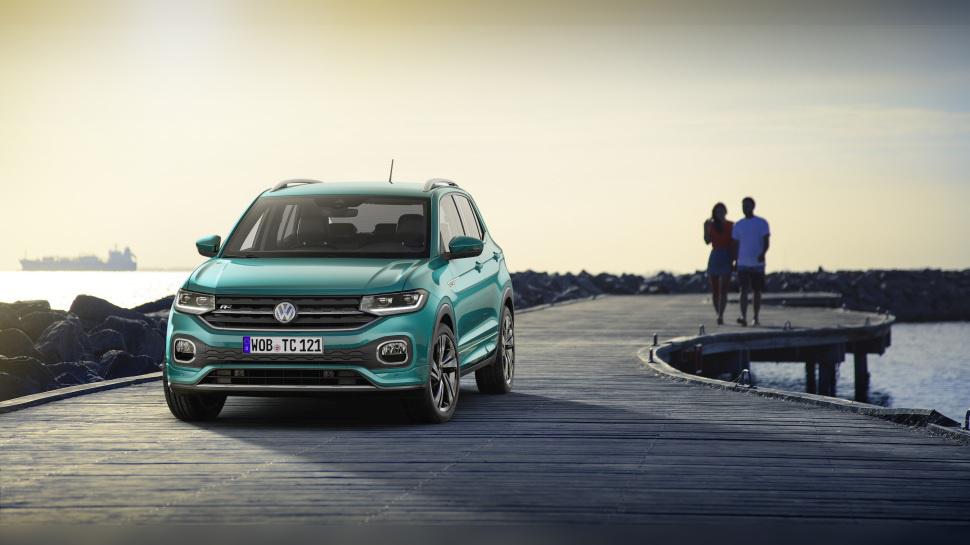
The engine with the code DGTD belongs to the modern EA288 family of Volkswagen diesel engines. This is not the old 1.6 TDI we remember from the Golf 6, but a more technologically advanced unit adapted to strict emission standards (Euro 6). It is primarily installed in smaller vehicles on the MQB A0 platform, such as VW Polo, VW T-Cross, Seat Ibiza and Seat Arona.
Its main purpose is to offer maximum efficiency and sufficient torque for smooth driving, replacing the need for larger 2.0 TDI engines in smaller bodies. Although 95 HP sounds modest, this engine is the “workhorse” of many fleets across Europe.
Technical specifications
| Parameter | Value |
|---|---|
| Displacement | 1598 cc |
| Power | 70 kW (95 HP) |
| Torque | 250 Nm at 1500–2500 rpm |
| Engine code | DGTD |
| Injection type | Common Rail (Direct injection) |
| Charging | Variable-geometry turbocharger + intercooler |
Reliability and maintenance
Timing belt or chain?
The DGTD engine uses a timing belt for the valvetrain. This is good news because modern belts are quieter and generally more predictable than chains, which caused issues on older generations of VAG engines. The oil pump is also driven by a separate belt that runs in oil (a “wet belt” for the oil pump), which requires regular oil changes so that this belt does not degrade.
Most common failures
Although the mechanical base of the engine (block and head) is very durable, the peripherals can cause problems:
- Coolant pump (water pump): It often happens that the variable ring (shroud) inside the pump gets stuck, which leads to engine overheating. The symptom is a temperature spike under load or coolant leakage.
- AdBlue system: Level sensors, tank heaters or the urea injector can fail or get clogged with crystallized AdBlue. Repairs are often expensive (depends on the market).
- Oil leaks: Sometimes appear on the crankshaft seal or valve cover on high-mileage vehicles.
Major service (timing belt service)
The factory interval for timing belt replacement is often an optimistic 210,000 km. However, from an experienced technical editor’s perspective, it is advisable to do the major service at 150,000 to 180,000 km or at the latest after 7 years, whichever comes first. The risk of belt failure and catastrophic engine damage is not worth waiting for the factory limit.
Engine oil
This engine takes approximately 4.7 to 5.0 liters of oil (always check the dipstick). It is mandatory to use oil that meets the VW 507.00 specification (Low SAPS because of the DPF). The recommended viscosity is usually 0W-30 or 5W-30.
Oil consumption
EA288 engines are significantly better in this regard than older TDI units. Oil consumption between services is minimal. Topping up to 0.5 liters per 10,000 km is considered normal, but most owners do not need to add any oil between changes. If it consumes more than that, the turbocharger or piston rings should be checked.
Injector lifespan
The DGTD uses modern Common Rail injectors (often Bosch solenoid injectors on newer series, which are more reliable than the old piezo injectors). Their service life is usually over 200,000 km with good-quality fuel. Symptoms of bad injectors are rough idle (“knocking”), increased smoke under acceleration and difficult starting.
Specific components (Costs)
Dual-mass flywheel
This depends on the gearbox. Models with a DSG gearbox always have a dual-mass flywheel, which is a wear item and expensive to replace (depends on the market). Models with a 5-speed manual gearbox in the 95 HP version often have a solid flywheel or a very robust, simpler dual-mass flywheel, which significantly reduces maintenance costs. It is best to check by VIN, but the 95 HP version is a “safer” purchase than the more powerful versions if you want to avoid this expense on a manual.
Fuel injection system and injectors
The system is sensitive to poor-quality diesel. A single injector can be an expensive item. They are not problematic by design, but they do not tolerate water in the fuel. Refurbishment is possible, but a new OEM injector is very expensive (depends on the market).
Turbocharger
The engine has a single variable-geometry turbocharger (VGT). Its lifespan is long, often over 250,000 km with regular oil changes. If the car is switched off immediately after hard driving on the motorway, the turbo bearings will wear out faster.
DPF and EGR
Yes, it has both. The EGR valve is integrated into a complex cooling module and is prone to soot build-up, especially if the car is driven very gently. The DPF filter is standard. On models that are used exclusively in the city (e.g. Arona or Polo as a second family car), the DPF can clog as early as 100,000 km. The symptom is frequent regeneration (elevated idle speed, radiator fan running after the engine is switched off).
AdBlue (SCR)
The DGTD engine has an AdBlue system. This is the Achilles’ heel of modern diesels. Problems include failure of the tank heater (often the entire tank has to be replaced), pump failure or dosing injector failure. Maintenance involves regularly topping up with quality fluid. If the system fails, the car will refuse to start after a certain number of kilometers.
Fuel consumption and performance
Real-world city consumption
Depending on vehicle weight (the Polo is lighter than the T-Cross), real-world city consumption ranges between 5.5 and 6.5 l/100 km. The Start&Stop system helps reduce it, but heavy traffic takes its toll.
Is the engine “sluggish”?
With 95 HP, you cannot expect sports-car performance, but the key is the 250 Nm of torque. In city conditions and on country roads, the engine is surprisingly lively and pulls strongly from low revs. However, in models such as the T-Cross or Arona, when the car is fully loaded with passengers and luggage, you will feel the lack of power on uphill sections and the need for more frequent gear changes.
Behaviour on the motorway
On the motorway it behaves solidly. A cruising speed of 130 km/h is perfectly comfortable.
With the 5-speed manual gearbox, revs are somewhat higher (around 2,500 rpm), which can increase noise.
With the 7-speed DSG, the engine is more relaxed. Fuel consumption on open roads ranges from an excellent 4.0 to 5.0 l/100 km.
Additional options and modifications
Chip tuning (Stage 1)
This engine is an excellent candidate for remapping. From the factory it is “detuned” in software because it shares many components with the more powerful 115 HP version. A safe Stage 1 raises power to about 120–130 HP and torque to about 300 Nm. This drastically changes the character of the vehicle, especially when overtaking. However, keep in mind that higher torque wears the clutch faster (especially on manual gearboxes).
Gearbox
Types of gearboxes
- Manual: Most commonly a 5-speed (MQ250 series). Precise, robust.
- Automatic: 7-speed DSG (DQ200). This is a gearbox with “dry” clutches.
Gearbox failures
Manual gearbox: Very reliable. Failures are rare and mostly related to the clutch kit after high mileage.
DSG (DQ200): This is a more sensitive point. The most common failures are wear of the clutch pack (shuddering when moving off) and failure of the mechatronics unit (loss of gears, oil leaks). DSG repairs are expensive (depends on the market). Although the DQ200 has been improved compared to earlier years, it still requires a gentle right foot when moving off and avoiding “creeping” in stop‑and‑go traffic.
Gearbox servicing
Manual: VW claims the oil is “lifetime fill”, but it is recommended to change it at 150,000 km.
DSG (dry): Officially, the oil in the gearbox itself is not changed often, but the mechatronics has its own oil. Still, it is advisable to check and, if necessary, replace the oil in the gear section every 60,000–80,000 km for longer bearing life.
Buying used and conclusion
What to check before buying?
- Cold start: Listen to the engine. Is there any rattling (injectors) or metallic knocking until it warms up?
- Gearbox behaviour (DSG): The car should start moving smoothly as soon as you release the brake. Any shuddering, delay or thump when shifting is a sign of an expensive problem.
- Coolant: Look at the coolant reservoir. If the fluid is brown or below minimum, suspect the water pump.
- AdBlue history: Use diagnostics to check for any faults related to the SCR system or NOx sensors.
- DPF condition: With diagnostics, check the “Oil Ash Residue” (amount of ash). If it is close to the limit, you are facing cleaning or replacement.
Conclusion
The 1.6 TDI (DGTD) with 95 HP is an extremely rational choice. It offers a perfect balance between performance sufficient for the average driver and minimal fuel consumption. If you are buying used, the version with a manual gearbox is a safer bet due to lower potential maintenance costs (no DSG risk). It is ideal for drivers who cover more than 15,000 km per year, but if you drive exclusively short city trips (under 5 km), consider the 1.0 TSI petrol engine to avoid DPF and EGR issues.
Was this content useful to you?
Your opinion helps us to improve the quality of the content.