CWVA Engine
- Engine
- 1598 cm3
- Aspiration
- Naturally aspirated engine
- Fuel
- Petrol (Gasoline)
- Fuel injection system
- Multi-port manifold injection
- Power
- 110 hp @ 5800 rpm
- Torque
- 155 Nm
- Cylinders
- 4
- Valves
- 16, 4 per cylinder
- Cylinders position
- Inline
- Oil capacity
- 4 l
- Coolant
- 8 l
- Systems
- Particulate filter
# Vehicles powered by this engine

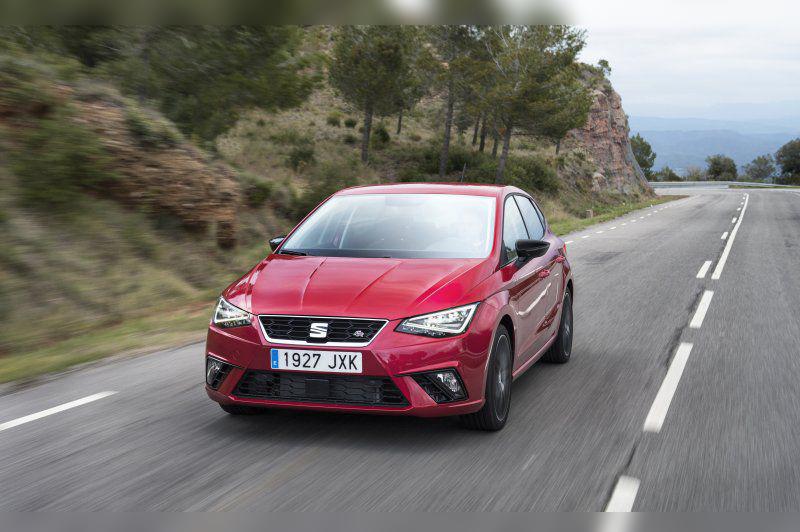
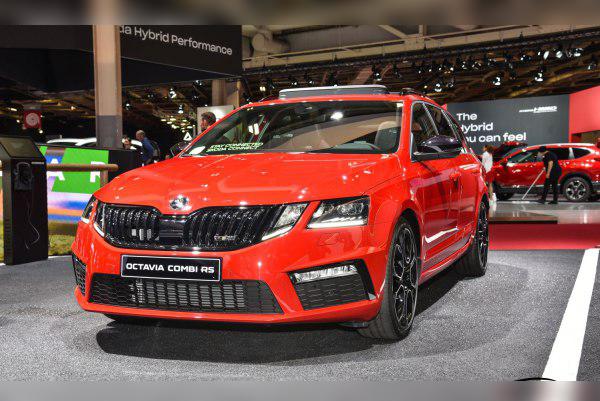
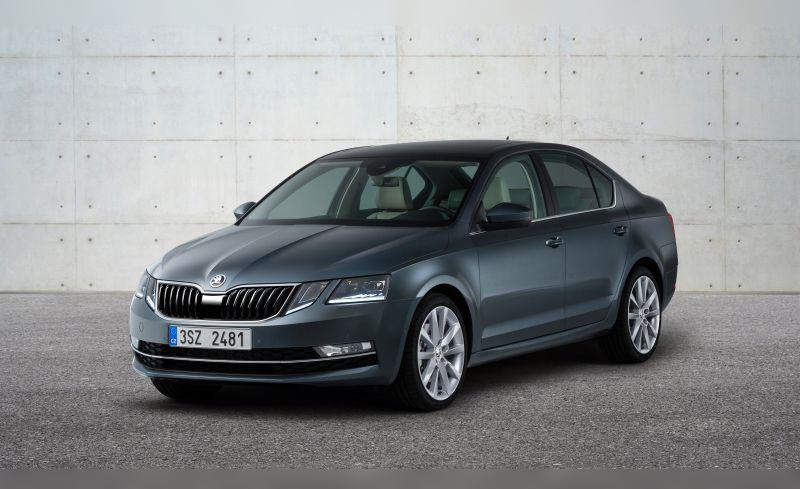
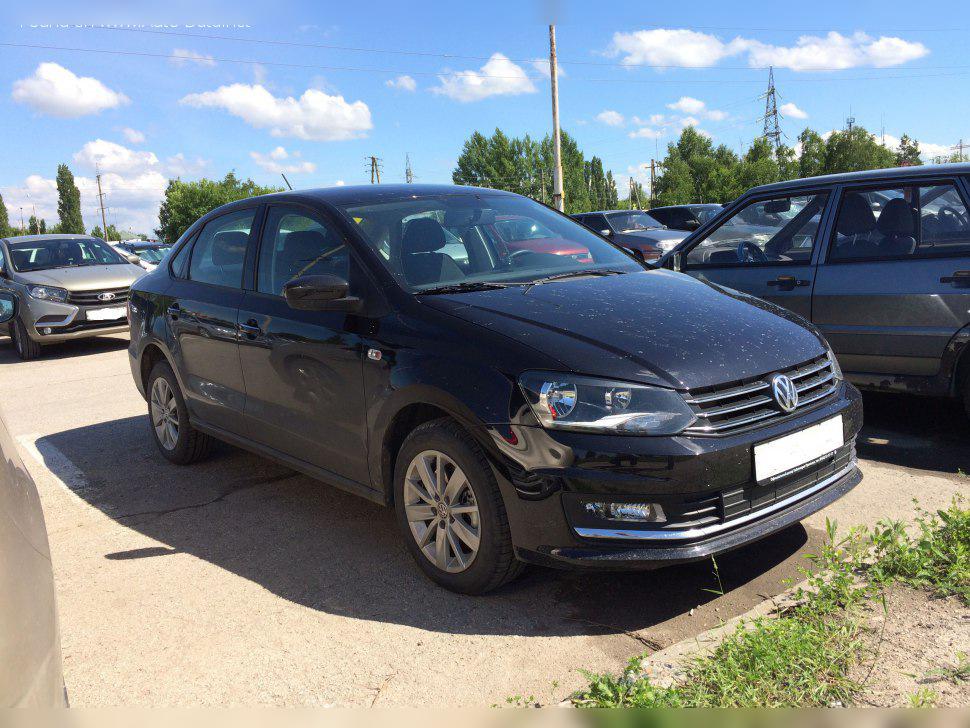
1.6 MPI (CWVA) engine – experiences, problems, fuel consumption and used car buying guide
Key points (TL;DR)
If you don’t have time to read the whole article, here’s what you need to know about the 1.6 MPI CWVA engine before buying:
- Modern naturally aspirated engine: Although it carries the 1.6 MPI badge, this is not the old engine from the Golf 5. This is a modern EA211 engine (based on the 1.4 TSI) without a turbo.
- Oil consumption: This is the main downside. These engines are factory-designed with “looser” piston rings to reduce friction, which often results in oil consumption (up to 0.5 L per 1000 km).
- Ideal for LPG: Thanks to port (indirect) injection, it is an excellent candidate for LPG conversion.
- Cheap maintenance: No turbo, no dual-mass flywheel, no expensive high-pressure injectors.
- Gearbox: It often comes paired with a classic Aisin automatic transmission (torque converter), which is more reliable than DSG in city driving.
- Performance: Perfectly adequate for an Ibiza or Polo, but “sluggish” in a fully loaded Škoda Octavia.
Contents
- Introduction: Why is there a 1.6 MPI in new cars?
- Technical specifications
- Reliability and maintenance
- Specific parts and costs
- Fuel consumption and performance
- Additional options (LPG and remapping)
- Gearbox (manual and automatic)
- Buying used and conclusion
Introduction: Why is there a 1.6 MPI in new cars?
The engine with the code CWVA (and its lower-powered version CWVB) is an interesting move by the Volkswagen Group. In an era when everyone was switching to small turbo engines (1.0 TSI, 1.2 TSI), VW offered this engine for certain markets (mainly Eastern Europe and developing markets) as a “robust” alternative.
It’s important to note: this is not that old, indestructible 1.6 8V (BSE) engine we remember from previous decades. CWVA belongs to the new EA211 family. Essentially, the engineers took the 1.4 TSI engine block, removed the turbo, increased the stroke to get 1.6 liters of displacement and fitted conventional port injection. The goal was to create an engine that is simple, cheap to maintain and tolerant of lower-quality fuel, yet still compliant with Euro 5 and Euro 6 standards.
Technical specifications
| Specification | Data |
|---|---|
| Displacement | 1598 cc |
| Power | 81 kW (110 hp) at 5800 rpm |
| Torque | 155 Nm at 3800–4000 rpm |
| Engine code | CWVA (EA211 family) |
| Injection type | MPI (Multi-Point Injection) – port injection |
| Induction | Naturally aspirated (no turbo) |
| Number of valves | 16 (DOHC) |
Reliability and maintenance
Does this engine have a timing belt or chain?
The CWVA engine uses a timing belt. This is a big advantage compared to older EA111 engines that had problematic chains. The belt is reinforced and designed to last a long time. The first inspection is recommended at 210,000 km according to factory data, but in practice, as a preventive measure, the major service (replacement of belt, tensioner and water pump) is done earlier.
What are the most common failures on this engine?
Although mechanically simple, it’s not without flaws:
- Oil consumption: This is issue number one. Due to the design of the pistons and thin rings (engineered to reduce friction and meet emissions standards), the engine tends to “drink” oil. This often happens even at relatively low mileage.
- Coolant leaks: The thermostat housing and water pump are made of plastic and integrated into a single module. Over time, the plastic degrades from heat and coolant leaks appear.
- Lifter noise: On a cold start the engine can be noisier until the oil circulates, which is often a characteristic of the EA211 series.
At what mileage should the major timing service be done?
Although the manufacturer lists optimistic inspection intervals of over 200,000 km, experienced mechanics recommend replacing the complete timing set between 120,000 km and 150,000 km or every 5–7 years. Rubber ages, and damage caused by a snapped belt is far too expensive to risk.
How many liters of oil does it take and what oil consumption is normal?
The engine takes about 4.0 to 4.2 liters of oil. The recommended viscosity is 5W-30 or 5W-40 (VW 502.00 or 504.00 standard).
As for consumption: the manufacturer “covers itself” by stating that up to 0.5 liters per 1000 km is “within normal limits”. In reality, if the engine uses 1 liter per 3,000–4,000 km, this is considered typical behavior for the CWVA, especially if the car is driven a lot on the motorway. Regular dipstick checks are mandatory.
At what mileage should the spark plugs be replaced?
The spark plugs are conventional. It’s recommended to replace them every 30,000 to 60,000 km. If you run the car on LPG, this interval should be halved (to 15,000–20,000 km) because gas wears out spark plugs faster.
Specific parts (costs)
Does this engine have a dual-mass flywheel?
No. Models with a manual gearbox paired with this engine usually have a solid flywheel and a conventional clutch. This drastically reduces maintenance costs. Automatic transmissions use a torque converter, so they also don’t have the typical dual-mass flywheel we know from DSG models.
What kind of injection system does it have and are the injectors problematic?
The engine uses an MPI (Multi-Point Injection) system, where fuel is injected into the intake manifold rather than directly into the cylinder. The injectors are simple, inexpensive and very rarely cause issues. Also, this system prevents carbon buildup on the intake valves, which is a common problem on TSI engines.
Does the engine have a turbocharger, DPF or EGR?
- Turbo: No. One less thing to worry about.
- DPF: No (that’s for diesels).
- AdBlue: No.
- EGR: This engine doesn’t have a conventional EGR valve that clogs up. Exhaust gas recirculation is handled via variable valve timing (VVT), which means there’s no separate part that needs to be physically cleaned or replaced.
Fuel consumption and performance
What is the real-world fuel consumption in city driving?
Don’t expect miracles just because it doesn’t have a turbo. To get the car moving briskly, this engine needs to be revved higher.
- City (Seat Ibiza/Polo): 7.0–8.5 l/100 km.
- City (Škoda Octavia): 8.5–10.5 l/100 km (the heavier body requires more throttle).
- Combined: Around 6.5–7.5 l/100 km.
Is this engine “lazy”?
It depends on what it’s installed in. In a Seat Ibiza or VW Polo, 110 hp is more than enough for agile driving. However, in a Škoda Octavia (especially the Combi), this engine is at the lower limit of what’s acceptable. If you load up the family and luggage, overtaking on country roads requires planning, dropping a gear and going full throttle. There’s no “punch” of torque like you get from a diesel or a turbo engine.
What is it like on the motorway?
This is where the lack of a sixth gear on manual gearboxes becomes apparent. At 130 km/h the engine spins at around 3,500 to 3,800 rpm. This means more noise in the cabin and higher fuel consumption. The automatic gearbox (6-speed) keeps the revs somewhat lower, making the drive more comfortable.
Additional options and modifications
Is this engine suitable for LPG conversion?
Absolutely YES. This is one of the best modern engines for LPG conversion. Thanks to MPI injection, installation is simple, inexpensive (standard sequential systems) and the engine handles LPG very well. Given the slightly higher petrol consumption, LPG is a very cost-effective investment here.
How much can this engine be safely remapped (Stage 1)?
On naturally aspirated engines, remapping is basically a waste of money. You might gain 5–8 hp, which you won’t really feel in everyday driving. Throttle response can be improved, but the actual power remains the same. Software tweaks are not recommended.
Gearbox
Which gearboxes are used?
- Manual: Usually a 5-speed gearbox. Very precise and easy to operate.
- Automatic: This is a big advantage. The 1.6 MPI is often paired with an Aisin 6-speed automatic (conventional torque converter), not a DSG. The gearbox code is usually 09G (AQ160/AQ250).
What are the most common gearbox issues?
Manual: Very reliable. The clutch is cheap to replace (a complete kit is affordable; prices vary by market, but it falls into the “not expensive” category).
Automatic (Aisin): This gearbox is extremely durable and much better suited to stop‑and‑go city driving than a dry‑clutch DSG. There are no costly mechatronics repairs. However, it does require oil changes. If the oil is never changed, you may experience harsh shifting or slipping.
At what mileage should the gearbox be serviced?
For the Aisin automatic, it’s recommended to change the oil every 60,000 km, even though some workshops claim it is “fill for life”. Don’t listen to that – change the oil and the gearbox will last as long as the engine.
Buying used and conclusion
When buying a used car with the 1.6 MPI CWVA engine, pay attention to:
- Oil level: Pull out the dipstick. If the level is at minimum or below, the owner probably doesn’t check the oil regularly, which is a deadly sin for this engine.
- Noise at startup: A cold start should settle down after a few seconds. If you hear loud knocking that doesn’t go away, walk away.
- Signs of leaks: Look at the left side of the engine (viewed from the front) where the thermostat housing is located. Pink traces are a sign of coolant leakage.
- Exhaust: Run your finger inside the tailpipe. A lot of black, oily soot can indicate excessive oil consumption.
Final verdict
The 1.6 MPI (110 hp) engine is a choice of reason, not passion. It’s aimed at drivers who want a newer VW Group car but are wary of the complexity of TSI engines, turbos and DSG gearboxes. It’s ideal for taxi drivers (because of LPG), beginner drivers or as a second family car for city use.
If you can live with the fact that you’ll have to top up oil from time to time and that you won’t be the fastest off the line at traffic lights, this engine will serve you faithfully and cheaply.
Was this content useful to you?
Your opinion helps us to improve the quality of the content.