DKRA, DKRF Engine
- Engine
- 999 cm3
- Aspiration
- Turbocharger, Intercooler
- Fuel
- Petrol (Gasoline)
- Fuel injection system
- Direct injection
- Power
- 115 hp @ 5500 rpm
- Torque
- 200 Nm
- Cylinders
- 3
- Valves
- 12, 4 per cylinder
- Cylinders position
- Inline
- Oil capacity
- 4 l
- Coolant
- 8 l
- Systems
- Particulate filter
# Vehicles powered by this engine


1.0 TSI (DKRA, DKRF) – Experiences, issues, fuel consumption and used-car buying guide
Key points (TL;DR)
- Performance above expectations: With 115 hp and 200 Nm, this engine is no toy. In lighter cars (Up!, Arona) it goes surprisingly well.
- Timing belt: Unlike older TSI engines, this one uses a belt which is reliable, but the water pump can be an issue.
- Dual-mass flywheel: Yes, the 115 hp version has it in most cases (unlike the lower-powered versions).
- Fuel consumption: Extremely economical if driven moderately, but sensitive to a heavy right foot.
- DSG gearbox: If you choose an automatic, pay attention to the DQ200 (dry clutch) which must be checked before purchase.
- GPF/OPF filter: Newer models (DKRA, DKRF) have a gasoline particulate filter, which means one more emissions system to maintain.
Contents
- Introduction and applications
- Technical specifications
- Reliability and maintenance
- Specific parts and costs
- Fuel consumption and performance
- Additional options and modifications
- Gearbox: Manual vs DSG
- Buying used and conclusion
Introduction and applications
The 1.0 TSI engine with codes DKRA and DKRF represents the peak of the Volkswagen Group’s downsizing era. This is not the old, weak three-cylinder you might remember from the past. It is a technologically advanced unit from the EA211 family, designed to replace the old 1.6 naturally aspirated petrol engines and even 1.6 TDI diesels in smaller cars.
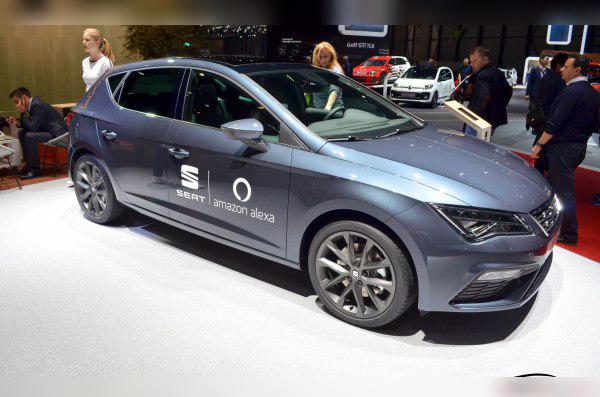
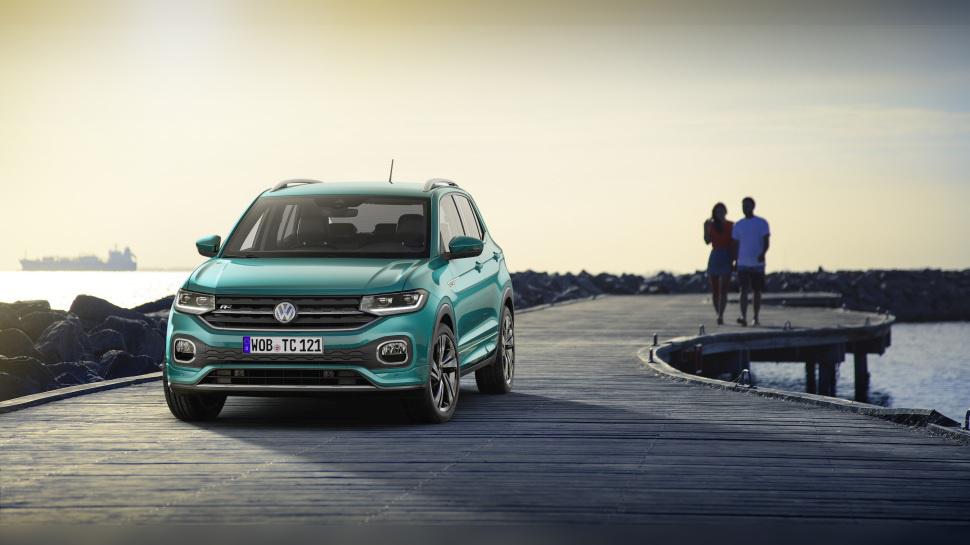
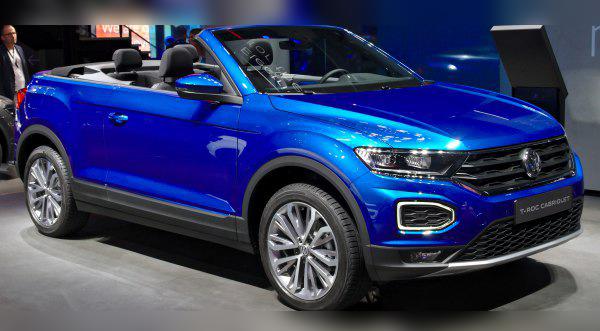
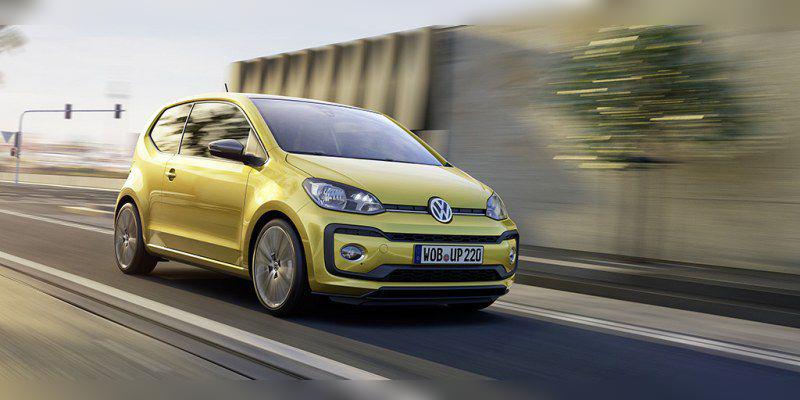
These specific engine codes (DKRA, DKRF) are associated with newer generations (often from 2018 onward) that meet stricter Euro 6 standards and are equipped with an OPF filter. It is installed in a wide range of vehicles, from the small city hot hatch VW Up! GTI, through crossovers such as the Seat Arona and VW T-Cross, all the way to compact models like the Seat Leon.
Technical specifications
| Parameter | Data |
|---|---|
| Displacement | 999 cc (1.0 L) |
| Configuration | Inline 3-cylinder, 12 valves |
| Power | 85 kW (115 hp) at 5000–5500 rpm |
| Torque | 200 Nm at 2000–3500 rpm |
| Engine codes | DKRA, DKRF |
| Injection type | Direct injection (TSI) |
| Charging | Turbocharger + intercooler |
| Emissions | Euro 6d-TEMP / Euro 6d (equipped with OPF) |
Reliability and maintenance
Timing belt or chain?
Unlike older TSI engines (EA111 series) which had problematic timing chains, the 1.0 TSI (EA211) uses a timing belt. This is great news for owners. The belt is reinforced and designed to last a very long time. The manufacturer often states “inspection” intervals after 240,000 km or even “lifetime”, but real-world experience and common sense say otherwise. The recommended timing kit replacement (major service) is at around 180,000 km or 10 years, whichever comes first. However, a visual inspection should be done at every service after 120,000 km.
Most common failures and symptoms
Although the engine is generally reliable, there are a few points to watch out for:
- Water pump (thermostat housing): This is the weakest point of EA211 engines. The thermostat housing and pump are an integrated module that can start leaking or get stuck. Symptoms: Loss of coolant, rising engine temperature, or coolant leak under the intake manifold.
- Carbon buildup: As with any direct-injection engine, the intake valves get dirty over time because fuel does not wash them. Symptoms: Rough idle (after 100k+ km), loss of power.
- GPF/OPF sensors: Differential pressure sensors on the particulate filter can fail. Symptoms: Check Engine light.
Minor service, oil and spark plugs
A minor service is done every 10,000 to 15,000 km (or once a year). Avoid “Long Life” intervals of 30,000 km if you want the engine to last, especially in city driving.
Oil: These newer engines (DKRA/DKRF) with OPF filter usually use 0W-20 grade oil (VW specification 508.00 / 509.00). This oil has a slightly greenish color. The fill quantity is about 4.0 liters (always check the exact figure in the manual, as sumps can vary). The engine may consume some oil, but up to 0.5 L per 2–3 thousand km is often considered “within limits” by VW, although in practice a healthy 1.0 TSI uses negligible oil between services.
Spark plugs: Being a turbocharged direct-injection petrol engine, the spark plugs are under heavy stress. They should be replaced every 60,000 km or 4 years. Use only high-quality Iridium/Platinum plugs (NGK or Bosch specified for OE fitment).
Specific parts and costs
Dual-mass flywheel
This is an important point. The 115 hp (85 kW) version in 99% of cases HAS a dual-mass flywheel. Three-cylinder engines naturally have more vibration, and to neutralize it and protect the gearbox with 200 Nm of torque, a dual-mass flywheel is necessary. Replacing the clutch kit together with the flywheel is expensive (depends on the market, but count on a serious expense).
Fuel injection system and injectors
The engine uses high-pressure injectors for direct injection. They are generally reliable but sensitive to poor fuel quality. A failing injector manifests as jerking, misfiring and an engine warning light. Replacing a single injector is costly. It is recommended to occasionally use fuel system cleaning additives.
Turbocharger and emissions (GPF/EGR)
The engine has a small turbocharger that spools up very quickly (low inertia). Its service life is long if the oil is changed regularly and the engine is not switched off immediately after hard driving. They are not prone to widespread failures before 200,000 km with proper maintenance.
DPF/GPF (OPF): These engines (DKRA, DKRF) have an OPF (Otto Particulate Filter), which is the petrol equivalent of a DPF on diesels. Unlike diesels, petrol engines have higher exhaust gas temperatures, so this filter regenerates more easily and quickly during normal driving. Clogging is rare, unless the car is used only for 2 km trips in winter. This engine DOES NOT use AdBlue (that’s only for diesels), so you don’t have that cost.
Fuel consumption and performance
City driving and “sluggishness”
Is the engine sluggish? Absolutely not. With 200 Nm available from just 2000 rpm, the 1.0 TSI in models such as the Seat Arona or VW T-Cross feels livelier than the old 1.6 naturally aspirated engines. In the city it is nippy and agile. Real-world city consumption: Expect between 6.5 and 8.0 l/100 km, depending on traffic and how heavy your right foot is. The start-stop system helps reduce consumption, but many drivers switch it off.
Open road and motorway
On the open road this engine really shines. At 130 km/h in 6th gear (or 7th with DSG), the engine spins at around 2800–3000 rpm, which is perfectly acceptable for a petrol engine. The cabin remains quiet. Consumption at 130 km/h: It is around 6.0–6.8 l/100 km. Overtaking is safe, but requires dropping down a gear if you are in 6th.
Additional options and modifications
LPG conversion
Since this is a direct-injection engine, LPG conversion is complex and expensive. It requires a special system (“Direct Liquid Injection” or a system that mixes petrol for injector cooling). Cost-effectiveness is questionable unless you cover very high mileages (over 30–40 thousand km per year). You also lose boot space (which is important in the Arona/T-Cross).
Chip tuning (Stage 1)
This engine responds very well to remapping. A Stage 1 tune safely raises power to around 130–140 hp and torque to about 230–240 Nm. However, keep in mind that the increased torque puts additional stress on the clutch and dual-mass flywheel, and on DSG gearboxes it can shorten clutch pack life.
Gearbox: Manual vs DSG
Manual gearbox
With this engine (115 hp) you usually get a 6-speed manual gearbox (often from the MQ200 family). It is precise, easy to operate and very reliable. The most common expense is a clutch kit, which is replaced depending on driving style (it usually lasts over 150,000 km). As mentioned, there is a dual-mass flywheel here, so replacing the clutch and flywheel together is not cheap.
Automatic DSG gearbox (DQ200)
The automatic option is a 7-speed DSG with dry clutches (code DQ200). This gearbox offers fantastic comfort and very quick shifts, but comes with certain risks:
- Mechatronics: The control unit can fail, which is a very expensive repair.
- Clutch packs: Since they are “dry”, they wear faster in stop-start city driving than on “wet” DSG gearboxes.
Buying used and conclusion
When buying a used car with a DKRA/DKRF engine, make sure to check the following:
- Cold start: Listen to the engine when it is cold. There should be no metallic rattling (a sign of issues with cam phasers or hydraulic lifters) and no uneven running.
- Coolant: Check the level in the expansion tank. If it is low or there are traces of dried coolant around the engine, the water pump is probably due for replacement.
- DSG test (if automatic): Gently pull away uphill without pressing the accelerator. The car must not jerk or shudder. Gear changes should be seamless.
- Exhaust: Black smoke indicates poor combustion (injectors/turbo), and oily residue in the exhaust indicates oil consumption. Given the OPF filter, the tailpipe should be relatively clean.
Conclusion: The 1.0 TSI (115 hp) engine is an excellent choice for drivers who spend most of their time in the city and go on trips at weekends. It offers a great balance between performance and registration costs. It is not “too small” for the Arona or Leon body. If possible, choose the manual gearbox for lower long-term maintenance costs; if you opt for DSG, keep a financial buffer ready for potential repairs.
Was this content useful to you?
Your opinion helps us to improve the quality of the content.