DKRA, DKRF Engine
- Engine
- 999 cm3
- Aspiration
- Turbocharger, Intercooler
- Fuel
- Petrol (Gasoline)
- Fuel injection system
- Direct injection
- Power
- 116 hp
- Torque
- 200 Nm
- Cylinders
- 3
- Valves
- 12, 4 per cylinder
- Cylinders position
- Inline
- Oil capacity
- 4 l
- Coolant
- 8 l
- Systems
- Particulate filter
# Vehicles powered by this engine

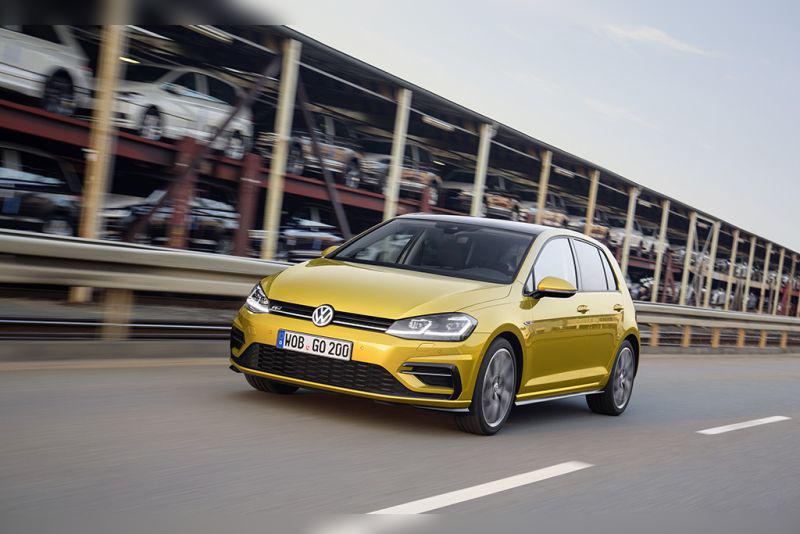
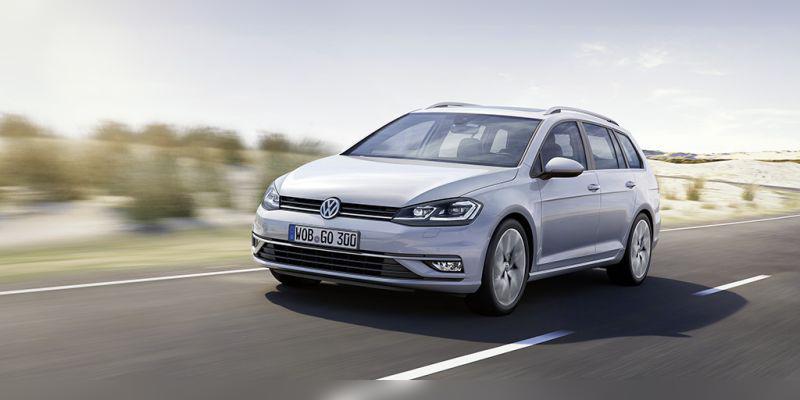
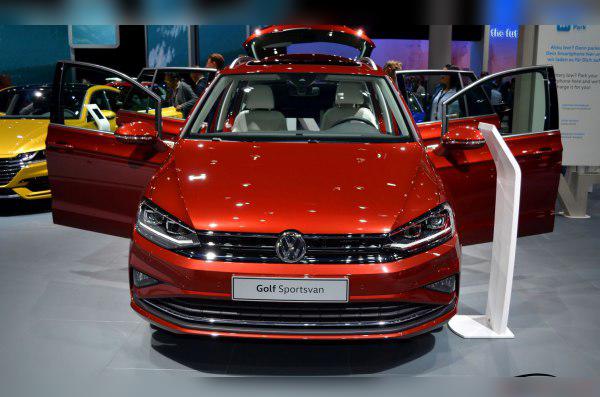
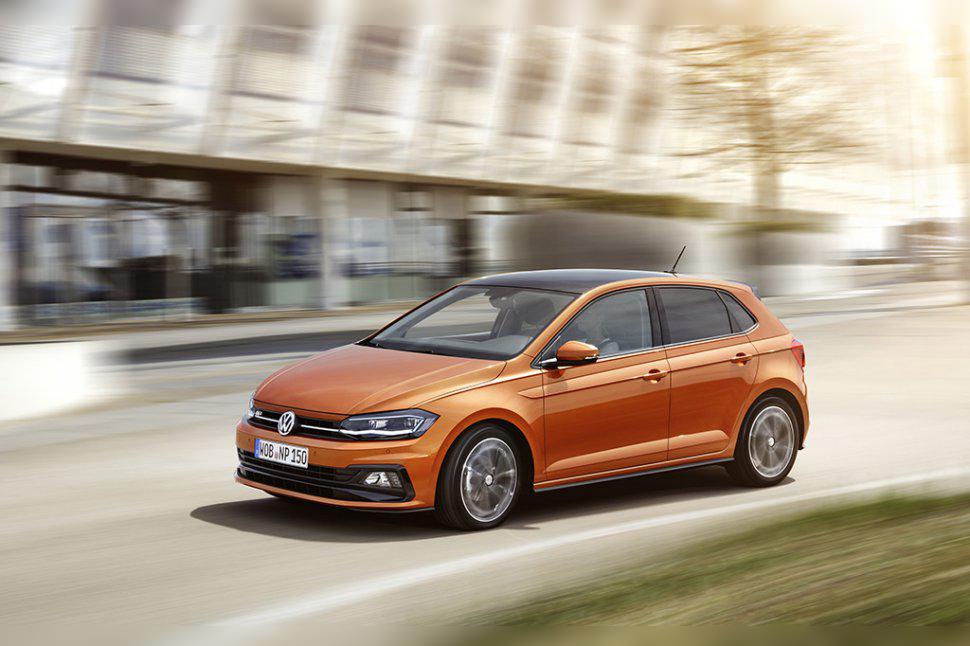
1.0 TSI (DKRA, DKRF) Experiences, Problems, Fuel Consumption and Used Car Buying Guide
Key points (TL;DR)
- Performance above expectations: With 116 hp and 200 Nm, this engine in a Golf or Polo goes surprisingly well and is not as "dead" as many assume just because of its displacement.
- Reliable timing drive: Unlike older TSI engines, this one uses a timing belt which is very durable and reliable.
- Dual-mass flywheel: Yes, this 116 hp version mostly has it, which is a potential expense at higher mileage.
- Direct injection: Great for fuel economy, but requires intake valve carbon cleaning at higher mileage.
- Sensitivity on cold start: Like any three-cylinder, it’s a bit rougher until it warms up, but sound insulation in newer models has largely solved this.
- GPF filter: These engine codes (DKRA, DKRF) come with a gasoline particulate filter (OPF/GPF).
- Recommendation: An excellent choice for city and country roads, perfectly acceptable for motorway use in a Golf-sized body.
Contents
- Introduction and Models
- Technical Specifications
- Reliability and Maintenance
- Specific Parts and Costs
- Fuel Consumption and Performance
- Additional Options and LPG
- Gearbox (Manual and DSG)
- Buying Used and Conclusion
Introduction and Models
The engines with codes DKRA and DKRF represent the pinnacle of Volkswagen Group’s downsizing technology in the 1.0-litre class. This is a three-cylinder turbo petrol engine from the EA211 family. These specific engine codes became standard with the introduction of stricter Euro 6d-TEMP norms, which means they are more modern, cleaner, but also more complex than the first generations of 1.0 TSI engines.
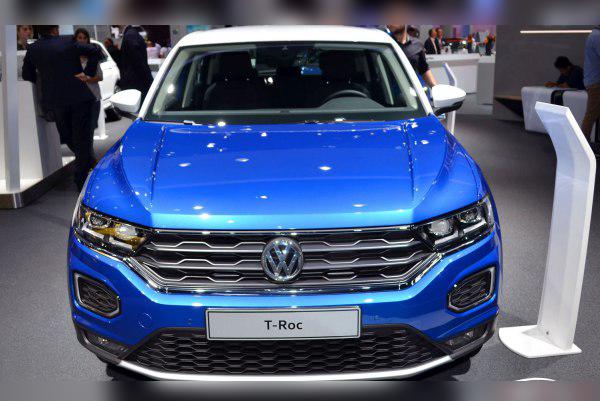
It was installed in a wide range of vehicles, from the city VW Polo, through the people’s favourite Golf VII (facelift), all the way to crossovers such as the VW T-Roc and Seat Ateca. Its task was a tough one – to replace the legendary 1.6 TDI in many aspects, offering similar torque with less noise and cheaper maintenance (in theory).
Technical Specifications
| Specification | Data |
|---|---|
| Displacement | 999 cc (1.0 L) |
| Configuration | R3 (3 cylinders in line) |
| Power | 85 kW (116 hp) at 5000-5500 rpm |
| Torque | 200 Nm at 2000-3500 rpm |
| Engine codes | DKRA, DKRF |
| Injection system | TSI (Direct injection) |
| Timing drive | Timing belt (belt) |
| Charging | Turbocharger + intercooler |
Reliability and Maintenance
Does this engine have a timing belt or a chain?
This engine uses a timing belt. This is a big advantage compared to older EA111 TSI engines which had problematic chains. The belt on EA211 engines is reinforced and designed to last a very long time. The factory replacement interval is often stated as 210,000 km or 10 years (depending on the market), but experienced mechanics recommend the first major inspection and possible replacement at around 150,000 to 180,000 km or after 8 years, for peace of mind.
What are the most common failures on this engine?
The engine is generally reliable, but it has its “weak spots”:
- Water pump and thermostat housing: This is the most common issue. The housing is plastic and deforms over time from heat, which leads to coolant leaks. The symptom is a dropping coolant level in the expansion tank without visible puddles under the car (because the fluid evaporates on the hot block).
- Carbon build-up: Due to direct injection, the intake valves are not “washed” by fuel. Over time, carbon deposits form, which can cause rough idle and a slight loss of power.
- Turbo actuator: The electronic wastegate actuator can sometimes stick, which leads to the “Check Engine” light and loss of power (safe mode).
At what mileage should the major service be done?
As mentioned, the factory interval is too long. For peace of mind, it is recommended to do the major service (replacement of belt, tensioner, water pump) between 160,000 km and 180,000 km. The cost of the major service falls into the category: Moderately expensive (depends on the market).
Oil: quantity, grade and consumption
The engine takes approximately 4.0 litres of oil (always check the exact level while filling). For DKRA/DKRF engines, VW often recommends 0W-20 (VW 508.00 standard) to reduce friction and emissions, especially because they have a GPF filter. 5W-30 (VW 504.00) can also be used if it is allowed in the service booklet for the specific climate region.
Does it consume oil? These engines are not known as heavy oil consumers like some older TSI models. Still, consumption of 0.5 to 1 litre per 10,000 km can be considered acceptable, especially if driven aggressively on the motorway. If it consumes more than that, the turbocharger or piston rings should be checked.
Spark plugs
The spark plugs are iridium or platinum and are replaced every 60,000 km or 4 years. Do not postpone replacement because a bad spark plug can damage the coil (which sits directly on the plug) or even the catalytic converter/GPF due to poor combustion.
Specific Parts (Costs)
Does the engine have a dual-mass flywheel?
Yes. The 116 hp version (unlike the weaker 95 hp version) usually comes with a dual-mass flywheel, especially with the 6-speed manual gearbox or DSG. This is a necessary evil on three-cylinders of this power level to neutralise vibrations and protect the gearbox. The cost of replacing the clutch kit with flywheel is: Expensive (depends on the market).
Injection system and injectors
The system is common-rail direct injection (high pressure). The injectors are generally reliable, but sensitive to poor fuel quality. Injector failure manifests as severe engine misfiring and a flashing glow plug/engine light. Replacing a single injector is a relatively costly repair.
Turbocharger
The engine has a single small turbocharger that spools up very quickly (low inertia). Its lifespan is usually equal to the engine’s lifespan with regular maintenance, i.e. over 200,000 km. It is not prone to sudden catastrophic failures if the oil is changed on time.
GPF filter and EGR
DKRA and DKRF engines have a GPF (Gasoline Particulate Filter), which is the petrol equivalent of a DPF on diesels. Although petrol engines warm up faster, if the car is driven exclusively on very short trips (2-3 km) in winter, the GPF can clog. However, regeneration is much easier and quicker than on diesels – usually 15-20 minutes of driving on an open road is enough. An EGR valve is present and works as part of the recirculation system, but it clogs far less often than on diesels.
AdBlue
This engine does not have an AdBlue system. That is reserved for diesels. Emissions are controlled via the catalytic converter and GPF filter.
Fuel Consumption and Performance
Real-world city consumption
Do not trust the factory figures of 4.5 litres. In real city driving, a Golf VII or T-Roc with this engine will use between 6.5 and 8.0 l/100 km. In heavy stop-and-go traffic and on cold days, this can go up to 9 litres. Still, this is economical for a petrol engine.
Is the engine “lazy”?
This is the biggest misconception. Thanks to the turbo and 200 Nm of torque available from just 2000 rpm, the car pulls surprisingly well. In the Golf and Polo it feels very lively. In heavier vehicles such as the Seat Ateca or Golf Sportsvan, the engine is perfectly adequate for normal driving, and you will feel a lack of power only if the car is fully loaded with passengers and luggage on steep climbs.
Behaviour on the motorway
This is not just a city engine. At 130 km/h in top gear (6th gear or 7th on DSG), the engine spins at around 2800-3000 rpm (depending on gearbox). This means noise is acceptable, and fuel consumption is around 5.8 to 6.8 l/100 km. Top speed is about 200 km/h, which shows it has enough power in reserve for overtaking.
Additional Options and Modifications
LPG installation
Is it possible? Yes. Is it worth it? Probably not. Due to direct injection, a special (expensive) system is required which either injects liquid gas or uses a mixture of petrol and gas (e.g. 80% LPG, 20% petrol) to cool the petrol injectors. The installation cost is: Very expensive (depends on the market), so it only pays off after very high mileage.
Remapping (Stage 1)
This engine responds very well to remapping. A “Stage 1” tune raises power to about 135-140 hp and torque to about 240 Nm. The engine can mechanically handle this well, but keep in mind that the higher torque puts additional stress on the dual-mass flywheel and clutch.
Gearbox
Manual and automatic gearboxes
- Manual: Usually a 6-speed gearbox. Very precise and light to operate.
- Automatic: 7-speed DSG (DQ200). This is a “dry” dual-clutch gearbox.
Most common gearbox issues
- Manual: Very reliable. Failures are rare and usually related to a worn clutch kit.
- DSG (DQ200): This is the more sensitive point. Although versions from 2017 onwards are significantly improved, they still do not like city stop-and-go driving which overheats the clutches. The most common issues are worn clutches (symptom: slipping or juddering when moving off) and mechatronic failure (the gearbox control unit). Mechatronic repair is: Very expensive.
Gearbox service
- Manual: The manufacturer says the oil is “lifetime”, but it is recommended to change it at around 150,000 km.
- DSG (dry): In the gearbox itself, the oil is changed rarely, and there is no separate clutch cooling oil because it is a dry system. However, regular diagnostic clutch adaptation can extend its service life.
Buying Used and Conclusion
When buying a used car with the 1.0 TSI engine, pay attention to the following:
- Noise on cold start: The engine should settle down after about 30 seconds. If you hear metallic rattling or knocking when hot, this may indicate a problem with the flywheel or (less often) the valves.
- Coolant level: Check the expansion tank. If the level is below minimum or you see white dried coolant traces around the engine, the water pump needs replacing.
- DSG behaviour: If you are buying an automatic, the car should start moving smoothly as soon as you release the brake. Any hesitation, thump or judder means the clutch pack or mechatronic is nearing the end of its life.
Conclusion
The 1.0 TSI (116 hp) engine is one of the best small petrol engines on the market. It offers an excellent balance between performance and economy. It is ideal for drivers who cover up to 20,000 km per year, drive a mix of city and open road, and want a car that is cheaper to register and maintain than a diesel. The fear of a “small engine” in these models is unfounded, but the fear of potential DSG gearbox costs at high mileage is very real.
Was this content useful to you?
Your opinion helps us to improve the quality of the content.