CWVB Engine
- Engine
- 1598 cm3
- Aspiration
- Naturally aspirated engine
- Fuel
- Petrol (Gasoline)
- Fuel injection system
- Multi-port manifold injection
- Power
- 90 hp
- Torque
- 155 Nm
- Cylinders
- 4
- Valves
- 16, 4 per cylinder
- Cylinders position
- Inline
- Oil capacity
- 4 l
# Vehicles powered by this engine
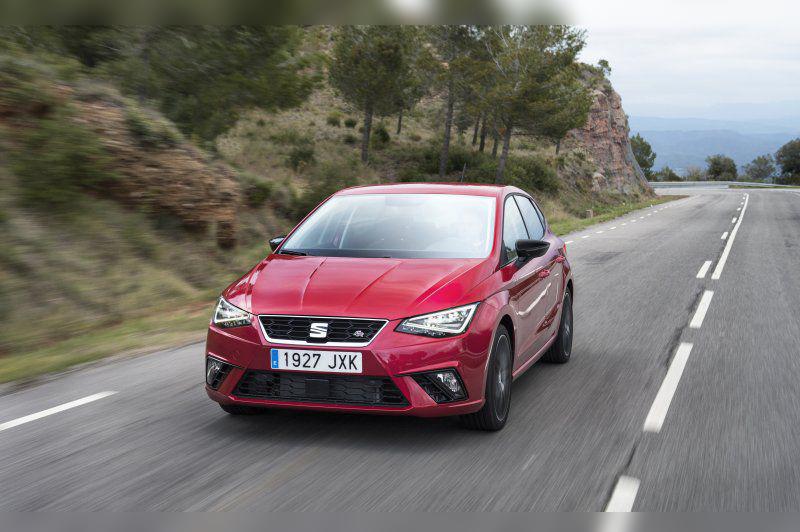
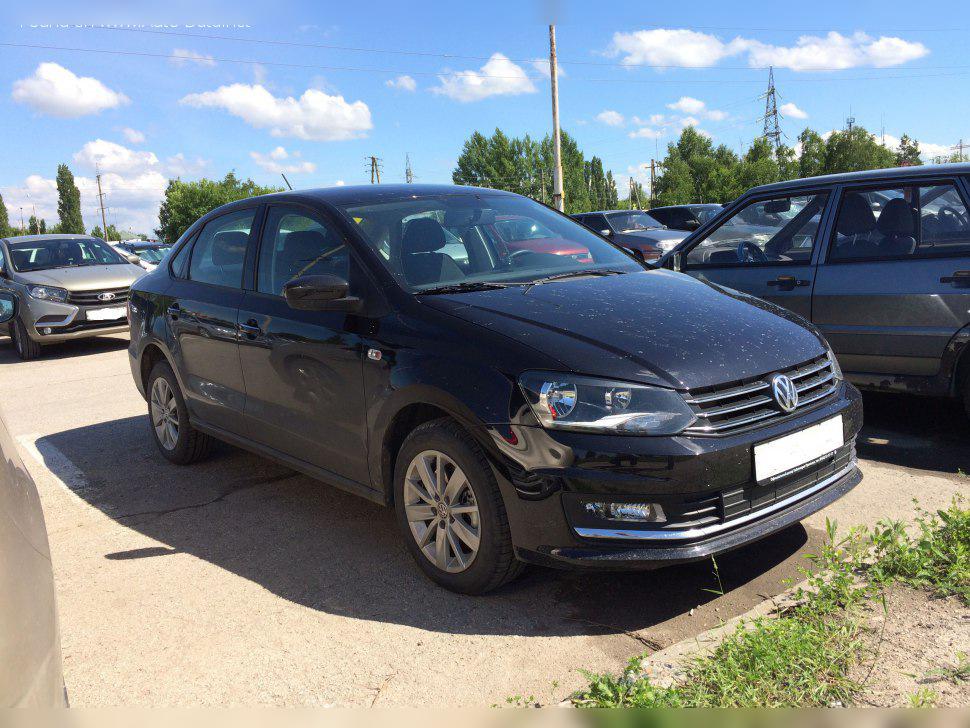
1.6 MPI CWVB (90 hp) – Experiences, problems, fuel consumption and used car buying guide
Key points (TL;DR)
- Design: Belongs to the newer EA211 engine family (aluminium block), it is not the same as the old “indestructible” cast-iron 1.6 engines from Golf 4/5.
- Biggest advantage: Simple MPI injection technology, which makes it ideal for installing LPG.
- Main drawback: Prone to engine oil consumption, even at lower mileage (issues with piston rings and valve guides).
- Maintenance: Very cheap. No turbo, no dual-mass flywheel, no expensive injectors.
- Performance: Sluggish on open roads, really needs a sixth gear for motorway driving. Excellent for city use.
- Recommendation: Buy it if you want a simple car to go from point A to point B and you are willing to check the oil level regularly.
Contents
- Introduction and applications
- Technical specifications
- Reliability and maintenance
- Specific components (costs)
- Fuel consumption and performance
- Additional options (LPG and tuning)
- Gearbox and drivetrain
- Buying used and conclusion
Introduction
The engine designated CWVB is Volkswagen’s answer to market demand for a simple, naturally aspirated petrol engine in a modern body. Although it carries the 1.6 MPI badge that evokes the legendary engines from the 1990s and 2000s, this is a completely different unit from a technical standpoint. It belongs to the EA211 engine series (like the 1.2 TSI and 1.4 TSI), has an aluminium block and an integrated exhaust manifold.
It was primarily installed in models intended for Eastern and developing markets, such as the VW Polo Sedan and Seat Ibiza. The goal was to offer an engine more resistant to poor fuel quality than the sensitive TSI engines, but with modern solutions to reduce weight and exhaust emissions.
Technical specifications
| Specification | Data |
|---|---|
| Engine code | CWVB (EA211 family) |
| Displacement | 1598 cc |
| Power | 66 kW (90 hp) |
| Torque | 155 Nm at 3800–4000 rpm |
| Injection type | MPI (Multi-Point Injection) – indirect |
| Aspiration | Naturally aspirated (no turbo) |
| Cylinders/valves | 4 cylinders / 16 valves |
Reliability and maintenance
Timing belt or chain?
The CWVB engine uses a timing belt to drive the camshaft. This is a change compared to some older TSI engines from the EA111 series, which had problematic chains. The belt on EA211 engines has proven to be very reliable.
Major service
The manufacturer often specifies very long intervals for the first inspection (sometimes over 200,000 km), but real-world experience says otherwise. It is recommended to perform the major service (replacement of belt, tensioner and water pump) at around 120,000 to 150,000 km or every 5 to 6 years, whichever comes first. A snapped belt leads to catastrophic engine failure (pistons hitting valves).
Oil consumption – the Achilles’ heel
This is the most common question and the biggest issue with this engine. Yes, CWVB engines are prone to increased oil consumption. Unlike the old cast-iron 1.6 engines that didn’t burn a drop, these aluminium units can consume from 0.3 to 0.5 litres per 1,000 km, and in extreme cases even more.
The cause lies in the design of the pistons and rings (which are thin to reduce friction), as well as the valve guides. The factory often considers consumption of up to 1 litre per 2,000–3,000 km “technically acceptable”, but for owners this is irritating. Regular dipstick checks are mandatory.
Oil type and capacity
The engine takes approximately 4.0 to 4.2 litres of oil (when changed with the filter). Fully synthetic oil of grade 5W-30 or 5W-40 that meets VW 502.00 standards is recommended. Due to the aforementioned consumption, always keep a spare litre in the boot.
Spark plugs and coils
Spark plugs are replaced every 30,000 to 60,000 km. Standard nickel plugs are cheap. If you run the car on LPG, reduce the interval to 30,000 km. The ignition coils (one per cylinder) can fail; symptoms include rough idle, engine shaking and the “Check Engine” light coming on.
Other common issues
In addition to oil consumption, coolant leaks can occur at the thermostat housing or water pump (which is integrated into a module with the thermostat on some versions). Also, due to oil vapours entering the intake, the throttle body can get dirty, causing unstable idle speed.
Specific components (costs)
Dual-mass flywheel and clutch
Good news: This engine DOES NOT have a dual-mass flywheel. It uses a conventional solid flywheel. The clutch kit (pressure plate, disc, release bearing) is relatively cheap and easy to replace. This significantly reduces maintenance costs compared to diesels.
Fuel injection system and turbo
The engine uses MPI injection. The injectors are simple, operate at low pressure and very rarely cause problems. They are not as sensitive to poor-quality fuel as FSI/TSI injectors. Also, the engine does not have a turbocharger, which means one (expensive) worry less.
EGR and DPF
As a petrol engine, this unit does not have a DPF filter. It has a catalytic converter, which can fail if the engine burns too much oil (burnt oil clogs the catalyst honeycomb). There is no EGR valve as a separate component in the way we know it on diesels, because exhaust gas recirculation is handled by variable valve timing (internal recirculation), a system that does not fail or clog.
AdBlue
This engine does not have an AdBlue system.
Fuel consumption and performance
Real-world fuel consumption
- City driving: Expect between 7.5 and 9.5 l/100 km. In heavy traffic with the A/C on, it can exceed 10 litres. It is not a “fuel saver” in the city.
- Open road (secondary roads): This is where it is most economical, with consumption dropping to around 5.5–6.5 l/100 km.
- Motorway (130 km/h): Due to the lack of a sixth gear and the naturally aspirated design, consumption rises to around 7.0–8.0 l/100 km.
Is the engine “lazy”?
With 155 Nm of torque available only at higher revs (around 3800 rpm), this engine needs to be “revved” to pull properly. In a Seat Ibiza or Polo Sedan body, the engine is perfectly adequate for city driving. However, if you load the car with passengers and luggage and turn on the A/C, you will feel the lack of power, especially uphill. Overtaking requires downshifting and full throttle.
Motorway and noise
At 130 km/h in fifth gear, the engine spins at a high 3,500 to 4,000 rpm (depending on the gearbox). This creates noise in the cabin and increases fuel consumption. It is not an ideal long-distance cruiser, but it will do the job.
Additional options and modifications
LPG conversion
This is an ideal engine for LPG. Thanks to the MPI injection system, installation is simple, cheap (standard sequential systems) and cost-effective. There is no need for expensive systems for direct injection. The valves are relatively durable, but a quality system with good mapping is recommended. The tank usually goes in the spare wheel well.
Remapping (Stage 1)
Since this is a naturally aspirated engine, remapping is a waste of money. You might gain 5 to 8 hp and a slightly better throttle response, but you will not feel a real difference in everyday driving. It is better to invest that money in quality tyres or a full major service.
Gearbox
Manual gearbox
Most commonly paired with a 5-speed manual gearbox (code MQ200). The gearbox is precise and light to use. The most common issues are worn bearings at high mileage (whining noise). Although VW calls the gearbox oil “lifetime”, it should be changed every 80,000 to 100,000 km to extend bearing life.
Automatic gearbox
Depending on the market, this engine was paired with a conventional 6-speed automatic (Aisin) or, more rarely, with a DSG gearbox. The conventional automatic is very reliable but slow and increases fuel consumption by about 1 litre. If you have an automatic, oil and filter changes are mandatory every 60,000 km. The cost of servicing the automatic is moderate (varies by market).
Buying used and conclusion
What to check before buying?
- Engine noise on cold start: Listen for piston “knocking” (so-called piston slap). This is a sign of worn pistons/cylinders. The noise should disappear once the engine warms up, but if it is loud, walk away from that car.
- Oil level: Pull out the dipstick. If the level is at minimum or below, the owner probably does not keep track of oil consumption.
- Exhaust: Check whether bluish smoke comes out of the exhaust when you rev the engine. This is a sure sign that the engine is burning oil. A sooty exhaust tip is also an indicator.
- Service history: Check whether the major service (timing belt) has been done.
Final verdict
The 1.6 MPI CWVB engine is a double-edged sword. On one hand, it offers simplicity, low maintenance costs and the possibility of cheap driving on LPG. On the other hand, the risk of high oil consumption is real and can lead to expensive repairs (partial engine overhaul).
This engine is intended for drivers who cover a lot of kilometres in the city (taxis, delivery) and want to install LPG, as well as for those who are afraid of turbo failures and expensive injectors, but are willing to check and top up the oil regularly.
Was this content useful to you?
Your opinion helps us to improve the quality of the content.