CHYB Engine
- Engine
- 999 cm3
- Aspiration
- Naturally aspirated engine
- Fuel
- Petrol (Gasoline)
- Fuel injection system
- Multi-port manifold injection
- Power
- 75 hp @ 6200 rpm
- Torque
- 95 Nm @ 3000 rpm
- Cylinders
- 3
- Valves
- 12, 4 per cylinder
- Cylinders position
- Inline
- Valvetrain
- DOHC
- Oil capacity
- 3.4 l
- Coolant
- 4.2 l
- Systems
- Particulate filter
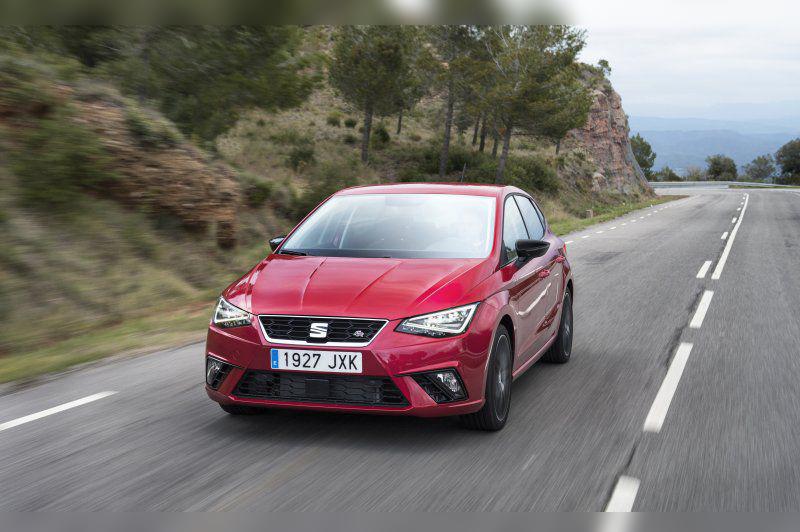
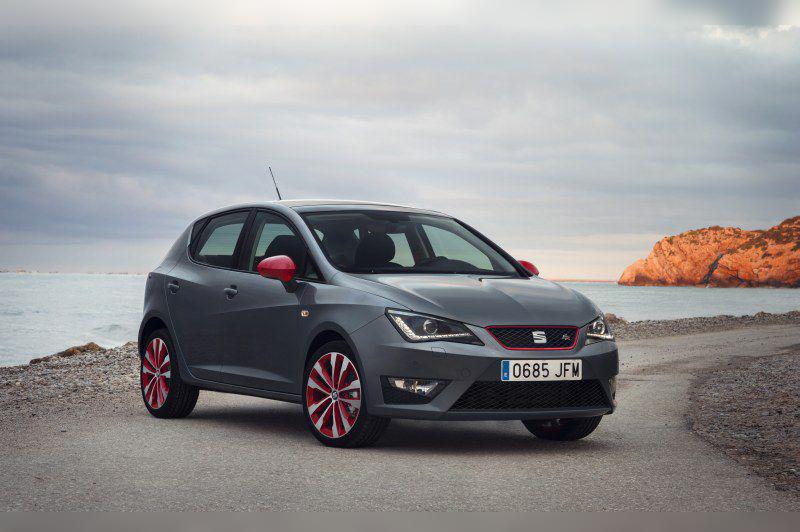
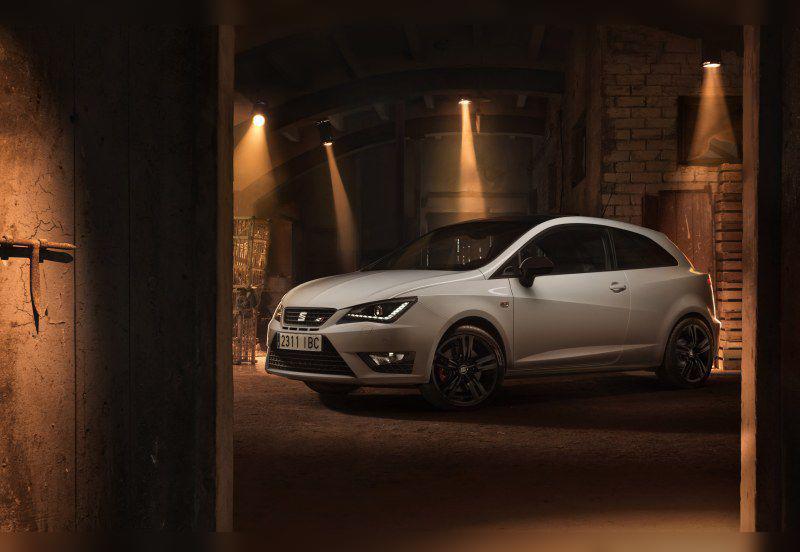
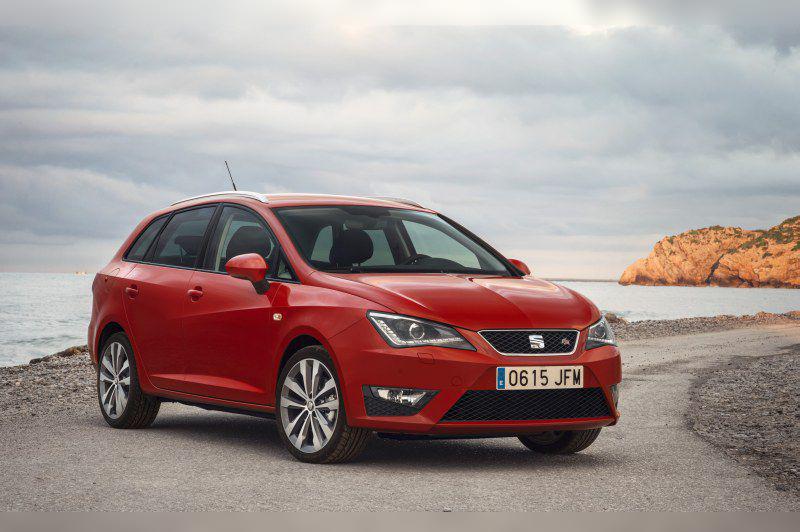
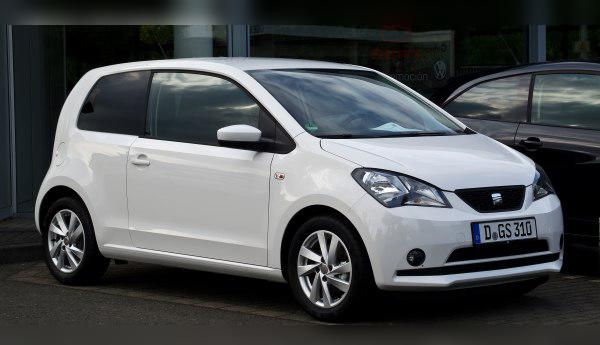
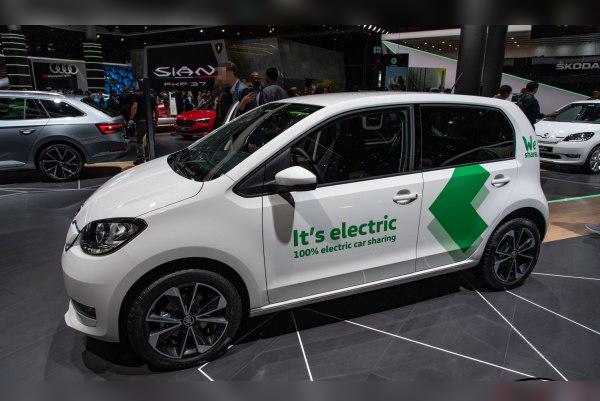
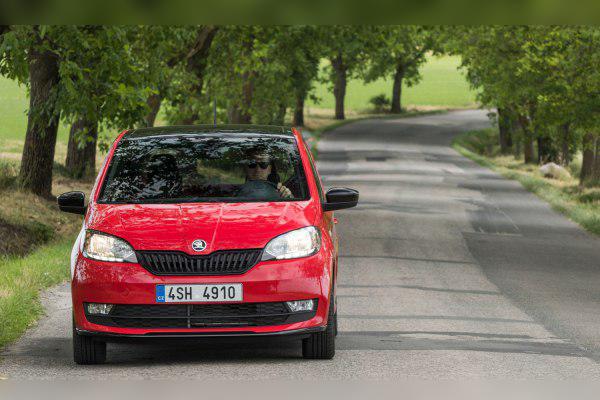
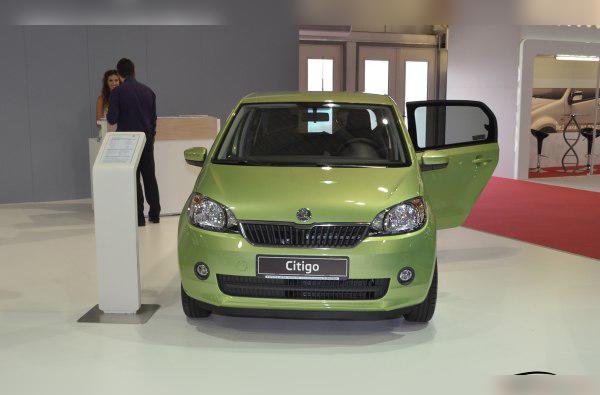
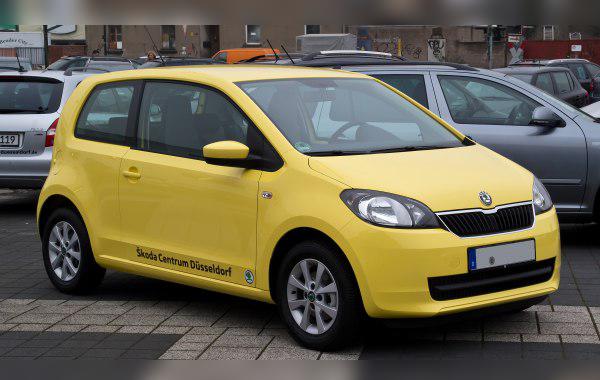
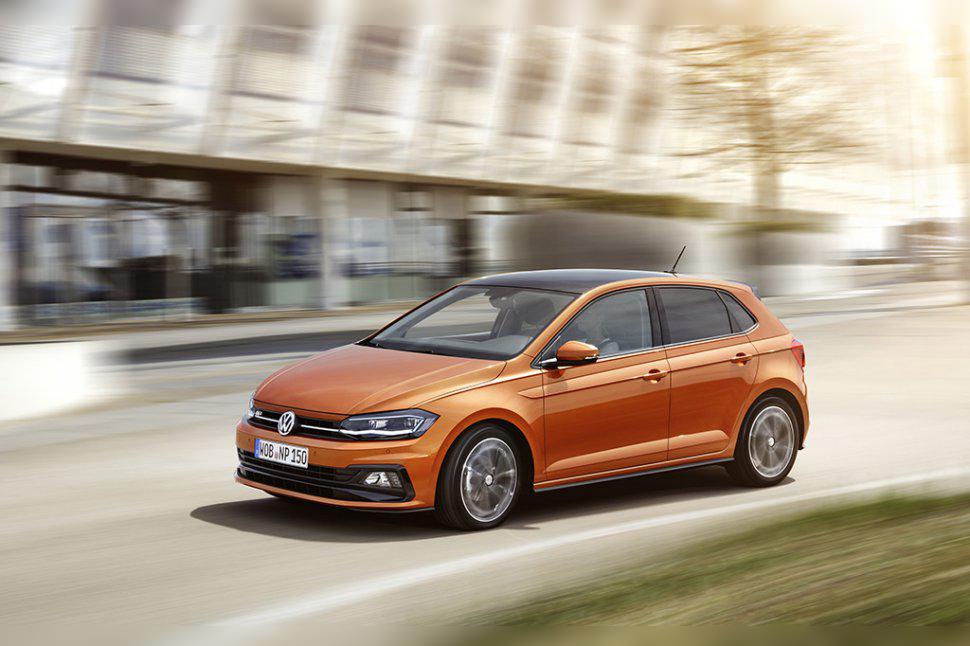
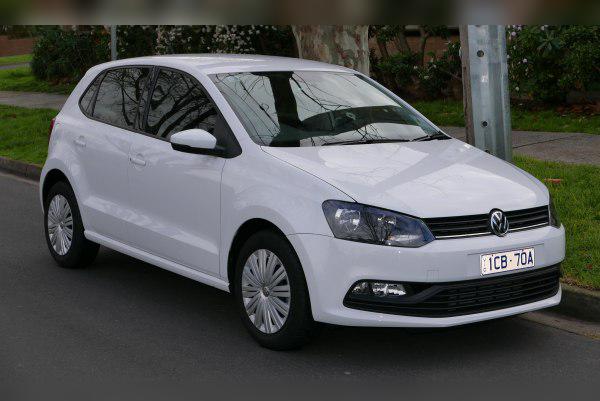
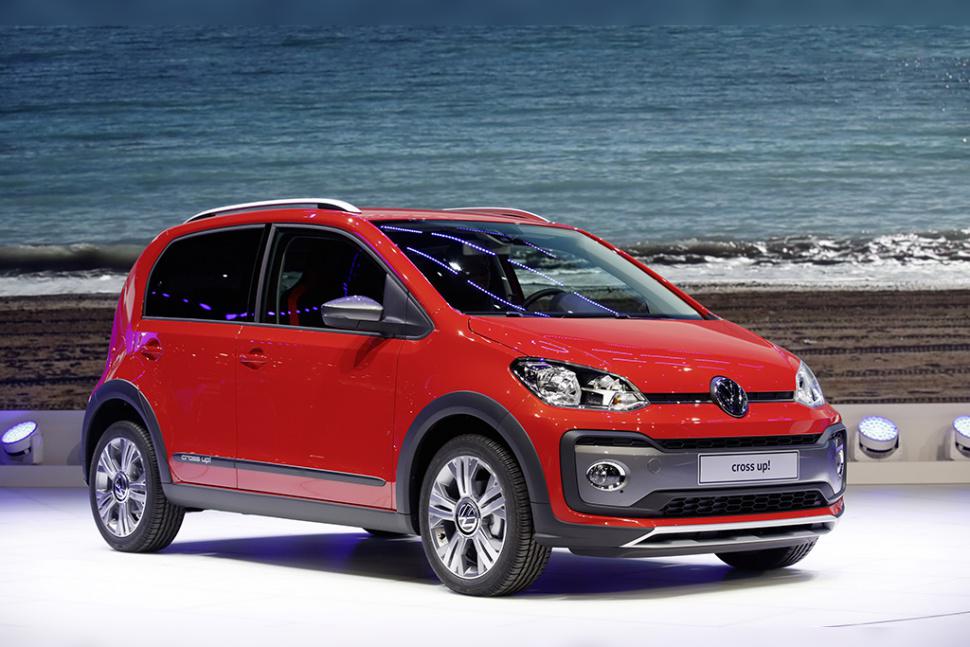
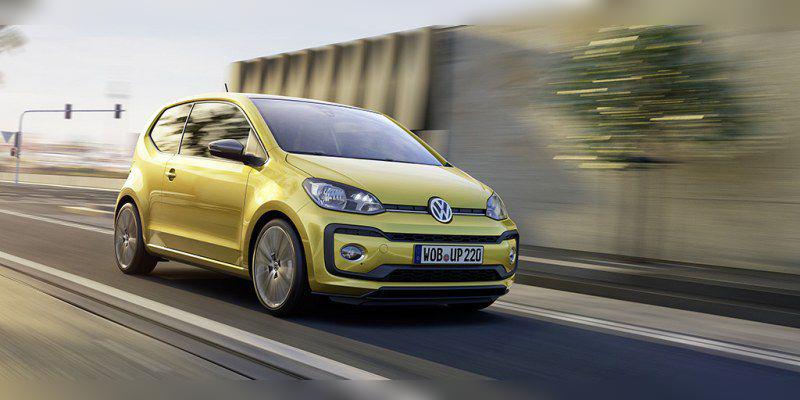
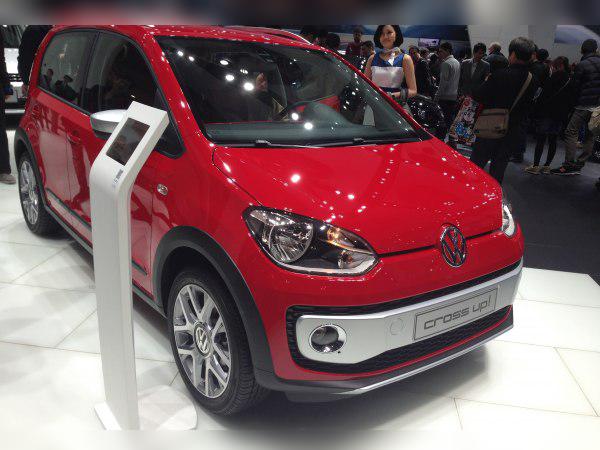
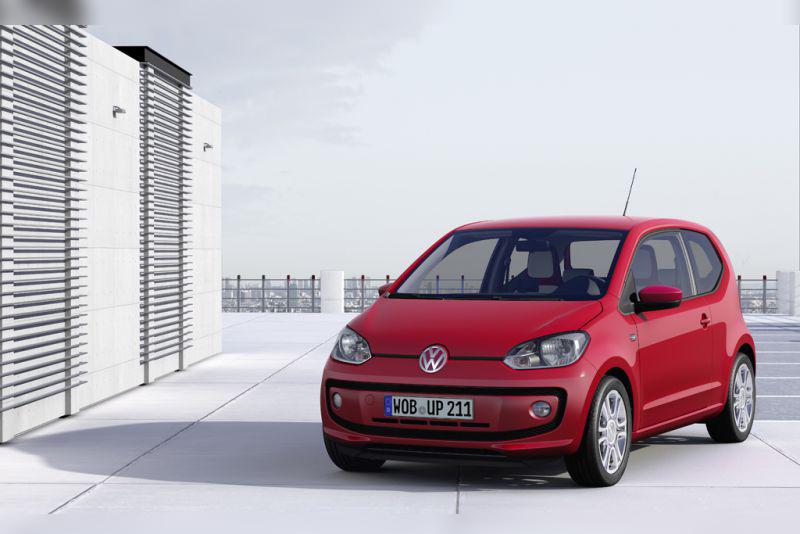
# Vehicles powered by this engine
TL;DR – Key Takeaways
- Perfect for the city: This engine is the king of urban traffic – economical, warms up quickly and agile enough for stop-and-go driving.
- Simple construction: No turbocharger, no dual-mass flywheel, no DPF – which means drastically cheaper maintenance.
- Reliability: Part of the EA211 family, which fixed the issues of older engines. A very reliable unit.
- Highway is not its playground: At 130 km/h the engine runs at high revs, it’s noisy and fuel consumption is higher than in the city.
- Gearbox (Warning): The manual gearbox is excellent, but avoid the ASG (robotised) gearbox if you want smooth driving.
- LPG (Autogas): One of the few modern engines that is perfect for LPG conversion.
VW / Seat / Škoda 1.0 MPI (CHYB) – 75 HP: Real-world experience, fuel consumption and maintenance
Article contents:
- Introduction and applications
- Technical specifications
- Reliability and maintenance
- Specific parts and costs
- Fuel consumption and performance
- Gearbox: Manual vs ASG
- LPG and tuning
- Conclusion and buying advice
Introduction: A small giant from the VAG group
The engine with the code CHYB is a three-cylinder petrol unit from Volkswagen’s modern EA211 series. This is the engine that practically powered the entire “New Small Family” platform (VW Up!, Škoda Citigo, Seat Mii), but it was also used in larger B-segment models as the basic entry-level option (Polo, Ibiza). With its 75 horsepower, this is the more powerful version of the 1.0 MPI engine (the weaker one has 60 HP), and the difference is most noticeable on open roads.
Unlike its TSI relatives, this engine does not have a turbocharger. It’s “old school” in a new package – a naturally aspirated petrol engine designed to be cheap to produce and, more importantly for you, cheap to maintain. It’s intended for drivers who value simplicity and don’t cover large mileages on the motorway.
Technical specifications
| Specification | Data |
|---|---|
| Engine displacement | 999 cc (1.0 L) |
| Configuration | R3 (3 cylinders in-line) |
| Power | 55 kW (75 HP) at 6200 rpm |
| Torque | 95 Nm at 3000–4300 rpm |
| Engine code | CHYB |
| Injection type | MPI (Multi-Point Injection) – Indirect |
| Aspiration | Naturally aspirated – No turbo |
| Camshaft drive | Timing belt |
Reliability and maintenance
Timing belt or chain?
Unlike older 1.2 engines that had problematic chains, the CHYB engine uses a timing belt. This is a big advantage of the EA211 series. The belt is designed to last a very long time. VW often states that the belt is “lifetime” or that it should only be inspected at 240,000 km, but real-world experience and common sense say otherwise.
Mechanics’ recommendation: Although the belt is durable, it’s recommended to replace the timing kit (belt, tensioners) every 180,000 km to 210,000 km or at the latest after 10 years of vehicle age, whichever comes first. Rubber ages regardless of mileage.
Most common issues
This engine is extremely reliable, but there are a few specific points to keep an eye on:
- Thermostat housing and water pump: This is the most common “weak spot”. The water pump and thermostat are integrated into a module made of plastic. Over time, the plastic can crack or the seals can fail, leading to coolant leaks. If you notice the coolant level dropping, this is suspect number one.
- Oil pressure sensor: It can sometimes give false readings or leak oil, which is a cheap fix but can scare the driver when the warning light comes on.
- Idle vibrations: Since this is a three-cylinder, mild vibrations are normal. However, if vibrations are strong, check the engine mounts (they often suffer in city driving).
Service intervals and oil
Minor service: Recommended every 15,000 km or once a year. Avoid “Long Life” intervals of 30,000 km if you mostly drive in the city – that kills the engine in the long run.
Oil quantity and type: The sump holds relatively little oil, about 3.4 to 3.6 litres (always buy 4 litres). The recommended viscosity is usually 5W-30 or 0W-20 (check the exact spec in the owner’s manual, typically VW 502.00 or VW 504.00).
Oil consumption: CHYB engines generally do not consume oil in worrying amounts like some older TSI engines. Consumption up to 0.5 litres per 10,000 km is completely acceptable, especially if the car is driven more aggressively on the motorway.
Spark plugs
Since this is a petrol engine, spark plugs are crucial. They should be replaced every 60,000 km. If you mainly drive in the city, I recommend checking them earlier (at 40–50k km), because bad plugs can put extra strain on the ignition coils (which sit directly on the plugs).
Specific parts (Costs)
Here we come to the biggest advantage of this engine – all the things it DOESN’T HAVE, and therefore cannot break.
- Dual-mass flywheel: NONE. This engine uses a conventional solid flywheel. The clutch kit is simple and relatively cheap to replace (depends on the market, but it falls into the “affordable repair” category).
- Turbocharger: NONE. No turbo, no intercooler, no expensive boost-related failures.
- Fuel injection system: It uses MPI (Multi-Point Injection) injectors that spray fuel into the intake manifold, not directly into the cylinder. These injectors are very robust, tolerant of poorer fuel quality and rarely fail. There are no issues with carbon build-up on the valves like with TSI (GDI) engines.
- EGR and DPF: Being a petrol engine, it has no DPF filter. It does have a catalytic converter, which can fail if the car is driven with bad spark plugs or coils (unburnt fuel reaches the exhaust). EGR function is often handled via variable valve timing (VVT), so the classic EGR valve that clogs up is not a primary issue here.
- AdBlue: NONE. This is a petrol engine; AdBlue is only used on diesel engines.
Fuel consumption and performance
City driving
This is home turf for the CHYB engine. Real-world city consumption is between 5.5 and 6.5 l/100 km, depending on how heavy your right foot is and how bad the traffic is. In models like the VW Up! or Škoda Citigo, the engine feels very lively up to 60 km/h thanks to short gearbox ratios.
Is it “sluggish”?
The answer depends on the body style:
- VW Up! / Citigo / Mii: Not sluggish. Perfectly adequate. With a car weight under 1000 kg, 75 HP is just right.
- VW Polo / Seat Ibiza: Here you can feel the lack of torque. With 95 Nm, overtakes require planning, dropping a gear and full throttle. If the car is full of passengers and luggage, uphill sections will be a challenge.
Motorway (130 km/h)
This is not an engine for long motorway journeys, even though it can handle them. At 130 km/h in fifth gear, the engine spins at around 3,500 to 4,000 rpm (depending on the model). It becomes noisy, and fuel consumption rises disproportionately to speed, often reaching 7.0–7.5 l/100 km. It really misses a sixth gear to bring the revs down.
Additional options and modifications
LPG conversion
YES, absolutely. This is one of the best modern engines for LPG conversion. Thanks to the MPI injection system, installation is simple (a “regular” sequential system), cheaper than on TSI engines, and the engine handles LPG very well. If you plan to cover high mileage, this is a cost-effective investment. Just make sure you replace the spark plugs regularly.
Remapping (Tuning)
Not recommended / Not worth it. Since the engine is naturally aspirated (no turbo), a Stage 1 remap might give you 3 to 5 HP, which you won’t really feel in everyday driving. A waste of money. The only real difference between the 60 HP and 75 HP versions is the software and map that allows the engine to rev higher and “breathe” better at high rpm, but pushing it beyond the factory 75 HP electronically doesn’t bring meaningful results.
Gearbox: Manual vs ASG (Robotised)
This engine comes with two types of transmission, and your choice is crucial for how happy you’ll be with the car.
Manual gearbox (5-speed)
This is the standard choice. The gearbox is precise, light to operate and very reliable. The gearbox code is usually from the MQ200 series. Failures are rare, and according to factory data the oil is “lifetime”, but I recommend changing it every 100,000 km to preserve the synchros.
ASG (Automated Shift Gearbox) / Robotised gearbox
Often listed in the specs as “Auto” or “ASG”, this is NOT a conventional automatic, nor is it a sophisticated DSG. It is actually a manual gearbox with “robots” (electric actuators) that press the clutch and change gears instead of you.
- Behaviour and feel: Driving is often jerky. Gear changes are slow and accompanied by unpleasant rocking (“nodding”) of the passengers.
- Failures: Actuators (robots) can fail, and the clutch disc wears out faster than with a good driver using a manual gearbox.
- Recommendation: Avoid the ASG gearbox unless you are medically required to drive an automatic. Repairs can be expensive and the driving experience is poor.
Buying used and conclusion
Before buying a used car with the CHYB engine, pay attention to:
- Noise on cold start: The engine should run smoothly. A bit of “chuffing” is normal for a 3-cylinder, but metallic noises are not.
- Signs of coolant leaks: Look around the engine (on the left side when viewed from the front) for pink/reddish traces of dried coolant on the plastic thermostat housing.
- Clutch: It should be light. If it bites very high, it’s near the end of its life.
Conclusion: The VW 1.0 MPI (CHYB) is a champion of rationality. If you need a car for the city, commuting, food delivery or as a first car for a beginner – it’s a bullseye. Maintenance is laughably cheap compared to diesels or more complex TSI petrol engines. However, if you often drive on the motorway or plan family trips with a full boot in a model like the Ibiza ST (estate), look for a more powerful 1.2 TSI or 1.0 TSI version, because these 75 HP will quickly feel insufficient.
Was this content useful to you?
Your opinion helps us to improve the quality of the content.