CUSA Engine
- Engine
- 1422 cm3
- Aspiration
- Turbocharger, Intercooler
- Fuel
- Diesel
- Fuel injection system
- Diesel Commonrail
- Power
- 75 hp @ 3500 rpm
- Torque
- 210 Nm
- Cylinders
- 3
- Valves
- 12, 4 per cylinder
- Cylinders position
- Inline
- Oil capacity
- 4.1 l
- Coolant
- 8 l
- Systems
- Particulate filter
# Vehicles powered by this engine
1.4 TDI (CUSA) – Experiences, issues, fuel consumption and used car buying guide
Key points (TL;DR)
- Extremely low fuel consumption: One of the most economical engines on the market, ideal for city driving.
- Refinement (3 cylinders): Although more modern than the old PD engines, it still has noticeable vibrations and the characteristic “coffee grinder” sound.
- Water pump: The biggest weak point of this engine. It has a variable system that tends to seize and cause overheating.
- Expensive emission systems: As a Euro 6 engine, it has a complex EGR/DPF module that is expensive to replace.
- Dual mass flywheel: Yes, even this 75 hp version usually has one to reduce three-cylinder vibrations.
- Recommendation: Excellent for city and country roads, tiring for long motorway trips.
Contents
- Introduction and applications
- Technical specifications
- Reliability and maintenance
- Specific parts (costs)
- Fuel consumption and performance
- Additional options and modifications
- Gearbox
- Buying used and conclusion
Introduction and applications
The engine with the code CUSA belongs to Volkswagen’s modern EA288 family of diesel engines. It is a three-cylinder 1.4 TDI unit that came as a replacement for the old 1.2 TDI and partially for the 1.6 TDI in smaller cars. Unlike its predecessors (the famous and noisy “pumpe-düse” 1.4 TDI engines), this engine uses a Common Rail injection system and has an aluminum block, which makes it lighter and quieter, but it still retains the characteristic three-cylinder sound.
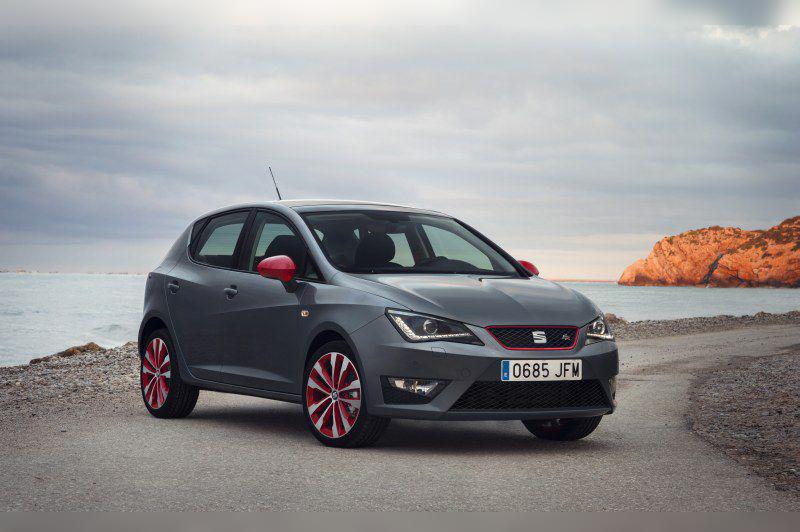
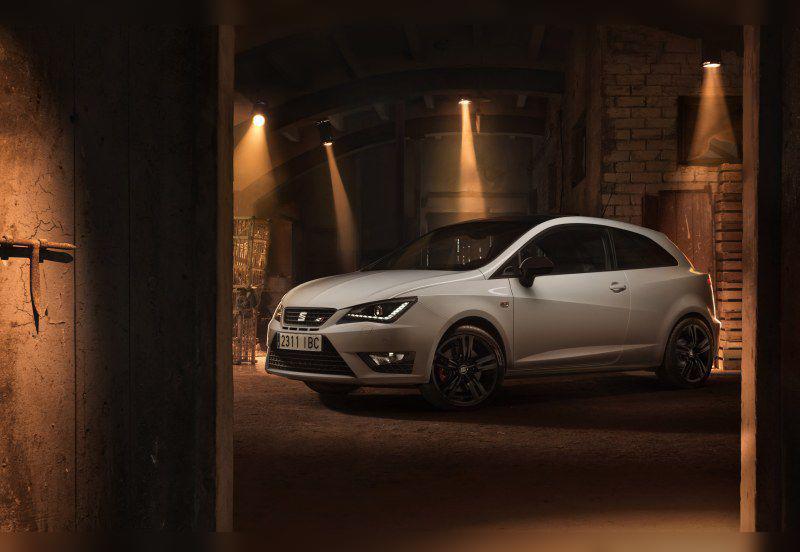
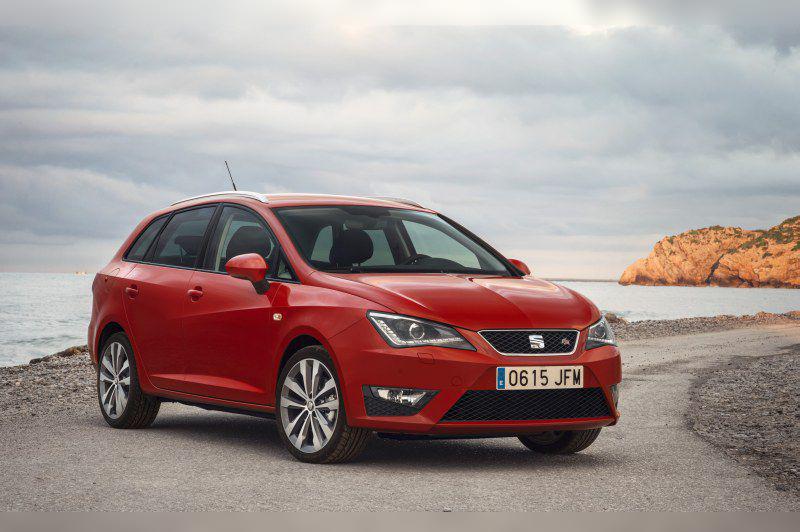
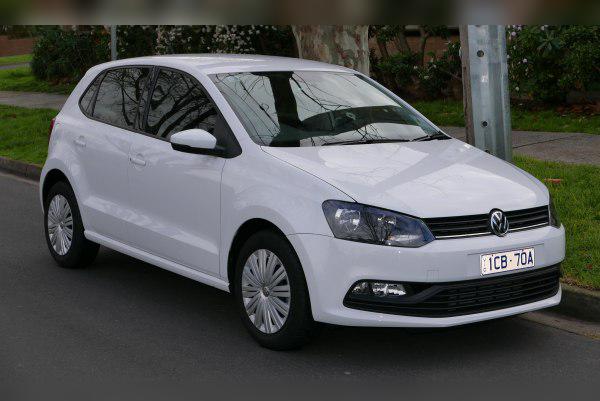
It was primarily installed in the facelifted versions of the VW Polo (V) and Seat Ibiza (IV) from 2014/2015 onwards. Its purpose is clear: to meet strict Euro 6 standards with minimal fuel consumption in urban conditions.
Technical specifications
| Displacement | 1422 cc (1.4 L) |
| Configuration | Inline, 3 cylinders, 12 valves |
| Power | 55 kW (75 hp) at 3000–3750 rpm |
| Torque | 210 Nm at 1750–2000 rpm |
| Engine code | CUSA |
| Injection system | Common Rail (Delphi solenoid injectors) |
| Charging type | Turbocharger with intercooler (water-cooled) |
| Block material | Aluminum |
Reliability and maintenance
Timing belt or chain?
The CUSA engine uses a timing belt to drive the camshafts. This is good news because the system is quieter and generally more reliable than the problematic chains on some older TSI engines. However, there is also a small belt that drives the oil pump (the so‑called “wet belt” because it runs in oil), which should be monitored at high mileages.
Most common failures
Although the engine is mechanically durable (pistons, rings), the peripherals can cause problems:
- Water pump: This is problem number one. The pump has an electronically controlled “shroud” that slides over the impeller to help the engine warm up faster. This mechanism often seizes, which leads to engine overheating. Symptoms are a sudden rise in temperature on the gauge cluster or loss of coolant.
- Oil leaks: Often occur at the valve cover or crankshaft seals.
- Sensors: DPF differential pressure sensors often fail, triggering the “Check Engine” light.
Major service
The manufacturer (Volkswagen) states an optimistic interval of 210,000 km for timing belt replacement. I strongly advise against this. As an experienced technical editor, I recommend doing the major service between 150,000 and 160,000 km or every 5 to 7 years, whichever comes first. The risk of the belt snapping and destroying the engine is not worth the savings.
Oil: quantity and consumption
The engine takes approximately 3.8 to 4.2 liters of oil (depending on whether you also change the filter, but always buy 5 liters). You must use 5W-30 oil with the VW 507.00 specification (Low SAPS) because of the DPF filter.
As for oil consumption, these engines are decent. Consumption up to 0.5 liters per 10,000 km is acceptable. If the oil level rises on the dipstick, it is a sign that the DPF is not regenerating properly and that fuel is entering the sump – this requires an urgent visit to a workshop because diluted oil destroys the turbo and bearings.
Injectors
This engine uses a Delphi injection system. The injectors are sensitive to poor fuel quality. Their typical lifespan is around 200,000–250,000 km, but they can fail earlier. Symptoms of bad injectors are: rough idle, increased smoke, hard starting and rattling under load. Delphi injectors can be overhauled, but it is not cheap (it depends on the market, but expect a “medium‑expensive” repair).
Specific parts (costs)
Dual mass flywheel
Yes, despite the modest 75 hp output, the 1.4 TDI (CUSA) in most cases has a dual mass flywheel. The reason is not huge torque, but the need to smooth out the strong vibrations produced by the three‑cylinder engine. Replacing the clutch kit together with the flywheel is a costly investment relative to the value of the car.
Turbocharger
The engine has a single turbocharger. On the 75 hp version it is relatively simple in design (often with a wastegate, although newer series have variable geometry for quicker response). Service life is long (over 200,000 km) if the oil is changed regularly and the engine is not switched off immediately after hard driving.
DPF filter and EGR valve
This is a sore point for city driving. The CUSA engine has an integrated module where the EGR cooler and DPF filter are packed together right next to the engine. This allows quick warm‑up and efficiency, but if it clogs or the EGR cooler starts leaking (which happens), the repair is complicated and expensive because the whole assembly is often replaced or requires many labor hours for removal.
AdBlue
Most Polo and Ibiza models with this CUSA engine meet Euro 6 standards using LNT (Lean NOx Trap) technology, which means they do not have an AdBlue system. However, this depends on the specific market and year of production. The easiest way to check is to open the fuel filler flap – if there is no smaller blue cap next to the diesel filler, you do not have AdBlue. That is one less maintenance concern.
Fuel consumption and performance
Real‑world fuel consumption
- City driving: Expect between 4.8 and 5.8 l/100 km. In heavy winter traffic it can go up to 6.5 liters, but rarely above that.
- Open road: This is where the engine shines. At 80–90 km/h, consumption drops to a ridiculous 3.5 to 4.0 l/100 km.
- Motorway (130 km/h): Consumption rises to around 5.5–6.0 l/100 km due to higher air resistance and the lack of a sixth gear.
Is the engine “sluggish”?
For city driving – it is not sluggish. The 210 Nm of torque is available low down, which makes the car “jump” off the lights. However, power drops off sharply above 3500 rpm. For a Polo or Ibiza body, this is more than enough for everyday use.
Behaviour on the motorway
The limits are noticeable on the motorway. With a 5‑speed gearbox, at 130 km/h the engine spins at around 2600–2800 rpm (depending on tyres and gearbox), which creates noise in the cabin. Overtaking at speeds above 110 km/h requires patience and often a downshift to fourth. It is not an ideal cruiser for long journeys.
Additional options and modifications
Remapping (Stage 1)
This engine is very suitable for a Stage 1 remap. Since it is hardware‑wise very similar (or identical) to the more powerful 90 hp or 105 hp versions, by increasing power via software you can safely get around 100 to 105 hp and about 250 Nm of torque.
Note: Remapping can put additional stress on the clutch and flywheel, so it is recommended only if those components are in good condition.
Gearbox
Types of gearboxes
The CUSA engine is most commonly paired with a 5‑speed manual gearbox (MQ250 series or similar). There is also an option with a DSG automatic gearbox (7‑speed, dry clutch, DQ200), but it is rarer with this weakest engine version.
Most common failures
- Manual: Very reliable. Problems are rare, usually limited to oil leaks at the driveshaft seals. The cost of replacing the clutch with the dual mass flywheel is the biggest item (very expensive relative to the car’s value).
- Automatic (DSG): The notorious DQ200. The most common failure is the mechatronics unit and wear of the clutch packs. If you are buying an automatic, be sure to check whether it “jerks” when setting off or shifts hesitantly. DSG repairs are extremely expensive.
Gearbox service
For the manual gearbox, VW says the oil is “lifetime fill”. From experience, I recommend changing the oil every 100,000 km (it takes about 2 liters of quality 75W oil). For the DSG gearbox, although it is a “dry” unit, it is also advisable to check and, if necessary, replace the oil in the mechatronics and gear section at a specialist, but it is not as strictly prescribed as with “wet” DSG gearboxes.
Buying used and conclusion
If you are looking at a Seat Ibiza or VW Polo with the CUSA engine, here is what you must check:
- Cold start: Listen to the engine when it is cold. Rattling from the oil pump drive or metallic knocking from the injectors is a bad sign.
- Air conditioning and heating: Check whether the heater works properly. If it does not, or if the engine temperature fluctuates, the water pump is probably faulty.
- Idle vibrations: If the whole car shakes or you hear a thump when switching the engine off (without pressing the clutch), the dual mass flywheel is near the end of its life.
- Exhaust: The exhaust tip should be clean (without black soot) because the DPF filter should trap all particles. Black exhaust = damaged or removed DPF.
Conclusion:
The 1.4 TDI (CUSA) engine is a fuel economy champion. It is intended for drivers who cover 15,000+ km per year, mostly in city and suburban driving, and want a more modern car (2015+). It is not for those who seek a quiet cabin or sporty performance. If you can live with a rougher engine note and the potential cost of replacing the dual mass flywheel, this engine will reward you with extremely rare visits to the fuel station.
Was this content useful to you?
Your opinion helps us to improve the quality of the content.