CHZC Engine
Last Updated:
- Engine
- 999 cm3
- Aspiration
- Turbocharger, Intercooler
- Fuel
- Petrol (Gasoline)
- Fuel injection system
- Direct injection
- Power
- 110 hp @ 5000 rpm
- Torque
- 200 Nm @ 2000 rpm
- Cylinders
- 3
- Valves
- 12, 4 per cylinder
- Cylinders position
- Inline
- Valvetrain
- DOHC
- Oil capacity
- 4 l
- Coolant
- 8 l
- Systems
- Particulate filter
# Vehicles powered by this engine

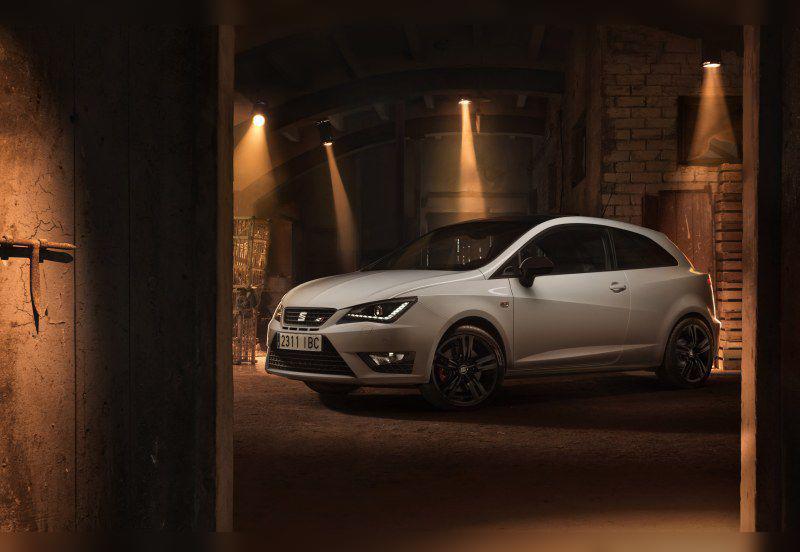




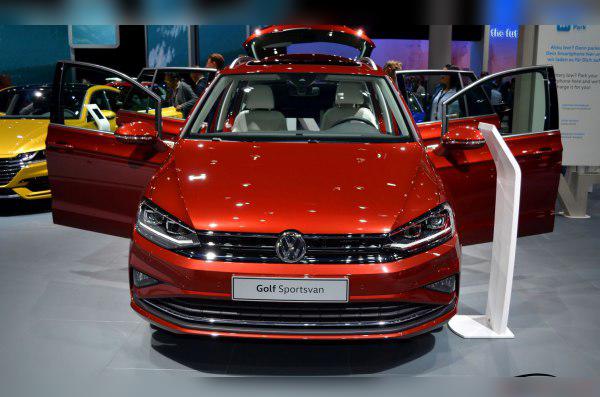

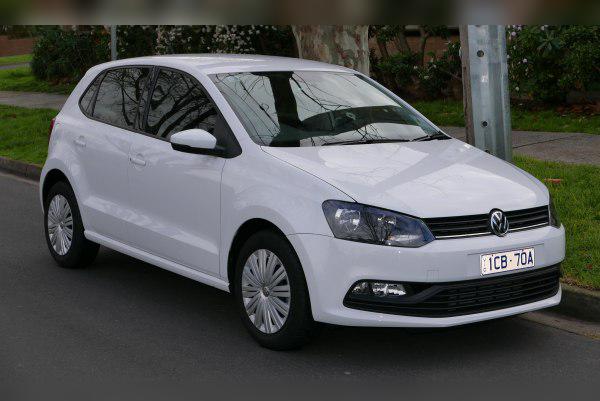

Most important in short (TL;DR)
- Downsizing that works: This is a modern three-cylinder engine (EA211 series) that is drastically more reliable than the old 1.2 and 1.4 TSI chain-driven engines.
- Timing belt: The engine uses a timing belt instead of a chain, which reduced noise and eliminated the catastrophic failures of earlier generations.
- Performance above expectations: With 110 hp and 200 Nm, this “little guy” goes surprisingly well, especially in lighter bodies (Polo, Ibiza).
- Main weak point – Water pump: The thermostat housing and water pump are a weak spot and prone to coolant leaks.
- Oil consumption: Not as pronounced as on older models, but regular level checks are mandatory due to the small oil sump.
- DSG gearbox: If you choose an automatic, it’s the DQ200 with dry clutch – it requires caution and a check of the mechatronics.
- Recommendation: An excellent choice for city driving and moderate highway use.
Contents
- Introduction and Models
- Technical Specifications
- Reliability and Maintenance
- Specific Parts and Costs
- Fuel Consumption and Performance
- Additional Options and Modifications
- Gearbox (Manual and DSG)
- Buying Used and Conclusion
1.0 TSI (CHZC) – More than just a “coffee grinder”
When the 1.0 TSI engine first appeared, many drivers used to larger displacements greeted it with skepticism. A three-cylinder in a Golf? It sounded like a recipe for a short lifespan. However, the engine with the code CHZC (part of the EA211 family) proved the opposite. It is the direct successor to the 1.2 TSI engine, but was designed from scratch to correct the mistakes of its predecessor. It was installed in a wide range of VW Group vehicles, from the small Polo and Ibiza, all the way to the family Golf Variant and Sportsvan. Its point is balance – low emissions, low fuel consumption, but enough torque (200 Nm) so the car doesn’t feel sluggish. Unlike the basic naturally aspirated 1.0-liter versions, this turbo version with 110 hp offers a completely different, much more serious driving experience.Technical Specifications
| Parameter | Value |
|---|---|
| Engine code | CHZC |
| Displacement | 999 cc (1.0 L) |
| Configuration | Inline, 3 cylinders |
| Power | 81 kW (110 hp) @ 5000–5500 rpm |
| Torque | 200 Nm @ 2000–3500 rpm |
| Charging | Turbocharger (mono-scroll) + intercooler |
| Injection | Direct injection (TSI/GDI) |
| Camshaft drive | Timing belt (belt) |
| Emission standard | Euro 6 |
Reliability and Maintenance
Timing belt or chain?
Unlike the older generation EA111 engines (1.2 and 1.4 TSI) that had problematic chains, the CHZC engine uses a timing belt. This is very good news. The belt is quieter, reduces internal friction and, most importantly, does not stretch like the old chains. The manufacturer states that the belt is designed to last a very long time (the term “lifetime” or 210,000 km is often mentioned in some manuals), but real-world recommendation is to do the major service at a maximum of 150,000 km or 10 years, whichever comes first. Replacement cost is acceptable (depends on the market, but falls into the mid-range category).Most common failures and symptoms
Although reliable, the CHZC has a few specific issues:- Water pump and thermostat housing: This is the most common failure. The housing is plastic and over time it cracks or deforms from heat, which leads to coolant loss. If you notice the coolant level dropping or see pink stains under the car, this is suspect number one.
- Carbon buildup: Like any direct-injection engine, the intake valves are not “washed” by fuel. Over time, carbon deposits build up, which can lead to rough idle and power loss at higher mileage.
- Turbo actuator: Sometimes the electric actuator that controls the wastegate can stick, which triggers the “Check Engine” light and puts the engine into safe mode.
Oil: Capacity and consumption
This engine takes approximately 4.0 liters of engine oil. This is actually a good amount for such a small engine, which helps with cooling. The recommended viscosity is usually 0W-20 (VW 508.00 standard) for newer models for fuel economy, or 5W-30 (VW 504.00) for fixed change intervals. Oil consumption: 1.0 TSI engines generally do not consume excessive oil like some older VW engines. Consumption up to 0.5 liters per 10,000 km is considered completely normal. If it uses more than that (e.g. 1 liter per 2–3 thousand km), this may indicate a problem with piston rings or the turbo, but this is not a standard occurrence on CHZC engines.Spark plugs (replacement interval)
On three-cylinders, proper spark plug operation is critical for smooth running. The recommended replacement interval is 60,000 km or 4 years. Do not wait longer, because a bad spark plug can damage the ignition coil (which is also a wear item). Use only iridium spark plugs specified in the catalog.Specific Parts and Costs
Dual-mass flywheel
This is where you need to be careful. The 110 hp, 200 Nm CHZC variant usually DOES have a dual-mass flywheel (DMF). Due to the nature of a 3-cylinder engine, which creates more vibration, and the relatively high torque, VW installed a dual-mass flywheel to make driving more comfortable and to protect the gearbox. This is especially true for models such as the Golf and models with a DSG gearbox. Lower-output versions (95 hp) often have a solid flywheel. Failure symptoms: Metallic noise (clunking) when switching the engine off, vibration in the clutch pedal, or a “rattling” sound at idle that disappears when you press the clutch.Turbocharger and Injection
The engine has a single turbocharger integrated with the exhaust manifold. The turbo is water-cooled, which significantly extends its lifespan. With regular oil changes and letting the engine cool down before switching off after fast driving, the turbo easily exceeds 200,000+ km. The injection system is direct (high-pressure). The injectors are precise and generally durable, but sensitive to poor fuel quality. They are not as problematic as on the first generations of TSI engines.GPF, EGR and Emissions
The CHZC engine meets the Euro 6 standard. * GPF (Gasoline Particulate Filter): Depending on the production year (especially from 2017/2018 onwards), this engine may have a GPF filter. It rarely clogs because exhaust gas temperatures on petrol engines are higher than on diesels. * EGR valve: It exists, but is not a chronic issue like on diesel engines. * AdBlue: This engine DOES NOT have an AdBlue system. That is reserved exclusively for diesel (TDI) units.Fuel Consumption and Performance
Real-world fuel consumption
Do not trust the factory figures of 4.5 liters. The reality for the 1.0 TSI (110 hp) is as follows: * City driving: Expect between 6.5 and 7.5 l/100 km. In heavy stop-and-go traffic it can go up to 8.5 l/100 km. * Country roads: This is where the engine shines and can use around 4.5–5.5 l/100 km. * Motorway (130 km/h): Consumption is around 6.0–6.5 l/100 km.Is the engine “lazy”?
Absolutely not. With 200 Nm of torque available from just 2000 rpm, the CHZC gives the impression of driving a much larger engine. In models such as the VW Polo or Seat Ibiza, this engine delivers almost sporty performance (0–100 km/h in about 9.5 seconds). In heavier vehicles such as the Golf Variant or Golf Sportsvan, the engine is perfectly adequate for normal driving and even overtaking, but the lack of displacement can be felt when the car is fully loaded with passengers and luggage on an uphill.Motorway driving
Thanks to the 6-speed manual gearbox or 7-speed DSG, at 130 km/h the engine runs at about 2,800–3,000 rpm. This means cabin noise is acceptable and the engine is not under heavy stress. It has no problem maintaining cruising speeds of 140–150 km/h.Additional Options and Modifications
LPG conversion
Can it be done? Yes. Is it worth it? Probably not. Since this is a direct-injection engine, you need a specific sequential system that either uses the “liquid phase” (very expensive, over 1000 EUR) or a system that injects a mixture of petrol and LPG (e.g. 80% LPG, 20% petrol) to cool the petrol injectors. Due to the engine’s low petrol consumption, the payback period for the LPG system is very long.Chip tuning (Stage 1)
The 1.0 TSI responds very well to remapping. From the factory it is “detuned” for emissions and model hierarchy reasons. Stage 1: It can safely be raised to 130–140 hp and about 230–240 Nm. This significantly changes the character of the car, but keep in mind that the higher torque puts additional stress on the clutch and dual-mass flywheel.Gearbox: Manual and DSG
With the CHZC engine you get two transmission options: 1. Manual gearbox (6-speed): Usually designated MQ200. Very precise and easy to operate. * Failures: Not common. Sometimes the bearings in the gearbox can become noisy at high mileage. An oil change in the gearbox is not prescribed, but is recommended every 100,000 km to extend its life. * Clutch cost: If it has a dual-mass flywheel (and it probably does), a clutch kit with flywheel is a significant expense (very expensive relative to the value of the car, but standard for modern petrol/diesel engines). 2. Automatic DSG gearbox (7-speed): Designation DQ200 (dry clutch). This is the gearbox that requires the most attention. * Problems: The mechatronics unit is a weak point. Symptoms are harsh gear changes, jerking when moving off, or a delay in “engaging” gear. Also, the clutch packs wear out faster in city stop-and-go driving. * Maintenance: Although VW says it is “sealed for life”, it is recommended to change the oil in the mechatronics and gearbox section every 60,000–80,000 km at a specialist.Buying Used and Conclusion
Before buying a model with the 1.0 TSI (CHZC) engine, be sure to check: 1. Cold start: Listen to the engine while it is cold. There should be no chain rattling (even though it has a belt, rattling can indicate a problem with the cam phaser or hydraulic lifters). 2. Coolant leaks: Look around the engine bay near the water pump (passenger side). White or pink traces are a sign that a pump replacement is due. 3. Vibrations: The engine naturally vibrates a bit because it has 3 cylinders, but these vibrations should not be transmitted to the steering wheel and seat to the point of being unpleasant. If they are strong, check the engine mounts or dual-mass flywheel. 4. DSG test: If you are buying an automatic, warm the car up and try moving uphill without pressing the accelerator. The car must not jerk. Conclusion: The CHZC engine (1.0 TSI, 110 hp) is one of the best small petrol engines on the market. Do not be scared by the 1-liter displacement. It is powerful enough for all the models it is fitted to (even the Golf Variant), economical, and far more reliable than its predecessors. It is ideal for drivers who spend most of their time in the city but want a car capable of weekend trips and holidays, without worrying about DPF filters and expensive diesel components.Was this content useful to you?
Your opinion helps us to improve the quality of the content.