CBZA Engine
- Engine
- 1197 cm3
- Aspiration
- Turbocharger, Intercooler
- Fuel
- Petrol (Gasoline)
- Fuel injection system
- Direct injection
- Power
- 85 hp @ 4800 rpm
- Torque
- 160 Nm
- Cylinders
- 4
- Valves
- 8, 2 per cylinder
- Cylinders position
- Inline
- Valvetrain
- SOHC
- Oil capacity
- 3.6 l
- Coolant
- 5.6 l
# Vehicles powered by this engine
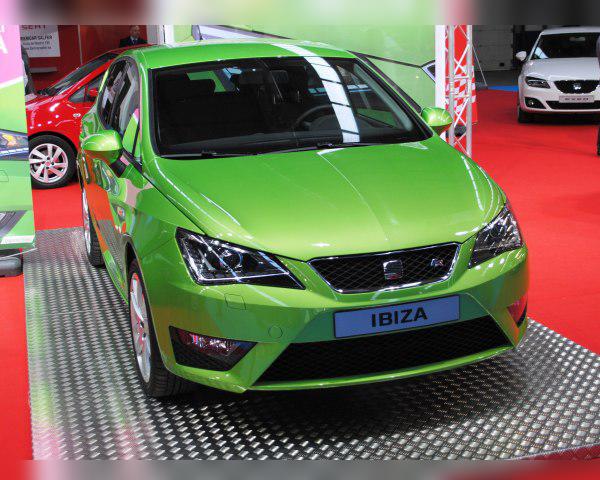
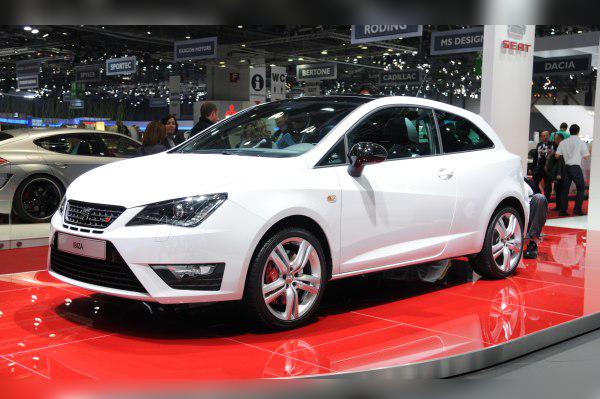
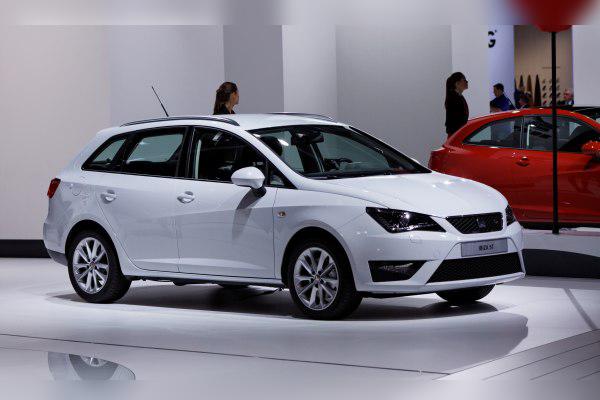
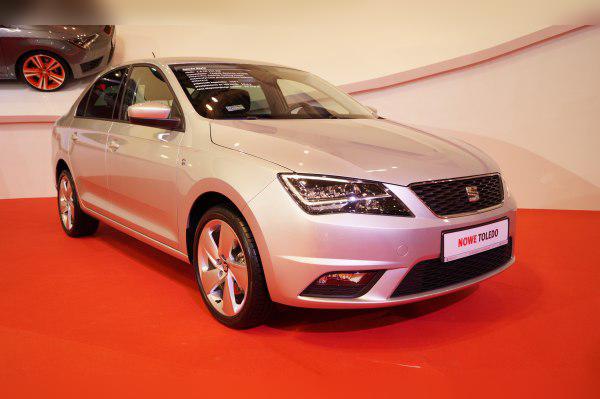
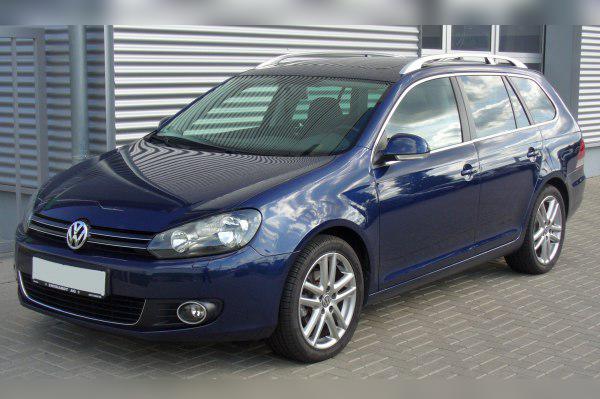
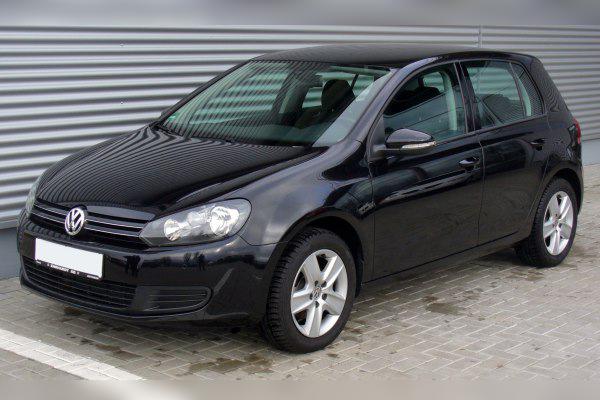
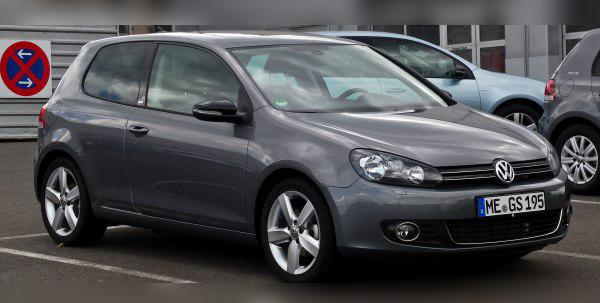
1.2 TSI (CBZA) 85 HP – Experiences, problems, fuel consumption and buying used
When it was introduced, the 1.2 TSI engine from the Volkswagen Group represented a revolution in the “downsizing” philosophy. The goal was clear: replace the old naturally aspirated 1.4 and 1.6 engines with something more efficient, lighter and livelier. The version with the code CBZA and an output of 85 HP (63 kW) was the entry ticket into the world of turbo petrol engines for models such as the VW Golf VI, Seat Ibiza and Seat Toledo.
This engine belongs to the EA111 family. This is a key piece of information because it means it has design solutions that differ from the newer TSI engines (EA211). In this text we will analyze in detail whether this “little one” is sufficient for a Golf estate, what its Achilles’ heel is, and how much its maintenance will cost you.
In short, the most important points (TL;DR)
- Timing drive: Uses a chain (not a belt), which is also the biggest weak point of this engine in the first years of production.
- Performance: Surprisingly lively in the city thanks to the turbo, but it lacks “breath” on the motorway.
- Dual-mass flywheel: Great news – this 85 HP version usually does not have it (it uses a solid flywheel).
- Fuel consumption: Very economical with moderate driving (below 6 l/100 km), but rises drastically if driven hard.
- Typical failure: Problems with the turbo actuator and high-voltage ignition leads.
- Recommendation: An excellent choice for city driving and shorter trips, but it requires strict maintenance and a timing chain check before purchase.
Contents
- Technical specifications
- Reliability and maintenance
- Specific parts and costs
- Fuel consumption and performance
- Additional options and modifications
- Gearbox and drivetrain
- Buying used and conclusion
Technical specifications
| Characteristic | Data |
|---|---|
| Engine displacement | 1197 cc (1.2 L) |
| Power | 63 kW / 85 HP (at 4800 rpm) |
| Torque | 160 Nm (at 1500–3500 rpm) |
| Engine code | CBZA (EA111 family) |
| Injection type | Direct injection (TSI/FSI) |
| Charging system | Turbocharger + intercooler |
| Number of cylinders/valves | 4 cylinders / 8 valves (SOHC) |
Reliability and maintenance
Chain or belt?
The CBZA engine belongs to the older EA111 generation and uses a timing chain. This is a critical point. The manufacturer intended the chain to last “for the lifetime of the engine”, but real-world use has shown otherwise. The chain is prone to stretching, and the hydraulic tensioner can fail, especially if the engine is frequently started and stopped (city driving) or if unsuitable oil is used.
Symptoms: Metallic rattling at cold start that lasts longer than 2–3 seconds is a sign you need to visit a workshop urgently. If the chain jumps a tooth, it leads to catastrophic engine failure (pistons and valves colliding).
Most common failures
Besides the chain, owners often encounter the following problems:
- High-voltage ignition leads (spark plug wires): They often fail due to heat because they run close to hot engine parts, or they become a target for rodents (martens). The symptom is rough engine running and the “Check Engine” light coming on.
- Ignition coil: On this engine it tends to fail, which results in the engine running on 3 cylinders.
- Increased oil consumption: Although not as critical as on the 1.8 or 2.0 TSI engines of the same generation, the CBZA can consume oil if the piston rings are dirty or if the turbo is “weeping” oil.
- PCV valve (oil separator): If it clogs, crankcase pressure rises, which leads to oil leaks at the seals.
Service intervals and oil
A classic “major service” (timing belt replacement) does not exist, but the chain kit is replaced as needed. Experienced mechanics recommend a preventive chain check every 100,000 km or as soon as any noise is heard. Many owners proactively replace the chain kit between 120,000 and 150,000 km.
Oil: The engine takes approximately 3.6 to 3.9 liters of oil (depending on filter and sump size). The recommended grade is 5W-30 or 5W-40 that meets VW specifications (502.00 for fixed intervals or 504.00 for LongLife). A strong recommendation is to avoid LongLife intervals (30,000 km) and change the oil at a maximum of 10,000–12,000 km. This drastically extends the life of the chain and turbo.
Oil consumption: Up to 0.5 liters per 10,000 km is perfectly acceptable. Anything over 1 liter per service interval requires inspection.
Spark plugs and injectors
Since this is a petrol engine with direct injection, the spark plugs are under higher stress. It is recommended to replace them every 40,000 to 60,000 km. Always use iridium or dedicated spark plugs specified for TSI engines. As for the injectors, they are generally durable, but sensitive to poor fuel quality.
Specific parts (costs)
Dual-mass flywheel
This is one of the biggest advantages of the 85 HP version. In most cases, especially in combination with the 5-speed manual gearbox, this engine DOES NOT have a dual-mass flywheel, but uses a conventional solid flywheel. This significantly reduces the cost of clutch kit replacement. (Note: Always check by VIN, but the chance that it doesn’t have a dual-mass flywheel is about 99%.)
Turbocharger and injection
The engine uses a small low-pressure turbocharger designed to spool up early.
Problem: The electric turbo actuator (wastegate) often sticks. This manifests itself as loss of power (“safe mode”) and a warning light. Initially, the whole turbo had to be replaced, but nowadays there are repair kits for the actuator or you can replace just the actuator, which is not too expensive (depends on the market).
Injection: The system is direct injection. Injectors rarely fail mechanically, but they can clog. A bigger problem is carbon buildup on the intake valves, because the fuel does not wash the valves as on older engines. This is solved by mechanical cleaning (walnut shell blasting) at higher mileages (over 150,000 km).
EGR, DPF and AdBlue
This engine DOES NOT have a DPF filter and does not use AdBlue, because it is a petrol engine. However, it does have an EGR valve (exhaust gas recirculation system). The EGR can get dirty from city driving and soot, which causes jerking and warning lights on the dashboard. Cleaning is possible, but replacement is often a more durable solution.
Fuel consumption and performance
Real-world fuel consumption
- City driving: Expect between 7.0 and 8.5 l/100 km. In heavy stop-and-go traffic it can reach 9 liters, especially in heavier bodies such as the Golf Variant.
- Open road: This is where the engine shines. At speeds of 70–90 km/h, consumption drops to 4.5 to 5.5 l/100 km.
- Motorway (130 km/h): Due to the lack of a 6th gear, the engine runs at higher revs (around 3000 rpm). Fuel consumption is then around 6.5 to 7.5 l/100 km.
Is the engine “sluggish”?
On paper, 85 HP sounds modest. In practice, thanks to the turbo and 160 Nm of torque available from just 1500 rpm, the engine feels livelier than naturally aspirated 1.6 engines. In a Seat Ibiza this engine is perfectly adequate and agile.
However, in a Golf VI Variant (estate) or Seat Toledo, when the car is loaded with passengers and luggage, you will feel a lack of power, especially on uphill sections and when overtaking at speeds above 100 km/h. For normal, defensive driving – it is perfectly acceptable.
Additional options and modifications
LPG conversion
Is it possible? Yes. Is it cost-effective? Questionable.
Due to direct injection, a regular sequential LPG system cannot be installed. You need a system that either injects liquid gas directly through the petrol injectors (a very expensive solution) or a system that “mixes” petrol and gas (for example, using 80% gas and 20% petrol to cool the injectors). Considering the low fuel consumption of the petrol engine itself, the payback period of an LPG system on this engine is very long.
Chiptuning (Stage 1)
This engine is software “detuned” because there is also a 105 HP version (CBZB) which is almost mechanically identical. This means that with a Stage 1 remap the power can safely be raised to about 105–110 HP and torque to about 175–185 Nm. The difference in driving is dramatic, the engine becomes much more flexible, and fuel consumption in normal driving can even slightly decrease.
Gearbox
The CBZA (85 HP) variant usually comes with:
- Manual gearbox (5-speed): Code MQ200. This is a very reliable gearbox. It is precise and easy to use. The oil in the gearbox is “lifetime fill” from the factory, but it is recommended to replace it every 100,000 or 150,000 km for smoother shifting in winter. Failures are rare, occasionally oil leaks at the driveshaft seals. The cost of replacing the clutch kit is relatively low (not expensive).
- DSG (7-speed): Dry clutch (DQ200). If you find this engine with an automatic, be cautious. This gearbox is notorious for mechatronics failures and rapid clutch wear in city driving. Repairs are very expensive.
Buying used and conclusion
What to check before buying?
- Cold start: Insist that the engine is completely cold. Start it and listen. If you hear metallic rattling or clattering during the first 3–4 seconds, the chain needs replacing. If the noise continues after a few seconds, walk away from that car.
- Idle: The engine must run smoothly. Fluctuations can indicate dirty valves, bad injectors or a problem with the PCV valve.
- Test drive: Floor the throttle in 3rd gear from low revs. Acceleration should be linear, without “hiccups” (misfiring). Hesitation usually means a problem with the ignition leads or coil.
- Turbo actuator: Check whether the lever on the turbo has play and whether it moves smoothly.
Conclusion
The 1.2 TSI (85 HP) engine is an excellent alternative to older petrol units. It offers better torque and lower fuel consumption. It is ideal for drivers who spend most of their time in the city and suburbs, driving models such as the Seat Ibiza or Golf (hatchback). For heavier estates and frequent long motorway trips, the more powerful 105 HP version (because of the 6th gear) or the 1.6 TDI are a better choice.
If you find an example where the chain has already been replaced (with the newer type of kit) and which has been regularly serviced, this is a very sensible and economical purchase. Maintenance is not expensive (no dual-mass flywheel, no DPF), and it provides a perfectly decent driving experience.
Was this content useful to you?
Your opinion helps us to improve the quality of the content.