CZCA Engine
- Engine
- 1395 cm3
- Aspiration
- Turbocharger, Intercooler
- Fuel
- Petrol (Gasoline)
- Fuel injection system
- Direct injection
- Power
- 125 hp
- Torque
- 200 Nm
- Cylinders
- 4
- Valves
- 16, 4 per cylinder
- Cylinders position
- Inline
- Valvetrain
- DOHC
- Oil capacity
- 4 l
- Coolant
- 8 l
- Systems
- Start & Stop System
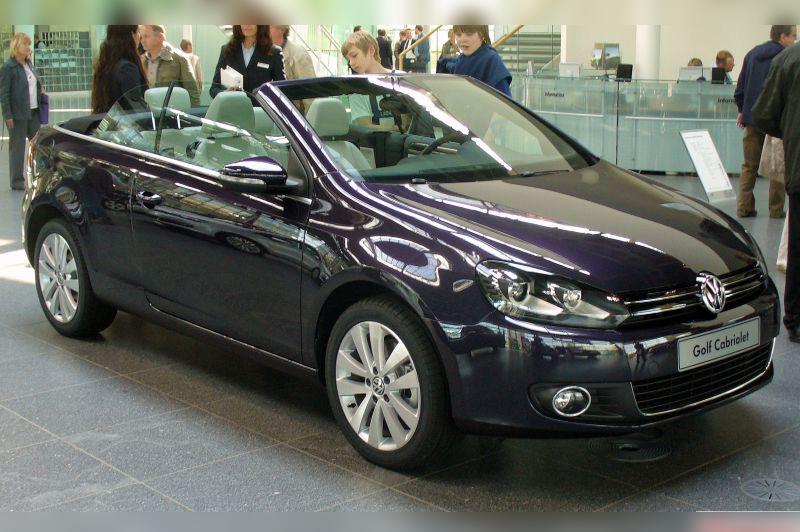
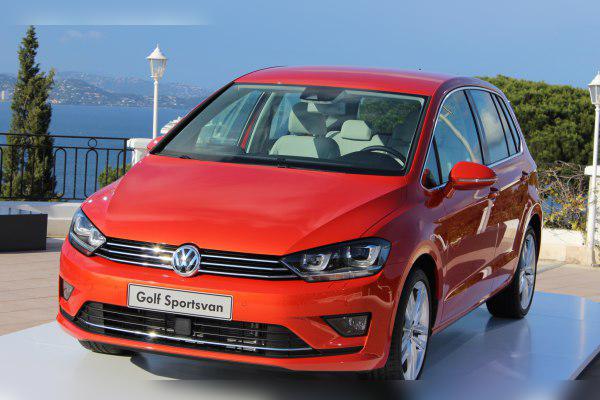
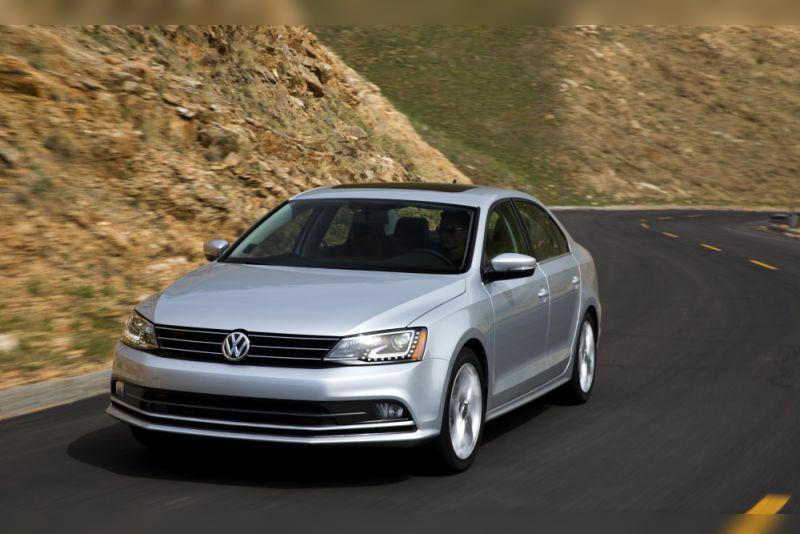
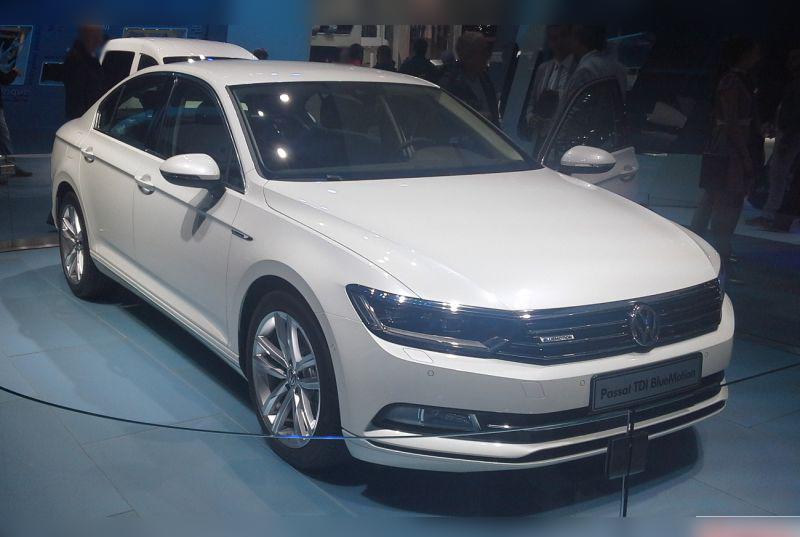
# Vehicles powered by this engine

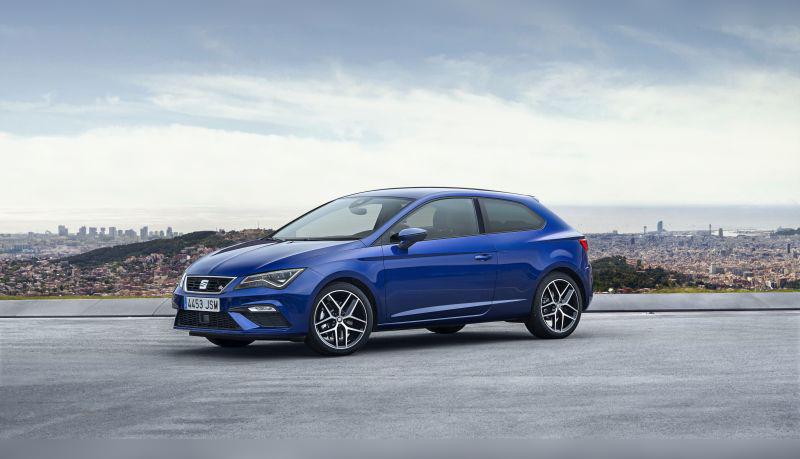
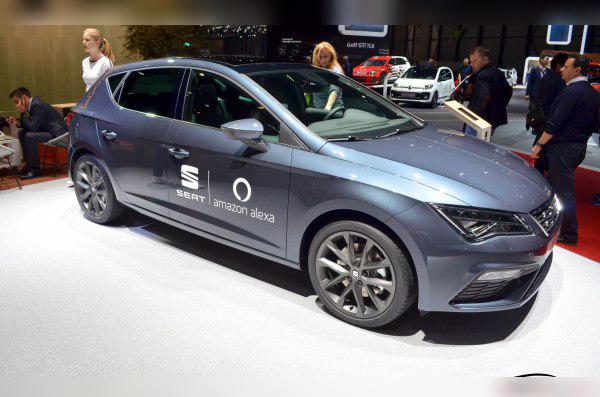

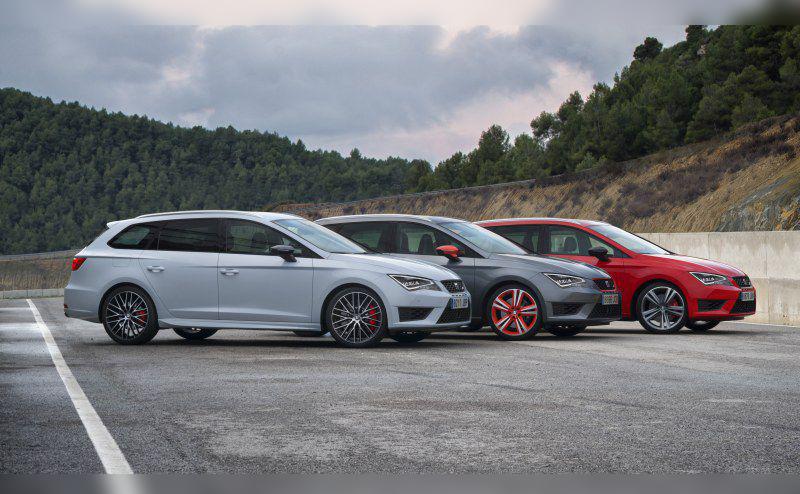
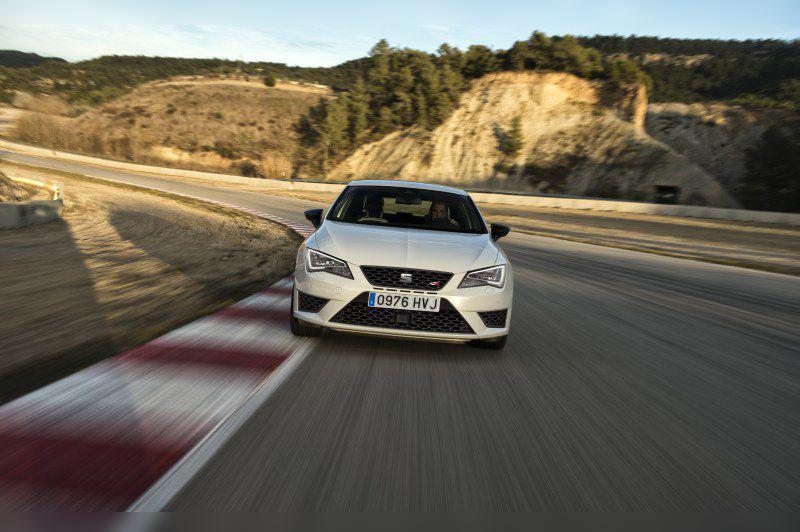
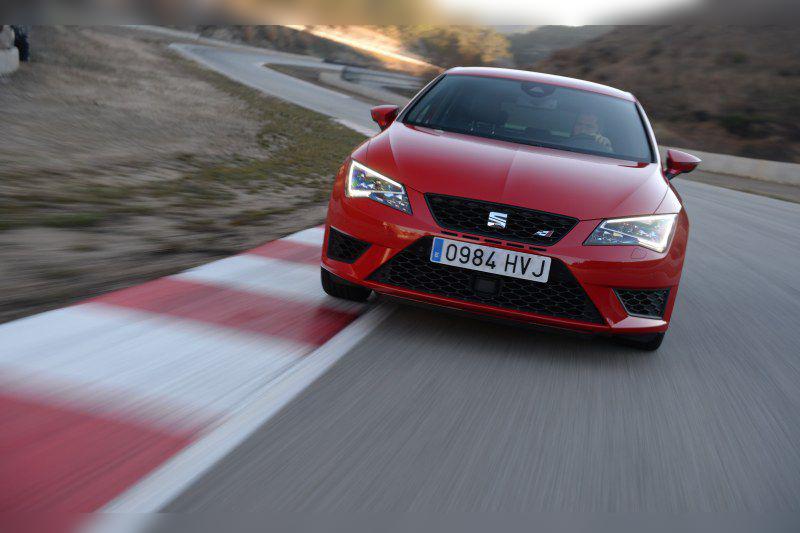
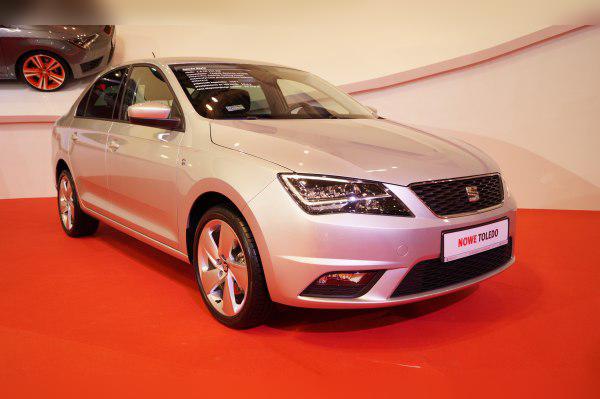
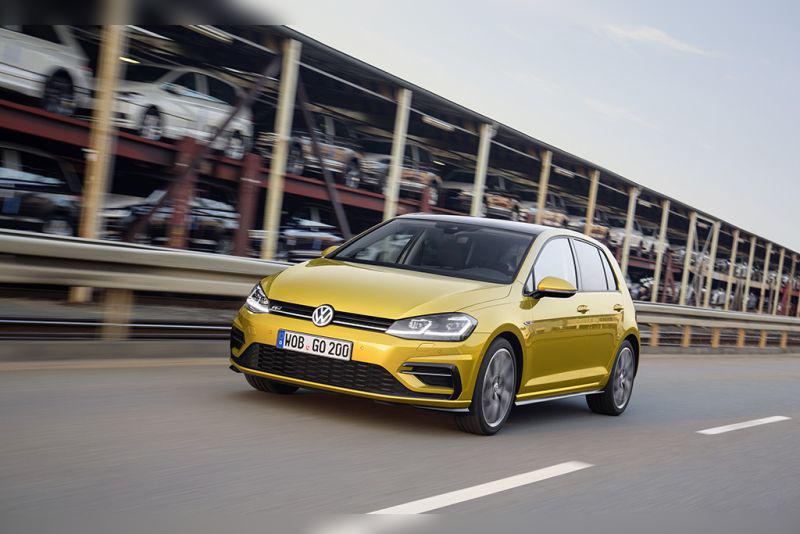
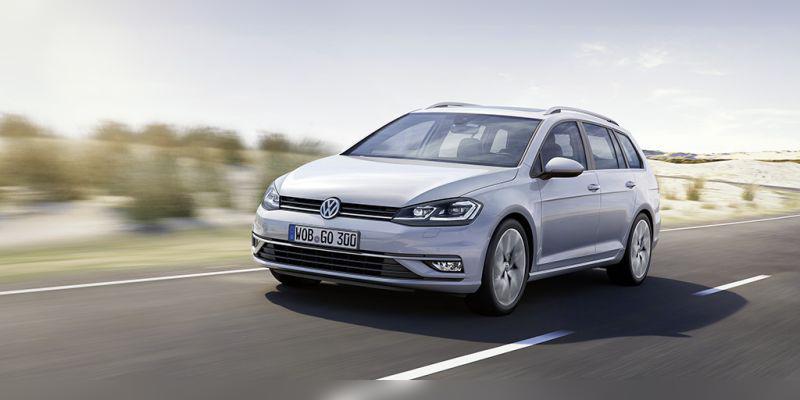
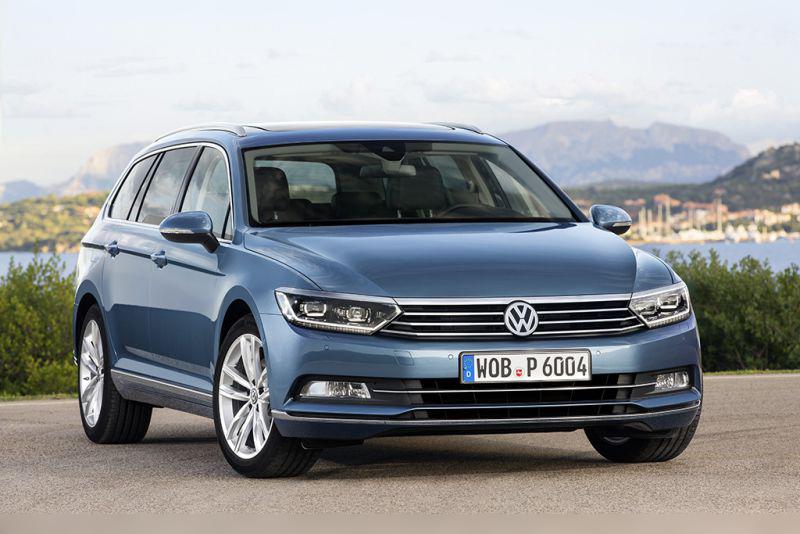

1.4 TSI (CZCA) – Experiences, issues, fuel consumption and maintenance of the “fixed” Volkswagen petrol engine
Key points (TL;DR)
- Big leap in reliability: This is an EA211 series engine, which means it doesn’t have the problematic timing chain like the older 1.4 TSI, but uses a timing belt instead.
- Oil consumption: Significantly reduced compared to previous generations, although regular checks are still a must with turbo petrol engines.
- Weak point – Water pump: The thermostat and water pump housing are made of plastic and prone to coolant leaks.
- Performance: With 125 hp this is the “sweet spot” for the Golf and Leon, but it can feel slightly underpowered in the Passat or Tiguan under full load.
- Gearbox: Manual gearboxes are excellent and cheap to maintain. Be cautious with the DSG 7 (DQ200) dry-clutch gearbox – the mechatronics needs to be checked.
- Recommendation: One of the best small turbo petrol engines on today’s used car market.
Contents
- Technical specifications
- Reliability and maintenance
- Specific parts and costs
- Fuel consumption and performance
- Additional options and modifications (LPG/Tuning)
- Gearbox (Manual and DSG)
- Buying used and conclusion
Introduction: The engine that restored trust in TSI
The engine code CZCA belongs to the EA211 family of engines from the Volkswagen Group. Why does this matter? Because this series, introduced in 2012, corrected almost all the disastrous flaws of the previous EA111 series (which suffered from timing chain failures and cracked pistons). Installed in a wide range of vehicles from 2014 to 2018/19 – from the compact Golf 7 and Seat Leon, through the family-oriented Sportsvan, all the way to sedans such as the Jetta and Passat B8 – this engine is one of the most sensible choices for the average driver in Europe. It offers a balance that diesels are slowly losing due to strict emission regulations.
Technical specifications
| Parameter | Data |
|---|---|
| Engine code | CZCA (EA211 family) |
| Displacement | 1395 cc (1.4 litres) |
| Power | 92 kW (125 hp) at 5000–6000 rpm |
| Torque | 200 Nm at 1400–4000 rpm |
| Injection system | Direct injection (TSI) |
| Induction | Turbocharger + intercooler (water–air) |
| Number of cylinders/valves | 4 cylinders / 16 valves |
Reliability and maintenance
Belt or chain?
This is the most common question and it comes with good news: The CZCA engine has a timing belt. Volkswagen learned its lesson with the old chains. The new belt system is extremely reliable and quieter in operation.
Major service
The factory recommendation for timing belt inspection is often optimistic (at 210,000 km), but real-world experience from mechanics calls for caution. It is recommended that the major service (replacement of the timing kit and water pump) be done at 160,000 to 180,000 km, or every 6 to 7 years, whichever comes first. Rubber ages regardless of mileage.
Most common failures
Although reliable, the CZCA is not immune to problems:
- Water pump and thermostat housing: This is the “Achilles’ heel”. The housing is made of plastic and is exposed to large temperature variations. Over time, micro-cracks appear and coolant starts to leak. Symptom: Coolant level dropping in the expansion tank or the smell of coolant under the bonnet.
- Turbo wastegate actuator: The arm that controls the turbo can develop play. The symptom is a rattling noise when applying or lifting off the throttle, and in later stages the “Check Engine” light and loss of power.
- Intake valve carbon build-up: As with any direct injection engine, fuel does not wash the intake valves. Over time, carbon deposits build up and can restrict airflow. Symptom: Rough idle when the engine is cold.
Oil and spark plugs
The engine takes approximately 4.0 to 4.5 litres of oil (depending on the filter and sump size on the specific model). The recommended viscosity is usually 5W-30 (VW 504.00 standard) or the newer 0W-20 (VW 508.00) for the very latest model years.
Oil consumption: Unlike its notorious predecessors, the CZCA does not consume excessive amounts of oil. However, consumption of 0.3 to 0.5 litres per 10,000 km is considered completely normal and acceptable for a turbo engine. If it uses a litre every 2,000 km, the engine is due for an overhaul (valve stem seals or piston rings).
Spark plugs: They should be replaced every 60,000 km or 4 years. Use only iridium or platinum plugs according to the catalogue number, as these engines are sensitive to weak spark (ignition coils can fail).
Specific parts (costs)
Flywheel
This depends on the gearbox.
Manual gearbox (6-speed): Most 125 hp (CZCA) models use a solid flywheel, which is great news for your wallet. This significantly reduces the cost of clutch replacement.
DSG gearbox: Models with a DSG gearbox have a flywheel (often loosely referred to as dual-mass, but it is specific to DSG) which is replaced when you hear knocking when switching off the engine or rattling at idle.
Turbo and injection
The engine has a single turbocharger integrated with the exhaust manifold. Its lifespan is long, often over 250,000 km with regular oil changes. Rebuilding is possible and the price is average (depends on the market, but it’s not in the “very expensive” category).
Injectors: The direct injection system operates at high pressure. Injectors are generally durable, but sensitive to poor fuel quality. Replacing a single injector can be expensive, but failures are not widespread.
DPF, EGR and AdBlue
Since this is a petrol engine:
- No DPF filter (unless the vehicle was produced at the end of 2018 onwards and has a GPF – gasoline particulate filter, which usually isn’t the case with the CZCA code, but with the newer 1.5 TSI).
- No AdBlue system. One less thing to worry about.
- EGR valve: There is an exhaust gas recirculation system, but it is not as prone to clogging as on diesels because petrol engines produce less soot.
Fuel consumption and performance
Fuel consumption
This is one of the most economical petrol engines in its class.
- City driving: Expect between 7.0 and 8.5 l/100 km. In heavy stop-and-go traffic it can go up to 9 litres, but rarely above that. The start/stop system helps here.
- Country roads: On secondary roads consumption drops to an impressive 4.5–5.5 l/100 km.
- Motorway (130 km/h): Consumption is around 6.0 to 6.8 l/100 km.
Is the engine “lazy”?
With 200 Nm of torque available from just 1400 rpm, the engine is surprisingly lively.
In the Golf 7, Leon and Toledo, this engine is “just right”. Ideal for city driving and overtaking.
In the Passat B8 and Tiguan, the engine is adequate for relaxed driving, but if you load the car with 4 passengers and luggage, you will feel the lack of power on uphill sections. You will have to downshift more often to get the most out of it.
At 130 km/h in 6th gear (or 7th with DSG), the engine spins at around 2,800 to 3,000 rpm, which is quiet enough for comfortable cruising.
Additional options and modifications
LPG conversion
Due to direct injection (injectors spray directly into the cylinder), LPG conversion is complex and expensive. You need a system that either uses liquid-phase LPG injection (very expensive) or a system that injects a mixture of LPG and petrol (it uses about 10–15% petrol while running on gas to cool the petrol injectors).
Cost-effectiveness: If you don’t drive more than 20–30,000 km per year, the conversion will probably not pay off quickly.
Remapping (Stage 1)
The CZCA engine responds very well to remapping.
Safe tuning (Stage 1): Power can be raised to 145–155 hp, and torque to around 250–260 Nm.
Note: If you have a manual gearbox, this is safe. If you have a DSG (DQ200), be careful because this gearbox is rated for a maximum of 250 Nm, so excessive torque increase can shorten the life of the clutches.
Gearbox
Manual gearbox (6-speed)
Precise, easy to use and generally very reliable. The manufacturer does not specify an oil change interval for the gearbox (“lifetime fill”), but experienced mechanics recommend changing it every 150,000 km to preserve bearings and synchros. Failures are rare.
DSG automatic gearbox (DQ200 – 7-speed)
With this engine (up to 250 Nm) it is paired exclusively with the DQ200 dry-clutch gearbox.
- Most common failures: Wear of the clutch pack (symptom: shuddering when moving off from a standstill) and mechatronics failure (the gearbox control unit). This can be an expensive repair (depending on the market, repairs range from 600 to 1500 EUR).
- Maintenance: Although VW says the oil does not need to be changed in this gearbox (because it is a dry type), it is recommended to change the oil in the mechatronics and gear section every 60,000–80,000 km.
- Recommendation: If you drive 90% of the time in city traffic (stop-and-go), a manual gearbox is a more durable solution than the DQ200 DSG.
Buying used and conclusion
When buying a used car with the 1.4 TSI (125 hp) engine, pay attention to the following:
- Cold start: Listen to the engine when it’s cold. There should be no timing chain rattle (even though it has a belt, the cam phaser can be noisy if the oil is bad) and no rough running.
- Coolant level: Check the expansion tank. If the level is below minimum, it is probably leaking from the thermostat housing.
- DSG test: If it’s an automatic, the car should start moving smoothly as soon as you release the brake, without jerks or knocks.
Conclusion:
The 1.4 TSI (CZCA) engine is an excellent choice. This is the point where VW finally “sorted out” its petrol engines. It is ideal for drivers who cover up to 20–25,000 km per year, want the quietness and refinement of a petrol engine, and don’t want DPF-related problems. In the Golf and Leon it even offers a sporty feel, while in the Passat it is a rational choice for those who are not in a hurry. Warm recommendation, with a mandatory check of the service history.
Was this content useful to you?
Your opinion helps us to improve the quality of the content.