CPWA, CZBA Engine
- Engine
- 1395 cm3
- Aspiration
- Turbocharger
- Fuel
- Petrol / CNG
- Fuel injection system
- Direct injection
- Power
- 110 hp
- Torque
- 200 Nm
- Cylinders
- 4
- Valves
- 16, 4 per cylinder
- Cylinders position
- Inline
- Oil capacity
- 4 l
- Coolant
- 8 l
# Vehicles powered by this engine

1.4 TGI (CPWA, CZBA) engine – experiences, issues, fuel consumption and used car buying guide
Key points (TL;DR)
- Type of fuel system: Factory CNG (compressed natural gas) and petrol. Belongs to the reliable EA211 engine family.
- Timing drive: Uses a timing belt, not the problematic chain from older generations.
- Efficiency: Extremely cheap to run on CNG, one of the most cost-effective options on the market.
- Boot space: Due to the CNG tanks, the luggage compartment volume is reduced (no space for a spare wheel).
- Gearbox: The DSG version (DQ200) with dry clutch requires caution and a thorough check before purchase.
- Range: Excellent total range when combining both tanks (although the petrol tank was reduced on some facelift variants, on these 2016/17 models it is usually still of decent size, but you should check the specific car).
- Maintenance: More expensive registration/inspection (due to CNG certification) and specific parts of the gas system.
Contents
Introduction and applications
The 1.4 TGI engine (code names CPWA and later CZBA) is Volkswagen’s answer to the need for cleaner and more economical fuel, based on the excellent EA211 petrol engine platform. This is not an aftermarket gas conversion, but factory engineering where the pistons, valves and cylinder head are reinforced to withstand the higher combustion temperatures of CNG.
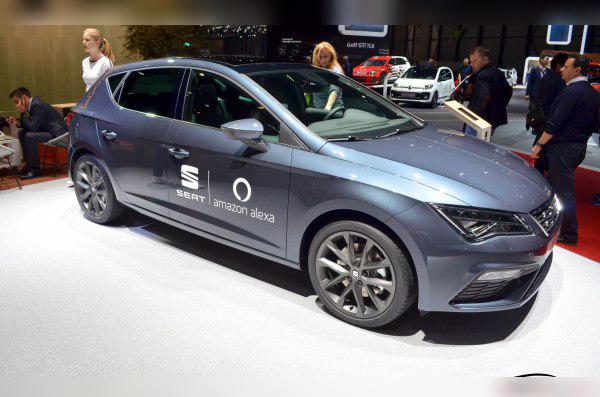
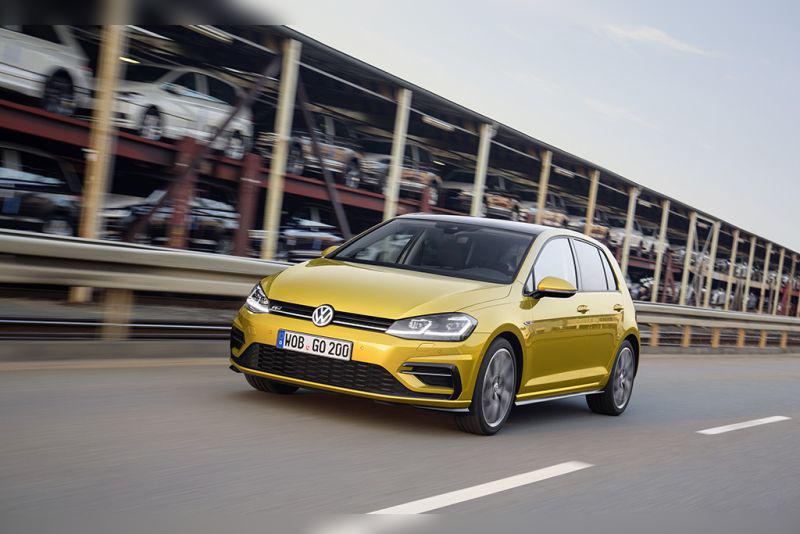
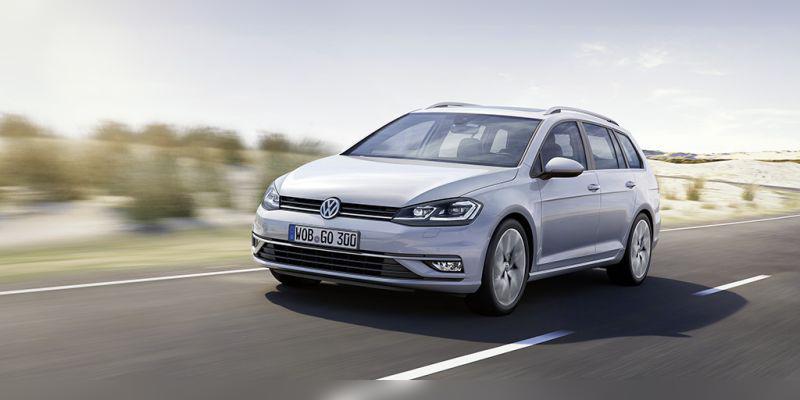
It was installed in popular VAG group models, and this text focuses on the Seat Leon III (facelift) and Volkswagen Golf VII (facelift). These models are highly sought after because they offer the comfort of a standard car with drastically lower fuel costs. It is important to note that these engines primarily run on CNG, and switch to petrol only when the tanks are empty or during cold starts (if the temperature is very low).
Technical specifications
| Parameter | Value |
|---|---|
| Engine displacement | 1395 cc (1.4 litres) |
| Power | 81 kW / 110 hp |
| Torque | 200 Nm at 1500–3500 rpm |
| Engine codes | CPWA, CZBA |
| Fuel type | Bi-fuel: Petrol / CNG (methane) |
| Charging | Turbocharger |
| Injection | Direct (for petrol) / Port injection (for CNG) |
Reliability and maintenance
Timing belt or chain?
Unlike the older 1.4 TSI engines (EA111) that had problematic timing chains, this 1.4 TGI engine (EA211 series) uses a timing belt. This is very good news for owners. Belt drive is quieter and has proven to be very reliable on this unit.
Major service and intervals
The factory recommendation for timing belt inspection is often optimistic (e.g. at 210,000 km), but in practice and according to experienced mechanics, the major service should be done between 160,000 km and 180,000 km, or every 5 to 7 years (whichever comes first). This includes replacement of the belt, tensioner, water pump and coolant. The cost of the major service is similar to that of standard petrol engines (moderately expensive).
Oil consumption and servicing
The engine takes approximately 4.0 litres of oil. Fully synthetic oil of grade 5W-30 or 5W-40 that meets VW standards is recommended (usually VW 502.00 for fixed intervals or VW 504.00). Unlike some older TSI engines, the 1.4 TGI does not consume excessive oil. Consumption up to 0.5 litres per 10,000 km is acceptable, but most owners do not need to top up oil between services if the engine is healthy.
Spark plugs and ignition system
Since CNG is harder to ignite than petrol, the ignition system is under greater stress. Spark plugs are specific to TGI engines and must be replaced more frequently than on pure petrol engines. The recommended interval is every 40,000 to 60,000 km. If you delay replacement, you risk coil pack failure, as the coils are sensitive to worn spark plugs.
Most common failures
The engine is mechanically robust, but peripherals can cause issues:
- Gas pressure regulator: It can start leaking or dosing gas incorrectly. Symptoms include difficulty switching to CNG or whistling noise while refuelling.
- Corrosion of CNG tanks: Although VW improved protection on facelift models (some even have composite tanks), you must check the condition of the cylinders. Corrosion means you will fail the technical inspection/re-certification.
- Turbo wastegate actuator: It can stick, leading to loss of power and illumination of the “Check Engine” light.
Specific parts (costs)
Dual-mass flywheel
Yes, the 1.4 TGI with 110 hp and 200 Nm usually has a dual-mass flywheel, especially in combination with the DSG gearbox. It is also often present with manual gearboxes to reduce vibrations, given the high compression ratio and CNG operation. Its lifespan depends on driving style, but you can expect replacement around 150,000 - 200,000 km. The price is high (varies by market).
Turbocharger and injection
The engine has a single turbocharger. The turbo is specific to TGI (different materials due to higher exhaust gas temperatures with CNG) and is generally durable with regular oil changes. It is water-cooled.
The injection system is dual:
1. Petrol injectors: Direct injection (FSI principle). They can clog if the car is driven almost exclusively on CNG for years. It is recommended to occasionally drive the car only on petrol (e.g. 20–30 km per month).
2. CNG injectors: Inject gas into the intake manifold. They can fail due to impurities in the gas (oil in CNG). The symptom is jerking while driving on CNG.
Emissions equipment (DPF, EGR, AdBlue)
Good news: This engine DOES NOT HAVE a DPF filter (that’s for diesels) and DOES NOT HAVE an AdBlue system. It has a three-way catalytic converter which is long-lasting. There is an EGR valve, but since CNG burns very cleanly (no soot), EGR clogging is extremely rare compared to diesel engines.
Fuel consumption and performance
Real-world consumption
This is the strongest selling point of this engine.
City driving: CNG consumption is around 4.5 to 5.5 kg/100 km.
Open road: It can go down to 3.5 to 4.0 kg/100 km.
If you drive on petrol (when CNG runs out), consumption is around 6.5 - 8.0 l/100 km, because the engine is optimised for gas and the car is heavier due to the tanks.
Is the engine “sluggish”?
With 110 hp and 200 Nm available from just 1500 rpm, the engine is not sluggish in city conditions. Turbo lag is minimal. However, the extra weight of the CNG tanks (located under the boot floor and rear seats) can be felt. A Golf VII Variant or Leon ST loaded with family and luggage will require more frequent downshifts on uphill sections.
Motorway driving
At 130 km/h the engine runs smoothly, usually around 2800–3000 rpm (in 6th gear or 7th on DSG). There is enough power to maintain speed, but overtaking on the motorway requires planning and dropping to a lower gear.
Additional options and modifications
LPG installation
This question is redundant with TGI engines. The engine already has factory gas (CNG). Installing LPG in addition to CNG is technically pointless, not cost-effective and physically impossible due to lack of space.
Chip tuning (Stage 1)
Although this is a turbo engine, chip tuning is NOT recommended. The reason is temperature. CNG combustion generates higher temperatures in the combustion chamber than petrol. The factory has left safety margins. Increasing power (boost) can lead to overheating of valves, damage to the turbo or cylinder head. If you want a faster car, buy a 1.8 TSI or 2.0 TDI.
Gearbox: manual and DSG
Manual gearbox (6-speed)
Precise and easy to operate. Failures are rare and mostly limited to normal clutch wear. Oil change in the gearbox is not prescribed as mandatory (“fill for life”), but it is recommended to change it at around 150,000 km to preserve the bearings.
DSG automatic gearbox (DQ200 - 7-speed)
With the 1.4 TGI comes the seven-speed DSG with a dry clutch (code DQ200).
Issues: This gearbox has a bad reputation from earlier years. In facelift models (2016+) the software and mechanics were improved, but it is still more sensitive than the “wet” DSG units.
Symptoms of failure: Jerking when starting off, hesitation when shifting, rattling noises over bumps.
Typical failures: Most often the mechatronics unit fails (expensive repair) or the clutch pack (friction plates wear out).
Maintenance: Although VW says the oil is lifetime fill, service specialists recommend changing the oil in the mechatronics and gearbox section every 60,000 - 80,000 km.
Buying tips and conclusion
Before buying a used car with the 1.4 TGI engine, pay attention to the following:
- CNG tank certification: Check the validity of the tanks. Replacing them is extremely expensive (very expensive). Tanks have a service life (usually 20 years), but they must undergo visual inspection every 4 years (depending on local regulations).
- Operation on both fuels: Insist on test-driving the car on both petrol and CNG. The transition must be seamless.
- Cold start: Listen to the engine at first start-up. Rattling may indicate issues with hydraulic lifters or the cam phaser, although the belt drive is generally quieter.
- Condition of rear suspension: Due to the weight of the tanks, rear shocks and springs wear out faster than on a regular Golf/Leon.
Final verdict
The 1.4 TGI engine is an excellent choice for drivers who cover high annual mileage (taxi drivers, sales reps, frequent travellers). The fuel savings are so significant that any potential expensive repairs (such as clutch replacement or turbo servicing) are quickly offset by the lower fuel costs. If you drive less than 10,000 km per year, the hassle of certifications and the smaller boot may not be worth it – in that case a regular 1.4 TSI or 1.2 TSI is a better choice.
Was this content useful to you?
Your opinion helps us to improve the quality of the content.