CAXA Engine
- Engine
- 1390 cm3
- Aspiration
- Turbocharger, Intercooler
- Fuel
- Petrol (Gasoline)
- Fuel injection system
- Direct injection
- Power
- 122 hp @ 5000 rpm
- Torque
- 240 Nm
- Cylinders
- 4
- Valves
- 16, 4 per cylinder
- Cylinders position
- Inline
- Valvetrain
- DOHC
- Oil capacity
- 4 l
- Coolant
- 5.6 l
- Systems
- Start & Stop System
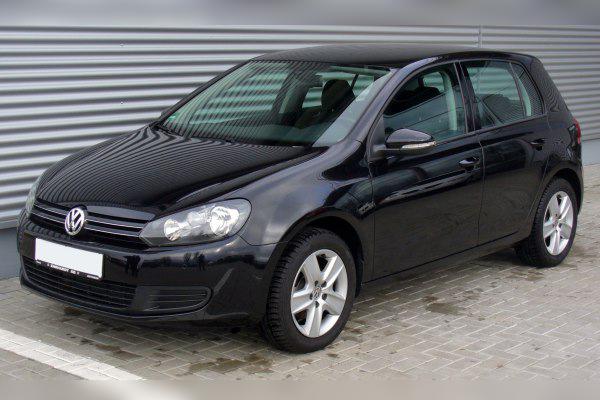
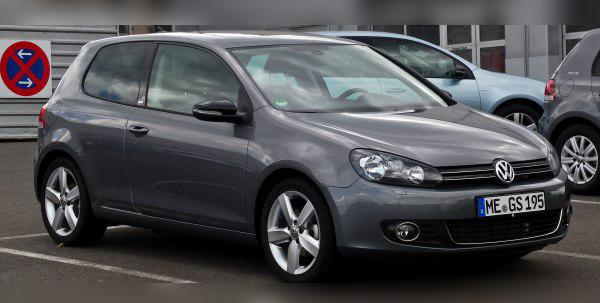
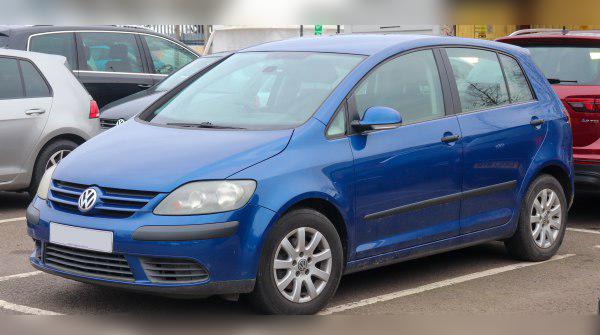
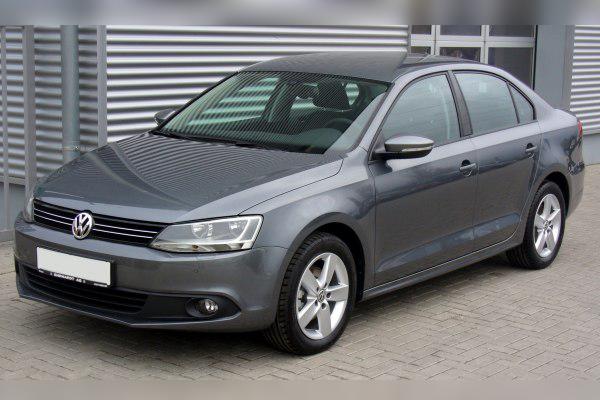
# Vehicles powered by this engine
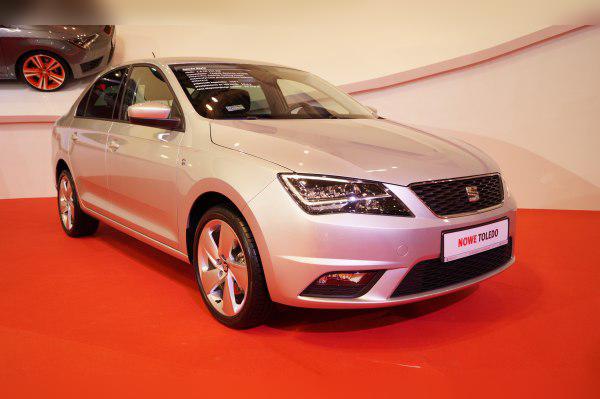
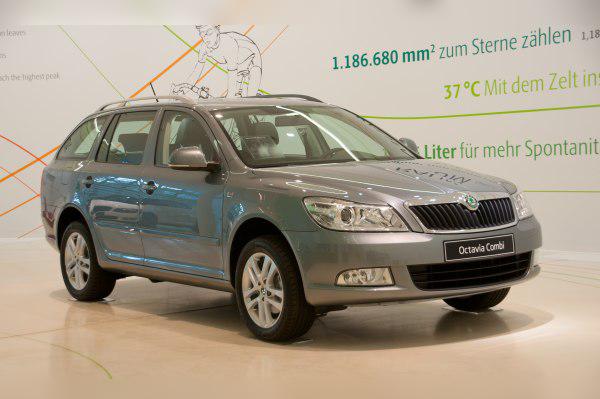
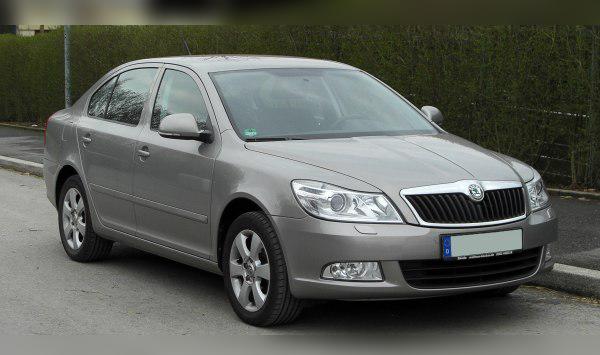
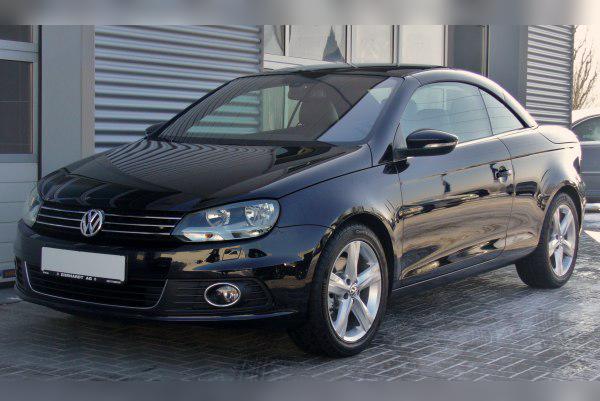
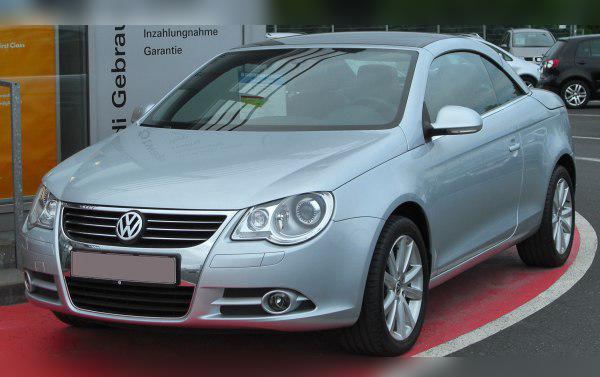
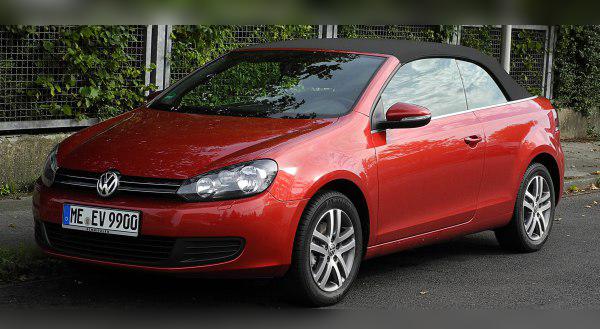
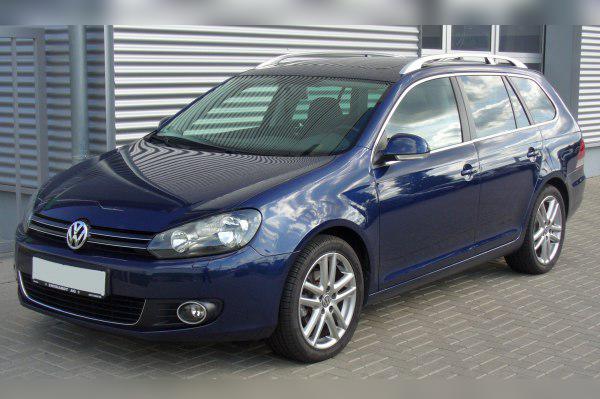
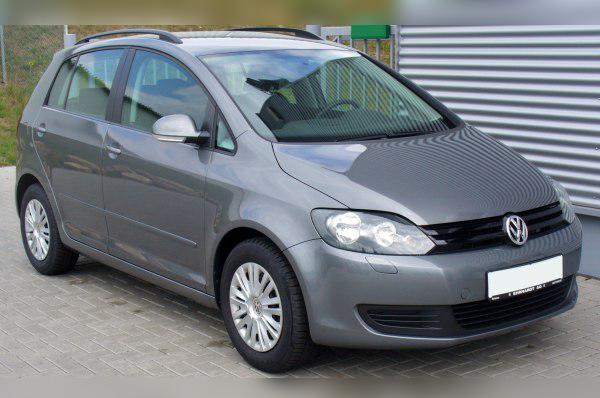
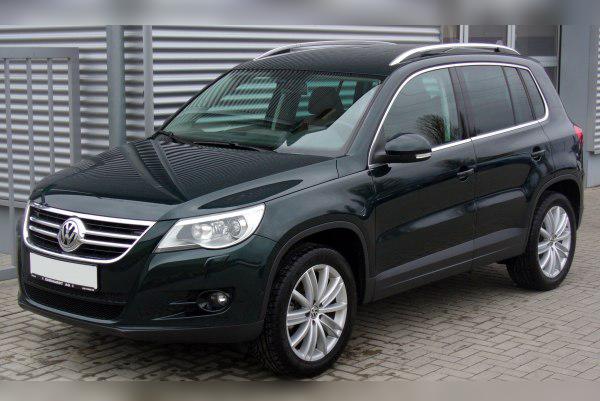
1.4 TSI (CAXA) – Detailed Guide, Issues, Ownership Experience and Maintenance
Key points in short (TL;DR)
If you don’t have time to read the whole article, here’s what you need to know about the CAXA 1.4 TSI engine before buying:
- Achilles’ heel: Timing chain. It tends to stretch, and the tensioner can fail, which leads to catastrophic engine damage.
- Performance: Excellent balance of power and fuel consumption. Much livelier than the old naturally aspirated 1.6 engines.
- Turbo system: It has only a turbocharger (no supercharger like the more powerful versions), which makes it more reliable than the 160 hp “Twincharger” siblings.
- Direct injection: Means more expensive LPG installation and carbon buildup on intake valves.
- Gearboxes: Often comes with a dry-clutch DSG (DQ200), which can be a source of costly repairs.
- Recommendation: Buy only if you have proof that the complete timing chain kit (with tensioners and guides) has recently been replaced with the revised version.
Contents
- Introduction and applications
- Technical specifications
- Reliability and Maintenance (Chain, Oil, Servicing)
- Specific Parts and Costs
- Fuel Consumption and Performance
- Additional Options (LPG, Tuning)
- Gearbox (DSG vs Manual)
- Buying Used and Conclusion
Introduction: The engine that changed the rules of the game
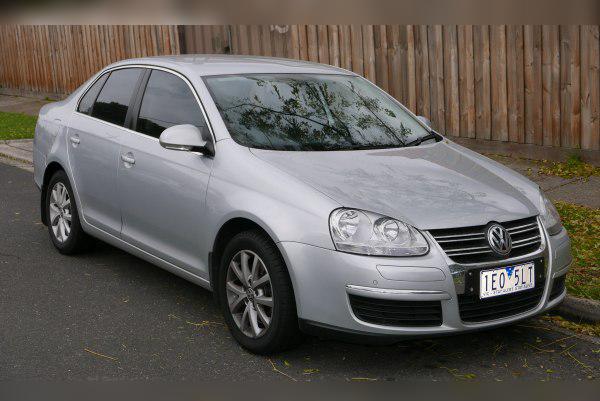
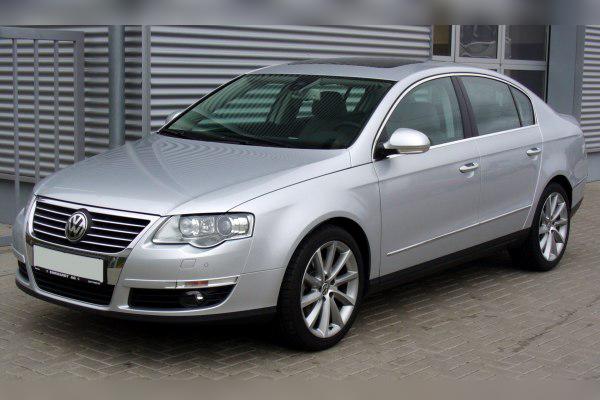
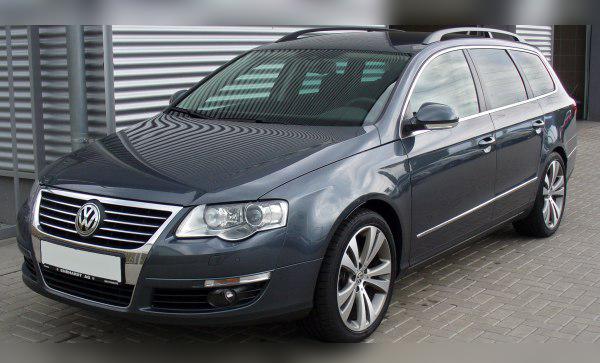
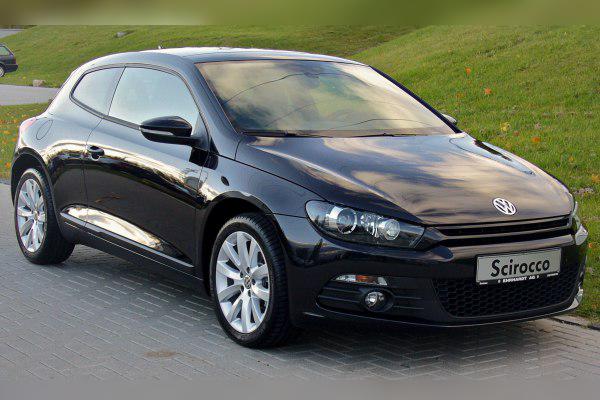
The engine with the code CAXA belongs to the EA111 family. It was Volkswagen’s answer to the need for downsizing – reducing displacement while maintaining or increasing power with the help of a turbocharger. It was installed in a huge number of VW Group vehicles from 2007 to around 2015 (Golf VI, Passat B6, Scirocco, Octavia, Leon).
Unlike its more powerful relatives (140–170 hp) that have both a supercharger and a turbocharger (Twincharger), the 122 hp CAXA has only a small turbocharger. This is good news for used buyers – a less complex system means fewer potential failures, while the engine is still flexible enough for everyday driving.
Technical specifications
| Specification | Data |
|---|---|
| Engine displacement | 1390 cc (1.4 litres) |
| Power | 90 kW / 122 hp |
| Torque | 200–240 Nm (depending on the map, CAXA is most often 200 Nm from factory) |
| Engine code | CAXA (EA111 family) |
| Injection system | Direct injection (TSI / FSI) |
| Charging | Turbocharger (single turbo) + intercooler (water–air) |
| Camshaft drive | Chain |
Reliability and Maintenance
Does this engine have a timing belt or a chain?
The CAXA engine uses a timing chain. Unfortunately, this is the weakest point of this engine. The original chain was prone to stretching even at relatively low mileage (sometimes below 60,000 km). The problem is often in the hydraulic chain tensioner, which doesn’t hold pressure during cold starts, or in the chain quality itself.
Symptoms: A metallic rattling noise (as if metal is “grinding”) during the first 3–5 seconds after starting a cold engine. If this is ignored, the chain can jump a tooth, causing the pistons and valves to collide – complete engine failure.
What are the most common failures on this engine?
Apart from the chain, here’s what else troubles owners:
- Camshaft phase variator (VVT): Can knock at startup, similar to the chain. Often replaced together with the chain kit.
- Turbo wastegate: The rod that regulates boost pressure can seize or develop play, which leads to rattling while driving or loss of power (Check Engine light).
- Ignition coils: As with most petrol engines, coils can fail, causing the engine to run on 3 cylinders and to jerk.
- PCV valve (oil separator): If it fails, the engine may start consuming oil or have an unstable idle.
At what mileage should the major service be done?
With chain-driven engines there is no fixed interval like with belts (e.g. at 120,000 km), but real-world experience says otherwise. The recommendation is a preventive replacement of the chain kit at 100,000–120,000 km, or IMMEDIATELY when you hear rattling at startup. When replacing the chain, always ask for the revised (reinforced) set of guides and tensioner.
Minor service (oil and filters) should be done at a maximum of 10,000–15,000 km or once a year. Forget about 30,000 km long-life intervals if you want to preserve the chain and turbo.
Oil: Quantity and grade
The sump holds about 3.6 litres of oil. The recommended grade is 5W-30 or 5W-40, but it is crucial that the oil meets VW specification 504.00 / 507.00 (for extended intervals) or 502.00 (for fixed 15k km intervals). Due to the sensitive chain and turbo, high-quality oil is essential.
Oil consumption
CAXA engines generally do not consume oil to the same extent as 1.8 TSI or 2.0 TSI engines of that generation (which had problematic piston rings). Consumption of up to 0.5 litres per 10,000 km is perfectly acceptable and normal. If it uses more than 1 litre per service interval, check for leaks at the crankshaft seals or the condition of the turbo.
Spark plugs
Spark plugs are replaced every 60,000 km. Iridium plugs are recommended (e.g. NGK or Bosch) that are designed for TSI engines. Do not experiment with cheap plugs because direct injection requires a precise spark.
Specific Parts (Costs)
Does the engine have a dual-mass flywheel?
Yes. Most models with the 1.4 TSI CAXA engine, whether manual or DSG, are equipped with a dual-mass flywheel. Its purpose is to absorb engine vibrations. Its lifespan is usually between 150,000 and 200,000 km, depending on driving style. Symptoms of failure are knocking at idle that disappears when you press the clutch (on manuals) or vibrations when switching the engine off.
Injection system and injectors
This is a direct-injection petrol engine. The injectors are generally reliable, but sensitive to poor fuel quality. The main “side effect” of direct injection is carbon buildup on the intake valves. Since fuel does not wash the valves (as in older engines), carbon deposits accumulate and after 100k+ km can reduce airflow. Symptoms are weaker throttle response and rough running. The solution is mechanical cleaning (walnut shell blasting) or chemical treatment.
Turbocharger
It has a single turbocharger (Mitsubishi or IHI). Its service life is long if the oil is changed regularly and if the engine is not switched off immediately after hard driving on the motorway. The most common problem is not the turbo itself, but the electronic or vacuum actuator (wastegate) which can stick. It can be refurbished and is not extremely expensive.
DPF, EGR and AdBlue
- DPF: None. This is a petrol engine. (Newer TSI engines from 2018 have a GPF, but CAXA does not).
- EGR: CAXA engines usually do not have a classic, problematic external EGR valve that clogs with soot like on diesels. They use an “internal EGR” effect via variable valve timing. So that’s one less thing to worry about.
- AdBlue: None.
Fuel Consumption and Performance
Real-world city consumption
Although the factory promises miracles, in real city driving you can expect between 8 and 9 litres per 100 km. In heavy stop-and-go traffic and in winter, this easily goes to 10+ litres. However, if you are gentle on the throttle, it can be brought down to about 7.5 litres.
Is the engine “lazy”?
Absolutely not. With torque available from as low as 1,500 rpm, the CAXA pulls surprisingly well. In a Golf, Leon or Scirocco it feels very agile. In heavier bodies such as the Passat B6 estate or Tiguan, the engine is “adequate” for normal driving, but don’t expect sporty performance when overtaking uphill with a fully loaded car.
Behaviour on the motorway
The engine behaves very well on open roads. Thanks to the 6-speed gearbox (manual or DSG), at 130 km/h the engine runs at around 2,800–3,000 rpm (depending on the gearbox). The cabin is quiet, and fuel consumption at that speed is around 6.5–7.5 litres. Top speed is about 200 km/h, which is more than enough.
Additional Options and Modifications
LPG installation
Yes, it’s possible, but it’s expensive. Since this is a direct-injection engine, you cannot install a basic sequential LPG system for 300–400 euros. You need a dedicated system for TSI engines that either uses the “liquid phase” of LPG or injects a mixture of LPG and petrol (to cool the petrol injectors). The installation cost is high (often over 800–1000 euros, depending on the market), so you need to carefully calculate if it pays off.
Chiptuning (Stage 1)
This engine responds well to remapping. A safe Stage 1 raises power from 122 hp to about 140–150 hp, and torque increases to around 240–250 Nm. The car becomes noticeably livelier. However, caution: if you have a DSG gearbox (DQ200), it is factory-rated for 250 Nm, so pushing torque beyond that can shorten the gearbox’s lifespan.
Gearbox
Gearbox options
With the CAXA engine you get two options:
- 6-speed manual gearbox: Precise and easy to use.
- 7-speed DSG (DQ200): Dual-clutch automatic gearbox.
Most common gearbox issues
- Manual: Very reliable. Possible issues are gearbox bearing wear at high mileage (howling while driving), but this is not widespread. Replacing the clutch kit with the flywheel is a regular maintenance cost.
- DSG (DQ200): This is the so-called “dry” DSG. It is not as robust as the “wet” clutch DSG used in 2.0 TDI models. Problems: Wear of the clutch pack (symptoms: shuddering when taking off or shifting from 1st to 2nd gear) and failure of the mechatronic unit (the gearbox brain). DSG repairs are expensive (very expensive).
Gearbox servicing
- Manual: The oil is not changed often, but it is recommended to replace it every 100,000 km for smoother shifting.
- DSG (DQ200): Although VW often says it is “sealed for life” (no maintenance), experts recommend changing the oil in the gearbox and hydraulic section every 60,000 km to extend the life of the mechatronic unit.
Buying Used and Conclusion
Before buying a used car with the 1.4 TSI CAXA engine, make sure you do the following:
- Cold start: Insist that the car is completely cold. Start it and listen. Any rattling, knocking or chain-like noise lasting more than 2 seconds is a red flag (or a good argument to lower the price by the cost of a chain replacement).
- Test drive: The car must pull smoothly, without jerks. Under light acceleration at low revs there should be no “flat spots”.
- Diagnostics: Check for fault codes related to boost pressure, misfires and camshaft position.
Final conclusion
The 1.4 TSI (122 hp) engine is probably the most sensible choice among that generation of VW petrol engines. It is more reliable than the more powerful Twincharger versions, and far more modern than the old naturally aspirated units. It is ideal for drivers who spend most of their time in the city but still want enough power for trips, with reasonable fuel consumption.
However, this is not a “just fill up and drive” engine. It requires quality maintenance, regular oil changes and preventive care of the timing chain. If you are prepared for that, it will serve you very well.
Was this content useful to you?
Your opinion helps us to improve the quality of the content.