CJZD Engine
- Engine
- 1197 cm3
- Aspiration
- Turbocharger, Intercooler
- Fuel
- Petrol (Gasoline)
- Fuel injection system
- Direct injection
- Power
- 110 hp @ 5000 rpm
- Torque
- 175 Nm
- Cylinders
- 4
- Valves
- 16, 4 per cylinder
- Cylinders position
- Inline
- Oil capacity
- 4 l
- Coolant
- 8 l
# Vehicles powered by this engine
1.2 TSI (CJZD) 110 HP: Experiences, Problems, Fuel Consumption and Used Car Buying Guide
Key points in short (TL;DR)
- Big plus: This is an engine from the EA211 series, which means it has a timing belt, not the problematic chain like the older 1.2 TSI engines.
- Performance: With 110 HP and 175 Nm, this is probably the best match for the Polo and Toledo bodies – very lively and flexible.
- Fuel consumption: Extremely economical petrol engine; on the highway it can go below 5.5 l/100 km.
- Weak points: Possible issues with the turbo actuator and coolant leaks at the thermostat housing.
- LPG (Autogas): Due to direct injection, LPG installation is expensive and often not cost‑effective (the system must also use petrol).
- Gearboxes: Comes with an excellent 6‑speed manual gearbox or a 7‑speed DSG (DQ200) that requires caution when buying used.
- Recommendation: Highly recommended, far more reliable than its predecessors.
Contents
Introduction and engine applications
The engine with the code CJZD represents a turning point in Volkswagen’s range of small petrol engines. It is a 1.2‑liter unit from the EA211 family. Why is this important? Because this series corrected the main design flaws of the previous generation (EA111), primarily by replacing the unreliable chain with a timing belt.
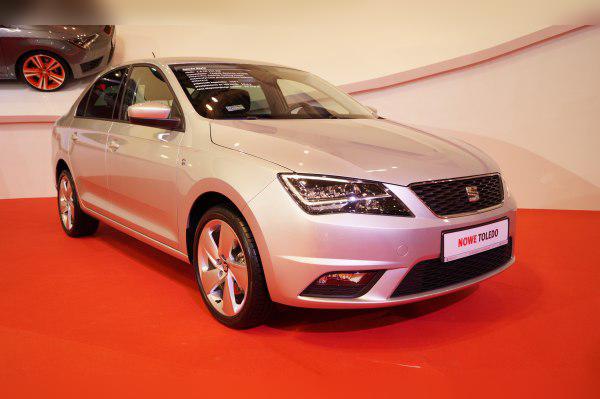
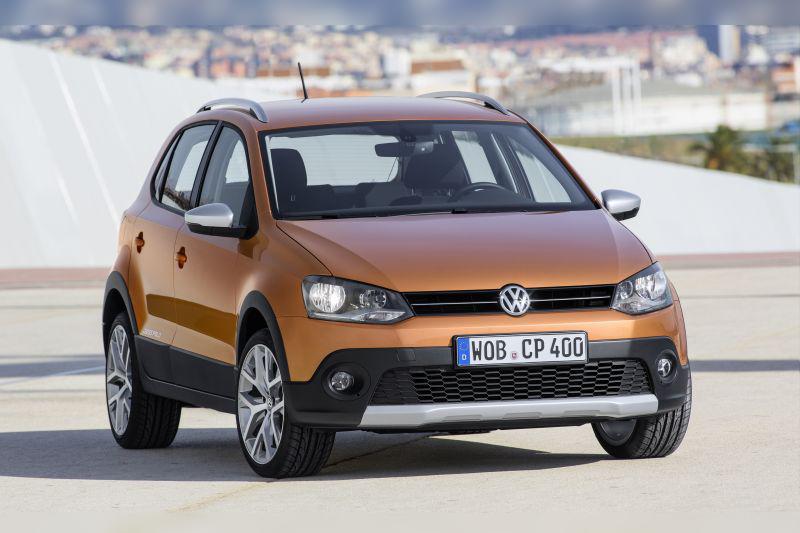
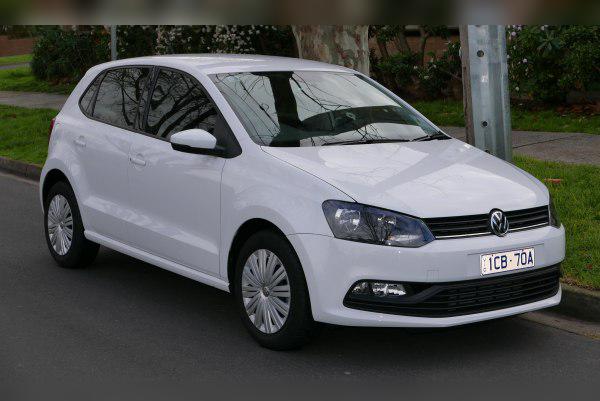
With a power output of 110 HP (81 kW), this engine was the top version of the 1.2 TSI units before they were replaced by the newer 1.0 TSI engines. It was installed in popular B‑segment models such as the VW Polo V (facelift), VW CrossPolo and Seat Toledo IV. It is aimed at drivers who want diesel‑like performance (good torque), but with the quietness and smoothness of a petrol engine.
Technical specifications
| Parameter | Value |
|---|---|
| Engine displacement | 1197 cc (1.2 L) |
| Power | 81 kW / 110 HP at 4600–5600 rpm |
| Torque | 175 Nm at 1400–4000 rpm |
| Engine code | CJZD (EA211 family) |
| Injection system | Direct injection (TSI/FSI) |
| Induction | Turbocharger + intercooler |
| Number of cylinders / valves | 4 cylinders / 16 valves |
Reliability and maintenance
Belt or chain?
This is the most common question, and the answer is positive: The CJZD engine has a timing belt. Unlike older TSI engines that suffered from chain stretching and snapping, the EA211 series uses a reinforced belt. The manufacturer states that the belt is designed to last very long (often “lifetime” or 210,000 km is mentioned), but real‑world experience and common sense suggest otherwise.
Major service (timing service)
Although VW specifies an interval of 210,000 km for belt replacement for some markets, that is too risky. Experienced mechanics recommend:
- First inspection: At 150,000 km or after 10 years.
- Timing kit replacement: No later than between 160,000 km and 180,000 km or every 8–10 years, whichever comes first. Replacement cost is moderate (depends on the market), as access to the engine in the Polo and Toledo engine bays is relatively good.
Most common failures
Although reliable, the CJZD is not immune to problems:
- Turbine actuator (wastegate): The electronic actuator that regulates turbo pressure can get stuck. Symptoms are loss of power (“safe mode”) and the EPC light coming on. It often has to be replaced or refurbished.
- Coolant leaks: The thermostat housing and water pump (driven by a small separate belt on the opposite side of the camshaft) are made of plastic that becomes brittle and cracks over time. If you notice the coolant level dropping, this is the first place to check.
- Carbon buildup: Like every direct‑injection engine, the intake valves are not “washed” by fuel. Over time, carbon deposits form, which can lead to rough idle and a slight loss of power at higher mileage (over 150,000 km).
Oil and spark plugs
The engine takes approximately 4.0 liters of engine oil. The recommended grade is usually 5W‑30 (VW 504.00/507.00 standard), although newer service bulletins may allow 0W‑20 (VW 508.00) for certain markets. Still, 5W‑30 is the golden standard for the longevity of this engine.
Oil consumption: EA211 engines are dramatically better than their predecessors in this regard. However, consumption of 0.2 to 0.5 liters per 10,000 km is completely normal and acceptable. If it uses more than 0.5 liters per 1,000 km, this points to a problem with piston rings or the turbo, but that is rare on CJZD engines that have been regularly maintained.
Spark plugs: As a turbo petrol engine, it is sensitive to spark quality, so spark plugs should be replaced every 60,000 km or 4 years. Use only iridium or platinum plugs specified in the catalog.
Specific parts (costs)
Dual‑mass flywheel
Good news for your wallet: Most models with the 1.2 TSI (110 HP) engine in this class (Polo, Toledo) DO NOT have a dual‑mass flywheel when paired with a manual gearbox. They use a solid flywheel, which is cheaper and more durable. However, with DSG gearboxes the situation is different (see the gearbox section), although the flywheel itself rarely fails before the clutch.
Injection system
The engine uses high‑pressure injectors for direct injection. They are generally reliable but very sensitive to poor fuel quality. The price of a single injector is high (expensive – depends on the market). Symptoms of issues include jerking under acceleration and the “check engine” light. Regular use of fuel system cleaning additives can extend their service life.
Turbocharger
The engine has a single water‑cooled turbocharger. Its service life is usually equal to the life of the engine with proper maintenance (regular oil changes). It is not prone to mechanical failure like on many diesels, provided the engine is not switched off immediately after spirited highway driving.
EGR, DPF and AdBlue
Since this is a petrol engine, it does not have a DPF filter or AdBlue system, which significantly reduces maintenance costs compared to a diesel. It has a catalytic converter that rarely causes problems. As for the EGR valve, it is present, but on petrol engines it clogs far less often than on diesels because petrol produces less soot. EGR issues are rare on the CJZD engine.
Fuel consumption and performance
City driving and “sluggishness”
Is the engine sluggish? Absolutely not. With 110 HP and 175 Nm available from just 1400 rpm, the Polo and Toledo feel very agile. 0–100 km/h takes around 9–10 seconds, which is more than enough for city driving. The engine pulls linearly and quietly.
Real‑world city consumption: Expect between 6.5 and 8.0 l/100 km, depending on traffic and how heavy your right foot is. The start‑stop system helps reduce consumption, but many drivers switch it off to preserve the battery and starter.
Highway
This engine performs very well on the highway thanks to the 6‑speed manual gearbox or 7‑speed DSG. At a speed of 130 km/h, the engine runs at about 2,800–3,000 rpm (in top gear), which is relatively low for a small‑displacement petrol engine.
Cabin noise is minimal, and overtaking is safe without the need to downshift, except on steep inclines. Fuel consumption on the open road is around 5.5 to 6.5 l/100 km.
Additional options and modifications
LPG installation
Is it suitable for LPG? Not an ideal candidate. Due to direct injection (injectors are in the cylinder), a conventional sequential LPG system cannot be installed. You need a system designed for TSI engines that either injects liquid gas (very expensive) or uses a “mixed” system (burns 80–90% LPG and 10–20% petrol to cool the injectors). Given the low petrol consumption, the ROI (return on investment) is very slow unless you drive more than about 25,000 km per year.
Chiptuning (Stage 1)
The CJZD engine has “hidden reserves”. A safe Stage 1 remap can raise power to around 130–135 HP and torque to 210–220 Nm. This turns the car into a real little “pocket rocket”. However, if you have a DSG gearbox, you should be careful with torque increases because the dry clutches of the DSG are sensitive.
Gearbox: Manual and DSG
Manual gearbox (6‑speed)
The 110 HP version usually comes with a 6‑speed manual gearbox. This is a robust and precise unit. Failures are rare. It is recommended to change the gearbox oil at around 150,000 km, even though the manufacturer calls it “lifetime”. Clutch kit replacement is relatively affordable (depends on the market) because there is no dual‑mass flywheel.
Automatic gearbox (DSG – DQ200)
This model uses the DQ200 7‑speed DSG gearbox with dry clutches. This is the area that deserves the most attention.
- Most common failures: Wear of the clutch pack (especially in stop‑and‑go city driving) and mechatronic unit failure (control unit).
- Symptoms: Jerking when moving off, jolts when changing gears (especially from 1st to 2nd or when decelerating), delayed response.
- Maintenance: Although VW says the oil does not need changing (because of the dry clutches), it is recommended to change the oil in the mechatronic and gear section every 60,000–80,000 km at a specialist workshop.
- Cost: Clutch replacement or mechatronic refurbishment falls into the “expensive” to “very expensive” category (depends on the market).
Buying used and conclusion
Before buying a used Seat Toledo or VW Polo with this engine, pay attention to the following:
- Cold start: Listen to the engine when it is cold. Although it has no chain, the hydraulic lifters or cam phaser should not rattle. The engine should quickly settle and run quietly.
- Leaks: Use a flashlight to inspect the area around the water pump and thermostat housing (on the right‑hand side of the engine when viewed from the front). Traces of pink crust are a sign of coolant leakage.
- Test drive (DSG): If you are buying an automatic, warm up the car and drive in heavy traffic. Any jerking when starting uphill or hesitation from the gearbox is a sign that the clutches are worn.
- Diagnostics: Check for any stored faults related to “Boost pressure control” (turbo) or “Misfire” (spark plugs/injectors/carbon buildup).
Conclusion:
The 1.2 TSI (CJZD) engine is an excellent choice. It is the engine that restored confidence in small VW petrol units. It is ideal for drivers who spend most of their time in the city and on regional roads, and want low registration and fuel costs. Combined with the manual gearbox, this is a “bulletproof” (very reliable) option for European conditions. If you opt for the DSG, be prepared to set aside a budget for potential gearbox repairs, but you will enjoy the comfort.
Was this content useful to you?
Your opinion helps us to improve the quality of the content.