AGN Engine
- Engine
- 1781 cm3
- Aspiration
- Naturally aspirated engine
- Fuel
- Petrol (Gasoline)
- Fuel injection system
- Multi-port manifold injection
- Power
- 125 hp @ 6000 rpm
- Torque
- 170 Nm @ 4200 rpm
- Cylinders
- 4
- Valves
- 20, 5 per cylinder
- Cylinders position
- Inline
- Valvetrain
- DOHC
- Oil capacity
- 4.5 l
- Coolant
- 5 l
# Vehicles powered by this engine
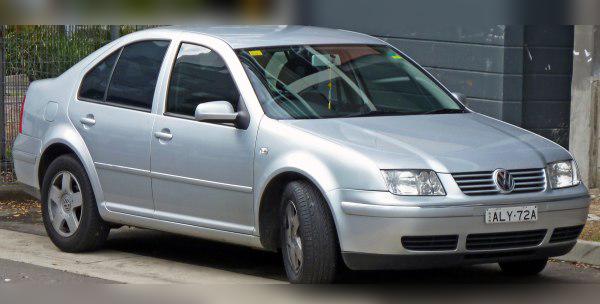
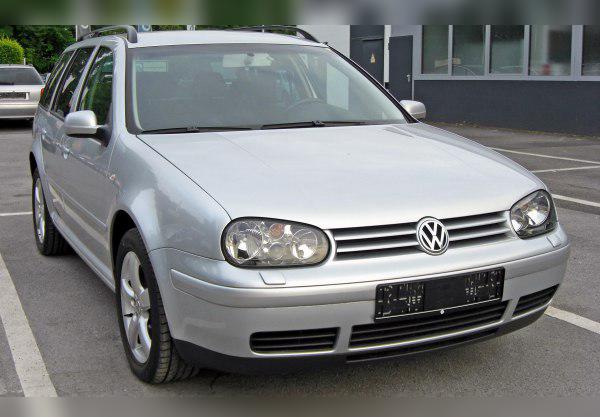
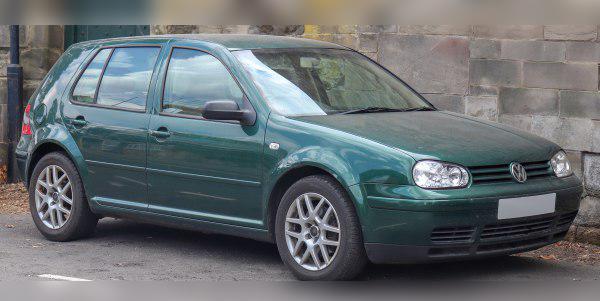
VW/Audi 1.8 20V (AGN) – Experiences, problems, fuel consumption and used-car buying tips
Key points (TL;DR)
- Robust mechanics: Old-school engineering, the engine block is very durable and can cover very high mileage.
- High fuel consumption: By today’s standards it uses a lot, especially in the city (expect over 10 liters).
- Specific timing setup: Uses a timing belt, but also has a small chain at the rear of the cylinder head that connects the camshafts – its tensioner is an expensive item.
- Ideal for LPG: Thanks to indirect injection it works very well with LPG systems.
- Lazy at low revs: Because of the 20V technology (5 valves per cylinder), it delivers power only at higher revs.
- Automatic gearbox: The old 4-speed automatic is slow and often problematic – the manual is a better option.
Contents
Introduction and applications
The engine with the code AGN (and related APG) marked Volkswagen’s entry into the era of multivalve technology in the mid‑90s. This is the naturally aspirated version of the famous 1.8T engine. Its main characteristic is a cylinder head with 5 valves per cylinder (3 intake and 2 exhaust), which was intended to provide better engine “breathing” at high revs.
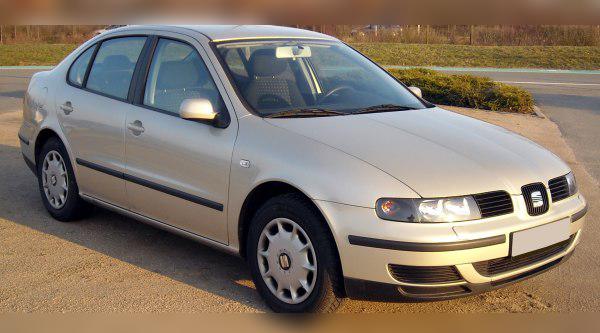
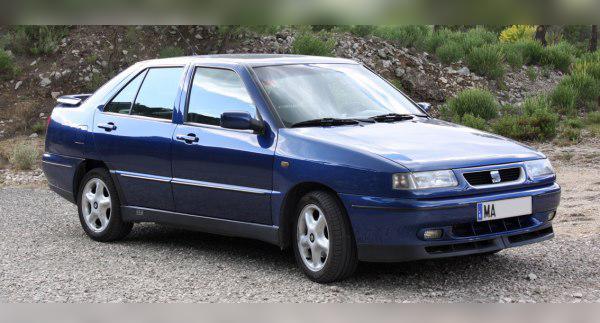
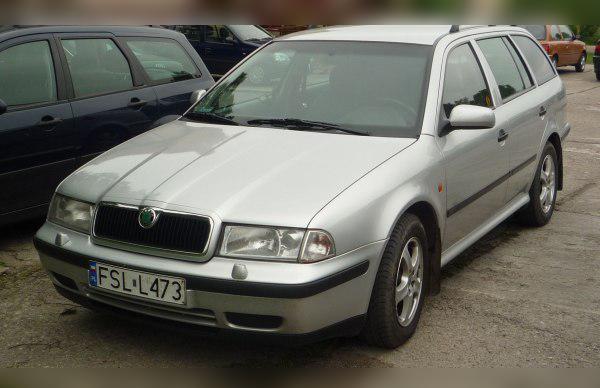
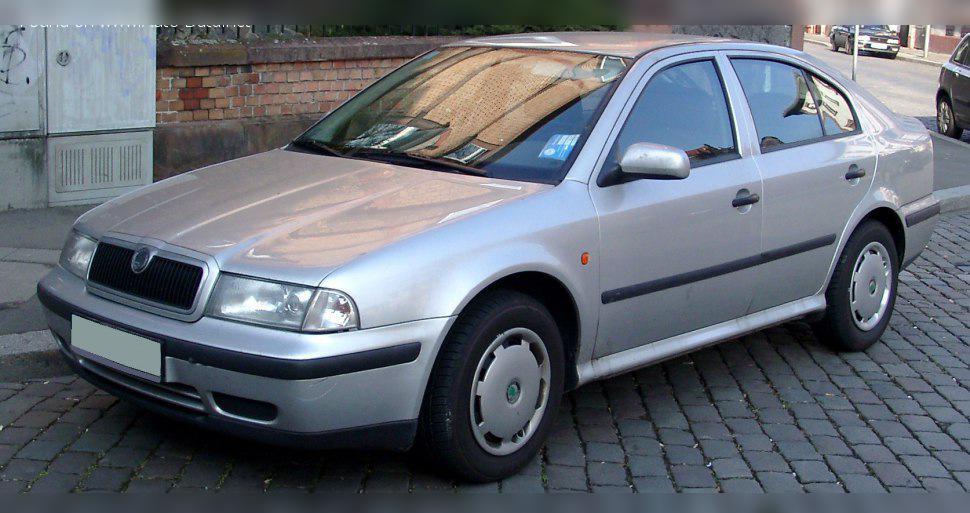
It was installed in a wide range of VAG group vehicles, from the first generation Škoda Octavia and Seat Toledo, all the way to the popular Golf Mk4 and VW Bora. Although today it lives in the shadow of its turbocharged siblings, this engine is still common on our roads as a cheaper alternative in terms of maintenance, especially popular among drivers who value simplicity and the possibility of LPG conversion.
Technical specifications
| Specification | Data |
|---|---|
| Displacement | 1781 cc |
| Configuration | Inline 4-cylinder, 20 valves (DOHC) |
| Power | 92 kW (125 hp) at 6000 rpm |
| Torque | 170 Nm at 4200 rpm |
| Engine code | AGN (most common), APG |
| Injection type | MPI (Multi-point indirect injection) |
| Induction | Naturally aspirated (no turbo) |
Reliability and maintenance
Does this engine have a timing belt or a chain?
This is a trick question to which many mechanics give a half-correct answer. The AGN engine has both. The main timing drive is via a timing belt that drives one (exhaust) camshaft. However, at the rear of the cylinder head (closer to the cabin) there is a small chain that transfers drive from the exhaust to the intake camshaft.
The problem: That small chain has its own hydraulic tensioner. When it starts to fail, you can hear rattling at cold start or while running. Replacing this tensioner and chain is expensive (the parts are costly), and it’s often ignored until it becomes critical.
What are the most common failures on this engine?
Apart from the mentioned cam chain tensioner, here is a list of typical issues:
- Coil packs (ignition coils): They often fail, which leads to the engine running on 3 cylinders, jerking and the “Check Engine” light coming on.
- MAF sensor (airflow meter): Over time it starts giving incorrect readings, the car loses power and fuel consumption increases.
- Throttle body: It gets dirty from oil vapors. The symptom is unstable idle (the needle “wanders” up and down). Cleaning and recalibration usually solve the problem.
- Water pump: The original pumps had plastic impellers that would break off or slip on the shaft, causing overheating. Always install a pump with metal impellers.
- Breather/PCV hoses (oil vapors): They often become brittle and crack, causing vacuum leaks and oiliness around the engine.
At what mileage should the major service (timing) be done?
The factory recommendation used to be optimistic (120,000 km or more), but considering the age of these cars and the quality of parts, the recommendation is to replace the timing belt kit, water pump and tensioners every 60,000 to 80,000 km or every 5 years, whichever comes first. The cam chain is replaced as needed (when it becomes noisy), but it’s wise to inspect it during the major service.
How many liters of oil does this engine take and which grade is recommended?
The sump holds approximately 4.5 liters of oil (including the filter). The recommended grade is 5W-40 (synthetic) that meets VW 502.00 specification. For engines with high mileage, a good quality 10W-40 semi-synthetic oil can be used to reduce consumption and leaks.
Does it consume oil between services?
Yes, 1.8 20V engines are known to “drink” some oil. Consumption of 0.3 to 0.5 liters per 1,000 km is considered “within normal limits” by VW, although it’s annoying for owners. The main culprits are valve stem seals (because with 20 valves there are 20 seals, so the chance of leakage is higher) and oil control rings. If it uses more than 1L per 1000 km, the engine is due for a refresh.
Specific parts (costs)
Does this engine have a dual-mass flywheel?
This depends on the drivetrain variant.
FWD (front-wheel drive): Most models (Golf 4, Octavia, Toledo) with a 5-speed manual use a solid flywheel. This is great news because the clutch kit is cheaper.
4Motion (all-wheel drive): Models such as the Golf 4 Variant 4Motion or Bora 4Motion often have a dual-mass flywheel to dampen vibrations from the propshaft and rear differential. Checking by VIN is mandatory before buying parts.
What kind of injection system does it have and are the injectors problematic?
The system is a classic MPI (Multi Point Injection). The injectors are electromagnetic and very durable. They rarely fail, and even if they clog, they are easily cleaned in an ultrasonic bath. This is one of the most reliable components of this engine.
Does this engine have a turbocharger?
No. The AGN is a naturally aspirated engine. It has no turbocharger, no intercooler, and no expensive pressurized hoses that can burst. That means less power, but also significantly fewer potential maintenance costs compared to the 1.8T version.
Does this model have a DPF filter or an EGR valve?
Since it’s an older-generation petrol engine, it does not have a DPF filter (which diesels have). As for EGR, this engine uses a secondary air injection pump system (often called “SAI pump” or “vacuum cleaner”). It only runs at cold start to heat up the catalytic converter faster.
Failure symptom: If you hear a vacuum-cleaner-like sound during the first 30 seconds after start-up, that’s normal. If the pump “screams” or you hear knocking, the bearings are gone. Many owners have it disabled in software when it fails because a new one is very expensive, and it doesn’t affect driving once the engine is warm.
Fuel consumption and performance
What is the real fuel consumption in city driving?
This is the sore point of the AGN engine. Don’t expect miracles. In heavy city traffic (rush hour), consumption ranges from 10 to 12.5 liters of petrol per 100 km. If it’s an automatic or 4Motion version, add another 1 to 1.5 liters to that figure. In winter, consumption can easily reach 13–14 liters.
Is this engine “lazy” for the weight of the car?
The subjective impression is that it is lazy at low revs (below 3000 rpm). Due to the 5-valve design, the engine really “comes alive” only at higher revs. Unlike modern turbo petrols or TDI engines that pin you to the seat at 2000 rpm, this engine needs to be revved harder to pull properly. However, with 125 hp it moves the body of a Golf IV or Octavia quite adequately once you “spin it up”. It’s not a sports car, but it’s not terribly slow either.
What is it like on the motorway?
On the motorway it’s stable, but noisy. Due to the short gearing of the 5-speed gearbox, at 130 km/h the engine spins at around 4000 rpm. This creates noise in the cabin and increases fuel consumption (around 8–9 l/100 km). It’s not an ideal long-distance cruiser if you’re sensitive to noise, but it has enough power for overtaking without necessarily downshifting.
Additional options and modifications
Is this engine suitable for LPG conversion?
Absolutely yes. This is one of the best engines for LPG conversion. It has a metal intake manifold (on most variants) and hydraulic lifters, which means it doesn’t require additional valve clearance adjustment. With a quality sequential LPG system, the engine behaves identically to when it runs on petrol, and driving becomes economically viable. The tank is usually installed in the spare-wheel well.
How far can this engine be safely “chipped” (Stage 1)?
Don’t waste your money. Since it’s a naturally aspirated engine, “chipping” (remap) brings a negligible gain of 5 to 8 hp, which you won’t really feel in everyday driving. The only benefit might be a slightly better throttle response, but considering the cost – it’s not worth it. If you want more power, buy a 1.8T.
Gearbox
Which gearboxes are used and what are the common issues?
Manual (5-speed): Code 02J or similar. Very reliable. The most common issue is difficulty engaging first gear or reverse due to play in the shift linkage (plastic bushings wear out, the repair is cheap).
Automatic (4-speed): Code 01M. This is an old-type gearbox with a torque converter. Avoid it if possible. It’s known for overheating, harsh shifting and failures of the valve body. Rebuilding it is often more expensive than the value of the whole car.
Clutch replacement cost
For versions with a solid flywheel (most FWD models), the clutch kit (pressure plate, disc, release bearing) is not expensive – it falls into the mid-price range. If you have a 4Motion with a dual-mass flywheel, the price increases drastically (almost double or triple).
Gearbox servicing
Manual: VW says the oil is “lifetime fill”, but in practice: change the oil every 100,000 km (75W-90 is used).
Automatic: Oil and filter must be changed every 60,000 km. If this is not done, the gearbox will inevitably fail.
Buying used and conclusion
What to check before buying?
- Cold start: Listen for chain rattling from the rear of the engine during the first 2–3 seconds. If it lasts longer, the tensioner needs replacing.
- Idle: It should be stable. If it fluctuates, the throttle body is dirty or faulty.
- Oil cap: Remove it while the engine is running. If there is a lot of blow-by or “mayonnaise” (emulsion), walk away from that car.
- Exhaust smoke: Bluish smoke when you blip the throttle or after idling indicates worn valve stem seals.
- 4Motion (if fitted): Check whether the rear wheels are actually driving (do a hard start on a slippery/gravel surface). The Haldex coupling must be properly maintained.
Final verdict
The 1.8 20V (AGN) engine is a “golden middle ground” for drivers who want simplicity and cheaper maintenance compared to diesels or turbo petrols, and are willing to accept higher fuel consumption. It is an ideal candidate for LPG conversion, which neutralizes the fuel consumption issue. It is recommended in a Seat Toledo, Škoda Octavia or Golf IV estate, as it has enough power to carry the load.
Avoid: Versions with automatic gearbox and unverified cars that already have a low-quality LPG system installed.
Was this content useful to you?
Your opinion helps us to improve the quality of the content.