CPGA Engine
- Engine
- 999 cm3
- Aspiration
- Naturally aspirated engine
- Fuel
- Petrol / CNG
- Fuel injection system
- Multi-port manifold injection
- Power
- 68 hp @ 6200 rpm
- Torque
- 90 Nm @ 3000 rpm
- Cylinders
- 3
- Valves
- 12, 4 per cylinder
- Cylinders position
- Inline
- Valvetrain
- DOHC
- Oil capacity
- 3.4 l
- Coolant
- 4.2 l
- Systems
- Particulate filter
# Vehicles powered by this engine
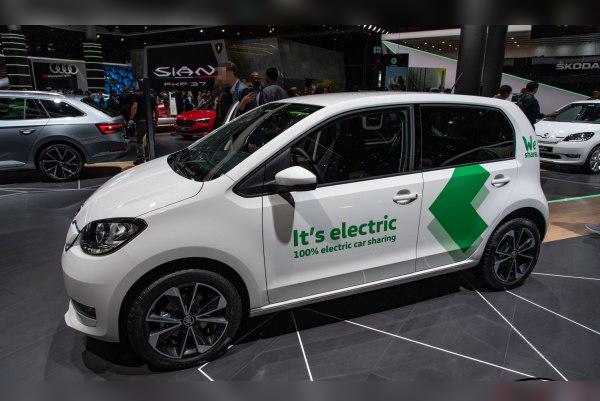
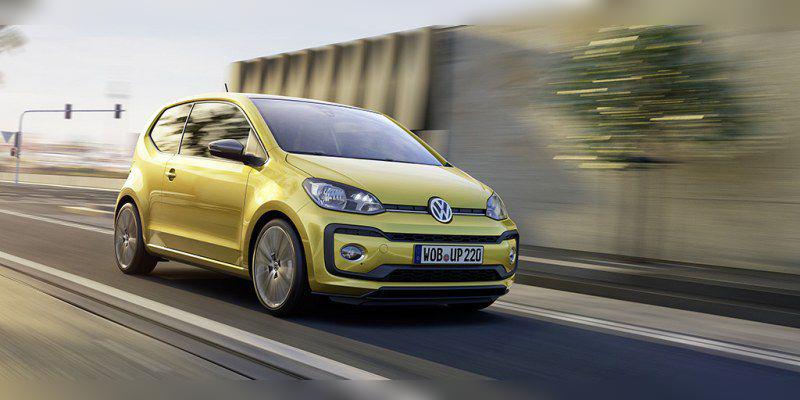
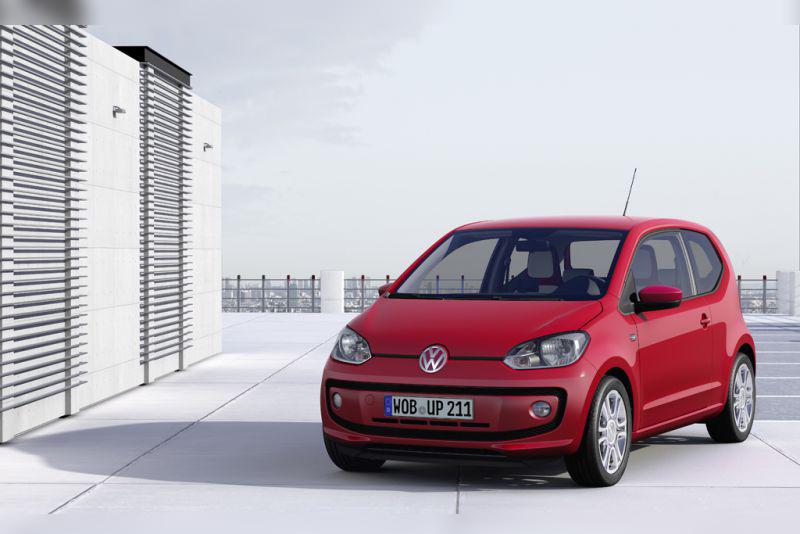
VW / Škoda 1.0 CPGA (68 hp) CNG: Experiences, problems, fuel consumption and buying used
Key points (TL;DR)
If you don’t have time to read the whole article, here’s the essence of the 1.0 CPGA EcoFuel / G-TEC engine:
- Exceptional efficiency: This is a factory CNG (methane) engine. Running costs are lower than with any diesel or hybrid.
- Reliable mechanics: It belongs to the EA211 series, uses a timing belt (not a chain) and is very durable.
- Modest performance: With only 68 hp and 90 Nm, this is strictly a city car. Overtaking requires patience.
- Specific fuel tanks: It has a small petrol tank (around 10 liters) and large methane cylinders. This makes it dependent on CNG stations.
- Maintenance: Cheap for regular servicing, but the gas pressure regulator and methane injectors can be expensive if they fail.
- Recommendation: Ideal for city deliveries, sales reps or students who want the cheapest possible transport.
Contents
- Introduction and use cases
- Technical specifications
- Reliability, maintenance and failures
- Specific parts and costs
- Fuel consumption and performance
- Additional options and modifications
- Gearbox and drivetrain
- Buying used and conclusion
Introduction and use cases
The engine code CPGA denotes a specific version of Volkswagen’s 1.0 MPI three‑cylinder from the EA211 family, adapted to run on compressed natural gas (CNG). It was primarily installed in VAG group “city cars” – the Volkswagen Up! EcoFuel and Škoda Citigo G-TEC (facelift models after 2016/2017). Its purpose is not power, but the lowest possible cost per kilometer and low emissions.
Unlike aftermarket LPG/CNG kits, this is a factory‑reinforced engine (valves, valve seats) designed to withstand higher methane combustion temperatures, and the system is fully integrated into the ECU.
Technical specifications
| Specification | Data |
|---|---|
| Engine code | CPGA |
| Displacement | 999 cc (1.0 l) |
| Configuration | 3 cylinders, inline |
| Power | 50 kW (68 hp) at 6200 rpm |
| Torque | 90 Nm at 3000 rpm |
| Fuel | CNG (methane) / petrol |
| Aspiration | Naturally aspirated |
| Injection | MPI (multi‑point injection) – indirect |
| Emission standard | Euro 6 |
Reliability, maintenance and failures
Belt or chain?
Unlike older VW three‑cylinders that had troublesome chains, the CPGA engine uses a timing belt. This is very good news. The belt on EA211 engines is designed to last a long time. Although the manufacturer often states inspection intervals of 240,000 km, real‑world and safe practice (especially for city cars that idle a lot) is to do the major service between 160,000 km and 180,000 km, or every 8 to 10 years, whichever comes first. The timing kit is not expensive.
Most common failures
This engine is mechanically very robust, but it has a few weak points:
- Water pump: The water pump and thermostat housing are made of plastic. Over time, due to heat cycles, the plastic can crack, leading to coolant leaks. If you notice the coolant level dropping, this is the first place to check.
- CNG system: While the engine itself is good, the gas peripherals can be problematic. The gas pressure regulator can fail (electronically or mechanically), which prevents running on methane. Also, the valves on the cylinders themselves can corrode (there was a recall on older models, so check the service history).
- Ignition coils: As with any petrol engine, coils can fail, causing the engine to run on two cylinders and triggering the check‑engine light.
Oil and service intervals
The engine takes approximately 3.4 to 3.6 liters of oil (always buy 4 liters). The recommended grade is 5W-30 or 5W-40 with specification VW 502.00. Due to higher methane combustion temperatures, it is strongly recommended to change the oil every 10,000 km to a maximum of 15,000 km. Do not use 30,000 km “Long Life” intervals on this engine if you want it to last.
Oil consumption: These engines generally do not consume oil in alarming amounts while in good condition. Consumption of up to 0.5 liters per 10,000 km is acceptable. Higher consumption usually indicates stuck piston rings caused by poor maintenance or overly long oil change intervals.
Spark plugs and injectors
Since the engine runs on CNG, the spark plugs are under higher thermal load. While on pure petrol engines they are changed at 60,000 km, on the CPGA engine it is recommended to replace spark plugs every 30,000 to 40,000 km. Use only plugs specified for the CNG version.
As for the petrol injectors, they are standard MPI units and very durable. However, problems can occur if the car is never driven on petrol. It is recommended to occasionally run through a tank of petrol to keep the injectors clean. Methane injectors are also reliable, but they are sensitive to impurities in the gas (depending on station fuel quality).
Specific parts and costs
Here we come to some good news for your wallet:
- Dual‑mass flywheel: This engine does not have a dual‑mass flywheel. It uses a conventional solid flywheel, which means clutch replacement is much cheaper (depends on the market, but it’s in the “affordable repair” category).
- Turbocharger: The engine is naturally aspirated, so it has no turbocharger. One major worry less.
- EGR and DPF: There is no DPF filter (because it’s not a diesel). As for EGR, modern petrol engines use variable valve timing to achieve a similar effect, so the classic EGR valve that clogs and sticks is usually not an issue here as it is on diesels.
- AdBlue: No AdBlue system.
However, a specific cost on this model is the certification and inspection of the methane cylinders. The cylinders have a service life (usually 20 years), but they must be periodically visually inspected and certified in accordance with local regulations. Replacing the cylinders is very expensive.
Fuel consumption and performance
Real‑world consumption
This is the CPGA engine’s strongest asset. Consumption is measured in kilograms of methane.
- City driving: Realistically expect consumption of 3.5 to 4.5 kg of methane per 100 km.
- Highway / open road: It can drop to 2.9 to 3.3 kg/100 km with gentle driving.
Given the price of methane, this is one of the cheapest modes of transport available.
Performance: is it “sluggish”?
Let’s be honest – yes, it is sluggish. With 90 Nm of torque available only at 3000 rpm, this engine requires frequent gear changes. In a VW Up! or Citigo, it is perfectly adequate in the city (lively up to 50 km/h). However, as soon as you hit an uphill stretch with the A/C on and two passengers, you will feel the lack of power. Overtaking on country roads requires good judgement and dropping to third gear.
Behavior on the motorway
The car can do 130 km/h, but that is not its natural habitat. At 130 km/h the engine revs quite high (close to 4000 rpm), which creates noise in the cabin. Top speed is around 165 km/h, but it takes a long time to get there. This is an engine for the right lane.
Additional options and modifications
LPG conversion: This question is moot because the engine already runs on CNG (methane). Installing LPG on a CNG vehicle makes no technical or economic sense.
Remapping (Stage 1): Can it be remapped? Yes, but there is no point. This is a small‑displacement naturally aspirated engine. A “Stage 1” remap might give you 3 to 5 hp and a few Nm of torque, which you will not really feel in everyday driving. A waste of money. You’re better off investing that money in quality tyres or proper servicing.
Gearbox
The 1.0 CPGA engine is almost exclusively paired with a 5‑speed manual gearbox (from the MQ200 family). Automatic gearboxes are rare in combination with CNG in this class.
Gearbox maintenance
This manual gearbox is extremely reliable and precise. There are no typical failures if it is used normally. Although VW says the gearbox oil is “lifetime fill”, any experienced mechanic will recommend changing the gearbox oil at around 150,000 – 200,000 km. It’s a small expense (about 2 liters of oil) and it extends the life of the synchros and bearings.
The clutch is light and pleasant for city driving. Clutch replacement costs are relatively low because, as mentioned, there is no dual‑mass flywheel.
Buying used and conclusion
What to check before buying?
- Operation on both fuels: Be sure to test whether the car runs smoothly on both petrol and methane. Switching between fuels should be seamless. If it struggles to start or stalls when switching, suspect the pressure regulator or injectors.
- Condition of the cylinders: Ask for the cylinder certification papers. Check (as much as possible from underneath) for corrosion on the cylinders or protective covers.
- Noises on cold start: Although it has a belt, the engine should run smoothly. Knocking can indicate piston issues (piston pins), which have occurred on some high‑mileage 1.0 engines.
- Coolant leaks: On the left side of the engine (near the belt), check for traces of pink residue (antifreeze) on the pump housing.
Conclusion
The VW/Škoda 1.0 CPGA (68 hp) is an economy champion. If you need a car for food delivery, daily commuting through city traffic, or as a second family car, it is an excellent choice. It is very reliable and cheap to maintain.
However, if you plan frequent long‑distance trips, live in hilly areas, or are bothered by the small boot (because of the cylinders), you’re better off looking for a conventional 75 hp petrol version or a 1.0 TSI engine. Also, before buying, check the map of CNG stations in your area, because with a small petrol tank, dependence on methane is high.
Was this content useful to you?
Your opinion helps us to improve the quality of the content.