EA189 / CAYB Engine
- Engine
- 1598 cm3
- Aspiration
- Turbocharger, Intercooler
- Fuel
- Diesel
- Fuel injection system
- Diesel Commonrail
- Power
- 90 hp @ 4200 rpm
- Torque
- 230 Nm
- Cylinders
- 4
- Valves
- 16, 4 per cylinder
- Cylinders position
- Inline
- Valvetrain
- DOHC
- Oil capacity
- 4.3 l
- Coolant
- 8 l
- Systems
- Particulate filter
# Vehicles powered by this engine
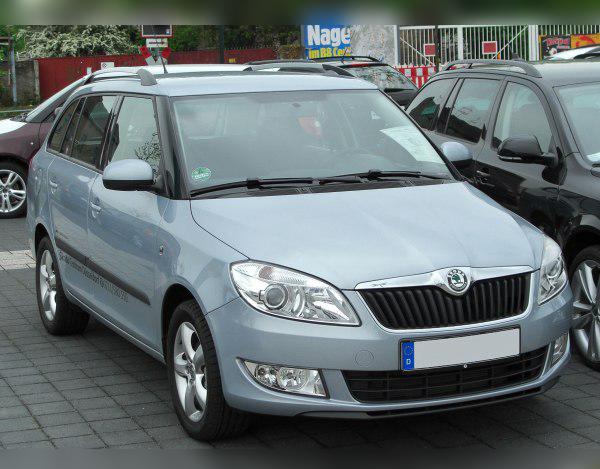
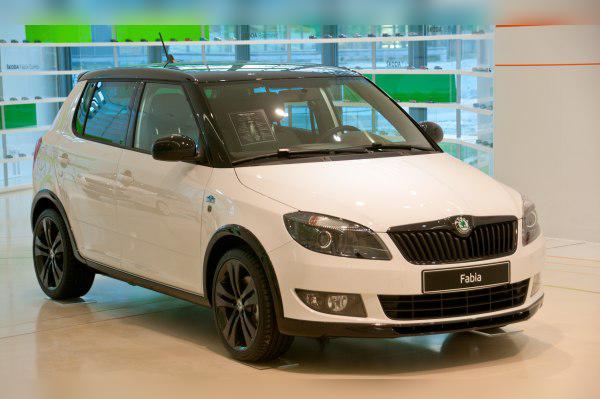
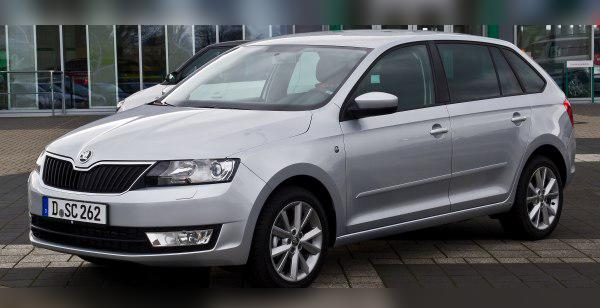
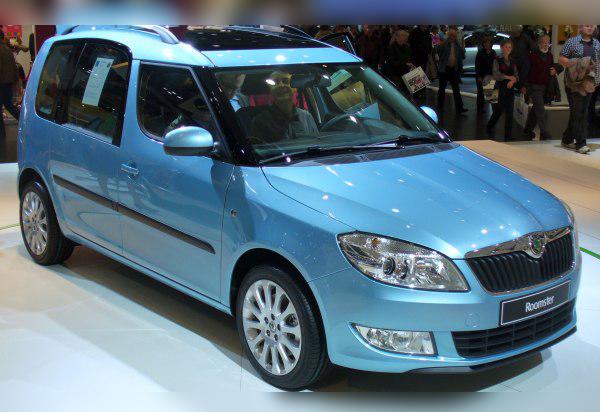
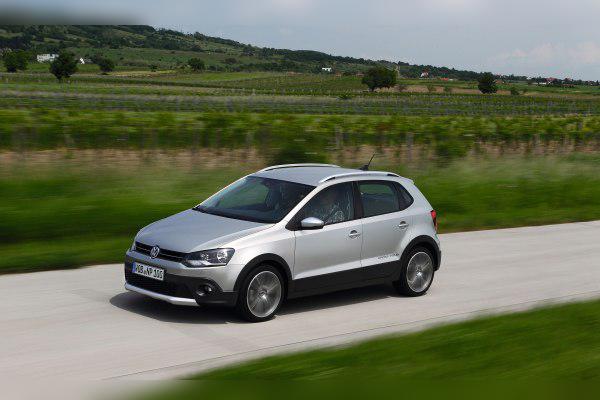
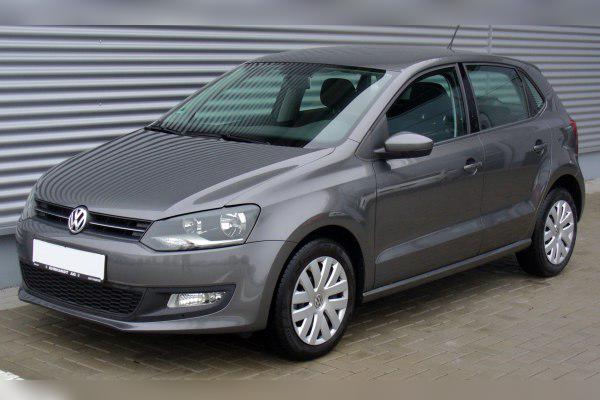
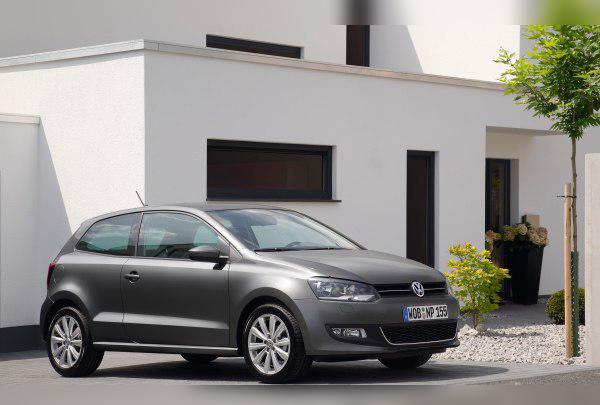
1.6 TDI (CAYB) 90 HP – Experiences, Problems, Fuel Consumption and Buying Tips
When the Volkswagen Group decided to retire the legendary 1.9 TDI, the shoes the new engine had to fill were enormous. The result is the EA189 1.6 TDI. This is an engine you’ll find in countless taxis, company cars and family vehicles all across Europe. The 90 HP version (engine code CAYB) represents the “golden middle ground” for smaller cars such as the Polo and Fabia – modern enough to be quiet and economical and (in theory) free of some of the expensive components found on the more powerful versions.
However, this engine is not without sin. From a sensitive injection system to EGR valve issues, owners must be prepared for a certain level of maintenance if they want this diesel to cover hundreds of thousands of kilometers. Below is a detailed analysis.
1. Key points in short (TL;DR)
- Reliability: Generally high mechanical durability, but peripheral components (EGR, injectors) drag the average down.
- Biggest expense: Piezo injectors (Siemens/Continental) are sensitive and expensive to replace.
- Advantage of the 90 HP version: Many models do not have a dual-mass flywheel (they use a solid flywheel), which drastically reduces clutch maintenance costs.
- Fuel consumption: Extremely economical, realistically around 5.0–5.5 liters combined.
- Gearbox: The 5-speed manual is excellent; the 7-speed DSG (dry clutch) requires caution and thorough checking.
- Dieselgate: This engine is at the center of the scandal; vehicles with “updated” software often suffer more frequent EGR valve failures.
- Recommendation: An excellent choice for drivers who cover a lot of kilometers, provided the condition of the injectors is checked before purchase.
2. Contents
- Technical specifications
- Reliability and Maintenance
- Specific Components (Injectors, Turbo, DPF)
- Fuel Consumption and Performance
- Additional Options and Modifications (Tuning)
- Gearbox: Manual vs DSG
- Buying Used and Conclusion
Technical specifications
| Engine displacement | 1598 ccm |
| Power | 66 kW (90 HP) at 4200 rpm |
| Torque | 230 Nm at 1500–2500 rpm |
| Engine code | CAYB (EA189 family) |
| Injection type | Common Rail (Piezo injectors) |
| Charging | Variable-geometry turbocharger (VGT) + intercooler |
| Valves | 16V (4 valves per cylinder), DOHC |
| Emissions standard | Euro 5 |
Reliability and Maintenance
Timing belt or chain?
The 1.6 TDI CAYB engine uses a timing belt to drive the camshafts. This is good news because the system is quieter and generally more predictable than the chains on some TSI engines from the same period. The factory replacement interval is often optimistically set at 210,000 km, but in practice it’s not wise to wait that long.
Recommendation: Do the major service at a maximum of 160,000 to 180,000 km or every 5 to 7 years, whichever comes first. A snapped belt leads to total engine failure (pistons and valves colliding).
Most common failures
Although the engine block itself is solid (“bulletproof”), the peripherals cause headaches:
- EGR valve and EGR cooler: This is the “Achilles’ heel” of this engine. The EGR cooler often starts leaking, causing the engine to lose coolant, or the flap gets stuck due to soot buildup. Symptoms include loss of power, a “Check Engine” light and the car going into limp mode.
- Exhaust gas pressure sensor (G450): A very common and cheap failure, but it can prevent DPF regeneration.
- Water pump: It often leaks or seizes before the scheduled major service. That’s why it should always be replaced together with the belt.
Oil: Capacity and Consumption
This engine takes about 4.3 liters of engine oil. You must use fully synthetic 5W-30 oil that meets the strict VW 507.00 standard (because of the DPF filter).
Oil consumption: A healthy 1.6 TDI should not consume a significant amount of oil. Consumption up to 0.5 liters per 10,000 km is acceptable, but anything above that points to problems with piston rings, the turbocharger or leaks. If you notice that the oil level is rising, it’s a sign that diesel is entering the sump due to failed DPF regenerations – in that case an urgent oil change and service are required.
Injectors
This is a critical point. The CAYB engine uses Siemens/Continental piezo injectors. They are sensitive to poor fuel quality. Unlike the older solenoid injectors, these are harder and more expensive to refurbish (often the only option is buying new or factory-refurbished units).
Symptoms of bad injectors: Rough idle (the engine shakes), a characteristic knocking or metallic sound under acceleration (“knocking”), and difficult starting. Their lifespan is unpredictable – they can last 250,000 km, but can also fail at 150,000 km.
Specific Components (Costs and Solutions)
Does it have a dual-mass flywheel?
This is one of the biggest advantages of the 90 HP version in smaller vehicles (Polo, Fabia). Most models with the 5-speed manual gearbox have a solid (single-mass) flywheel. This means that when the time comes to replace the clutch, the cost is significantly lower (almost half the price compared to models with a dual-mass flywheel).
Exception: Models with a Start/Stop system, GreenLine versions and models with a DSG gearbox almost always have a dual-mass flywheel, regardless of the 90 HP output. Always check by VIN before buying!
Turbocharger
The engine has a single turbocharger with variable geometry (VGT). The turbo is generally reliable and often outlives the car itself with regular oil changes. Problems can occur with the actuator (vacuum or electronic) that controls the geometry, which leads to loss of power (“turbo lag” or overboost). Rebuilding is possible and prices are moderate (depending on the market).
DPF and EGR
The model is equipped with a DPF filter (Diesel Particulate Filter) as standard. If the car is driven exclusively in the city, the DPF clogs quickly. The symptom is the DPF warning light on the dashboard. Passive regeneration requires driving on an open road at higher revs.
The EGR valve is, as mentioned, a consumable item on this engine. Cleaning rarely helps in the long run; replacement is the best solution, but the part is not cheap.
AdBlue
No. EA189 (Euro 5) engines in this generation (Polo V, Fabia II, Rapid) do not have an AdBlue system. They rely only on EGR and DPF to control emissions. That’s one less thing for the owner to worry about (no AdBlue heater, no pump, no topping up the fluid).
Fuel Consumption and Performance
Real-world fuel consumption
This is the strongest selling point of the 1.6 TDI engine.
- City driving: Expect between 5.5 and 6.5 l/100 km, depending on traffic and how heavy your right foot is. The Start/Stop system helps a bit here.
- Open road: With gentle driving (80–90 km/h) consumption drops to a ridiculous 3.8–4.5 l/100 km.
- Motorway (130 km/h): Around 5.0–5.5 l/100 km.
Is the engine “lazy”?
With 230 Nm of torque available from just 1500 rpm, the engine feels lively in city driving. In models such as the VW Polo or Škoda Fabia, 90 HP is more than enough for the average driver.
However, in a Škoda Rapid or Roomster, if the car is fully loaded with passengers and luggage, you will feel the lack of power when overtaking on inclines. The engine runs out of breath above 3500 rpm, so there’s no point in revving it hard.
Behaviour on the motorway
The engine has no problem maintaining 130 km/h and even more. However, most of these models come with a 5-speed gearbox. This means that at 130 km/h the engine spins at around 2500 rpm (depending on the model). Cabin noise is present but acceptable. The lack of a 6th gear is noticeable in both fuel consumption and noise at speeds above 140 km/h.
Additional Options and Modifications
Remapping (Stage 1)
The 1.6 TDI CAYB is “detuned” in software. Hardware-wise it is almost identical to the more powerful 105 HP version (CAYC). This makes it an ideal candidate for remapping.
Stage 1: A safe power increase goes to 130–140 HP and torque to about 280–300 Nm. The difference in driving is dramatic – the car feels transformed. If done properly, this does not significantly shorten the engine’s lifespan, provided the clutch and turbo are not already near the end of their life. Fuel consumption in normal driving can even slightly decrease.
Gearbox: Manual vs DSG
Gearbox options
- Manual (5-speed): The most common choice. The gearbox code is usually from the MQ250 series.
- DSG (7-speed): Code DQ200. This is a dual-clutch gearbox.
Problems and Maintenance
Manual gearbox: Very reliable. Failures are rare, usually limited to oil leaks at the seals after high mileage. Oil change in the gearbox is not prescribed by the manufacturer (“fill for life”), but experienced mechanics recommend changing it every 100,000–150,000 km for smoother shifting and to protect the bearings.
DSG (DQ200): This is the version with “dry” clutches. Unfortunately, this gearbox is known for its issues. The mechatronics unit (the brain of the gearbox) often fails, and the clutch pack wears out faster in city stop-and-go driving. Repairs are very expensive (depending on the market, but expect a serious bill). The oil in the gearbox itself (gears) is changed, while the mechatronics unit has its own separate oil.
Buying Used and Conclusion
What to check before buying?
- Cold start: The engine should start immediately. Listen to how it runs in the first minute or two. Any uneven “tak-tak-tak” or fluctuating revs indicates bad injectors.
- Injector diagnostics: Always read the injector correction values with diagnostics. Large deviations mean an expensive failure is coming soon.
- Coolant expansion tank: Check the color of the coolant. If it’s dirty or the level is low, suspect the EGR cooler or (less often) the head gasket.
- DPF status: Check the DPF load (ash content) via diagnostics.
- Test drive: If the car jerks under light throttle between 1800 and 2000 rpm, this is often a sign of problems with the EGR or injectors.
Conclusion
The 1.6 TDI (90 HP) is a workhorse of the modern automotive industry. It’s not exciting, but it is efficient. If you’re looking for economical transport from point A to point B, this is a good choice.
Who is it for? Drivers who cover more than 15,000 km per year, mostly on open roads or in mixed driving. For strictly city driving, a petrol engine is a better (and cheaper) option because of the DPF.
Best buy: Manual gearbox, without Start/Stop (if you can find one), with proof that the injectors or EGR have already been replaced. Avoid cars with suspiciously low mileage, because this engine is bought to be driven.
Was this content useful to you?
Your opinion helps us to improve the quality of the content.