EA111 / CBZB Engine
- Engine
- 1197 cm3
- Aspiration
- Turbocharger, Intercooler
- Fuel
- Petrol (Gasoline)
- Fuel injection system
- Direct injection
- Power
- 105 hp @ 5000 rpm
- Torque
- 175 Nm
- Cylinders
- 4
- Valves
- 8, 2 per cylinder
- Cylinders position
- Inline
- Valvetrain
- SOHC
- Oil capacity
- 3.6 l
- Coolant
- 5.6 l
- Systems
- Start & Stop System
# Vehicles powered by this engine

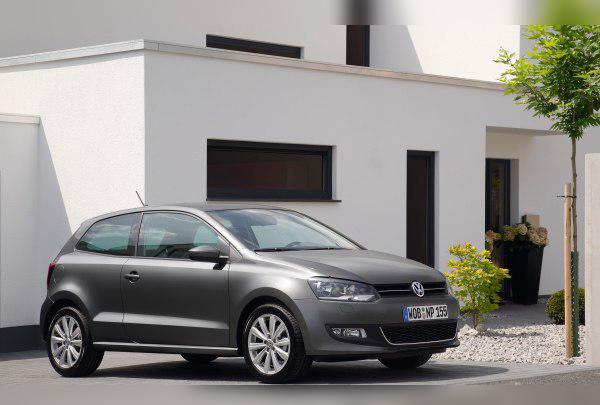
1.2 TSI (EA111 / CBZB) – The Most Important in Short (TL;DR)
If you don’t have time to read the whole article, these are the key things you must know about the 1.2 TSI 105 hp engine:
- Timing drive (Chain): This is the chain-driven version (EA111), not the newer belt-driven one. The chain is the main weak point and tends to stretch.
- Performance: Surprisingly lively engine. Thanks to the turbo, it has torque (175 Nm) available very low in the rev range, so it drives nicer than the old naturally aspirated 1.6 units.
- Oil consumption: Older examples tend to “drink” oil. Regular dipstick checks are a must.
- Turbo issues: The turbo actuator (wastegate valve) often sticks, which leads to loss of power.
- City driving: Ideal for city use (Polo, Fabia), but in heavier cars (Yeti) it struggles on the motorway at higher speeds.
- Recommendation: Buy only if the chain has already been replaced with a modified kit, or if you plan to do it immediately after purchase.
Contents
- Introduction: A “Downsizing” Pioneer
- Technical Specifications
- Reliability and Maintenance
- Specific Parts and Costs
- Fuel Consumption and Performance
- Additional Options (LPG and Remapping)
- Gearbox (Manual and DSG)
- Buying Used and Conclusion
Introduction: A “Downsizing” Pioneer
The engine designated EA111 with code CBZB represented a small revolution within the Volkswagen Group. It replaced the legendary but outdated 1.6 MPI naturally aspirated engines. The goal was clear: smaller displacement, lower fuel consumption, but more power and torque thanks to the turbocharger.
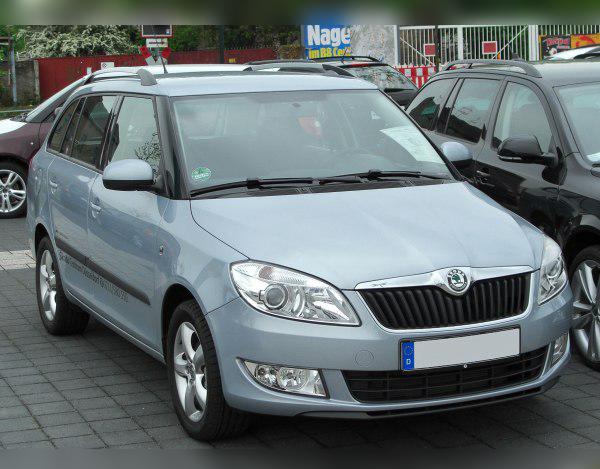
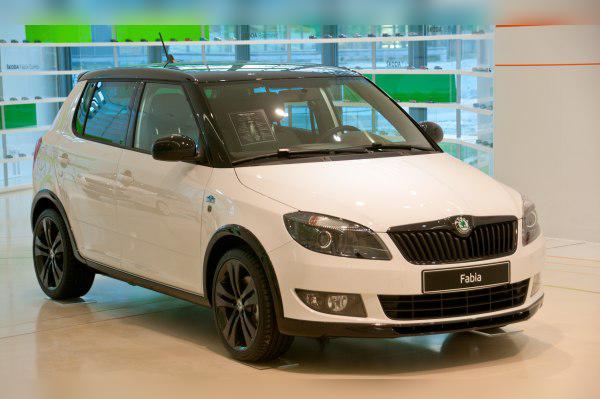
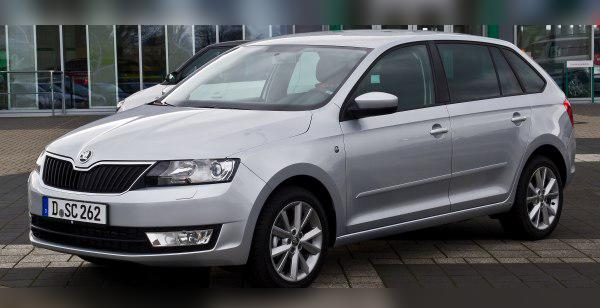
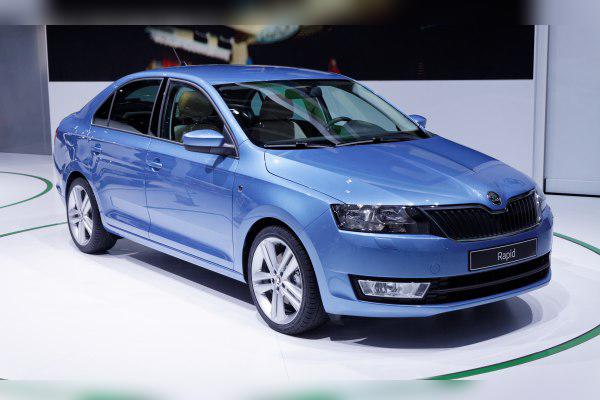
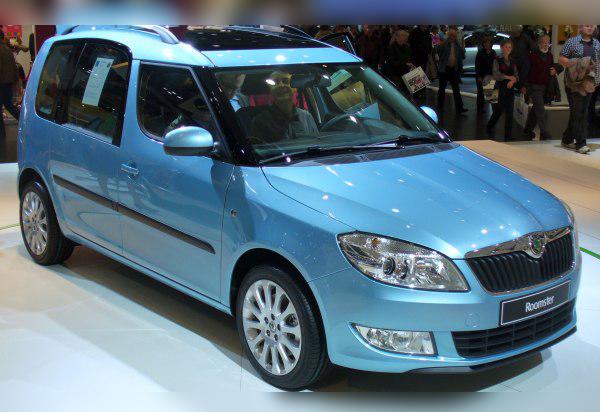
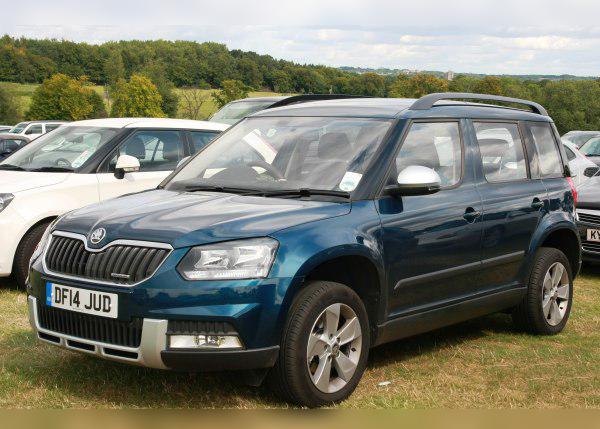
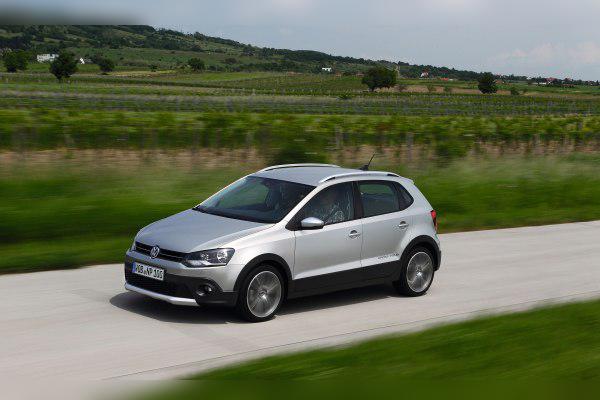
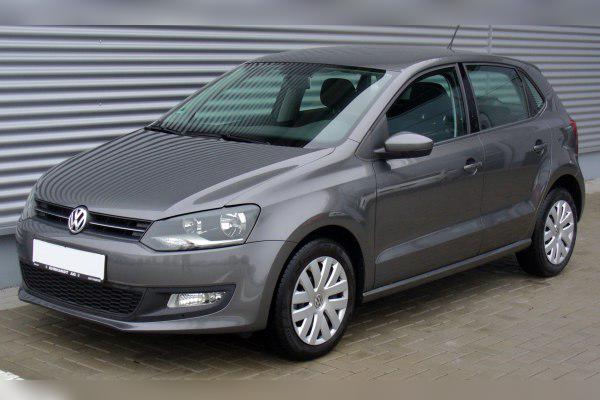
It was installed in a wide range of models, from the small VW Polo and Škoda Fabia, all the way to family models such as Škoda Rapid, Roomster, and even the boxy SUV Škoda Yeti. Although 1.2 liters sounds “weak” on paper, in practice this is a very flexible engine. Still, as a pioneer of new technology, it suffers from several “childhood diseases” that used-car buyers must know about before they open their wallet.
Technical Specifications
| Parameter | Data |
|---|---|
| Displacement | 1197 cc |
| Configuration | Inline 4-cylinder, 8-valve (SOHC) |
| Power | 77 kW (105 hp) @ 5000 rpm |
| Torque | 175 Nm @ 1550–4100 rpm |
| Engine code | CBZB (EA111 family) |
| Injection type | Direct injection (TSI/FSI) |
| Charging | Turbocharger + intercooler |
| Timing drive | Chain |
Reliability and Maintenance
Does this engine have a timing belt or a chain?
The CBZB (EA111) engine uses a timing chain. This is the most critical point of this engine. The original factory chain was prone to stretching even at low mileage (sometimes even before 50,000 km). The problem was often also in the hydraulic chain tensioner, which did not hold pressure well during cold starts. The symptom is a metallic rattle (like shaking a box of screws) for the first few seconds after starting. If ignored, the chain can jump a tooth, which leads to catastrophic engine failure (pistons hitting the valves). Later, modified chain kits were introduced, which are more durable.
Note: Do not confuse this engine with the newer 1.2 TSI (EA211) used in the Golf 7, which has a timing belt – they are completely different engines.
What are the most common failures on this engine?
Besides the chain, there are also:
- High-voltage ignition leads: They often fail due to heat or rodents (martens), which leads to the engine running on 3 cylinders and the “Check Engine” light coming on.
- Increased oil consumption: On higher-mileage engines, the oil control rings can get stuck, or the turbo can start leaking oil.
- Carbon buildup: Due to direct injection, the intake valves are not washed by fuel, so carbon deposits build up on them over time and choke the engine.
At what mileage is the “major service” done?
On chain-driven engines, a classic “major service” like on belt-driven ones does not exist at a fixed interval. However, in practice it has turned out that the chain should be replaced preventively between 100,000 and 120,000 km, or IMMEDIATELY as soon as you hear rattling at startup. Along with the chain, the guides, tensioner and sprockets are replaced. The water pump is driven by a separate belt, not the chain, so it is replaced as needed or at around 150,000 km.
How many liters of oil does this engine take and which grade is recommended?
The sump holds approximately 3.6 to 3.9 liters of oil (depending on filter size and procedure). It is mandatory to use oil that meets the VW 504.00 / 507.00 specification (LongLife) or VW 502.00 for fixed intervals. The most common grade is 5W-30.
Does it consume oil between services?
Yes, the 1.2 TSI EA111 is known for liking to “drink” oil. Consumption of 0.5 liters per 1,000 km is considered acceptable by the (often overly liberal) factory standards, but in practice a healthy engine should not consume more than 1 liter per 10,000 km. If you have to top up a liter every 1,000–2,000 km, the engine is ready for serious overhaul (rings or turbo).
At what mileage should the spark plugs be replaced?
The recommendation is to replace the spark plugs every 60,000 km. However, given the sensitivity of the ignition coils on this engine, experienced mechanics advise shortening the interval to 30,000 to 40,000 km. Use only iridium or platinum spark plugs intended for TSI engines.
Specific Parts (Costs)
Does the engine have a dual-mass flywheel?
Good news: Most models with a manual gearbox (5 or 6 speeds) DO NOT have a dual-mass flywheel. They use a classic solid flywheel, which significantly reduces clutch replacement costs. However, versions with the DSG automatic gearbox have a specific flywheel integrated into the gearbox, which can be expensive to replace.
What kind of injection system does it have and are the injectors problematic?
It uses direct injection (TSI). The injectors operate at high pressure. They are not as extremely problematic as on early diesels, but they are sensitive to poor fuel quality. Symptoms of bad injectors are rough idle and increased fuel consumption. The price of a single injector falls into the “expensive” category (depends on the market, but expect the cost of an original part).
Does the engine have a turbocharger and what is its lifespan like?
It has a single small turbocharger. Its lifespan is closely linked to regular oil changes. A specific issue on the 1.2 TSI is the electric actuator (boost pressure regulator) of the wastegate valve. The lever often sticks or the electronics fail, which puts the engine into “safe mode”. There is a repair kit (a shim that is installed), but sometimes a complete actuator or turbo replacement is required.
Does it have a DPF filter or an EGR valve?
Since it’s a petrol engine, it does not have a DPF filter (newer TSI engines after 2018 have a GPF, but this one doesn’t). It does have an EGR valve, which can get dirty from city driving and poor fuel, but it is nowhere near as problematic as on diesel engines.
Does this engine use AdBlue?
No. The AdBlue system is used exclusively on newer-generation diesel engines to reduce NOx emissions. This petrol engine does not have it, which means one less thing to worry about.
Fuel Consumption and Performance
What is the real fuel consumption in city driving?
Factory figures are often too optimistic. In reality:
- Lighter models (Polo, Fabia): 7.0 – 8.5 l/100 km in the city.
- Heavier/boxier models (Yeti, Roomster): 8.0 – 10.0 l/100 km in the city, especially in winter or heavy traffic.
TSI engines are very sensitive to a “heavy right foot”. If you drive aggressively, consumption rises sharply because under full throttle more fuel is injected to cool the cylinders.
Is this engine “lazy” for the weight of the car?
For the Polo, Fabia and Rapid, this engine is excellent. With 175 Nm available from just 1550 rpm, the car “pulls” better than the old 1.6 petrols. In the city it is very agile.
For the Škoda Yeti or a fully loaded Roomster, the engine is “adequate” for normal driving, but you will feel a lack of power on uphill sections when the car is full of passengers and luggage. It’s not exactly lazy, but it does require more frequent shifting.
What is it like on the motorway and at what revs does it cruise at 130 km/h?
On the motorway it is perfectly acceptable. With the 6-speed manual or 7-speed DSG, at 130 km/h the engine runs at about 2,800 – 3,000 rpm, which means it is not too noisy. On models with a 5-speed gearbox (some Rapids/Fabias), revs can be slightly higher (around 3,200), which increases noise and fuel consumption. In the Yeti, due to aerodynamic drag, fuel consumption at 130 km/h rises sharply (over 8–9 liters).
Additional Options and Modifications
Is this engine suitable for LPG (autogas) conversion?
Conditionally YES, but it is expensive. Due to direct injection, a standard sequential LPG system cannot be installed. You either need a system that injects liquid gas directly through the petrol injectors (very expensive, over 1000 EUR) or a system that “mixes” gas and petrol (uses about 80% gas and 20% petrol to cool the injectors). The cost-effectiveness of installation is questionable unless you cover very high mileage.
How far can this engine be safely tuned (Stage 1)?
TSI engines respond very well to remapping. A Stage 1 tune usually raises power from 105 hp to 125–130 hp and torque to around 210–220 Nm. The difference in driving is dramatic. However, given the sensitive chain and turbo, remapping is recommended only if the engine is in perfect mechanical condition (new chain, healthy turbo). Otherwise, you risk faster failure.
Gearbox
Which manual and automatic gearboxes are paired with this engine?
- Manual: Most commonly a 6-speed gearbox (precise, with short throws), and in some cheaper variants (Rapid, Fabia) it also came with a 5-speed.
- Automatic: Exclusively the 7-speed DSG (DQ200) with dry clutches.
What are the most common failures of the manual and automatic gearboxes?
Manual gearbox: Very reliable. Failures are rare, sometimes bearing wear at very high mileage, but generally it is not a concern.
DSG (DQ200): This is the “dry” DSG and is considered less reliable than the “wet” versions (used on more powerful engines). The most common failures are:
1. Mechatronics unit: The brain of the gearbox, whose repair is very expensive.
2. Clutch pack: In stop-and-go city driving, the clutches wear out faster. The symptom is shuddering when setting off or when shifting from 1st to 2nd gear.
Clutch replacement cost (Manual vs DSG)?
On the manual gearbox, the clutch kit is relatively cheap (no dual-mass flywheel) and the repair is not expensive. On the DSG gearbox, clutch replacement is a much more expensive job that requires special tools and recalibration, and falls into the “very expensive” category.
At what mileage should the gearbox be serviced and the oil changed?
- Manual: VW often says the oil is “lifetime fill”, but the recommendation is to change it every 100,000 km (it takes about 2 liters of 75W-90).
- DSG (DQ200): Although it is “dry”, it does have oil in the mechatronics and in the gearset. Officially it is rarely changed, but a preventive change at 60,000 km can extend the mechanical lifespan, although it cannot save the mechatronics electronics if they are faulty.
Buying Used and Conclusion
When buying a used car with the 1.2 TSI EA111 engine, the key test is a cold start. Insist that the engine is completely cold when you arrive. Open the bonnet and have someone start the car. If you hear loud rattling and clattering for more than 2–3 seconds, the chain needs urgent replacement. Also check whether the exhaust tip is sooty (may indicate oil consumption) and whether the car accelerates smoothly without “hiccups” (turbo or ignition lead issues).
Conclusion: The 1.2 TSI (105 hp) is an engine that offers an excellent balance between performance and economy, much better than its naturally aspirated predecessors. However, it requires a meticulous owner. If you buy an example where the chain has already been replaced and which has been regularly serviced with quality oil, it will serve you very well, especially in a Polo or Fabia. If you are looking for a “mule” that will tolerate neglect, you should rather look for the old 1.4 or 1.6 MPI, even though they are slower.
Was this content useful to you?
Your opinion helps us to improve the quality of the content.