EA189 / CFWA Engine
- Engine
- 1199 cm3
- Aspiration
- Turbocharger, Intercooler
- Fuel
- Diesel
- Fuel injection system
- Diesel Commonrail
- Power
- 75 hp @ 4200 rpm
- Torque
- 180 Nm @ 2000 rpm
- Cylinders
- 3
- Valves
- 12, 4 per cylinder
- Cylinders position
- Inline
- Valvetrain
- DOHC
- Oil capacity
- 4.3 l
- Coolant
- 8 l
- Systems
- Particulate filter
# Vehicles powered by this engine
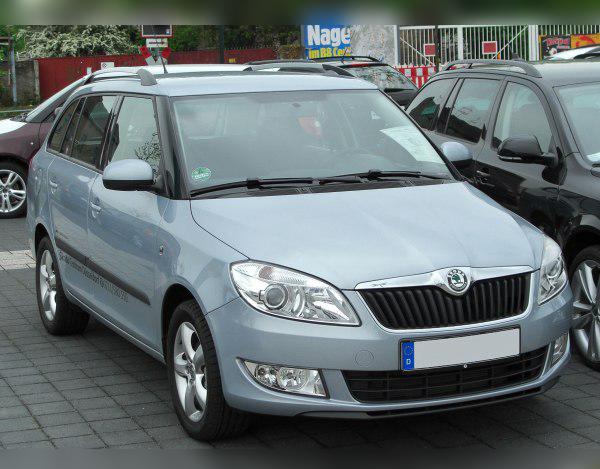
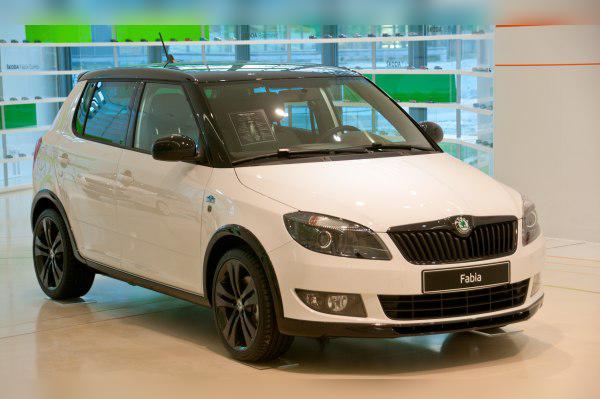
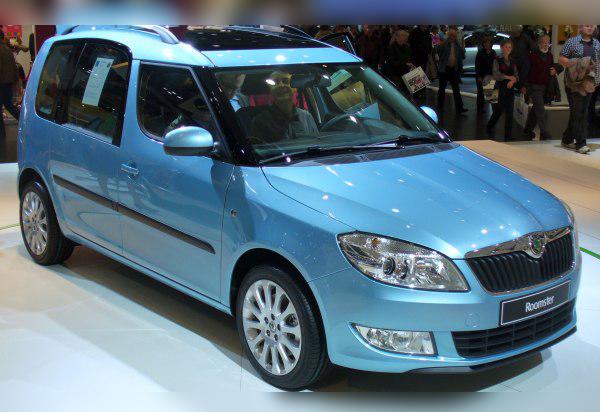
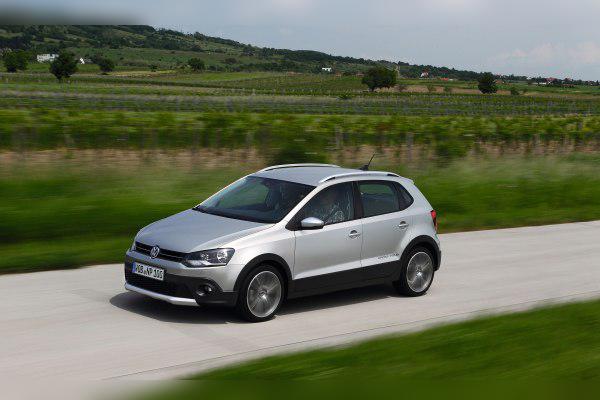
VW 1.2 TDI (EA189 / CFWA): Experiences, problems, fuel consumption and used car buying guide
Key points (TL;DR)
- Exceptional fuel economy: This is one of the most economical engines on the market, ideal for those who drive a lot of kilometers but are never in a hurry.
- Sound and refinement: As a three-cylinder, the engine is noisy and transmits vibrations into the cabin, especially at idle. It sounds like a "small tractor".
- Cheaper clutch maintenance: Most versions (especially in the Fabia and Polo) come with a solid flywheel, which eliminates the expensive replacement of a dual-mass flywheel.
- DPF and EGR issues: This is a "death sentence" for this engine if it is driven exclusively in the city. They clog quickly and are expensive to repair.
- Lack of power: With 75 hp and 3 cylinders, overtaking is risky, and driving uphill with the A/C on requires patience.
- Injectors: Sensitive to poor-quality fuel, and refurbishment is not always successful.
- Recommendation: Excellent for fleet vehicles, delivery use or students with a limited fuel budget, but only if it is also driven on open roads.
Contents
Introduction
The 1.2 TDI engine with the code CFWA belongs to the famous (and somewhat infamous) EA189 engine family from the Volkswagen Group. Essentially, the engineers took the popular 1.6 TDI engine and "cut off" one cylinder to get a smaller displacement and even lower fuel consumption. This engine was the answer to stricter emission standards and the need for super-economical vehicles (GreenLine / BlueMotion series).
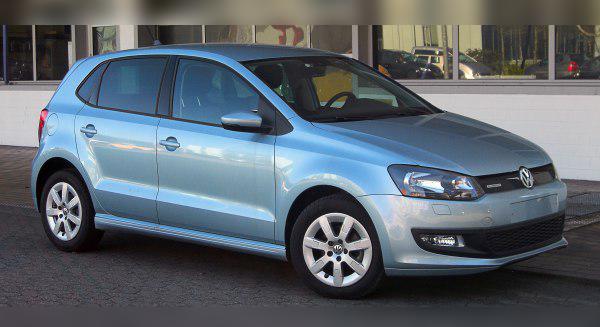
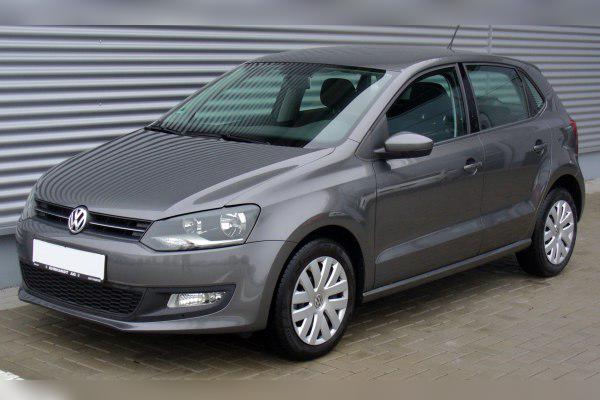
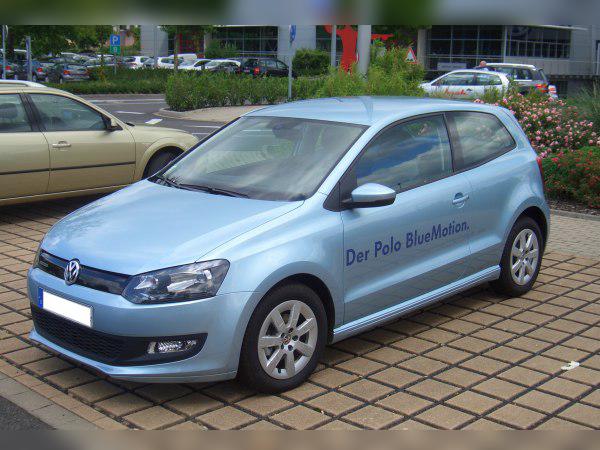
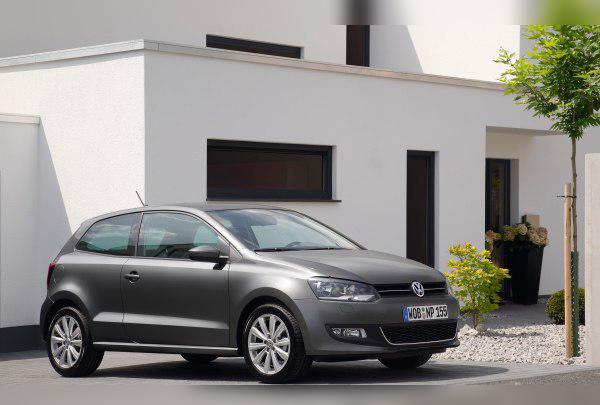
It was installed in smaller city cars such as the VW Polo, Škoda Fabia and Roomster roughly between 2010 and 2014/15. Although on paper it looks like a perfect fuel saver, in practice it comes with specific compromises that every owner has to accept.
Technical specifications
| Characteristic | Value |
|---|---|
| Engine displacement | 1199 cc (3 cylinders) |
| Power | 55 kW (75 hp) |
| Torque | 180 Nm at 2000 rpm |
| Engine code | CFWA (EA189 family) |
| Injection type | Common Rail (usually Delphi system) |
| Charging | Variable-geometry turbocharger + intercooler |
| Emission standard | Euro 5 (with DPF filter) |
Reliability and maintenance
Timing belt or chain?
The 1.2 TDI (CFWA) engine uses a timing belt to drive the camshaft. This is generally a quieter and more reliable solution compared to some older VW engines that had chain issues. In addition to the timing belt, there is also an auxiliary (serpentine) belt that drives the ancillaries.
Major service (timing belt replacement)
The factory recommendation for timing belt replacement is often optimistic (up to 210,000 km for some markets), but experienced mechanics and real-world practice say otherwise. It is recommended to perform the major service every 160,000 to 180,000 km or every 5 to 7 years, whichever comes first. A snapped belt leads to catastrophic engine failure (pistons and valves colliding).
Oil: Capacity and consumption
This engine takes approximately 4.3 liters of oil. It is mandatory to use 5W-30 oil that meets the strict VW 507.00 specification. This spec is crucial because of the DPF filter (Low SAPS oil that does not create excessive ash).
As for oil consumption, the 1.2 TDI is generally a "dry" engine if it is in good condition. Consumption up to 0.5 liters per 10,000 km can be tolerated, but higher consumption usually points to a problem with the turbocharger (oil leaking past the shaft) or, more rarely, with the piston rings, given that these engines are not under as much thermal stress as petrol engines.
Injectors
The injection system is Common Rail, most often made by Delphi. The injectors on this engine are known to be sensitive. They can last 200,000+ km with good-quality fuel, but in markets with poorer diesel, problems appear earlier. Symptoms of bad injectors are: uneven idle (engine "stumbles"), increased smoke under acceleration and difficult starting. Refurbishment is possible, but the price is quite high (very expensive, depends on the market).
Most common failures
Besides the injectors, here is what most often fails:
- EGR valve (exhaust gas recirculation cooler): The absolute number one problem. Soot builds up, the valve sticks, and the "Check Engine" light comes on along with loss of power (safe mode). Replacement is expensive because the valve is integrated with the cooler.
- DPF filter: Due to the small engine displacement, it takes more time to reach the operating temperature needed for regeneration. City driving kills it quickly.
- Exhaust gas pressure sensor: A common and relatively cheap failure that can falsely indicate a DPF problem.
- Engine mounts: Due to the inherent imbalance of a three-cylinder engine, the mounts are exposed to higher vibrations and wear out faster.
Specific parts (costs)
Dual-mass flywheel
Good news! Most models with the 1.2 TDI engine (75 hp), including the Polo and Fabia, come from the factory with a solid (single-mass) flywheel. Considering the modest torque of 180 Nm, a dual-mass flywheel is not necessary to smooth out shocks. This significantly reduces the cost of clutch kit replacement compared to 1.6 TDI or 2.0 TDI models. Still, always check by VIN, because some specific GreenLine versions with Start-Stop may have different solutions.
Turbocharger
The engine uses a single variable-geometry turbocharger (VGT). This was done to extract as much power as possible from the small displacement at low revs. Service life is long (over 250,000 km) with regular oil changes. However, the variable-geometry mechanism can get stuck with soot if the car is driven "pensioner-style", which leads to loss of power (overboost/underboost errors).
DPF and EGR
As mentioned, it has both. These are the most expensive maintenance items on a used 1.2 TDI. If you are buying this car to drive 90% in the city (stop-and-go), expect clogging issues. Cleaning helps temporarily, but the permanent solution is replacement (very expensive) or software/physical removal (where legally allowed).
AdBlue
Models with this engine (EA189, Euro 5 standard) do not have an AdBlue system. They rely solely on the DPF and EGR to control emissions. This is one less thing to worry about (no AdBlue tank heaters, no topping up the fluid), but it means the EGR valve is under more stress.
Fuel consumption and performance
Real-world fuel consumption
This is the main trump card of the 1.2 TDI engine.
- City driving: Realistically expect between 4.8 and 5.8 l/100 km. In winter or in heavy traffic jams it can reach 6.5 l, but rarely more.
- Open road: This is where the engine shines. At 80–90 km/h, consumption drops to an incredible 3.3 to 3.8 l/100 km.
- Combined: The average for most drivers is around 4.5 l/100 km.
Is the engine "sluggish"?
To be honest – yes. 75 hp in a Polo or Fabia body (which weigh around 1100 kg empty) is the bare minimum to get moving. Up to 60 km/h in the city it feels fairly lively thanks to the turbo, but above 80 km/h acceleration becomes painfully slow. Overtaking trucks on country roads requires serious planning, a lower gear and full throttle.
In the Škoda Roomster or Fabia Combi, if you load up the family and luggage, you will really feel the lack of power on uphill sections.
Behavior on the motorway
Cruising at 130 km/h is possible, but not pleasant. Due to the 5-speed gearbox, the engine spins at around 2600–2800 rpm at that speed (depending on model and tyre size). This creates a lot of noise in the cabin, and fuel consumption then rises to about 5.5–6.0 liters. This car was not built for long motorway journeys at high speeds.
Additional options and modifications
Remapping (Stage 1)
This engine is an excellent candidate for a Stage 1 remap. From the factory it is "choked" by software. With a safe remap, power can be raised to 95–100 hp, and torque to 210–220 Nm.
The difference in driving is dramatic – the car becomes much livelier, overtakes more easily, and fuel consumption stays the same or even drops with normal driving. Since it uses components similar to stronger engines, Stage 1 does not drastically affect longevity, provided the turbo and injectors are in good condition before remapping.
Gearbox
Types of gearboxes
With the 1.2 TDI engine in the mentioned models (Fabia, Polo, Roomster), an almost exclusively 5-speed manual gearbox (code MQ200 / 02T series) was installed. Automatic (DSG) gearboxes are rare in combination with this particular engine in this generation (they are more common with the 1.6 TDI or petrol engines).
Failures and maintenance
The manual gearbox is very precise and robust. Failures are rare, but can occur:
- Gearbox bearings: If you hear a whine that disappears when you press the clutch, it may indicate a problem with the input shaft bearing.
- Gearbox oil: Although VW says it is "lifetime", it is recommended to change the gearbox oil every 100,000 km. This extends the life of the synchros and makes shifting easier in winter.
- Clutch: As mentioned, the clutch kit is cheaper because there is usually no dual-mass flywheel. Replacing the kit (pressure plate, disc, release bearing) falls into the "affordable" category (depends on the market).
Buying tips and conclusion
What to check before buying?
- Cold start: The engine must start immediately. If it cranks for a long time or emits a cloud of white/blue smoke after starting, suspect injectors or compression issues.
- Idle: A three-cylinder naturally vibrates, but the idle must be rhythmic. If the engine "flares up" or shakes too unevenly, it is a sign of bad injectors or engine mounts.
- Oil pump drive noise: Although it has a timing belt, the oil pump drive can make a specific noise (whining/knocking) from the sump area.
- Diagnostics (DPF): Be sure to check the "soot mass" (DPF saturation). If the filter is full of ash (ash mass), an expensive repair is ahead. Also check injector correction values.
- Dieselgate software: Check whether the car has undergone the mandatory recall for EA189 engines. Models with the new software often have more frequent EGR valve problems and rougher running, so many owners revert to the old software ("downgrade").
Conclusion: Who is this engine for?
The VW 1.2 TDI is an engine with a very clear purpose: maximum savings on fuel costs. It is not made for racing, it is not the quietest, nor the most refined.
Buy it if:
- You drive more than 15,000 km per year.
- You have mixed driving (city + open road) so the DPF can "breathe".
- You want cheap suspension and clutch maintenance (solid flywheel).
- You are a calm driver who does not rush.
Avoid it if you drive exclusively short distances in the city (in winter the engine does not warm up even after 10 km) or if you often drive a fully loaded car on the motorway.
Was this content useful to you?
Your opinion helps us to improve the quality of the content.