EA888 / CZPA Engine
- Engine
- 1984 cm3
- Aspiration
- Turbocharger, Intercooler
- Fuel
- Petrol (Gasoline)
- Fuel injection system
- Direct injection and Multi-port manifold injection
- Power
- 180 hp
- Torque
- 320 Nm
- Cylinders
- 4
- Valves
- 16, 4 per cylinder
- Cylinders position
- Inline
- Valvetrain
- DOHC
- Oil capacity
- 5.7 l
- Coolant
- 10 l
- Systems
- Start & Stop System
# Vehicles powered by this engine
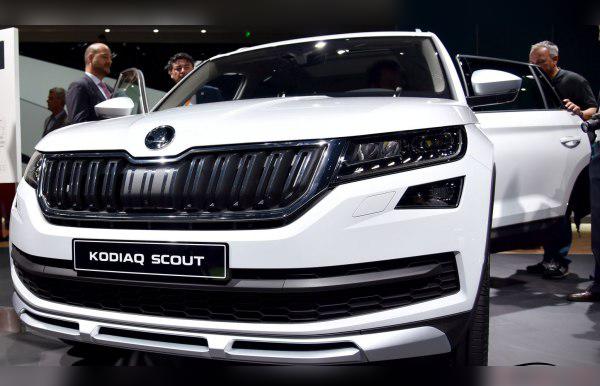


2.0 TSI (EA888 Gen 3B / CZPA) 180 HP – Experiences, Problems, Fuel Consumption and Buying Tips
Key points in short (TL;DR)
- Improved reliability: This is the third generation (Gen 3B) of the EA888 engine, which has solved the notorious oil consumption issues of the past, but it is still not immune to smaller failures.
- Achilles’ heel – Water pump: The thermostat and water pump housing is made of plastic and will almost certainly start leaking before 100,000 km.
- Fuel consumption: In heavy bodies such as the Kodiaq and Tiguan, this engine is not economical in city driving (expect double‑digit consumption).
- DSG gearbox: It is paired with excellent DSG gearboxes with “wet” clutches, which require regular maintenance every 60,000 km.
- Timing chain maintenance: Although it has a chain that is more durable than before, it still needs to be checked after 150,000 km.
- Performance: It offers an excellent balance of power and refinement, is much quieter than TDI diesels and is ideal for those who don’t cover huge motorway mileages.
Contents
- Introduction: What kind of engine is this?
- Technical specifications
- Reliability, Maintenance and Failures
- Specific Parts and Costs
- Fuel Consumption and Performance
- Additional Options (LPG and Tuning)
- Gearbox and Drivetrain
- Buying Used and Conclusion
Introduction: What kind of engine is this?
The engine with the code CZPA belongs to the modern “B‑cycle” (Budack cycle) generation of the well‑known Volkswagen EA888 family. This is not that old 2.0 TSI that burned oil like fuel. Engineers here focused on efficiency, applying a modified Miller cycle valve timing strategy to reduce fuel consumption under partial load.
This 180 HP unit is the “sweet spot” for VAG group SUV models. It offers far more smoothness than a diesel, enough power to pull a heavy body and 4x4 drivetrain, and it doesn’t have complicated exhaust after‑treatment systems like diesels (AdBlue). You’ll most often find it under the bonnet of the second‑generation Škoda Kodiaq and VW Tiguan.
Technical specifications
| Characteristic | Data |
|---|---|
| Name / Engine code | EA888 Gen 3B / CZPA |
| Displacement | 1984 cc (2.0 L) |
| Power | 132 kW (180 HP) at 3940–6000 rpm |
| Torque | 320 Nm at 1500–3940 rpm |
| Injection system | Direct injection (TSI) + Port (in some operating modes) |
| Charging | Turbocharger (IHI IS20) + Intercooler |
| Timing drive | Chain |
Reliability and Maintenance
Chain or belt?
This engine uses a timing chain for valve timing. Unlike older generations of EA888 engines (where the chain could snap or jump teeth at low mileage), the system here is significantly reinforced. Still, the chain is not eternal. It is recommended that after 150,000 km you check chain stretch via diagnostics (cam/crank correlation) and visually. If you hear rattling on cold start that lasts longer than 2–3 seconds, that’s a sign for urgent replacement.
Most common failures
The biggest headache for owners of this engine is the thermostat and water pump module. It is made of plastic that deforms over time due to heating and cooling cycles, which leads to coolant leaks. Symptoms are loss of antifreeze and a “sweet” smell under the bonnet. Replacement is not cheap (depends on the market) because the part is complex and hard to access.
The PCV valve (oil vapor separator) can also fail, which causes rough running and increased oil consumption.
Service intervals and spark plugs
Although the manufacturer often states “Long Life” intervals of 30,000 km, for the longevity of this engine, especially in city driving, do an oil service every 10,000 to 15,000 km.
Spark plugs are iridium and of good quality, but given that this is a turbo engine with direct injection, it is recommended to replace them every 60,000 km. Worn spark plugs can lead to overheating of the ignition coils (which are also wear items).
Oil: Quantity and Consumption
The engine takes approximately 5.7 liters of oil. The factory recommendation for Gen 3B engines is often 0W‑20 (VW 508.00) to reduce friction and fuel consumption. However, many experienced mechanics recommend switching to 5W‑30 (VW 504.00) if the car is driven in warmer climates or under higher loads, for better protection.
Does it consume oil? Yes, but within normal limits. Unlike its infamous predecessors, this engine has redesigned piston rings. Consumption of 0.5 liters per 5,000 to 8,000 km is considered acceptable and normal, especially if driven aggressively. If it burns a liter per 1,000 km, the engine is due for an overhaul.
Specific Parts (Costs)
Dual‑mass flywheel and Turbo
Yes, this model has a dual‑mass flywheel. It is necessary to absorb vibrations and protect the DSG gearbox. Its lifespan is usually around 150,000–200,000 km, and replacement is expensive (depends on the market).
The engine uses a single turbocharger (usually IHI IS20). The turbo is very reliable with regular oil changes and proper cooldown after fast driving. Failures are rare before 200,000 km.
Injection and Emissions (DPF/EGR/AdBlue)
The injection system is direct (FSI/TSI). Injectors are precise and generally durable, but sensitive to poor fuel quality. They can clog or start “pissing” fuel, which washes oil off the cylinder walls.
Important: Petrol engines do not have a DPF in the diesel sense, but newer models (usually from 2018 onwards) have a GPF (Gasoline Particulate Filter). It rarely clogs because exhaust gas temperatures on petrol engines are higher, so it is passively regenerated. This engine DOES NOT have an AdBlue system, which is a big advantage over TDI versions. EGR function is mostly handled by variable valve timing (internal recirculation), so there is no classic EGR valve that clogs with soot like on diesels.
Fuel Consumption and Performance
City driving and “Laziness”
Let’s be honest: City fuel consumption is high. The Kodiaq and Tiguan are heavy cars with all‑wheel drive. In heavy traffic, real‑world consumption is between 11 and 14 l/100 km. If someone tells you it uses 8 liters in the city, they’re not telling the truth.
Is the engine lazy? Absolutely not. With 320 Nm of torque available from just 1500 rpm, the car pulls decisively. 0–100 km/h acceleration is usually around 8 seconds, which is more than enough for a family SUV.
Open road
This engine really shines on the motorway. At 130 km/h, the gearbox keeps the engine at low revs (around 2,200–2,400 rpm), and consumption is around 8 to 9 l/100 km. Cabin quietness is its main advantage over diesels.
Additional Options and Modifications
LPG conversion
Can it run on LPG? Technically yes, but financially it’s questionable. Due to direct injection, an expensive system is required (liquid‑phase systems or systems that still use a mixture of petrol and gas to cool the injectors). Installation is very expensive (depends on the market) and only pays off if you cover huge mileages, which usually isn’t the case with petrol cars.
Chip Tuning (Stage 1)
EA888 engines are known for their great tuning potential. A Stage 1 remap can raise power from 180 HP to 220–240 HP and torque to nearly 400 Nm without mechanical changes. The engine tolerates this well, but keep in mind it puts more stress on the turbo, spark plugs and gearbox.
Gearbox
Type of gearbox and Maintenance
With the 2.0 TSI (180 HP) and 4x4 drivetrain you almost exclusively get a 7‑speed DSG automatic gearbox (code DQ500 or the newer DQ381). These are gearboxes with wet clutches.
Unlike the problematic “dry” DSG (DQ200) used with lower‑powered engines, these gearboxes are extremely robust and can handle high torque. However, they require strict maintenance: Oil and filter changes every 60,000 km are mandatory! Ignoring this service leads to mechatronic failure, whose repair is very expensive.
Gearbox failures
If maintained regularly, the gearbox lasts as long as the engine. Failures manifest as jerking when setting off, delay when engaging “R” or “D”, or strange noises. The cost of replacing the clutch pack is high (depends on the market), but this is rarely needed before 200,000 km on these models.
Buying Used and Conclusion
Before buying a used car with this engine, make sure you do the following:
- Cold start: Listen to the engine when it is completely cold. Chain rattle? Walk away.
- Visual inspection: Look under the intake manifold for traces of pink coolant leaks (failed water pump module).
- Test drive: The gearbox must shift imperceptibly. Any thumping when slowing down or setting off is a sign of trouble.
- Exhaust: Black smoke under hard acceleration may indicate injector or turbo issues, while blue smoke means the engine is burning oil.
Verdict
The 2.0 TSI (CZPA) with 180 HP is an excellent choice for drivers who want comfort, quietness and good performance, and who don’t drive more than 15,000–20,000 km per year. If city consumption of around 12 l/100 km is acceptable to you, you’ll get a more refined car than a diesel, without the fear of a clogged DPF and AdBlue system problems. Just set some money aside for a potential water pump replacement and regular gearbox servicing.
Was this content useful to you?
Your opinion helps us to improve the quality of the content.