EA888 / CHHA Engine
- Engine
- 1984 cm3
- Aspiration
- Turbocharger, Intercooler
- Fuel
- Petrol (Gasoline)
- Fuel injection system
- Direct injection and Multi-port manifold injection
- Power
- 230 hp
- Torque
- 350 Nm
- Cylinders
- 4
- Valves
- 16, 4 per cylinder
- Cylinders position
- Inline
- Valvetrain
- DOHC
- Oil capacity
- 5.7 l
- Coolant
- 8.6 l
- Systems
- Start & Stop System
# Vehicles powered by this engine
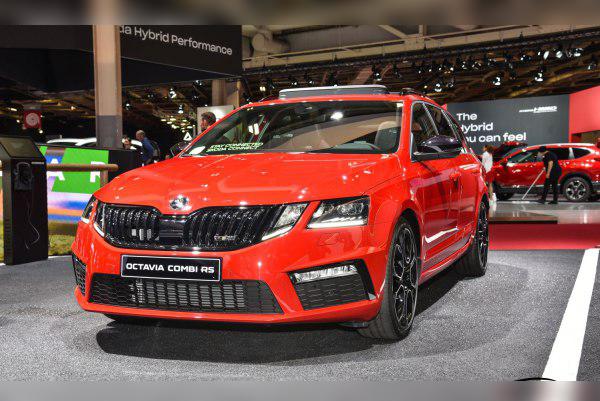
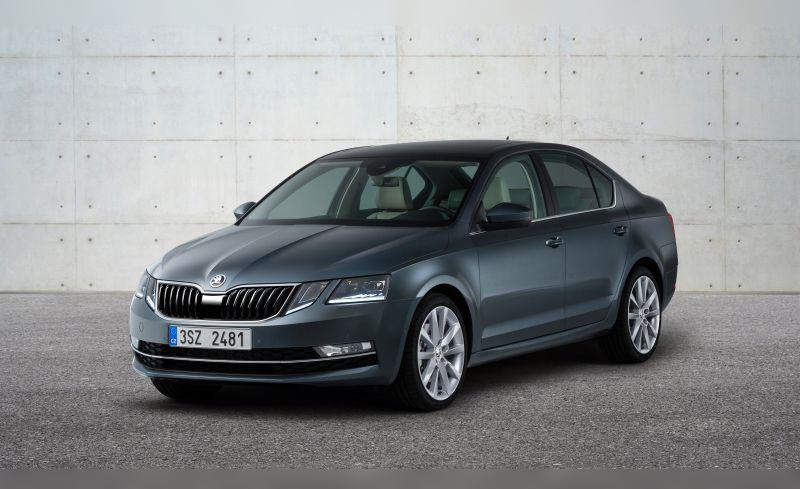
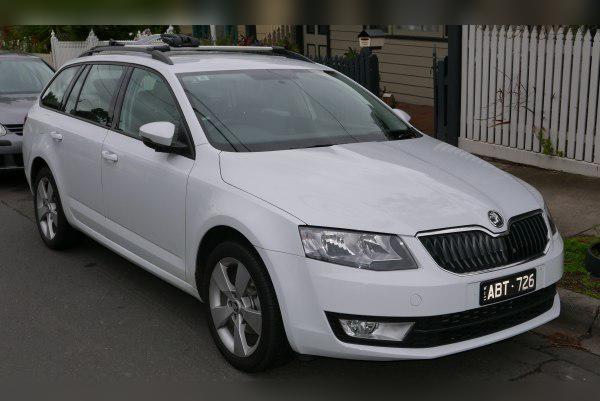
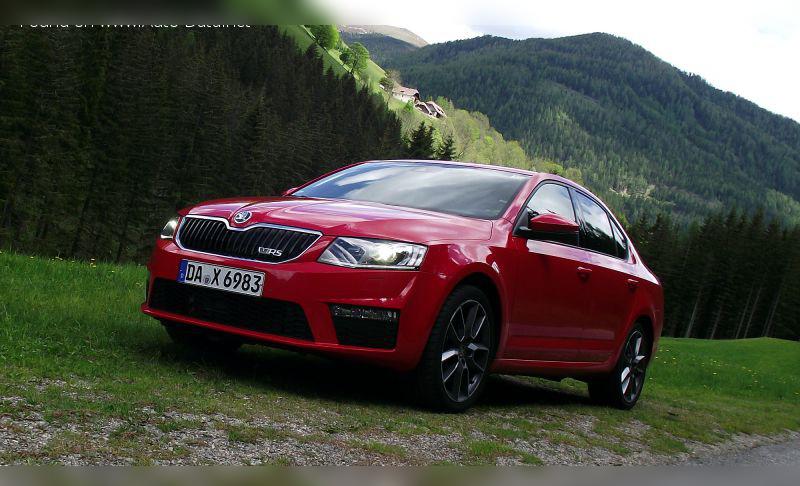
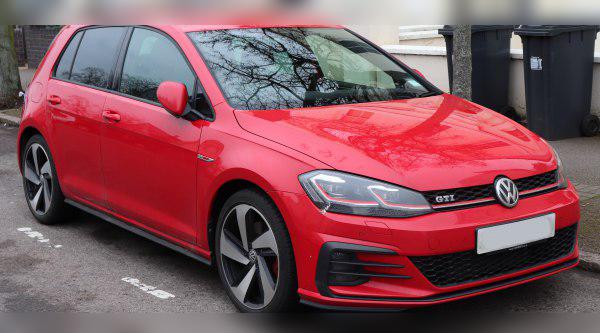
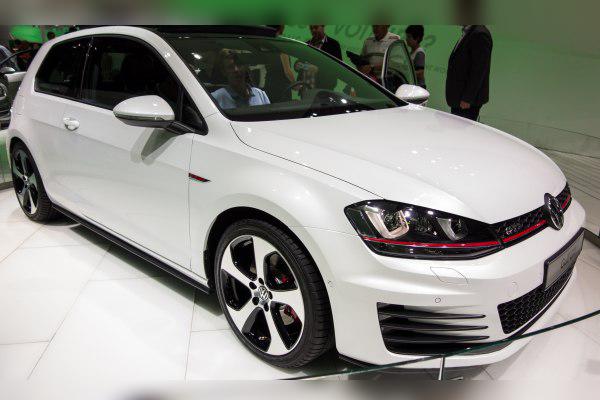
2.0 TSI (EA888 Gen 3) CHHA: Experiences, problems, fuel consumption and used car buying guide
If you’re looking for the heart of a true modern hot hatch, you’re probably looking at the 2.0 TSI engine with the code CHHA. This is not an ordinary two‑liter; this is the unit that powers the Golf 7 GTI Performance and the Škoda Octavia RS 230. Unlike its predecessors (EA888 Gen 2), which gave owners headaches with oil consumption, this third generation (Gen 3) brings serious engineering solutions that have eliminated most of the early issues, but it has also introduced some new challenges. Below you can read a detailed analysis of this engine.
Key points in short (TL;DR)
- Oil issue solved: Unlike older TSI engines, Gen 3 (CHHA) consumes dramatically less oil thanks to a new piston ring and piston design.
- Water pump is a weak point: The thermostat module and water pump are made of plastic and often start leaking before 100,000 km.
- Fantastic performance: With 230 hp and 350 Nm, this engine offers explosive acceleration and huge tuning potential.
- Dual injection: It has both direct and port injection, which prevents carbon build‑up on the valves (a big plus).
- DSG requires attention: If paired with a DSG gearbox, regular oil changes every 60,000 km are a must.
- Recommendation: One of the best four‑cylinder petrol engines on the market, provided it has been regularly maintained.
Contents
- Technical specifications
- Reliability and maintenance
- Specific parts (costs)
- Fuel consumption and performance
- Additional options and modifications
- Gearbox and drivetrain
- Buying used and conclusion
Technical specifications
| Specification | Data |
|---|---|
| Engine displacement | 1984 cc (2.0 L) |
| Power | 169 kW (230 hp) |
| Torque | 350 Nm at 1500–4600 rpm |
| Engine code | CHHA (EA888 Gen 3) |
| Injection system | Combined: Direct (FSI) + Port (MPI) |
| Forced induction | IHI IS20 turbocharger + intercooler |
| Camshaft drive | Timing chain |
Reliability and maintenance
Timing system: Chain or belt?
The 2.0 TSI (CHHA) engine uses a timing chain. This used to be a sore point of previous generations, but in EA888 Gen 3 engines the system has been significantly improved. The chain tensioners are more robust and the chain itself is of higher quality. Still, the chain is not “lifetime”. It is recommended to check chain stretch via diagnostics or visually (through an inspection opening) after 120,000 km. If you hear rattling on a cold start that lasts longer than 2–3 seconds, that’s a sign you should visit a workshop immediately.
Most common failures
Although reliable, this engine has its specific weak spots:
- Thermostat module and water pump: This is the Achilles’ heel of this engine. The housing is made of plastic that deforms over time due to heating and cooling cycles, which leads to coolant leaks. Symptoms are disappearing coolant or the smell of evaporated coolant under the hood.
- PCV valve (oil separator): When the membrane in this valve tears, the engine starts running roughly, a check engine light may appear or you may hear a whistling noise, and oil consumption increases.
- Diverter valve on the turbo: Older revisions of the valve can weaken, causing boost leaks and the feeling that the car doesn’t pull as it should.
Major and minor service
Minor service (oil and filters) is done every 10,000 km to 15,000 km (or once a year). Ignore “Long Life” recommendations of 30,000 km if you want the engine to last. Since the engine has a chain, a classic “major service” like with a timing belt does not exist at a fixed interval, but it is recommended to replace the auxiliary (serpentine) belt, its tensioner and the water pump (often preventively) at around 100,000 – 120,000 km.
Oil: Capacity and consumption
The engine takes approximately 5.7 liters of engine oil. The recommended viscosity is usually 5W-30 or 0W-30 (VW 504.00 / 507.00 standard). As for oil consumption, the CHHA engine is far better than older versions. Consumption of 0.5 liters per 10,000 km is completely normal and acceptable. If it consumes more than 0.5 liters per 1,000 km, that indicates a problem (turbo, piston rings or PCV valve), but this is rare on this model compared to Gen 2.
Spark plugs and injectors (fuel injection system)
Because this is a high‑performance turbo petrol engine, spark plugs are replaced every 60,000 km. If the car is tuned (Stage 1), the interval is shortened to 30,000 km and “colder” plugs are recommended (e.g. NGK Racing).
The injection system is one of the best features of this engine. It uses combined injection (8 injectors in total). Under low load it uses port injection (into the intake manifold), which washes the valves with fuel and prevents carbon build‑up, which was a major issue on engines with direct injection only. The injectors are generally reliable.
Specific parts (costs)
Dual‑mass flywheel
Yes, this engine has a dual‑mass flywheel, regardless of whether it is paired with a manual or DSG gearbox. On powerful petrol engines with high torque (350 Nm), the dual‑mass flywheel is under significant stress. Symptoms of failure are knocking at idle that disappears when you press the clutch (on manuals) or a metallic noise when switching the engine off. Replacement is expensive (depends on the market).
Turbocharger
The engine uses a single IHI IS20 turbocharger. This is an excellent turbo that provides quick spool at low revs. Its lifespan is long, often over 200,000 km with regular oil changes and proper cool‑down after spirited driving. A potential issue is the wastegate actuator (the rod that regulates boost pressure), which can develop play and rattle, or the electric part of the actuator can fail.
Emissions equipment (DPF, EGR, GPF)
This engine has no DPF filter because it’s a petrol engine. Models produced up to 2017/2018 (pre‑WLTP) usually don’t have a GPF (Gasoline Particulate Filter) either, which is great news for maintenance and sound. They do have a catalytic converter. They don’t have an EGR valve in the classic sense (they use variable valve timing for internal exhaust gas recirculation), so there are no issues with a clogged EGR.
Also, there is no AdBlue system. This is a “pure‑bred” petrol engine.
Fuel consumption and performance
Real‑world fuel consumption
Don’t expect miracles; 230 horses need to be fed.
- City driving: Realistically expect between 10 and 12 l/100 km. In heavy traffic it can go up to 14 liters.
- Highway / country roads: Here the engine is surprisingly economical. With moderate driving on open roads it uses around 6.5 – 7.5 l/100 km.
- Combined: Most drivers see an average of about 8.5 – 9.5 l/100 km.
Is the engine “lazy”?
Absolutely NOT. With 230 hp and 350 Nm of torque available from just 1500 rpm, this engine plays with the body of a Golf 7 or Octavia RS. 0–100 km/h takes about 6.5 – 6.8 seconds. In‑gear acceleration is fantastic, overtaking is routine. The driving impression is that the engine always has power in reserve.
Driving on the motorway
This is a sovereign ruler of the fast lane. At 130 km/h in top gear (6th on DSG or manual), the engine spins at around 2,800 – 3,000 rpm (depending on the gearbox). This allows quiet cruising and instant throttle response without the need to downshift.
Additional options and modifications
LPG conversion
Theoretically possible, but economically and technically questionable. Since this is a direct‑injection engine, you need a special (and expensive) system that either injects liquid LPG directly through the petrol injectors or uses a small amount of petrol to cool the injectors. Installation is very expensive (depends on the market), and given that this kind of car is bought for its performance, LPG is often not the target option.
Remapping (Stage 1)
The EA888 Gen 3 is the king of tuning. With just a software remap (Stage 1), this engine safely reaches 300 – 310 hp and 420 – 450 Nm. The engine handles this power increase extremely well, provided it is in perfect condition before tuning. This is probably the best bang‑for‑buck engine for modifications today.
Gearbox
Available gearboxes
With the 2.0 TSI 230 hp engine you get two options:
- 6‑speed manual (MQ350): Precise, robust.
- 6‑speed DSG automatic (DQ250): Dual‑clutch gearbox in an oil bath (“wet” DSG).
It’s important to note that Golf Performance versions and Octavia RS230 versions come with a VAQ differential (electronically controlled limited‑slip differential on the front axle), which drastically improves cornering grip.
Gearbox failures and maintenance
Manual gearbox: Very reliable. The most common issue is the clutch, which with more aggressive driving (or after tuning) can start slipping quickly, as the stock clutch struggles to handle much more than 350–380 Nm. The cost of replacing the clutch kit and flywheel is quite high (depends on the market).
DSG gearbox (DQ250): This is one of the most reliable DSG gearboxes. However, it requires an oil and filter change every 60,000 km. If this is not done, the mechatronics unit (the gearbox brain) can fail, and repairs are very expensive. Also, the VAQ differential has its own separate oil that also needs to be changed (often neglected during servicing); check the interval by VIN, but it is usually every 3 years or a certain mileage.
Buying used and conclusion
Before buying a car with the CHHA engine, make sure to check the following:
- Cold start: Listen for any chain rattle.
- Coolant leaks: Look under the intake manifold for traces of pink coolant (crystallization) on the engine block – a sign that the water pump is leaking.
- DSG service history: If there is no proof that the gearbox oil was changed at 60k km intervals, be cautious.
- VAQ differential: Check whether the oil in the differential has been changed (on Performance/RS230 models).
Conclusion
The 2.0 TSI (CHHA) engine is a fantastic piece of engineering. It manages to combine everyday usability with sports‑car performance, while eliminating the major oil consumption issues that plagued previous generations. It is ideal for enthusiasts who want a fast family car (Octavia Combi RS) or a legendary hot hatch (Golf GTI). Maintenance is not cheap (expensive – very expensive, depending on the market), but in return you get one of the best powertrains of today.
Was this content useful to you?
Your opinion helps us to improve the quality of the content.