CGGA Engine
- Engine
- 1390 cm3
- Aspiration
- Naturally aspirated engine
- Fuel
- Petrol (Gasoline)
- Fuel injection system
- Multi-port manifold injection
- Power
- 80 hp @ 5000 rpm
- Torque
- 132 Nm @ 3800 rpm
- Cylinders
- 4
- Valves
- 16, 4 per cylinder
- Cylinders position
- Inline
- Valvetrain
- DOHC
- Oil capacity
- 3.2 l
- Coolant
- 5.6 l
# Vehicles powered by this engine
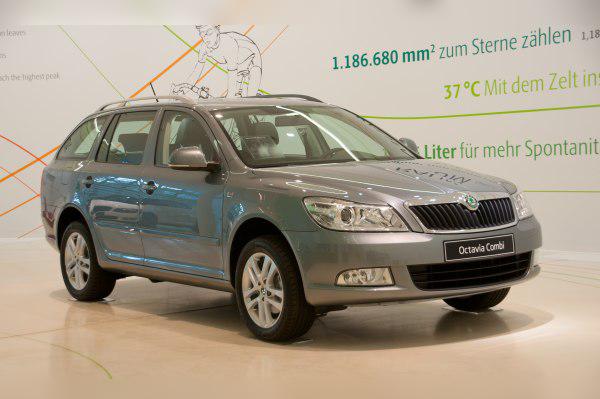
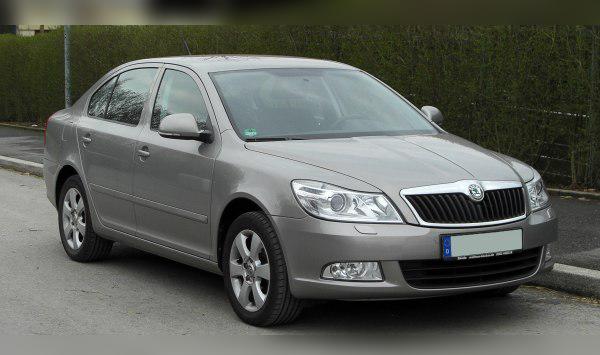
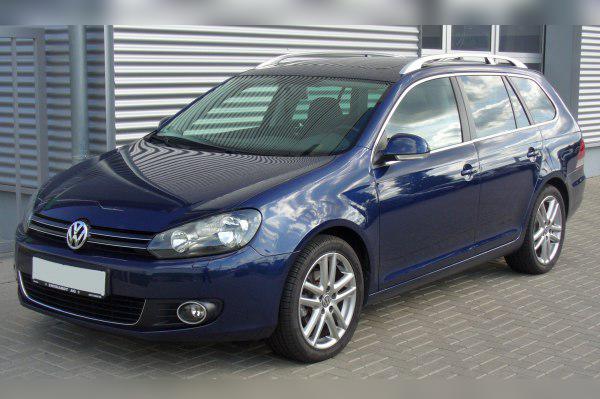
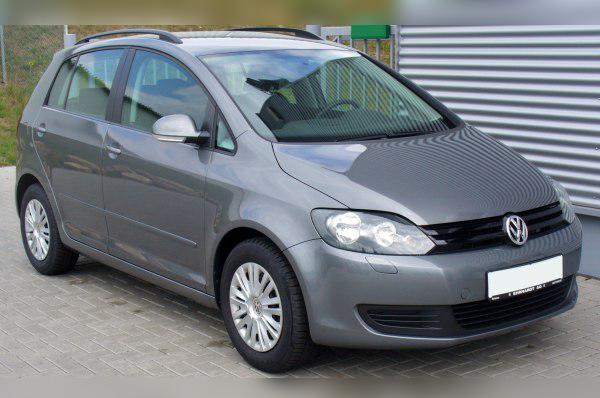
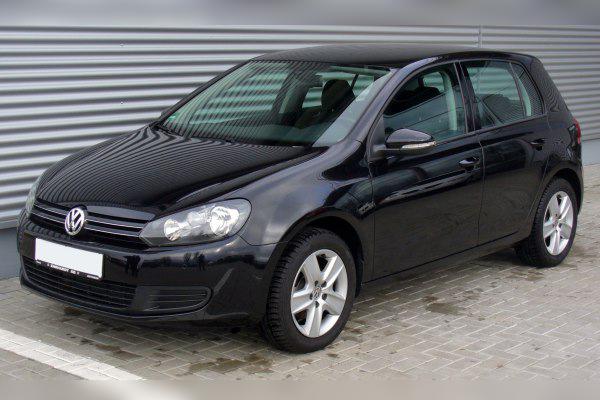
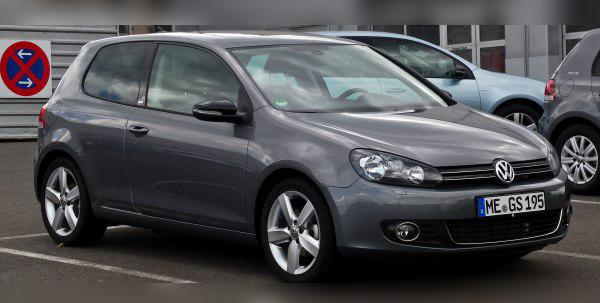
VW / Škoda 1.4 MPI (CGGA) – Experiences, problems, fuel consumption and buying advice
Key points (TL;DR)
- Exceptional reliability: This is one of the “last of the Mohicans” of simple mechanics in the era of complicated TSI engines.
- Cheap maintenance: No turbo, no dual-mass flywheel, no direct injection.
- Performance: The engine is very sluggish (“lazy”) for the Golf VI body, and especially for the Škoda Octavia estate. Overtaking requires patience.
- Fuel consumption: Although small, it uses quite a lot of fuel on the motorway due to short gearbox ratios and the need for high revs.
- LPG: An ideal candidate for LPG conversion, which makes it economical to run.
- Timing belt: Unlike the notorious TSI engines from the same generation that had problematic chains, this engine uses a reliable timing belt.
- Recommendation: Excellent for city driving and beginner drivers, a poor choice for frequent motorway trips with a fully loaded car.
Contents
Introduction
The engine with the code CGGA belongs to Volkswagen’s proven EA111 family of naturally aspirated petrol engines. It was installed at a time when the VW Group was massively switching to turbo petrol engines (TSI), but it remained on offer as the “entry-level” and cheapest option for models such as the VW Golf VI and Škoda Octavia II (facelift).
Its importance lies in its simplicity. While TSI owners of that era were tearing their hair out over chain and turbo problems, owners of 1.4 MPI (CGGA) models were just changing the oil regularly. This is an engine for people who see a car as a means of transport from point A to point B with minimal costs, and who are ready to sacrifice performance for peace of mind at home.
Technical specifications
| Parameter | Value |
|---|---|
| Displacement | 1390 ccm (1.4 L) |
| Power | 59 kW (80 hp) at 5000 rpm |
| Torque | 132 Nm at 3800 rpm |
| Configuration | Inline 4-cylinder, 16-valve |
| Engine code | CGGA |
| Injection type | MPI (Multi-Point Injection) – Indirect |
| Induction | Naturally aspirated (No turbo) |
| Valve timing drive | Timing belt (Belt) |
Reliability and maintenance
Timing belt or chain?
This is the key question with VW engines of that era. The CGGA engine has a timing belt. In fact, it uses a system with two belts: one main belt that drives the camshaft and a smaller one that connects the two camshafts. This is excellent news, because chain-driven engines from that period (1.2 TSI, 1.4 TSI) had catastrophic chain-stretch issues. The belt on the CGGA engine is quiet and reliable.
Most common failures
Although very reliable, the CGGA is not without flaws:
- Ignition coils: A common issue. Symptoms are rough idle, jerking and the “Check Engine” light coming on. It’s recommended to always keep a spare coil in the trunk.
- Throttle body: It can get dirty from oil vapours and soot. Symptoms are unstable idle or stalling when stopping at traffic lights. Cleaning usually solves the problem.
- Ticking noise (“piston slap”): Many 1.4 16V engines have a characteristic knocking sound while cold (pistons have slightly larger clearance). If the sound disappears once the engine warms up, it’s usually considered a design trait and not a reason to panic, but you should monitor whether it gets louder.
- Crankcase ventilation (oil vapour separator): In very cold winter conditions, if the car is driven on short trips, the separator can freeze, which leads to oil being pushed out through the dipstick tube. VW addressed this with heated crankcase ventilation, but it’s worth checking the system before winter.
Major service
Factory intervals are often over-optimistic (they state up to 180,000 km or inspection), but real-world experience has shown otherwise. It is recommended that the major service (replacement of timing belt kit, tensioner and water pump) be done every 90,000 to 120,000 km or every 6–7 years, whichever comes first. A snapped belt leads to catastrophic engine damage (pistons hitting valves), so it’s better not to take the risk.
Oil: Quantity and grade
The CGGA sump holds a relatively small amount of oil: around 3.2 litres (with filter). This makes servicing cheap. The recommended grade is 5W-40 or 5W-30 (VW 502.00 or 504.00 standard). Due to the small oil volume in the system, oil quality degrades quickly, so changing it every 10,000 km (or once a year) is essential for long engine life.
Oil consumption
A healthy CGGA engine should not consume significant amounts of oil. Consumption of up to 0.5 litres per 10,000 km is acceptable. If the engine uses more (e.g. 1 litre per 2–3 thousand km), this usually points to worn piston rings or valve stem seals, which happens on high-mileage examples (over 250,000 km).
Spark plugs
Spark plugs are replaced every 60,000 km. Quality plugs (NGK or Bosch) according to factory specification are recommended. If you run the engine on LPG, the replacement interval should be shortened to 30,000–40,000 km.
Specific parts (Costs)
Dual-mass flywheel
No. This engine uses a conventional, solid flywheel. This is a huge saving in maintenance, as a clutch kit is drastically cheaper than on diesels or more powerful petrol engines.
Injection system and injectors
The CGGA uses an MPI (Multi-Point Injection) system. This means that fuel is injected into the intake manifold, not directly into the cylinder. The injectors are very simple, robust and cheap. They rarely fail, and even if they get clogged, cleaning is straightforward and inexpensive. They are not as sensitive to fuel quality as TSI injectors.
Turbocharger
The engine does not have a turbocharger. This means: no worries about cooling the turbo before switching off, no expensive overhauls, no oil leaks from the turbo. Performance suffers, but your wallet is grateful.
DPF and EGR
This engine does not have a DPF filter (that’s for diesels). However, it does have an EGR valve (exhaust gas recirculation valve). The EGR can get clogged with soot, which triggers the engine warning light. It can often be cleaned, and even replacement is not excessively expensive (cost depends on the market and brand of the part).
AdBlue
No AdBlue. This is an older-design petrol engine.
Fuel consumption and performance
Real-world city consumption
Don’t be fooled by the small displacement. To move the heavy body of a Golf 6 or Octavia, this engine has to rev. In city traffic, real-world consumption is between 8.5 and 10 litres per 100 km. In winter and on short trips it can go above 10 litres.
Is the engine “lazy”?
To be honest – yes. With 80 hp and only 132 Nm of torque, this engine struggles with the weight of modern cars (around 1300 kg). 0–100 km/h takes about 14 seconds. In an “empty” car around town it’s perfectly adequate, but as soon as four people get in and the air conditioning is on, every incline becomes a challenge.
Behaviour on the motorway
This is not the natural habitat for the CGGA engine. The gearbox is “short” (gear ratios are closely spaced) in order to squeeze out some sort of acceptable dynamics. The result is that at 130 km/h the engine is spinning at about 3800–4000 rpm in fifth gear. This means:
- Increased cabin noise.
- Fuel consumption of around 7.5 to 8.5 litres at 130 km/h.
- Lack of power reserve for overtaking at higher speeds.
Additional options and modifications
LPG conversion
This is an ideal engine for LPG. The MPI injection system, hydraulic tappets and durable cylinder head make it perfect for conversion. Installation is simple and cheap (standard sequential systems). Given the slightly higher petrol consumption, LPG pays off quickly. The only note is that the tank in the Golf and Octavia takes the place of the spare wheel, but the boots are large enough.
Remapping (Stage 1)
On small-displacement naturally aspirated petrol engines, remapping is a waste of money. You might gain 3 to 5 hp at best, which is imperceptible in real driving. It’s better to invest that money in quality tyres or regular servicing.
Gearbox
Types of gearboxes
The CGGA engine was almost exclusively paired with a 5-speed manual gearbox (0AF series). Automatic gearboxes (DSG) are extremely rare in combination with this base engine on most markets, and are generally not recommended due to repair costs that exceed the value of such a basic powertrain.
Gearbox issues and maintenance
- Manual gearbox: Very robust. This engine does not have enough torque to “kill” the gearbox. The clutch is light and long-lasting. Replacing the clutch kit is very affordable.
- Flywheel: As mentioned, there is no dual-mass flywheel.
- Gearbox oil: Although VW says it is “lifetime”, it is recommended to change the gearbox oil every 100,000 km. This will ensure smooth shifting, especially in winter.
Used car buying and conclusion
What to check before buying?
- Noise on cold start: Start the engine when it is completely cold. Listen for knocking (pistons) or rattling (hydraulic tappets). Slight knocking during the first 30 seconds is acceptable, but loud metallic knocking means a worn engine.
- Warning lights on the dash: Check whether the “Check Engine” light is on. Catalytic converter or lambda sensor issues are common on older examples.
- Test drive: Floor the throttle in third gear from low revs. The car should accelerate linearly, without “hiccups” (jerking). Jerking points to ignition issues (leads, coils, spark plugs).
- Air conditioning: When you switch on the A/C, the revs should rise slightly and then stabilise. If the engine starts to stall or “hunt”, the throttle body is probably dirty.
Final verdict
The 1.4 MPI (CGGA) engine is a working-class hero. It’s not fast, it’s not prestigious, and it’s noisy on the motorway. However, if you are buying a 15-year-old used Golf 6 or Octavia, this is the safest choice.
It is intended for drivers who spend most of their time in the city or on secondary roads, for students, and for those who want to drastically reduce maintenance costs and don’t want to think about turbos, flywheels and injectors. If you can live with the fact that you are the slowest one at the traffic lights, this engine will reward you with faithful service.
Was this content useful to you?
Your opinion helps us to improve the quality of the content.