BLF Engine
- Engine
- 1598 cm3
- Aspiration
- Naturally aspirated engine
- Fuel
- Petrol (Gasoline)
- Fuel injection system
- Direct injection
- Power
- 115 hp @ 6000 rpm
- Torque
- 155 Nm @ 4000 rpm
- Cylinders
- 4
- Valves
- 16, 4 per cylinder
- Cylinders position
- Inline
- Valvetrain
- DOHC
- Oil capacity
- 3.6 l
- Coolant
- 5.6 l
# Vehicles powered by this engine
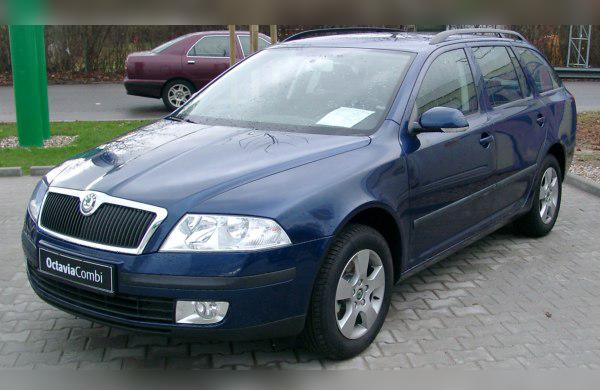
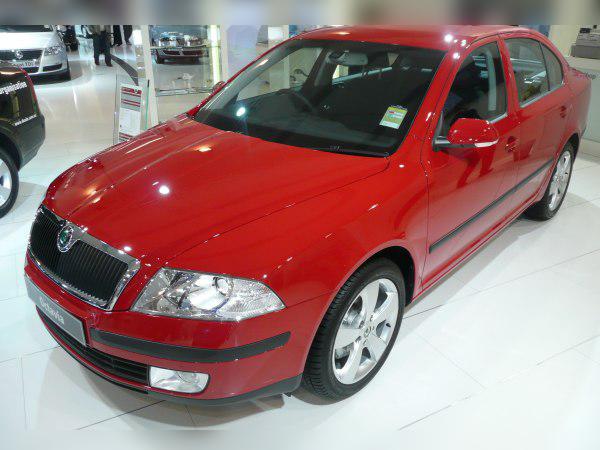
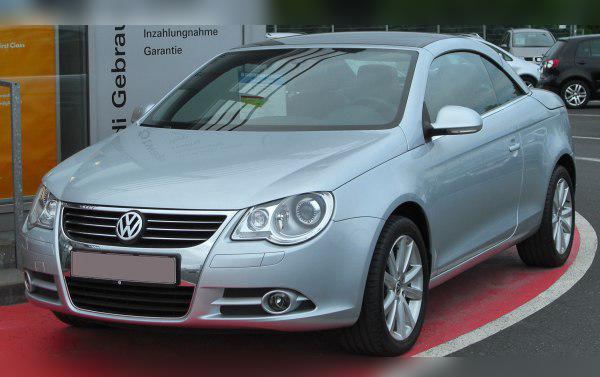
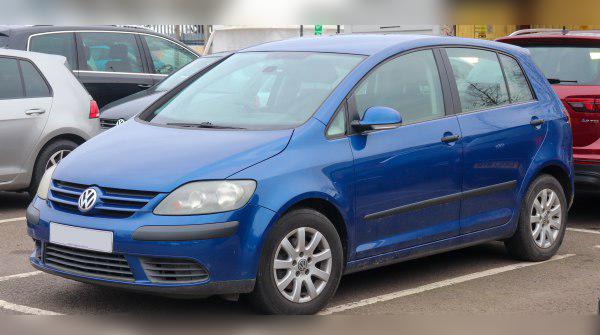
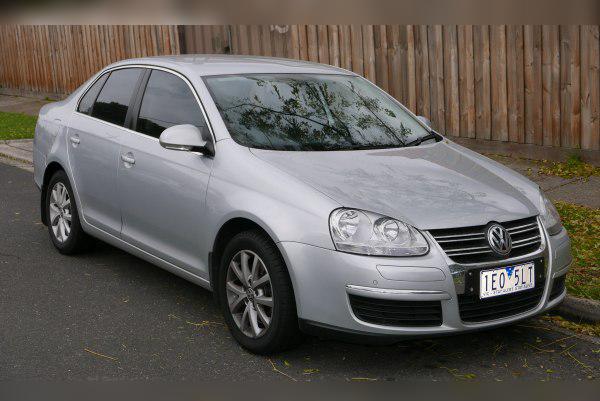
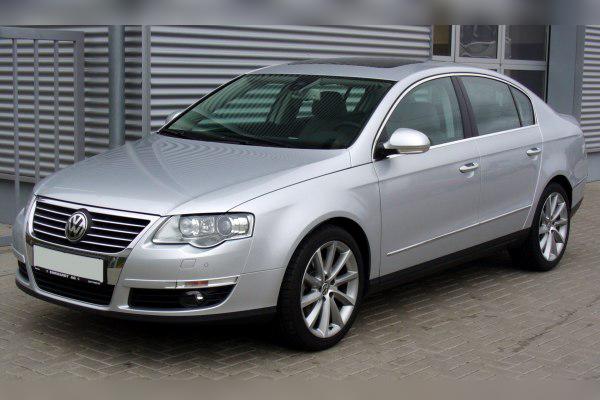
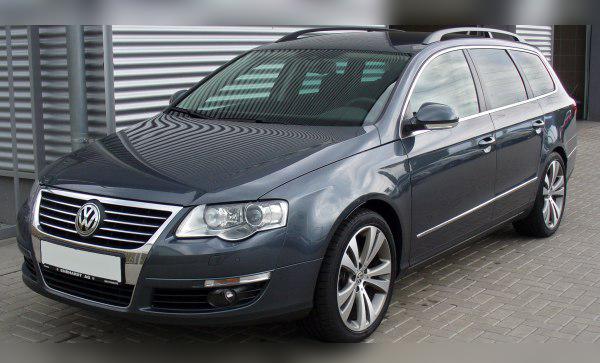
1.6 FSI (BLF) engine – Experiences, issues, fuel consumption and used car buying tips
Key points (TL;DR)
- Timing chain: The biggest weakness of this engine. Although designed to last forever, it often stretches or jumps a tooth due to a poor tensioner.
- Direct injection (FSI): Brings better efficiency, but also more expensive maintenance and problematic LPG (autogas) installation.
- Carbon buildup: Intake valves are prone to carbon deposits, which leads to rough running.
- Performance: 115 hp is enough for the Golf V, but in the Passat B6 the lack of torque is noticeable (a “lazy” engine).
- NOx sensor: A common cause of the “Check Engine” light and an expensive part to replace.
- Oil consumption: On higher-mileage examples, oil consumption is a frequent occurrence.
- Recommendation: A good choice for drivers who don’t drive many kilometers and don’t plan to install LPG.
Contents
Introduction and applications
The BLF engine is Volkswagen’s attempt to modernize classic petrol engines by switching to FSI (Fuel Stratified Injection) direct fuel injection technology. This 1.6-liter unit with 115 hp was a middle-ground solution between the old, reliable but slow 1.6 MPI engine and the more powerful turbo variants. It was installed in a wide range of VAG group vehicles in the mid-2000s, including popular models such as the VW Golf V, Jetta, Passat B6, as well as the Škoda Octavia II.
Unlike older engines, the BLF was designed to provide better throttle response and lower fuel consumption through more precise metering of fuel injected directly into the cylinder. However, this technology also brought a certain level of complexity that must be taken into account with used cars that are now more than 15 years old. It is important to note that the BLF engine is naturally aspirated, which means it has no turbocharger. On the one hand this simplifies maintenance, but on the other hand it limits performance in heavier bodies.
Technical specifications
| Parameter | Value |
|---|---|
| Engine displacement | 1598 ccm |
| Power | 85 kW (115 hp) at 6000 rpm |
| Torque | 155 Nm at 4000 rpm |
| Engine code | BLF |
| Injection system | Direct injection (FSI) |
| Induction type | Naturally aspirated |
| Number of cylinders / valves | 4 / 16V |
| Camshaft drive | Chain |
Reliability and maintenance
Problematic timing chain
One of the most common questions concerns the timing system. The 1.6 FSI (BLF) engine uses a chain to drive the camshafts, not a timing belt. In theory, the chain is “maintenance-free”, but in practice it has proven to be a weak point of this engine. Chain stretch or failure of the hydraulic tensioner is common. Symptoms include metallic rattling on cold start (a diesel-like sound) that lasts a few seconds. If this is ignored, the chain can jump a tooth, which leads to piston-to-valve contact and catastrophic engine failure. The recommendation is preventive replacement of the chain set at around 120,000 to 150,000 km, or immediately when rattling appears.
Service intervals and oil consumption
A minor service is recommended every 10,000 to 12,000 km, or once a year. This engine takes approximately 3.6 liters of engine oil. Due to the chain’s sensitivity to oil pressure and the FSI technology, only high-quality synthetic oil of grade 5W-30 that meets VW standards (e.g. VW 504.00/507.00) is recommended. As for oil consumption, BLF engines are known to “drink” oil. Consumption of 0.3 to 0.5 liters per 1,000 km is often considered “within normal limits” by VAG, but in reality it points to hardened valve stem seals or worn piston rings. If it uses a liter per 1,000 km, the engine is due for an overhaul.
Spark plugs and ignition system
As a petrol engine, this unit is sensitive to the condition of the spark plugs and coils. Due to direct injection, the mixture is specific, so spark plugs are replaced more often than on older engines. Replacement is recommended every 40,000 to 60,000 km. Use only spark plugs intended for FSI engines (often iridium or platinum), as regular plugs cannot withstand the operating conditions. Coil failures (there are 4 of them, one per cylinder) are also common – the symptom is running on three cylinders and loss of power.
Specific parts (costs and failures)
Injection system and carbon buildup
The injection system uses a high-pressure pump and injectors that spray fuel directly into the combustion chamber. The injectors are generally durable, but sensitive to poor fuel quality. A much bigger problem is carbon buildup on the intake valves. Since fuel does not wash the intake valves (as in MPI engines), oil vapors from the crankcase ventilation and EGR accumulate on them. Over time this leads to narrowing of the intake ports, loss of power and rough running. Cleaning requires removal of the intake manifold (so-called “decarbonization”).
NOx sensor and exhaust system
This engine does not have a DPF filter or AdBlue (those are reserved for diesels), but it does have a very complex exhaust gas aftertreatment system with a dedicated NOx catalyst and NOx sensor. This sensor is extremely expensive (the price is high and depends on the market) and fails very often. The symptom is an illuminated “Check Engine” light and increased fuel consumption, even though the car often drives normally. Software deletion of the NOx sensor is possible, but not legal in countries with strict technical inspections. An EGR valve is also present and prone to clogging, which causes the engine to choke.
Flywheel and turbo
The good news is that the 1.6 FSI (BLF) does not have a turbocharger, so that cost is eliminated. As for the dual-mass flywheel, the situation varies. Most manual gearbox models with this engine use a solid flywheel, which significantly reduces clutch replacement costs. However, certain series (e.g. some Passat B6 or Touran models) may have a dual-mass flywheel for greater comfort, so it is essential to check by VIN before buying parts.
Fuel consumption and performance
Real-world fuel consumption in city driving, given that the engine has to rev higher to pull a heavy body (especially in the Passat and Octavia estate), ranges between 8.5 and 10.5 liters per 100 km. In heavy traffic and winter conditions, this easily goes up to 11 liters. On the open road, with moderate driving, it can be brought down to about 6.5 liters.
Is the engine “lazy”? Yes, by today’s standards and for the weight of a Passat B6 or Octavia, this engine is sluggish. With 155 Nm of torque available only at a high 4000 rpm, overtaking requires downshifting and “wringing” the engine. In the Golf V or Eos the situation is somewhat better due to the lower weight, but don’t expect sporty performance.
On the motorway at 130 km/h, the engine (even with a 6-speed gearbox) revs at about 3,200 to 3,600 rpm (depending on the gear ratios), which means noticeable engine noise in the cabin and fuel consumption rising above 7.5 liters.
Additional options and modifications
LPG installation
This is a key question for many. Since this is an FSI engine with direct injection, LPG installation is complicated and expensive. A regular sequential system cannot be used. You need either a system that injects liquid gas directly through the petrol injectors (very expensive), or a system that mixes gas and petrol (to cool the petrol injectors so they don’t burn out). In practice, this means that even when running on LPG, the car still uses about 10–15% petrol. The cost-effectiveness of installation is questionable unless you drive very high mileage.
Chip tuning
Safe “chip tuning” (Stage 1) on a naturally aspirated petrol engine is not economically viable. The gain is negligible, usually around 5–8 hp and a few Nm of torque, which the driver will hardly notice in real life. It is better to invest that money in quality maintenance or new tires.
Gearbox
The BLF engine was most commonly paired with:
- Manual gearbox (6-speed): Very precise and pleasant to use. The most common failures are related to gearbox bearings (howling noise) on high-mileage vehicles. The cost of replacing the clutch kit (without flywheel) is not too high and falls under regular maintenance.
- Automatic gearbox (Tiptronic, 6-speed): This is not a DSG, but a conventional automatic with a torque converter, usually made by Aisin. It is reliable and very comfortable, but slower than modern gearboxes. It requires oil and filter changes every 60,000 km. If this is neglected, you get jerks during gear changes and slipping, which leads to an expensive overhaul (very expensive).
Buying used and conclusion
When buying a car with the 1.6 FSI (BLF) engine, pay attention to the following:
- Cold start: Insist that the engine is completely cold. Listen for chain rattling in the first 3–5 seconds.
- Idling: Once warm, the engine should idle smoothly. Vibrations may indicate dirty valves or issues with injectors/coils.
- Warning lights: Check that the “Check Engine” light works (comes on with ignition, goes off when the engine starts). Sellers often tape it over or disable it in software due to a faulty NOx sensor.
- Smoke: Bluish smoke when revving indicates oil consumption.
Conclusion: The 1.6 FSI BLF engine is a solid choice for drivers buying a Golf V or Octavia, who cover moderate mileage (up to 10–15 thousand km per year) and want something more modern than the old 1.6 MPI, but simpler than a diesel. However, if you are looking for a car with a Passat body, frequent motorway trips, or you plan to install LPG to save fuel – this is not the engine for you. In that case, the 1.9 TDI or the old 1.6 MPI (8-valve) are better, albeit somewhat rougher, solutions.
Was this content useful to you?
Your opinion helps us to improve the quality of the content.