EA211 / DGEB Engine
- Engine
- 1395 cm3
- Aspiration
- Turbocharger, Intercooler
- Fuel
- Petrol / electricity
- Fuel injection system
- Direct injection
- Power
- 156 hp
- Torque
- 250 Nm
- Cylinders
- 4
- Valves
- 16, 4 per cylinder
- Cylinders position
- Inline
- Valvetrain
- DOHC
- Oil capacity
- 4 l
- Coolant
- 10 l
- Systems
- Start & Stop System, Particulate filter
# Vehicles powered by this engine
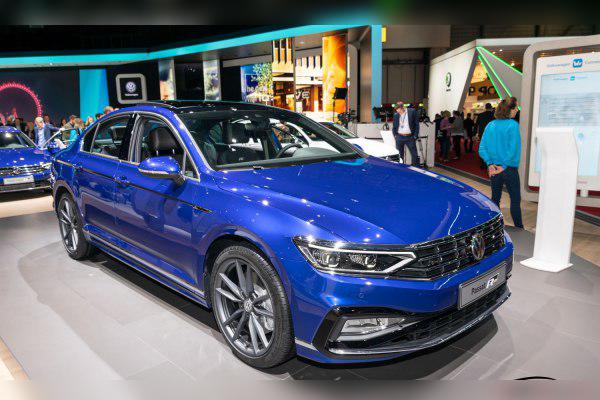
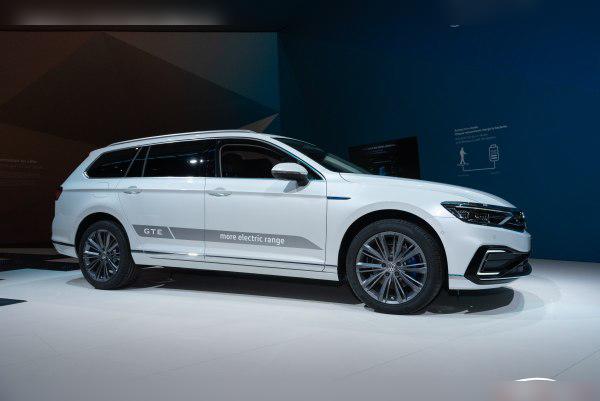
1.4 TSI iV / GTE (DGEB) – Experiences, issues, fuel consumption and buying a used hybrid
Key points (TL;DR)
- Powertrain: This is the "heart" of VAG Plug‑in hybrids (PHEV). The petrol engine works in tandem with the electric motor.
- Timing drive: Uses a timing belt, not a chain, which solved many problems of older TSI generations.
- Gearbox: Comes exclusively with a specific DSG gearbox (DQ400e) that has the electric motor integrated inside. Regular gearbox maintenance is critical.
- Fuel consumption: Fantastic if you can charge the battery every day. If you drive with an empty battery, it consumes like a regular petrol engine or slightly more due to weight.
- Complexity: The cooling system is very complicated, and the dual‑mass flywheel is specific and more expensive than on regular models.
- Recommendation: An excellent choice for drivers who cover up to 50 km per day in the city (on electricity), and travel longer distances on weekends.
Contents
- Introduction: EA211 DGEB in the hybrid world
- Technical specifications
- Reliability and maintenance
- Specific parts and costs
- Fuel consumption and performance
- Additional options and modifications
- Gearbox (DQ400e)
- Buying used and conclusion
Introduction: EA211 DGEB in the hybrid world
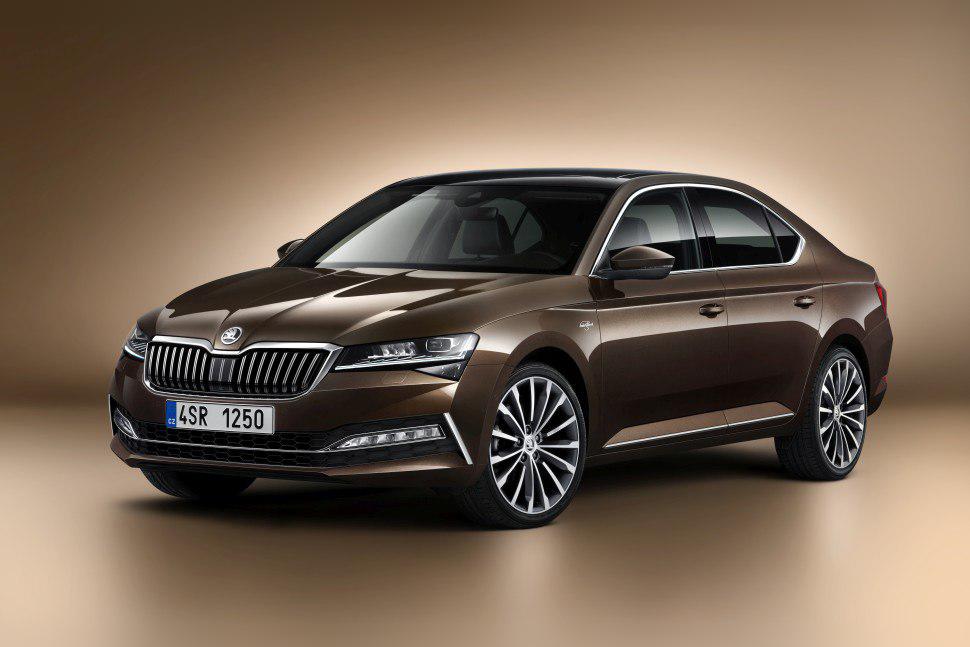
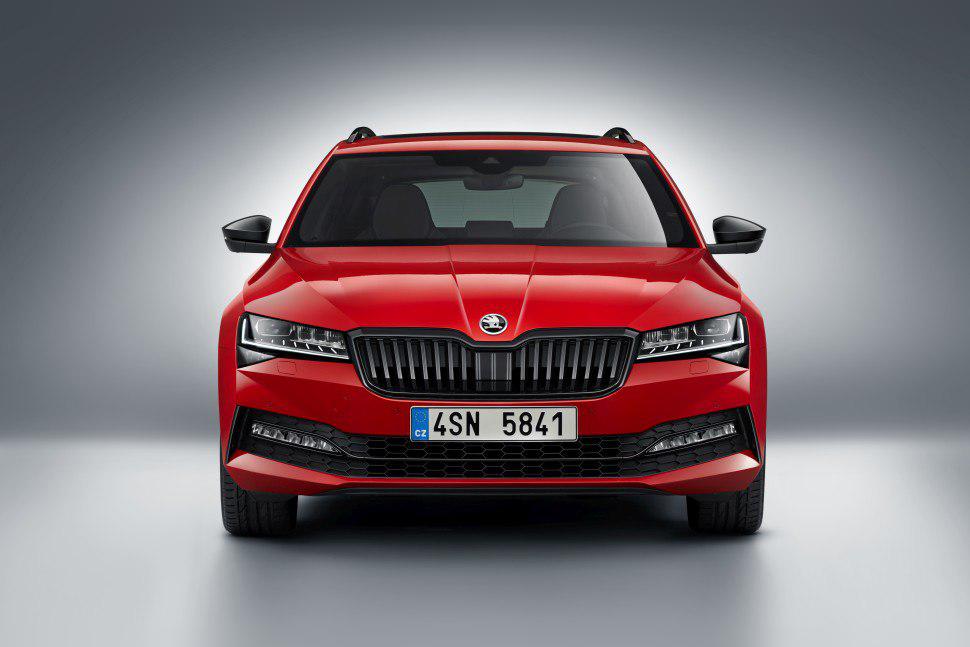
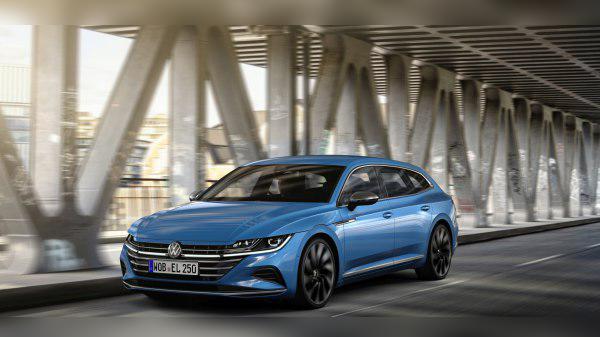
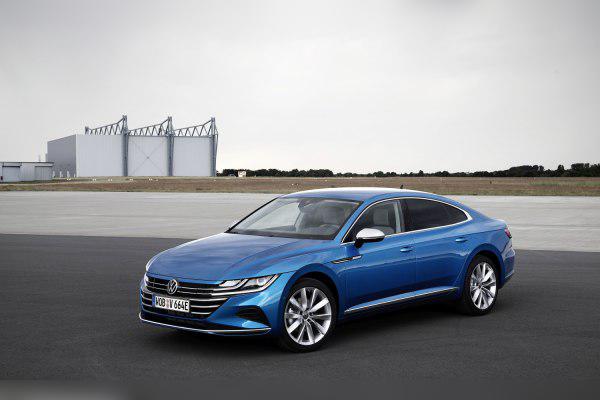
The engine with the code DGEB (part of the EA211 family) is a specially adapted version of the well‑known 1.4 TSI unit, designed exclusively for Plug‑in hybrid vehicles (PHEV) of the Volkswagen Group. It is installed in models such as the Škoda Superb iV, VW Passat GTE and VW Arteon eHybrid.
Unlike standard petrol engines, this engine is designed to withstand frequent cold starts and stops (because the hybrid system often switches from electric to petrol under hard acceleration). Its role is not only to drive the wheels, but also to recharge the high‑voltage battery when needed. The combined system output is often 218 hp (160 kW), which makes these heavy saloons surprisingly agile.
Technical specifications
| Feature | Data |
|---|---|
| Engine code | DGEB (EA211 family) |
| Displacement | 1395 cc (1.4 litres) |
| Power (ICE engine) | 115 kW (156 hp) at 5000–6000 rpm |
| Torque (ICE engine) | 250 Nm at 1550–3500 rpm |
| System output (with e‑motor) | Typically 160 kW (218 hp) / 400 Nm |
| Charging method | Turbocharger + intercooler |
| Injection type | Direct injection (TSI) |
| Camshaft drive | Timing belt |
Reliability and maintenance
Does this engine have a timing belt or a chain?
The EA211 generation, which includes the DGEB engine, uses a timing belt. This is a big step forward compared to the older EA111 engines that had problematic chains. The belt is reliable, quiet and does not stretch.
At what mileage is the major service due?
The factory recommendation for checking and replacing the belt is often very optimistic (e.g. at 210,000 km for some markets). However, as an experienced editor, I advise a more cautious approach. Due to the nature of hybrid operation (frequent starts), it is recommended to replace the timing set (belt, tensioners, water pump) at 150,000 to 180,000 km or at the latest after 7 to 8 years of age, whichever comes first. A snapped belt leads to catastrophic engine damage.
What are the most common failures on this engine?
Although the mechanical base is very solid, the hybrid peripherals bring specific issues:
- Cooling system: This is the Achilles’ heel. These engines have an extremely complex cooling system with several circuits (for the engine, for the battery, for the electronics). Leaks at the thermostat housing or failures of the electric water pumps are not uncommon. Symptoms are coolant loss or overheating in certain conditions.
- Charging flap: On the Passat GTE and Superb iV, the charging port flap mechanism often jams (especially in winter when it freezes), which prevents charging.
- Software errors: Sometimes the system throws a hybrid system error that only requires a software update at the dealer, but it can look frightening.
- 12V battery: If the "small" 12V battery is weak, the car will not "start" (boot the system), even if the high‑voltage traction battery is full.
How many litres of oil does this engine take and which grade is recommended?
The engine takes approximately 4.0 litres of engine oil. It is recommended to use fully synthetic oil with specification VW 508.00 / 504.00. The most common grade for these newer engines is 0W‑20 (LongLife IV) to reduce friction and fuel consumption, although 5W‑30 is used in some markets.
Does it consume oil between services?
EA211 engines are significantly better than their predecessors in terms of oil consumption. Most owners do not need to top up oil between services. Consumption of up to 0.5 litres per 10,000 km is considered completely acceptable. If it consumes more than that, the turbocharger or piston rings should be checked, although this is rare at lower mileages.
At what mileage are the spark plugs replaced?
On TSI engines, and especially on hybrids, spark plugs are under heavy stress. The recommendation is to replace them every 60,000 km or 4 years. Faulty spark plugs can damage the ignition coils (which are also wear items) and the catalytic converter.
Specific parts (costs)
Does the engine have a dual‑mass flywheel?
Yes, this engine has a dual‑mass flywheel (DMF). In hybrids its role is even more important because it has to absorb not only engine vibrations, but also the "shocks" when coupling and decoupling the petrol and electric drive. Replacement is expensive (market‑dependent: very expensive), because the part is specific to the DQ400e DSG gearbox.
What kind of fuel injection system does it have and are the injectors problematic?
It uses direct fuel injection into the cylinders under high pressure. The injectors are generally reliable. However, the main problem of direct injection is carbon build‑up on the intake valves, because fuel does not wash them. Symptoms are rough idle and a slight loss of power at higher mileages (over 150,000 km). Cleaning requires removing the intake manifold (walnut blasting).
Does this engine have a turbocharger?
It has a single turbocharger. It is a modern unit with water‑cooled intercooler (integrated into the intake manifold). The turbo’s service life is long with regular oil changes and proper warm‑up/cool‑down of the engine. Failures are rare before 200,000 km.
Does this model have a DPF filter or an EGR valve?
This is a petrol engine, so it has no DPF (which is for diesels), but newer models (2018/2019+) have a GPF (Gasoline Particulate Filter) or OPF. It rarely clogs because exhaust gas temperatures on petrol engines are higher. An EGR valve is present and can get dirty from soot, but it is less problematic than on diesels.
Does this engine use AdBlue?
No. AdBlue fluid is used exclusively on diesel engines to reduce NOx emissions. This 1.4 TSI does not use any additional fluids besides fuel and screenwash.
Fuel consumption and performance
What is the real‑world fuel consumption in city driving?
Here the story has two sides:
- With a full battery: Fuel consumption is 0 l/100 km. You can cover a realistic 30–45 km on electricity alone (depending on season and how heavy your right foot is).
- With an empty battery: When the battery is depleted and the engine runs as a conventional hybrid, city consumption ranges between 6.5 and 8.5 l/100 km. Keep in mind that the Superb iV and Passat GTE are heavy cars (because of the batteries), so this is an excellent result.
Is this engine “lazy” for the weight of the body?
Absolutely not. Although 1.4 litres sounds small for a big Superb or Arteon, the secret lies in the electric motor. It delivers instant torque as soon as you touch the accelerator, filling in the petrol engine’s "turbo lag". In "GTE" or "Sport" mode, when both motors work together (218 hp and 400 Nm), the car accelerates from 0 to 100 km/h in about 7.5 seconds, which is on par with stronger 2.0 TDI engines.
What is the engine like on the motorway and at what revs does it cruise at 130 km/h?
On the motorway, the hybrid system mostly uses the petrol engine. At 130 km/h in 6th gear, the engine spins at pleasantly low revs (around 2200–2400 rpm), thanks to the gearbox ratios. The cabin is quiet. Fuel consumption on the motorway at 130 km/h (without battery assistance) is a realistic 6.5 to 7.5 l/100 km. If you drive faster (150+ km/h), the small engine has to work harder and consumption jumps to 9+ litres.
Additional options and modifications
Is this engine suitable for LPG conversion?
Not recommended. There are two major problems: 1. Technical: The engine has direct injection, which requires an expensive LPG system (that also uses petrol to cool the injectors) or an even more expensive liquid‑injection LPG system. 2. Physical: There is nowhere to put the tank. The spare wheel well is occupied by the high‑voltage battery, and the petrol tank is already relocated. Installing a tank in the boot would drastically reduce the practicality of the estate/saloon.
How far can this engine be safely “chipped” (Stage 1)?
The petrol engine itself (156 hp) has the potential to be increased to about 170–180 hp and 300 Nm. However, on hybrids the problem is synchronisation with the electric motor and the torque limit of the gearbox. Serious tuners have to reprogram both the hybrid system logic and the DSG gearbox. You risk issues with smoothness when switching power sources. Advice: 218 hp of system power is more than enough; do not touch the factory settings if you care about the longevity of the battery and gearbox.
Gearbox: DSG DQ400e
Which gearboxes are fitted?
With the DGEB engine in hybrids there is only the automatic DSG gearbox with the code DQ400e. A manual gearbox does not exist in this configuration.
Design and maintenance (failures)
The DQ400e is a specific 6‑speed gearbox with wet clutches. It has three clutches: two for the gears (like a standard DSG) and a third one (K0) that disconnects the engine from the gearbox so the car can run on electricity only.
- Maintenance: Gearbox oil changes are MANDATORY every 60,000 km. Skipping this service is a sure path to mechatronics failure.
- Failures: The most common problem is the mechatronics unit (the gearbox brain). Symptoms are jerks when shifting, delayed response or a "Gearbox malfunction" message. Repair is expensive (market‑dependent: expensive).
- Clutch cost: The clutch pack wears out like on any other car. Replacement is more complex due to the integrated electric motor.
Buying used and conclusion
Before buying a used Superb iV, Passat GTE or Arteon eHybrid, pay attention to the following:
- Battery condition (SoH – State of Health): This must be checked with diagnostics at an authorised service centre. If the capacity has dropped below 70%, the electric‑only range will be laughable.
- Jerks during transitions: Drive the car in hybrid mode. The transition from electric to petrol should be almost imperceptible. Any strong jerk or "clonk" sound indicates a problem with the gearbox or flywheel.
- Charger: Check whether the car comes with both cables (for a household socket and Type 2 for public chargers) and whether the car accepts charging without errors.
Conclusion: The 1.4 TSI DGEB engine is a technological gem that offers the best of both worlds, but only for a specific driver profile. Buy it if: you have a garage/socket and drive 30–50 km a day in the city, and go on trips at weekends. Then you will enjoy the silence, power and laughable fuel consumption. Avoid it if: you have nowhere to charge it and mostly drive on open roads – in that case you are simply driving a "heavy petrol car" with a complex maintenance system, where the 2.0 TDI is still the better choice.
Was this content useful to you?
Your opinion helps us to improve the quality of the content.