EA888 / DNUA Engine
- Engine
- 1984 cm3
- Aspiration
- Turbocharger, Intercooler
- Fuel
- Petrol (Gasoline)
- Fuel injection system
- Direct injection
- Power
- 272 hp
- Torque
- 350 Nm
- Cylinders
- 4
- Valves
- 16, 4 per cylinder
- Cylinders position
- Inline
- Valvetrain
- DOHC
- Oil capacity
- 5.7 l
- Coolant
- 10 l
- Systems
- Particulate filter
# Vehicles powered by this engine
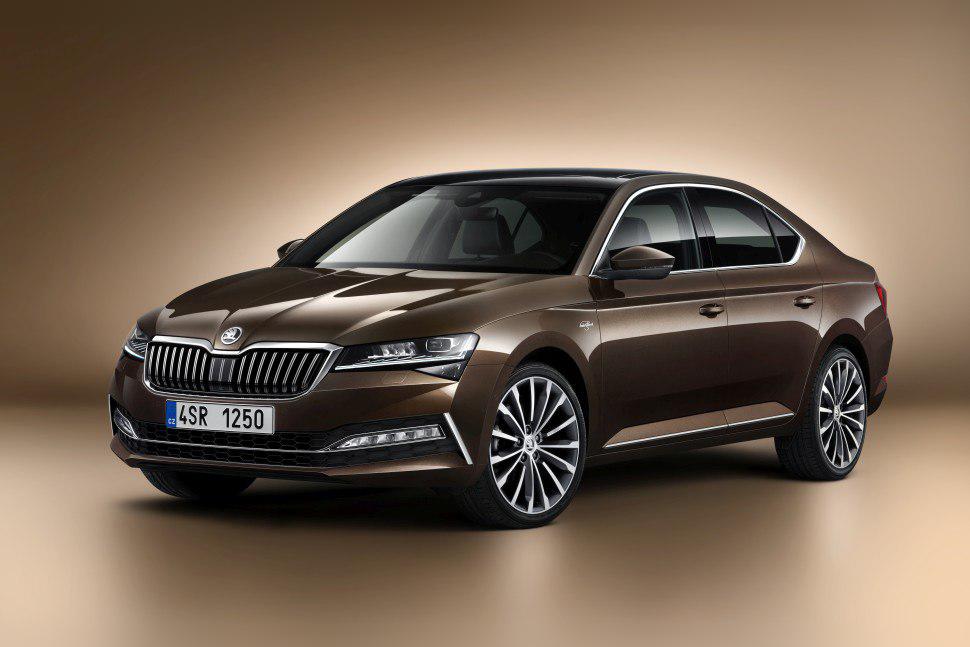
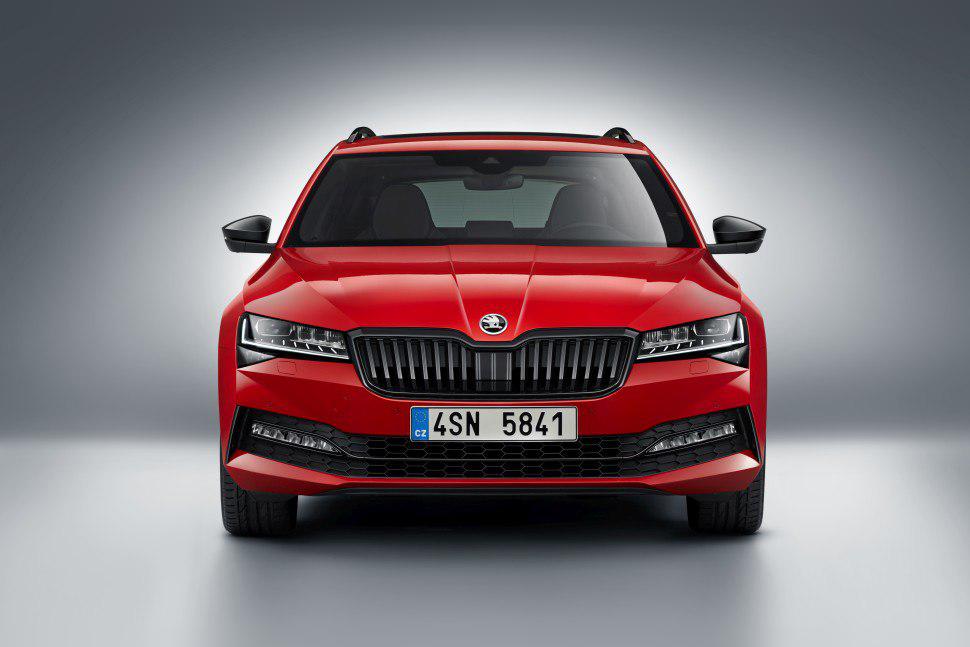

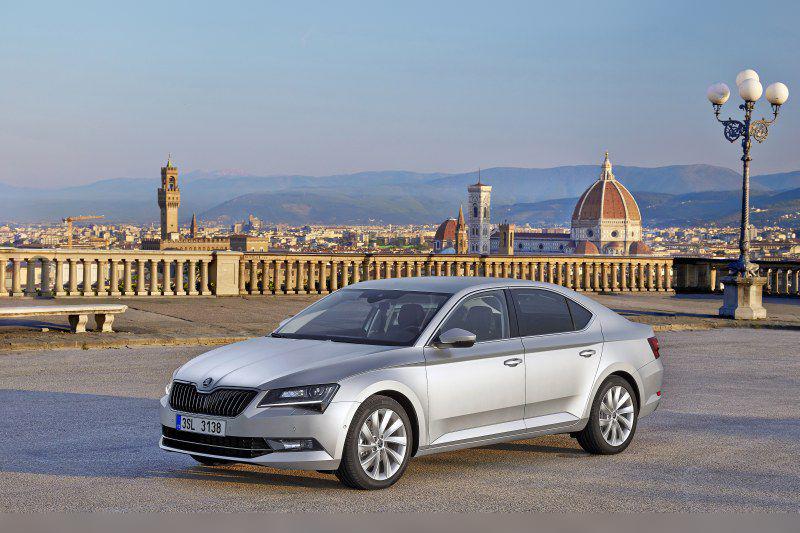
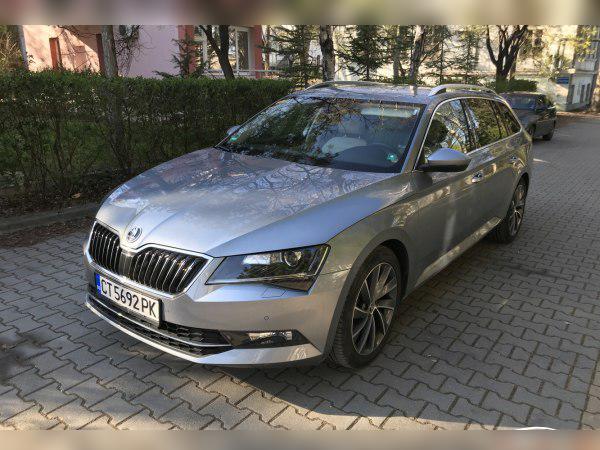
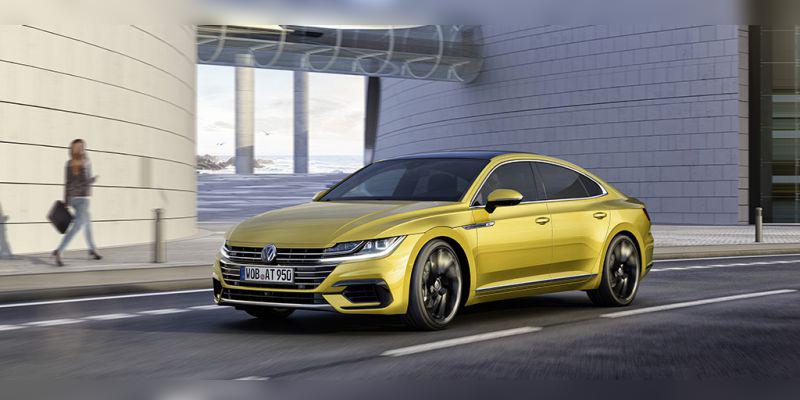
2.0 TSI (DNUA) 272 HP: Experiences, problems, fuel consumption and used car buying guide
The engine with the code DNUA represents the top of the range for the “civilian” versions of the Škoda Superb and Volkswagen Arteon after the introduction of stricter emission standards (WLTP) at the end of 2018 and during 2019. It is the direct successor of the famous 280 HP engine, but “detuned” by 8 horsepower due to the installation of a gasoline particulate filter (OPF/GPF). Although it looks weaker on paper, this is one of the best versions of the EA888 engine, combining sports performance with limousine comfort.
Key points in short (TL;DR)
- Performance: An explosive engine that turns the heavy bodies of the Superb/Arteon into sports machines (0–100 km/h in about 5.5 s).
- Drivetrain: Always comes paired with 4x4 (Haldex) all-wheel drive and a DSG gearbox.
- Emissions: Equipped with an OPF filter (gasoline DPF), which means it requires specific oil and is slightly quieter than its predecessor.
- Main weakness: The thermostat and water pump housing are still weak points of this engine series.
- Maintenance: Requires regular servicing of the Haldex coupling and DSG gearbox – if neglected, repair costs are huge.
- Recommendation: Ideal for highways and open roads; in city driving it consumes a lot of fuel.
Contents
- Technical specifications
- Reliability and maintenance
- Specific parts and costs
- Fuel consumption and performance
- Additional options and modifications
- Gearbox and 4x4 drivetrain
- Conclusion and used car buying tips
Technical specifications
| Characteristic | Data |
|---|---|
| Name / Engine code | EA888 Gen 3b / DNUA |
| Displacement | 1984 cc (2.0 L) |
| Power | 200 kW (272 HP) at 5500–6200 rpm |
| Torque | 350 Nm at 2000–5400 rpm |
| Injection type | Direct injection (FSI/TSI) |
| Forced induction | Turbocharger (IHI IS38) + intercooler |
| Camshaft drive | Timing chain |
Reliability and maintenance
Timing system: chain or belt?
The DNUA engine uses a timing chain. Unlike the notorious early EA888 generations (from around 2008–2012), the chain on this generation is significantly reinforced and more reliable. It is not scheduled for replacement at a fixed interval, but is changed when needed. In practice, however, at mileages over 150,000–200,000 km it can stretch. The symptom is a characteristic rattling noise on cold start (metal-on-metal sound) that lasts longer than a few seconds.
Most common failures
Although this is a very robust engine, a few things cause headaches for owners:
- Thermostat and water pump housing: Made of plastic that deforms due to heating and cooling cycles. This leads to coolant leaks. This is the most common failure and often occurs before 100,000 km.
- PCV valve (oil separator): When the membrane tears, the engine may whistle, idle roughly, or increase oil consumption.
- Oil leaks at seals: Sometimes appear at the joint between the engine and gearbox.
Service intervals and oil
The major service (replacement of chain, guides, tensioner) is not done preventively at a fixed mileage like with a belt, but the condition of the chain is monitored via diagnostics (camshaft phase angle) or by sound. However, replacement of the auxiliary (serpentine) belt and its tensioners is recommended at around 100,000–120,000 km.
The engine holds approximately 5.7 liters of oil. Due to the presence of the OPF filter, it is extremely important to use oil that meets the VW 508.00 / 509.00 specification (usually viscosity grade 0W-20, known as “LongLife IV FE”). It is also possible to use 5W-30 (VW 504.00), but only if this is allowed in the service booklet for fixed change intervals and only if it is “Low SAPS” (low ash content) because of the particulate filter.
Oil consumption
Modern TSI engines consume significantly less oil than their predecessors. However, under spirited driving it is normal for the engine to consume between 0.5 and 1 liter of oil per 10,000 km. Anything above that requires inspection (PCV valve or piston rings, although rings are a solved issue on this generation).
Spark plugs
Spark plugs are replaced every 60,000 km. If the car is “chipped” (Stage 1 or higher), the interval must be halved to 30,000 km, using “colder” spark plugs to prevent detonation (knock).
Specific parts (costs)
Dual-mass flywheel
Yes, this engine combined with the DSG gearbox has a dual-mass flywheel. Its lifespan depends on driving style. Frequent hard launches from a standstill (Launch Control) drastically shorten its life. Symptoms are rattling at idle (the sound changes when the gearbox is put into N or D) and thumps when switching the engine off. Replacement is expensive (very costly, depending on the market).
Turbocharger
The engine uses a single but large IHI IS38 turbocharger. This is the same turbo found in the Golf 7 R. It is very capable, but requires care. After hard driving on the highway, the engine must not be switched off immediately – it should be left to idle for a minute or two so the oil can cool the turbo bearings. With proper maintenance, the turbo lasts as long as the engine.
Injection system and injectors
Unlike the 280 HP engine (CJXA), which had combined direct and port injection (8 injectors) to keep the valves clean from carbon build-up, the DNUA engine (272 HP) most often uses only direct injection (high pressure) for more precise mixture control because of the OPF filter. This means:
- Injectors are expensive and sensitive to poor-quality fuel.
- Carbon build-up: Since there is no gasoline washing over the intake valves, over time (after 100k+ km) carbon deposits accumulate on the valves and can reduce performance. Mechanical cleaning is required (so-called “walnut blasting”).
OPF / GPF filter and EGR
This engine (DNUA) has an OPF (Gasoline Particulate Filter). It is the gasoline equivalent of a diesel DPF, but much less problematic. Gasoline burns at a higher temperature, so the filter passively regenerates during normal driving. Clogging is extremely rare, unless the car is driven exclusively on very short trips in cold weather. There is no AdBlue fluid.
Fuel consumption and performance
Fuel consumption
Do not expect miracles. You have almost 300 horsepower, 4x4 drive and a heavy body.
- City driving: Realistically expect 10 to 13 l/100 km. In heavy traffic it can go up to 15 liters.
- Open road (rural/main roads): It is possible to get down to 7–8 l/100 km with a light right foot.
- Highway (130 km/h): Consumption is around 8–9 l/100 km.
Performance and “sluggishness”
The engine is absolutely not sluggish. With 350 Nm of torque available from as low as 2000 rpm, the Superb and Arteon simply “fly”. In-gear acceleration is fantastic and overtaking is a routine operation. The only small “complaint” is the software-induced throttle delay (lag) due to emission regulations, which can be mitigated by driving in the gearbox’s “S” (Sport) mode.
At 130 km/h in 7th gear, the engine runs at quite low revs (around 2200–2400 rpm), which makes it an ideal quiet cruiser.
Additional options and modifications
LPG conversion
Installing LPG is possible, but very expensive and complicated because this is a direct-injection engine. The system must be a “Direct Liquid Injection” type or a system that also injects a small amount of gasoline to cool the petrol injectors. Considering the price of the kit (1000+ EUR, depending on the market) and the complexity, very few owners choose this option for this type of engine.
Chiptuning (remapping)
This engine is a “tuner’s dream”. Since it is almost hardware-identical to the engines in the Golf R, the potential is huge.
- Stage 1 (software only): Power can be safely raised to 310–320 HP and 420–440 Nm. This drastically changes the character of the car without mechanical modifications.
- Caution: The OPF filter creates higher backpressure than on older models, so it is not recommended to go overboard with power without modifying the exhaust system, as the turbo can overheat.
Gearbox and 4x4 drivetrain
Gearbox: DSG DQ381
The DNUA engine is paired exclusively with a 7-speed automatic DSG gearbox. This is the DQ381 model (wet clutch). It is an improved version of the older DQ250 (6-speed). A manual gearbox is not an option for this power level in these models.
Gearbox maintenance: Oil and filter in the DSG gearbox must be changed every 60,000 km (some official guidelines say 120,000 km for the DQ381, but experienced mechanics insist on 60,000 km for long mechatronics life). Failures are rare if the oil is changed regularly. If the gearbox jerks when setting off or shifts hesitantly, this is a sign of problems (mechatronics or worn clutches).
Drivetrain: 4MOTION / 4x4 (Haldex 5th generation)
All 272 HP models come with all-wheel drive. The system uses a Haldex coupling that engages the rear wheels when needed.
Critical maintenance: The manufacturer often does not prescribe replacement of the Haldex filter, only the oil (every 3 years or approx. 50–60,000 km). This is a mistake. The Haldex pump strainer gets clogged with sludge from old oil, the pump burns out and you lose 4x4 drive (the car becomes front-wheel drive only, without any warning light). Always insist on cleaning the pump strainer when changing the oil!
Used car buying guide and conclusion
Before buying, make sure to check:
- Traces of coolant leaks: Look under the intake manifold for white/pink traces of dried coolant (water pump).
- Service history of the gearbox and differential: Has the oil been changed in the DSG and Haldex? If not, and the car has 120,000+ km, this is a major risk.
- Timing chain noise: Listen to the engine on a cold start.
Final conclusion
The 2.0 TSI (DNUA) 272 HP engine is a fantastic piece of engineering. It is intended for drivers who want a car that looks like a family cruiser but goes like a sports car. It is not cheap to run (fuel consumption, tires, brakes, specific oils), but in return it offers a top-notch driving experience. If you accept city fuel consumption of 10+ liters and regularly maintain the DSG/4x4 systems, this is one of the best petrol engines on the used car market.
Was this content useful to you?
Your opinion helps us to improve the quality of the content.