EA189 / CFGB Engine
- Engine
- 1968 cm3
- Aspiration
- Turbocharger, Intercooler
- Fuel
- Diesel
- Fuel injection system
- Diesel Commonrail
- Power
- 170 hp @ 4200 rpm
- Torque
- 350 Nm
- Cylinders
- 4
- Valves
- 16, 4 per cylinder
- Cylinders position
- Inline
- Valvetrain
- DOHC
- Oil capacity
- 4.3 l
- Coolant
- 8.4 l
- Systems
- Start & Stop System, Particulate filter
# Vehicles powered by this engine
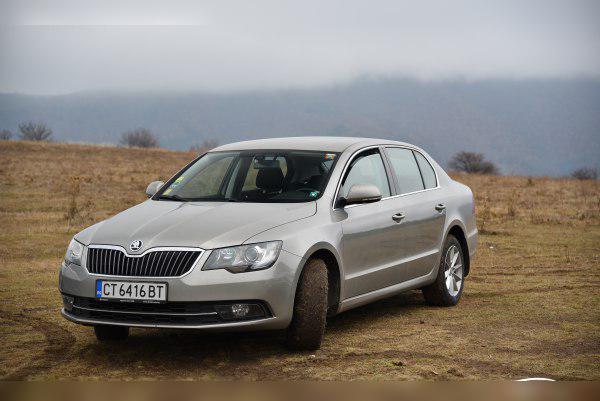
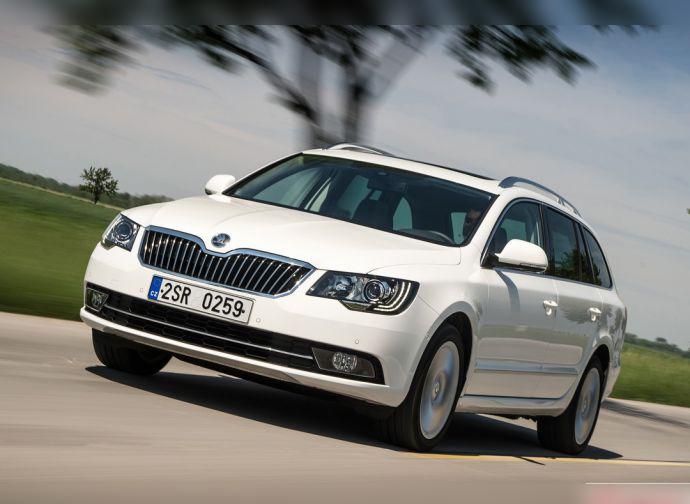
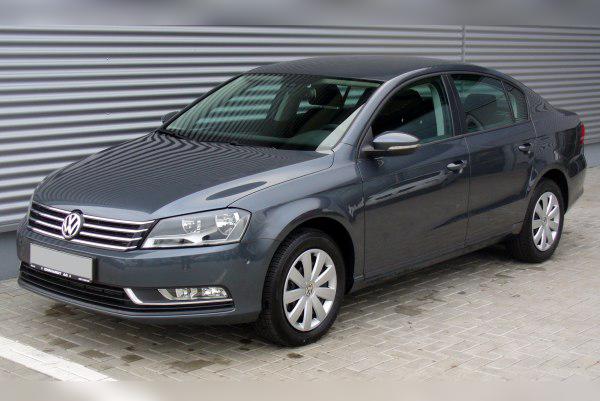
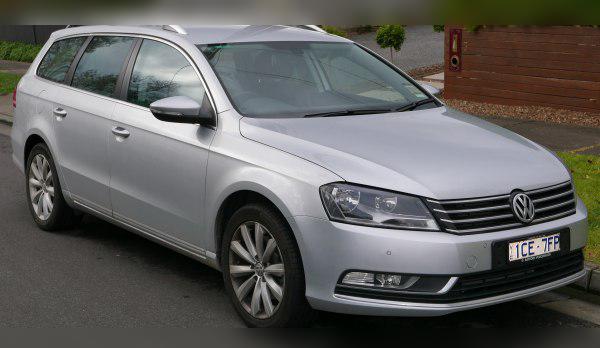
2.0 TDI CR (170 HP) CFGB – Experiences, problems, fuel consumption and buying used
Key points (TL;DR)
- Engine: This is a second-generation Common Rail (CR) engine, significantly more reliable and quieter than the older "Pumpe-Düse" (PD) units.
- Timing drive: It uses a timing belt, not a chain. Maintenance is predictable.
- Main weaknesses: Clogged DPF and EGR valve in city driving, thermostat failures (especially on DSG models) and potential dual-mass flywheel issues.
- Gearbox: The DSG (DQ250) is excellent but requires strict oil changes every 60,000 km. The manual gearbox is robust.
- Recommendation: An excellent choice for highway use. Avoid cars that were driven exclusively in the city.
- AdBlue: Most CFGB engines in this generation (Euro 5) do not have an AdBlue system, which is one less thing to worry about.
Contents
- Introduction and engine applications
- Technical specifications
- Reliability and maintenance
- Specific parts and costs
- Fuel consumption and performance
- Additional options and modifications
- Gearbox (manual and DSG)
- Buying used and conclusion
Introduction
The CFGB engine belongs to the EA189 family and represents the top of the 2.0 TDI diesel range in the Volkswagen Passat B7 and Škoda Superb II (facelift) generation. Unlike its predecessors that used the problematic "Pumpe-Düse" system, this engine uses modern Common Rail injection.
With 170 horsepower, this engine was intended for drivers who spend a lot of time on the motorway and want a balance between power and efficiency. It is often paired with all-wheel drive (4Motion/4x4) and a DSG gearbox, making it ideal for heavier bodies such as the Superb estate.
Technical specifications
| Parameter | Value |
|---|---|
| Engine displacement | 1968 ccm |
| Power | 125 kW (170 HP) |
| Torque | 350 Nm at 1750–2500 rpm |
| Engine code | CFGB (EA189 family) |
| Injection type | Common Rail (piezo injectors) |
| Charging | Variable geometry turbocharger (VGT) |
| Emission standard | Euro 5 |
Reliability and maintenance
Timing belt or chain?
This engine (CFGB) uses a timing belt for valve timing. This is good news because the system is quieter and generally more reliable than the chain that caused problems in some TSI engines of that era. Replacement is routine, but must not be neglected.
Major service and intervals
The factory recommendation for the major service (replacement of timing belt, tensioners, water pump) is often an optimistic 210,000 km for Western European markets. However, for our conditions and used cars, the strict advice is to do the major service at a maximum of 150,000 to 160,000 km or every 5 years, whichever comes first. A snapped belt leads to catastrophic engine failure (pistons and valves "collide").
Oil: quantity and consumption
The engine takes approximately 4.3 litres of oil. You must use oil that meets the VW 507.00 specification, most commonly in 5W-30 grade. This is a "Low SAPS" oil, crucial for preserving the DPF filter.
Oil consumption: A healthy CFGB engine should not consume a significant amount of oil. Consumption up to 0.5 litres per 10,000 km is acceptable, especially if driven more aggressively on the motorway. If the engine needs a litre every 1,000 or 2,000 km, this points to a problem with the piston rings or turbocharger.
Most common failures
Although more reliable than the old PD engines, the CFGB has its own "aches and pains":
- EGR valve and EGR cooler: Soot builds up and blocks the valve. Symptoms are loss of power ("safe mode") and the glow plug warning light coming on (the "coil" symbol).
- Thermostat (especially on DSG): These models often have an issue where the engine cannot reach operating temperature (the gauge does not reach 90°C) or the temperature drops on downhill sections. On DSG models the culprit is often the secondary thermostat located on the hose to the gearbox, not the main engine thermostat.
- Intake manifold (swirl flaps): The flaps in the intake manifold can get stuck due to soot deposits, which triggers the "Check Engine" light.
- Oil pump shaft: Although the problem of the "hex shaft" that wears down and cuts off oil supply was characteristic of older models, on EA189 engines with high mileage (over 250–300k km) it is still recommended to have this small part inspected or replaced preventively during the major service.
Specific parts (costs)
Injection system and injectors
The CFGB uses a Common Rail system with piezo injectors. They are more precise and quieter than solenoid injectors, but also more sensitive to poor-quality fuel. Their service life is usually over 250,000 km with good fuel. Overhauling piezo injectors is difficult and often impossible, so they are usually replaced with new or factory-refurbished ones, which falls into the category of expensive (depending on the market, expect several hundred euros per piece).
Turbocharger
The engine has a single turbocharger with variable geometry. It is not prone to sudden failures if the oil is changed regularly. Problems arise due to "stuck" geometry from city driving (symptom: the car "hesitates" or loses power under acceleration). Service life is long and it often lasts as long as the engine itself.
Dual-mass flywheel
Yes, this engine always has a dual-mass flywheel, regardless of whether the gearbox is manual or DSG. On DSG gearboxes the flywheel usually lasts a bit shorter than on manuals because drivers do not feel vibrations until it is too late. Symptoms are a metallic noise ("rattling") at idle that disappears when you rev the engine, or thumps when switching the engine off. This is a very expensive part.
DPF and AdBlue
Passat B7 and Superb II models with this engine have a DPF filter and an EGR valve. They are standard equipment. The DPF often clogs if the car is driven on short trips where it does not reach the temperature needed for regeneration.
AdBlue: In most cases, the CFGB engine in these bodies (Euro 5 standard) DOES NOT have an AdBlue system. This is an advantage because there are no issues with AdBlue pump heaters or urea crystallisation. Still, always check at the fuel filler – if there is no blue cap, you do not have AdBlue.
Fuel consumption and performance
Is the engine "lazy"?
Absolutely not. With 170 HP and 350 Nm, this is a very capable engine. It has no trouble moving a Superb estate or Passat, even when fully loaded with passengers. Overtaking is safe and quick.
Real-world fuel consumption
- City driving: Expect between 7.0 and 8.5 l/100 km. In winter and heavy traffic with a DSG gearbox this can go up to 9 litres.
- Country roads: Very economical, consumption drops to 4.5 to 5.5 l/100 km.
- Motorway (130 km/h): At this speed the engine spins at about 2,200 to 2,400 rpm (depending on gearbox) and uses around 6.0 to 6.5 l/100 km. It is very relaxed for long trips.
Additional options and modifications
Remapping (Stage 1)
EA189 engines respond very well to remapping. A "safe" Stage 1 tune raises power to about 200–210 HP and torque to 420–430 Nm. This significantly changes the character of the car. However, be careful – higher torque puts extra stress on the dual-mass flywheel and clutch (on manuals) or clutches (on DSG). If the gearbox or flywheel is already near the end of its life, remapping will speed up its failure.
Gearbox: manual vs DSG
Gearbox options
This engine comes with either a 6-speed manual gearbox or a 6-speed DSG automatic (code DQ250). Drive can be to the front wheels or all four wheels (Haldex system).
Maintenance and failures
- Manual gearbox: Very reliable. No specific common failures. The clutch kit and dual-mass flywheel usually need replacement around 200,000–250,000 km.
- DSG (DQ250): This is a gearbox with "wet" clutches. Crucial: Oil and filter in the DSG gearbox MUST be changed every 60,000 km. Buying a used car without proof of these services is a major risk.
- Typical DSG failures: The most common failure is the mechatronic unit (the gearbox brain). Symptoms are jerks when setting off, harsh shifts between gears or a delay when engaging "D" or "R". Repairing the mechatronic unit is very expensive.
Buying used and conclusion
When buying a Passat B7 or Superb with this engine, pay attention to the following:
- Cold start: Listen to the engine when it is cold. Uneven running may indicate injector problems.
- Flywheel: Listen for metallic noises at idle. When you switch the engine off, there should be no strong "thump".
- DSG test: The gearbox must shift smoothly, both when cold and hot. Try starting uphill without pressing the accelerator (the car should not roll back and then suddenly lurch forward).
- Exhaust: Look at the exhaust tips. With a healthy DPF, the exhaust should be clean (greyish metal), without black soot deposits. A black exhaust usually means the DPF has been removed or drilled through.
Conclusion
The 2.0 TDI (170 HP) CFGB engine is one of the best choices in this class from that period. It offers an excellent balance of performance and fuel consumption. Although maintenance is not cheap (especially with DSG and 4x4), with regular servicing this engine can easily cover 400,000+ kilometres. It is ideal for families who often travel longer distances, but it is not the best choice for exclusively city driving because of the DPF filter.
Was this content useful to you?
Your opinion helps us to improve the quality of the content.