B38A15P Engine
- Engine
- 1499 cm3
- Aspiration
- Twin-power turbo, Intercooler
- Fuel
- Petrol (Gasoline)
- Fuel injection system
- Direct injection
- Power
- 156 hp
- Torque
- 240 Nm
- Cylinders
- 3
- Valves
- 12, 4 per cylinder
- Cylinders position
- Inline
- Valvetrain
- VALVETRONIC, Double-VANOS
- Oil capacity
- 4.5 l
- Systems
- Start & Stop System, Particulate filter
# Vehicles powered by this engine
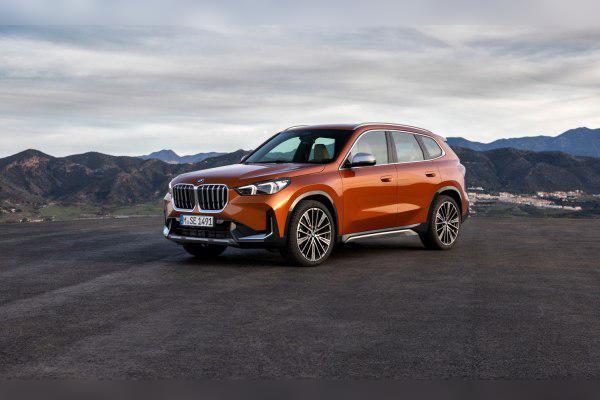
BMW B38A15P (1.5 TwinPower Turbo): Experiences, issues, fuel consumption and maintenance
Key points (TL;DR)
- Design: 3-cylinder turbo petrol with 48V Mild Hybrid technology. Modern but complex engine.
- Timing drive: Uses a chain. In newer versions (like this one) it is more reliable, but still requires high-quality oil.
- Main advantage: Excellent low-end torque thanks to the electric motor, low fuel consumption with moderate driving.
- Main drawback: Typical 3-cylinder sound and vibrations (although well isolated), complexity of the Mild Hybrid system.
- Maintenance: Requires strict adherence to oil change intervals (max 10–15,000 km) and specific low-viscosity oils (0W-20).
- GPF filter: Equipped with a gasoline particulate filter, sensitive to frequent short trips.
- Recommendation: Ideal for mixed driving, less suitable for heavy loads and continuous high-speed driving.
Contents
Introduction and applications
The B38A15P engine represents the latest evolution of BMW’s modular engine platform. Although many purists frown upon three-cylinder units in the premium segment, this engine is a technological showcase powering entry-level models such as the BMW X1 (U11). The “P” suffix usually indicates technical upgrades related to exhaust emissions and integration of the Mild Hybrid (48V) system.
In the X1 20i, this engine does not work alone. It is assisted by a small electric motor (integrated into the gearbox), which raises the total system output to a respectable 170 hp. This is a key engine for the European market, where emission standards are strict and the goal is to offer the performance of a 2.0-liter engine with the fuel consumption of a small-displacement unit.
Technical specifications
| Characteristic | Value |
|---|---|
| Engine code | B38A15P |
| Displacement | 1499 cc (1.5 l) |
| Configuration | Inline, 3 cylinders |
| Power (ICE) | 115 kW (156 hp) @ 4700–6500 rpm |
| Total system power (MHEV) | 125 kW (170 hp) |
| Torque (ICE) | 240 Nm @ 1500–4400 rpm |
| Injection type | Direct injection (High Precision Injection) |
| Charging | TwinPower Turbo (single-scroll with variable intake geometry) + intercooler |
| Hybrid system | 48V Mild Hybrid (integrated starter-generator) |
Reliability and maintenance
Timing system: chain or belt?
The B38A15P engine uses a timing chain. Earlier versions of the B38 engine had sporadic cases of chain stretch, but in this generation (“P” revision) the system has been significantly improved. However, the chain is located at the rear of the engine (towards the cabin/gearbox), which makes any potential intervention labor-intensive and expensive. With regular oil changes, the chain should last over 200,000 km without issues.
Minor and major service
A traditional major service (timing belt replacement) does not exist because the engine uses a chain. Still, a thorough inspection of the chain, tensioner and guides is recommended at around 150,000–180,000 km. The auxiliary (serpentine) belt and related pulleys are replaced as needed or roughly every 100,000 km.
Oil: This engine takes approximately 4.25 to 4.5 liters of oil (always check the exact amount when filling). The recommended grade is 0W-20 (BMW Longlife-17 FE+ specification), due to tight tolerances and the need to reduce friction.
Oil consumption
Modern BMW engines are far better in this regard than their predecessors from the “N” series. The B38A15P should not consume a noticeable amount of oil between services. Consumption of up to 0.5 liters per 10,000 km is considered acceptable. If it uses more than 1 liter per service interval, this may indicate an issue with the turbocharger or valve stem seals, although this is rare in newer vehicles.
Spark plugs and injectors
Since this is a turbocharged petrol engine with direct injection, the spark plugs are under heavy load. The factory recommendation is replacement every 40,000 to 60,000 km (every second minor service). Ignoring this can lead to coil failure (they sit directly on the plugs) or poor combustion.
Most common issues
- Engine mounts: Due to 3-cylinder vibrations, the mounts (especially hydraulic ones) are under higher stress and may fail earlier (around 100,000 km). The symptom is stronger vibration in the cabin at idle.
- Coolant leaks: The thermostat housing or water pump can fail. Keep an eye on coolant level.
- 48V battery issues: Although rare, the hybrid system electronics can report a fault, which can sometimes prevent the vehicle from starting.
Specific parts and costs
Dual-mass flywheel
Yes, this engine uses a dual-mass flywheel (DMF). It is absolutely necessary on three-cylinder engines to cancel out inherent vibrations and imbalance before they reach the gearbox. Its lifespan depends on driving style, but with automatic gearboxes (which protect the engine from low revs and harsh shocks) it usually lasts over 180,000 km. Replacement is expensive (varies by market).
Fuel injection system
The engine uses direct fuel injection under high pressure. The injectors are precise and generally reliable, but very sensitive to poor fuel quality. Injector failure manifests as rough running (misfiring), especially on cold start, or increased fuel consumption. The price of a single injector is high.
Turbocharger
It is equipped with a single TwinPower Turbo charger (this does not mean two turbines, but a twin-scroll design for faster response). It is water- and oil-cooled. Its service life is long, often matching that of the engine, provided quality oil is used and the engine is not switched off immediately after hard driving.
GPF and EGR
This model (Euro 6d and newer) is fitted with a GPF (Gasoline Particulate Filter), the petrol equivalent of a diesel DPF. It also has an EGR valve. GPFs rarely clog compared to diesel DPFs because petrol engines run at higher exhaust temperatures, but if the car is driven exclusively in the city on short trips (cold engine), the warning light may come on. The usual remedy is a longer drive on an open road.
AdBlue
No, this engine does not have an AdBlue system. AdBlue is used only on diesel engines for NOx treatment. Here, emissions are handled by the catalytic converter and the GPF.
Fuel consumption and performance
City driving: Although the engine is small, it powers a heavy SUV (X1). In heavy urban traffic, real-world consumption ranges between 8.5 and 10.5 l/100 km. The Mild Hybrid system assists when setting off and in coasting mode, which somewhat mitigates consumption, but don’t expect miracles.
Is the engine “lazy”? Absolutely not. Thanks to the electric motor, which instantly provides additional torque when moving off, and the turbo that spools up early, the car feels livelier than its 1.5-liter displacement suggests. 0–100 km/h takes about 8.3 seconds, which is perfectly adequate for family use.
Motorway: On the motorway the engine behaves smoothly. At 130 km/h in top gear (7th), it spins at relatively low revs (around 2200–2400 rpm), and fuel consumption stabilizes at about 6.5–7.5 l/100 km. Sound insulation in the U11 model is excellent, so the 3-cylinder sound is barely noticeable when cruising.
Additional options and modifications
LPG conversion
Given that the engine has direct injection, LPG conversion is technically possible but not recommended and is questionable financially. It requires an expensive “direct liquid” system or a system that uses a mixture of petrol and LPG (to cool the injectors). On top of that, you lose boot space (or the spare wheel well), and you risk damaging the sensitive petrol injectors and the GPF.
Remap (Stage 1)
B38 engines can be tuned via software. A safe Stage 1 remap can raise ICE power to around 170–180 hp and torque to about 280–300 Nm. However, caution is needed. The gearbox and cooling components are sized for stock power. Increasing output can shorten turbo life and increase thermal stress on the small engine block.
Gearbox
Type of gearbox
With the BMW X1 (U11) 20i and this engine, a 7-speed Steptronic dual-clutch transmission (DCT) is standard. A manual gearbox is usually not an option in this configuration with the Mild Hybrid system.
Most common issues and maintenance
This gearbox (manufactured by Getrag/Magna, often designated 7DCT300) is quick and efficient. However, like any DCT:
- Clutches: The clutch pack is a wear item. In stop-and-go city driving it wears faster. Replacement is very expensive (varies by market).
- Mechatronics: The electro-hydraulic module that controls gear selection can fail, causing jerks or an inability to engage gears.
- Service: Although BMW often claims the oil is “lifetime”, you should change the gearbox oil every 60,000 km. This dramatically extends the life of the clutches and mechatronics.
Buying used and conclusion
Before buying a used car with the B38A15P engine, pay attention to the following:
- Cold start: Listen to the engine when cold. Chain rattle in the first 3–5 seconds is a red flag.
- Vibrations: If the car shakes excessively at idle, check the engine mounts.
- Service history: Because of its sensitivity to oil quality, avoid cars where oil was changed every 30,000 km (longlife interval). Ideally, it should have been changed every 10–15,000 km.
- Diagnostics: Checking GPF status and injector parameters is mandatory.
Final verdict
The B38A15P engine in the BMW X1 is an excellent choice for drivers who spend most of their time in urban and suburban conditions. It offers a premium feel, enough power for overtaking and reasonable fuel consumption. It is not intended for drivers seeking sports-car performance or those who plan to tow heavy trailers. If you regularly maintain the fuel injection system and gearbox, this engine will serve you reliably and for a long time.
Was this content useful to you?
Your opinion helps us to improve the quality of the content.