B48B20H Engine
- Engine
- 1998 cm3
- Aspiration
- Twin-scroll turbo, Intercooler
- Fuel
- Petrol (Gasoline)
- Fuel injection system
- Direct injection
- Power
- 190 hp @ 5000 rpm
- Torque
- 310 Nm
- Cylinders
- 4
- Valves
- 16, 4 per cylinder
- Cylinders position
- Inline
- Valvetrain
- VALVETRONIC, Double-VANOS
- Systems
- Start & Stop System, Particulate filter
# Vehicles powered by this engine
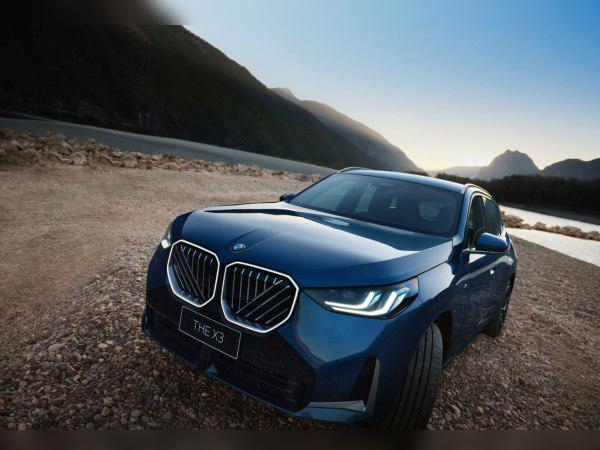
BMW B48B20H (2.0 Turbo) – Experiences, Problems, Fuel Consumption and Buying Used
If you’re considering buying a newer BMW, especially models such as the X3 in the long-wheelbase version (G48), you’ve probably come across the engine code B48B20H. This is a 2.0-liter turbo petrol engine that came as the successor to the notorious N20. With the B48 series, BMW made a huge step forward in terms of reliability, but like any complex machine, this engine is not immune to certain issues, especially when installed in a heavy body with all-wheel drive.
Key points in short (TL;DR)
- More reliable than its predecessor: The B48 doesn’t suffer from timing chain snapping like the old N20, but the chain is still located at the rear of the engine.
- Cooling system is a weak point: Plastic hoses and thermostat housings are prone to cracking and coolant leaks.
- Performance: With 190 hp in the heavy X3 (especially the Long version), this is an “adequate” but not a sporty engine.
- Direct injection: Requires high-quality fuel and regular spark plug replacement; it’s not an ideal candidate for LPG.
- The gearbox is top-notch: The ZF 8-speed automatic is the best in its class, provided the oil is changed on time.
- Fuel consumption: In the city, expect a two-digit figure due to the vehicle’s weight and xDrive system.
Contents
- Technical Specifications
- Reliability and Maintenance
- Specific Components and Costs
- Fuel Consumption and Performance
- Additional Options and Modifications (Tuning & LPG)
- Gearbox: Manual and Automatic
- Buying Used and Conclusion
Technical Specifications
| Engine code | B48B20H |
| Displacement | 1998 cc (2.0 L) |
| Power | 140 kW (190 hp) |
| Torque | 310 Nm |
| Injection type | Direct injection (High Precision Injection) |
| Induction | Twin-scroll turbo |
| Configuration | Inline, 4 cylinders |
Reliability and Maintenance
The B48B20H engine belongs to BMW’s modular engine family. Although it is drastically better than its predecessor, maintenance requires discipline, especially since it powers a massive vehicle such as the long-wheelbase X3.
Chain or belt?
This engine uses a timing chain. The good news is that the chain is much more robust than on the N20 and rarely fails prematurely. The bad news is that the chain is located at the rear of the engine (towards the cabin/gearbox). If it needs to be replaced (you usually hear rattling at cold start at high mileage, over 200,000 km), the engine or gearbox has to come out, which makes the job very expensive due to labor hours. (Depends on the market, but expect high labor costs).
Most common issues
The biggest enemy of the B48 engine is coolant leaks. BMW uses plastic for many hoses, tees and oil filter/thermostat housings. Due to high operating temperatures, this plastic becomes brittle and cracks.
Symptoms: Smell of coolant in the cabin, a puddle under the car or frequent need to top up coolant. Also pay attention to the VANOS solenoids, which can stick and cause rough engine operation.
Service intervals and oil
The manufacturer often states intervals of 30,000 km, which is too much for city driving. Do a minor service every 10,000 to 12,000 km at most.
The engine takes approximately 5.25 to 5.75 liters of oil (always check the exact amount, as oil pans can vary on xDrive models). Recommended grades are 0W-20 or 5W-30 with BMW Longlife-17 FE+ or Longlife-04 specification.
The major service (chain replacement) is not strictly prescribed by mileage but by chain condition, though preventive inspections are recommended after 150,000 km.
Oil consumption
B48 engines are fairly “tight” and should not consume large amounts of oil. Consumption of around 0.5 liters per 10,000 km is considered acceptable. If it uses a liter per 1,000 km, that points to an issue with piston rings or valve stem seals, although this is rarer than on older models.
Spark plugs
Since this is a turbocharged petrol engine with direct injection, the spark plugs are heavily stressed. They should be replaced every 50,000 to 60,000 km (or every second/third minor service). Don’t skimp on them; use only OEM or top-quality aftermarket plugs (NGK/Bosch) specified for this engine.
Specific Components and Costs
Dual-mass flywheel
Since this engine in the G48 X3 is paired exclusively with an automatic gearbox, it does not have a classic dual-mass flywheel like manual versions. Instead, it uses a torque converter (wandler) inside the gearbox, which absorbs vibrations. There is, however, a flexplate connecting the engine and gearbox, but it very rarely fails.
Fuel injection system
It uses high-precision direct injection. The injectors are piezo-electric and can be expensive to replace (very expensive). They are not as problematic as diesel injectors, but they are sensitive to poor fuel quality. Also, direct injection means the fuel does not “wash” the intake valves, so carbon buildup on the valves is possible after 100,000+ km, which requires cleaning by walnut shell blasting.
Turbocharger
The engine uses a single twin-scroll turbocharger. This is an excellent solution that reduces turbo lag. Their lifespan is long (over 200,000 km with regular oil changes). Failure symptoms include whining, blue smoke from the exhaust or loss of power. The electronic wastegate actuator can sometimes cause issues (rattling).
DPF, EGR and GPF
This engine does NOT have a DPF filter (that’s for diesels), but modern petrol engines in Europe do have a GPF (Gasoline Particulate Filter) which serves the same purpose. Fortunately, GPFs are much less prone to clogging than DPFs because petrol engines run at higher exhaust gas temperatures.
There is no AdBlue on this engine; that’s only for diesel units. An EGR valve is present, but on petrol engines it gets dirty and sticks far less often than on diesels.
Fuel Consumption and Performance
City driving
To be realistic: the BMW X3 Long is a heavy car, and xDrive adds extra drag. In heavy city traffic, real-world consumption will be between 10 and 13 liters per 100 km. This is not an economical city car.
Is the engine “lazy”?
With 190 hp and 310 Nm, the engine is adequate for everyday driving; overtaking is safe, but don’t expect to be pinned to your seat. The car is heavy and this engine needs to rev a bit more to move the mass, unlike a diesel with the same power, which has more torque.
Highway
This is where the engine performs very well. Thanks to the 8-speed gearbox, at 130 km/h the engine spins at around ~2000 rpm (depending on drive mode). Fuel consumption is then acceptable, around 7.5 to 9 liters, and cabin noise is minimal.
Additional Options and Modifications
LPG conversion
Not recommended. Due to the direct injection system, a classic sequential LPG kit cannot be installed. You need a system for direct liquid gas injection or a system that uses a mixture of petrol and LPG (to cool the injectors). Such setups are very expensive (over 1000–1500 EUR, depending on the market), and the cost-effectiveness is questionable unless you cover very high annual mileage.
Chip tuning (Stage 1)
This is the bright side of the B48 engine. Since the 190 hp version is often just a software-limited variant of more powerful models, the potential is huge. A safe Stage 1 remap can raise power to 240–260 hp and torque to over 400 Nm. This drastically changes the character of the vehicle and makes it much livelier, without significantly affecting longevity if the engine is regularly maintained.
Gearbox: Manual and Automatic
Type of gearbox
With the B48B20H engine in the X3 (G48), you most commonly (and almost exclusively) get the ZF 8HP automatic gearbox (Steptronic). Manual gearboxes are extremely rare or non-existent in this specific configuration (long version, xDrive, petrol).
Maintenance and failures (ZF 8HP)
This is probably the best automatic gearbox on the market. It is very fast and smooth.
Failures: Rare. Sometimes there can be oil leaks from the gearbox pan (which is plastic and replaced as a complete unit with the filter).
Service: Although BMW claims the oil is “lifetime”, the gearbox manufacturer (ZF) recommends changing the oil and filter (pan) every 80,000 to 100,000 km. This is mandatory if you want the gearbox to last. Neglecting this leads to jerks when shifting and eventual mechatronic failure, which is very expensive to repair.
Clutch costs
Since this is an automatic with a torque converter, there is no classic clutch disc that wears out. The main maintenance cost is the oil change (moderately expensive, depending on the price of ZF oil and the pan in your market).
Buying Used and Conclusion
What to check before buying?
- Cooling system: Open the hood and look for white traces (dried coolant) around hoses and the expansion tank. The coolant level must be at maximum.
- Cold start: The engine should run smoothly immediately after starting. Chain rattling or rough running can indicate expensive problems.
- Diagnostics: Check for any fault codes related to VANOS, oil pressure or temperature sensors.
- Gearbox service history: If the car has over 100,000 km and the gearbox oil has never been changed – be cautious.
Conclusion
The BMW B48B20H in the X3 body is an excellent choice for those who want petrol refinement, a quiet cabin and don’t cover extreme annual mileage (where a diesel would be more cost-effective). The engine is modern, technologically advanced and far more reliable than older BMW petrol units. If you accept somewhat higher city fuel consumption and are proactive with the cooling system, this engine will serve you very well. It is ideal for families who want comfort, and with a simple “chip” it can also become a fairly quick SUV.
Was this content useful to you?
Your opinion helps us to improve the quality of the content.