S68B44T0 Engine
- Engine
- 4395 cm3
- Aspiration
- Twin-power turbo, Intercooler
- Fuel
- Petrol / electricity
- Fuel injection system
- Direct injection
- Power
- 490 hp
- Torque
- 650 Nm
- Cylinders
- 8
- Valves
- 32, 4 per cylinder
- Cylinders position
- V-engine
- Valvetrain
- VALVETRONIC, Double-VANOS
- Oil capacity
- 10.75 l
- Systems
- Start & Stop System, Particulate filter
# Vehicles powered by this engine
TL;DR – Key Takeaways
- The S68 is an evolution, not a revolution: Although it carries a new code, this is a thoroughly revised version of the S63 engine with a “Hot-V” layout, adapted for electrification (PHEV/Mild Hybrid).
- System complexity: In addition to the V8 biturbo setup, you also have a high-voltage hybrid system. That means twice as many potential failure points and extremely expensive maintenance.
- Oil consumption: As with every BMW V8 engine, expect some oil consumption. It’s not necessarily a fault, more a characteristic, but it does require regular checking.
- Cooling is crucial: Due to the turbos being placed inside the “V”, thermal load is enormous. Plastic parts and hoses suffer from heat faster than on other engines.
- Performance: The engine is anything but “lazy”, despite the massive weight of the XM. The hybrid system instantly smooths out any turbo lag.
- Not for DIY mechanics: Maintenance requires specialized BMW tools and the latest-generation diagnostics.
Contents
BMW S68B44T0 Experiences, Issues and Maintenance of the 4.4 V8 Hybrid
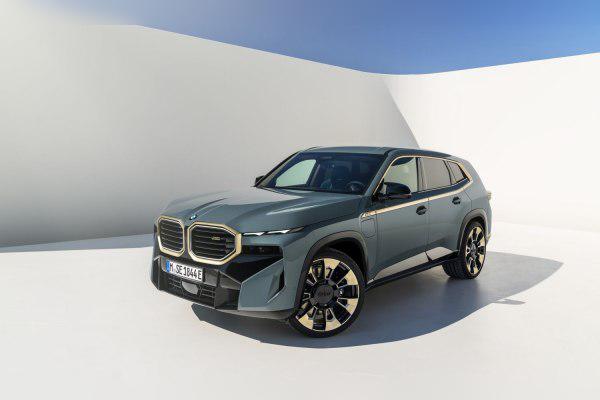
The BMW S68B44T0 is the latest gem of Bavarian engineering, introduced as the successor to the famous (and often criticized) S63 engine. This is not just a “facelift” of the old engine, but an entirely new architecture designed to meet future Euro 7 standards and to integrate perfectly with electric drive. It is installed primarily in the heavy artillery of BMW’s lineup, such as the controversial BMW XM (G09), but also in the facelifted X5 M60i and X7 M60i models.
We’re talking about a 4.4‑liter V8 engine with two turbochargers placed between the cylinder banks (the so‑called “Hot‑V” configuration). In the XM specifically, it works in tandem with a powerful electric motor integrated into the gearbox, making it a high‑performance plug‑in hybrid. For drivers this means brutal power, but also raises the question: has BMW finally solved the reliability issues of its V8 engines?
Technical Specifications
| Parameter | Value |
|---|---|
| Displacement | 4395 cc (4.4 L) |
| Configuration | V8, Hot‑V Twin‑Turbo |
| Power (petrol engine only) | 360 kW (490 hp) @ 5400 rpm |
| Torque (petrol engine only) | 650 Nm @ 1600–5000 rpm |
| System output (with e‑motor) | Up to 480 kW (653 hp) – depends on variant |
| Engine code | S68B44T0 |
| Injection type | Direct injection (High Precision Injection 350 bar) |
| Induction | Twin‑Power Turbo (Bi‑Turbo) + Electric assistance |
Reliability and Maintenance
Timing system: Chain or belt?
The S68B44T0 engine uses a timing chain. BMW has implemented a new valve timing design on this engine (VANOS is now electric rather than hydraulic as before, which is a major change). The chain is designed to last the life of the engine, but given the history of BMW V8s, it’s recommended to listen for any “rattling” on cold start after about 150,000 km. Replacing it is extremely expensive because the engine has to be removed.
Most common failures and symptoms
Since the engine is relatively new, long‑term data is still emerging, but early reports and its design characteristics point to the following:
- Coolant leaks: Due to the “Hot‑V” layout, the turbos heat up the surrounding plastic components and hoses. Over time the plastic becomes brittle and cracks. Symptoms include the smell of coolant in the cabin or a puddle under the vehicle.
- PCV (crankcase ventilation) system: The membranes in the oil separator can tear, leading to increased oil consumption, rough running and a whistling noise from the engine.
- Electronics and sensors: Given the complexity of the hybrid system, issues can arise with battery temperature sensors or communication between the petrol and electric motors.
Service intervals and oil
Minor service: Although the manufacturer recommends a flexible interval (up to 30,000 km), for the longevity of this engine that is a death sentence. Due to the high turbo temperatures, oil degrades faster. The recommendation is to change the oil every 10,000 to 12,000 km at most or once a year.
Oil quantity and type: This system takes a large amount of oil, usually around 10 to 11 liters (depending on the exact oil‑cooler configuration on the XM). Recommended grades are 0W‑30 or 0W‑40 with BMW Longlife‑12 FE or Longlife‑04 specification. Always check the owner’s manual or by VIN, as the wrong oil can damage the GPF filter.
Oil consumption: Yes, this engine consumes oil. That’s the price you pay for a V8 layout and turbos. Consumption of 0.5 to 0.8 liters per 2,000–3,000 km is often considered acceptable by the manufacturer, even though it annoys owners. If it uses a liter per 1,000 km, that points to an issue with piston rings, valve stem seals or the turbos.
Spark plugs and injectors
Since this is a high‑performance petrol engine with direct injection:
- Spark plugs: Replace them at every second minor service or roughly every 30,000–40,000 km. Worn spark plugs can cause coil overheating and misfires.
- Injectors: High‑pressure piezo injectors (350 bar) are used. They are sensitive to poor fuel quality. Failure symptoms include fuel leakage (smell of petrol, rising oil level as fuel enters the sump) or rough idle.
Specific Components (Costs)
Turbochargers, dual‑mass and emissions system
Dual‑mass flywheel: This model, given its automatic transmission and hybrid setup, uses a specific vibration‑damping system that acts like a dual‑mass flywheel but is integrated into the gearbox/electric motor housing. Failures are rare, but if they do occur, repairs are very expensive (depending on market) because the entire assembly often has to be replaced.
Turbochargers: The engine has two twin‑scroll turbochargers. Their lifespan depends on maintenance (regular oil changes) and driving style (cool‑down after spirited driving). You can expect around 150,000–200,000 km before they start leaking oil or develop excessive play.
GPF and EGR: The S68B44T0 is equipped with a GPF (Gasoline Particulate Filter) to meet strict emissions standards. It can clog if the car is driven exclusively on short city trips, although in a hybrid the electric motor often takes over in such conditions, and the petrol engine mostly runs under load, which reduces the risk. There is no AdBlue (that’s for diesels), but the exhaust aftertreatment system is extremely complex and expensive to replace.
Fuel Consumption and Performance
Real‑world fuel consumption
With plug‑in hybrids like the BMW XM, fuel consumption is a relative concept and depends on whether you charge the battery:
- City driving (full battery): 0 l/100 km (up to about 80 km of electric range).
- City driving (empty battery): Expect 15 to 20 l/100 km. Moving a 2.7‑ton SUV in stop‑and‑go traffic takes energy.
- Highway/motorway: At 130 km/h, consumption is around 10 to 12 l/100 km. The engine cruises at very low revs (below 2,000 rpm) thanks to the 8‑speed gearbox and electric assistance.
Is the engine “lazy”?
Absolutely not. Although the BMW XM weighs as much as a small tank, the combination of 650 Nm (from the petrol engine) and the instant torque of the electric motor makes the car leap forward at the slightest touch of the throttle. The electric motor fills in any potential turbo lag, so response is immediate.
Additional Options and Modifications
LPG conversion
In theory, it is possible to install a liquid‑injection LPG system, but it is strongly discouraged. First, you lose boot space (already reduced by the battery pack). Second, the complexity of the S68’s electronics makes LPG calibration a nightmare. Third, it drastically lowers the value of such a vehicle.
Chiptuning (Stage 1)
The engine has huge potential. With a software remap alone (Stage 1) on the petrol engine, power can be increased by about 60–80 hp and 100 Nm, pushing system output beyond 700 hp. However, new BMW models have a locked ECU (Bosch MG1 series) that must be physically sent to specialized shops (e.g. Femto in Finland) for unlocking before tuning. This is an expensive and risky process that immediately voids the warranty.
Transmission and Drivetrain
This engine is paired exclusively with an 8‑speed automatic M Steptronic gearbox (manufactured by ZF), but in a specific hybrid version (8HP, 4th generation). Instead of a traditional torque converter, there is a powerful electric motor housed inside the transmission.
Transmission maintenance and failures
- Reliability: The ZF 8HP is one of the best gearboxes in the world. Mechanically it is very robust.
- Failures: The main potential issues are not with the gears themselves, but with the electronics inside the gearbox (mechatronics) and the integrated electric motor. Symptoms include jerks when switching from electric to petrol mode.
- Service: BMW claims the oil is “lifetime fill”. Do not believe this. Transmission oil should be changed every 80,000 to 100,000 km. The service is more expensive than on regular automatics due to the specific procedure and pricier oil.
Buying Used and Conclusion
Buying a used vehicle with the S68 engine (e.g. BMW XM) is a sport for those with deep pockets. This is not a car you buy “on a budget”.
What to check before buying:
- Cold start: Listen to the chain. Any rattling lasting longer than 2–3 seconds is a red flag.
- Battery: Check the State of Health (SoH) of the high‑voltage battery via diagnostics. A replacement battery costs as much as a decent used car.
- Leaks in the “V” area: Remove the plastic engine cover and use a flashlight to check for traces of coolant or oil between the cylinder banks.
- Service history: It must be impeccable, with proof of regular oil changes.
Conclusion: The S68B44T0 in the XM is a technological marvel that delivers supercar performance in an SUV body. It is more reliable than the early N63 series engines, but the added complexity of the hybrid system means that out‑of‑warranty maintenance will be very expensive. It is aimed at enthusiasts who want cutting‑edge technology and prestige and are prepared to pay the price for that enjoyment.
Was this content useful to you?
Your opinion helps us to improve the quality of the content.