DDXB Engine
- Engine
- 2967 cm3
- Aspiration
- Turbocharger, Intercooler
- Fuel
- Diesel
- Fuel injection system
- Diesel Commonrail
- Power
- 204 hp
- Torque
- 500 Nm
- Cylinders
- 6
- Valves
- 24, 4 per cylinder
- Cylinders position
- V-engine
- Oil capacity
- 8 l
- Systems
- Particulate filter
# Vehicles powered by this engine
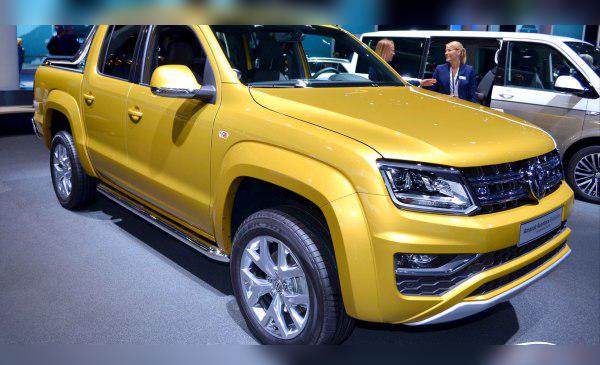
3.0 V6 TDI (DDXB) in the VW Amarok: Experiences, problems, fuel consumption and buying tips
Key points (TL;DR)
- Powerful and refined: The V6 configuration brings smoothness and power that the old 2.0 BiTDI engines lacked. It doesn’t feel strained in the heavy body.
- Timing chain, not belt: It uses a chain located at the rear of the engine. Replacement is very expensive because the engine has to be removed.
- Excellent gearbox: Paired with the ZF 8-speed automatic, this is probably the most reliable part of the drivetrain.
- AdBlue issues: The exhaust aftertreatment system is sensitive, especially the AdBlue heaters and pumps.
- City fuel consumption: Expect double‑digit consumption in city driving. This is not a small city car.
- Ideal use case: Towing and long trips. For short city runs, the DPF will give you trouble.
Contents
- Introduction and use
- Technical specifications
- Reliability and maintenance
- Specific parts and costs
- Fuel consumption and performance
- Additional options and modifications
- Gearbox and drivetrain
- Buying used and conclusion
Introduction and use
The engine with code DDXB represents the “sweet spot” in the first‑generation Volkswagen Amarok lineup (facelift models from 2016). It is a 3.0‑liter V6 TDI unit from the EA897 “Evo” series. After reliability issues with the smaller 2.0 BiTDI engine in this heavy pickup, VW made the right move by fitting this “truck‑like” V6 diesel. The 204 hp (150 kW) version is actually a mildly detuned variant of the more powerful engines, which in theory gives it longevity because the components are not pushed to their limits. This is the engine that gives the Amarok the character of a premium SUV while retaining the working capabilities of a commercial vehicle.
Technical specifications
| Engine code | DDXB (EA897 Evo) |
| Displacement | 2967 cc (3.0 L) |
| Configuration | V6 (90‑degree angle) |
| Power | 150 kW / 204 hp at 3000–4500 rpm |
| Torque | 500 Nm at 1250–2750 rpm |
| Injection type | Common Rail (Piezo injectors) |
| Charging | Variable geometry turbocharger (VGT) |
| Timing drive | Chain |
Reliability and maintenance
Does this engine have a timing belt or a chain?
The DDXB engine uses a chain system to drive the camshafts. This is a critical point for used‑car buyers. The chains are located at the rear of the engine (towards the gearbox/cabin). Although they are designed to last the “entire service life”, in practice they stretch or the tensioners lose pressure after around 200,000 km (sometimes earlier if the oil was changed infrequently). A rattling noise on cold start (first 3–5 seconds) is the first warning sign. Replacement is very expensive (depends on the market) because the engine or gearbox has to be removed.
What are the most common failures on this engine?
Besides the chain, owners most often encounter oil and coolant leaks in the “V” space between the cylinder banks (the oil cooler or gaskets often fail). The oil pressure regulation system is also problematic, as well as camshafts that can show signs of wear if poor‑quality oil was used, although this is less common on the “Evo” engines than on older V6 TDI units. The thermostat and thermostat housing are also known to leak.
At what mileage is the major service done?
Since it has a chain, a classic “major service” (timing belt replacement) doesn’t exist in that sense. However, there is a serpentine (auxiliary) belt at the front that drives the alternator, A/C and water pump. It, together with the rollers and tensioner, should be replaced at around 120,000 to 150,000 km or every 5–7 years. The chain is replaced only when it becomes noisy.
How many liters of oil does this engine take and which grade is recommended?
This is a large‑capacity engine – the sump holds about 8.0 liters of oil. The large oil volume is excellent for cooling and longevity. Only fully synthetic oil of grade 5W‑30 or 0W‑30 that meets the strict VW 507.00 specification is recommended (Low SAPS because of the DPF). The change interval should be shortened to 10,000–15,000 km, especially if the vehicle is driven in the city or used for towing. Forget about “LongLife” intervals of 30,000 km if you want to preserve the chain.
Does it consume oil and how long do the injectors last?
Moderate oil consumption (up to 0.5 L per 2–3 thousand km) can be normal, especially under load. However, a sudden increase in consumption indicates a problem with the turbocharger or piston rings. As for the injectors, Bosch Piezo injectors are used. They are generally reliable and can last over 250,000 km with good‑quality fuel. Symptoms of failure are rough idle, smoke under full throttle or difficult starting. Refurbishment is possible, but replacing them with new injectors is expensive (depends on the market).
Specific parts (costs)
Does the engine have a dual‑mass flywheel?
The situation here is specific because of the automatic gearbox. Since your model has an automatic (ZF 8HP), it does not have a conventional dual‑mass flywheel that fails like on manual gearboxes or DSG units. It uses a torque converter (hydraulic transformer) and a flexplate. This is great news because this system is far more durable and is not a regular wear item that needs periodic replacement.
Turbocharger, DPF, EGR and AdBlue
The DDXB engine uses a single turbocharger with variable geometry. The turbo is robust but sensitive to shutting the engine off immediately after hard highway driving.
DPF and EGR: Like any modern Euro 6 diesel, it is sensitive to city driving. The EGR valve gets clogged with soot, which chokes the engine. The DPF filter requires regular regenerations on open roads.
AdBlue: Yes, this engine has an AdBlue (SCR) system. This is a frequent source of headaches. Heaters in the AdBlue tank or the pump itself often fail, as well as NOx sensors. When the system fails, the car will count down the remaining kilometers until the engine can no longer be started. Repairs are expensive (depends on the market), although there are software solutions to disable the system (which is illegal in the EU).
Fuel consumption and performance
What is the real‑world fuel consumption and is the engine “lazy”?
The Amarok is heavy and its aerodynamics are like a brick.
- City driving: Expect 10 to 13 liters/100 km, depending on traffic and how heavy your right foot is. In winter, even more.
- Open road: This is where it shines. At 80–90 km/h it can use around 7.5–8.5 liters.
Behavior on the motorway
Thanks to the 8‑speed gearbox, at 130 km/h the engine runs at very low revs (around 2000–2100 rpm in 8th gear). The ride is quiet, and there are always ample power reserves for overtaking. It has no problem maintaining high cruising speeds.
Additional options and modifications
Chip tuning (Stage 1)
The DDXB engine responds extremely well to remapping. Since it is hardware‑wise very similar (or almost identical in many components) to the more powerful 224 hp and 258 hp versions, this engine is factory‑detuned. A safe Stage 1 remap can raise power to 250–265 hp and torque to almost 600 Nm. This drastically changes the character of the vehicle, and the gearbox can easily handle the increase.
Gearbox
Which gearbox is used and what failures occur?
With this engine and 4MOTION drivetrain you get the famous ZF 8HP automatic gearbox (8 speeds). This is not VW’s DSG, but a conventional automatic with a torque converter. It is probably the best automatic gearbox in the world in this class. Gear changes are seamless, response is excellent, and reliability is outstanding.
Gearbox maintenance
Although VW often claims that the gearbox oil is “lifetime”, the gearbox manufacturer (ZF) strictly recommends changing the oil and the pan (which contains the filter) every 80,000 to 100,000 km. If you follow this, the gearbox will outlive the car. The service cost is moderate to high (depends on the market), but it is essential.
Buying used and conclusion
When buying an Amarok with this engine, it is crucial to check the following:
- Cold start: Insist that the engine is completely cold. Listen for chain rattle from the rear of the engine. If it rattles for more than a few seconds – walk away or negotiate the price down by 1500–2000 EUR.
- Oil leaks: Inspect the engine from below and above (remove the plastic cover). Leaks in the “V” section are common.
- Diagnostics: Check the DPF status and injector corrections. Also check for any faults related to the AdBlue system.
- Gearbox: It must shift smoothly, without jerks, both when cold and when hot.
Conclusion: The VW Amarok 3.0 V6 TDI (DDXB) is a fantastic vehicle that offers performance, comfort and working capability. The engine is a far better choice than the 2.0 TDI variant, but it comes with potentially higher maintenance costs (chain, oil quantity, fuel consumption). It is intended for those who often tow trailers, drive long distances on open roads, or simply want a powerful pickup and are willing to pay for proper maintenance.
Was this content useful to you?
Your opinion helps us to improve the quality of the content.