CNEA, CSHA Engine
- Engine
- 1968 cm3
- Aspiration
- BiTurbo, Intercooler
- Fuel
- Diesel
- Fuel injection system
- Diesel Commonrail
- Power
- 180 hp @ 4000 rpm
- Torque
- 400 Nm @ 1750 rpm
- Cylinders
- 4
- Valves
- 16, 4 per cylinder
- Cylinders position
- Inline
- Valvetrain
- DOHC
- Oil capacity
- 7 l
- Systems
- Particulate filter
# Vehicles powered by this engine
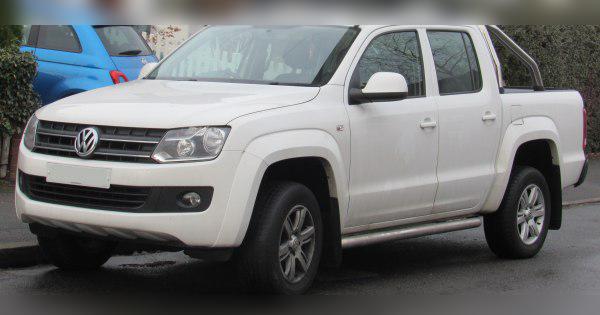
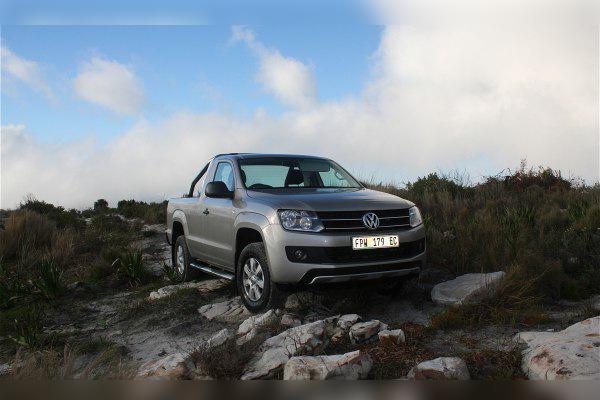
VW 2.0 BiTDI (CNEA, CSHA) 180 HP – Experiences, problems, fuel consumption and used-buying guide
Key points (TL;DR)
- Bi-Turbo complexity: Two turbochargers provide excellent torque (400 Nm), but bring double maintenance costs and more potential points for oil or vacuum leaks.
- EGR cooler: A well-known weak spot. Coolant leaking into the engine is a common symptom that must not be ignored.
- ZF 8HP gearbox: The 8-speed automatic is probably the best part of this powertrain – extremely reliable and comfortable.
- Aux belt risk: There is a risk that when the auxiliary (serpentine) belt snaps, its remnants get under the timing belt and destroy the engine. Installing a protective cover is recommended.
- Not a city car: The DPF and AdBlue systems are sensitive to short trips. This engine needs open road and load.
- Fuel consumption: Because of the Amarok’s “brick” aerodynamics and weight, don’t expect miracles. The average is rarely below 9–10 liters.
Contents
Introduction and application
The 2.0 BiTDI engine with codes CNEA and CSHA represents the top of the four‑cylinder diesel range in the first generation of the Volkswagen Amarok. Unlike its 163 HP predecessors, this 180 HP (132 kW) version brought necessary improvements in cylinder head durability and solving overheating issues.
This is a true “workhorse” intended for people who actually use the load bed or tow trailers. Although the 2.0‑liter displacement is often criticized as “too small” for such a big pickup (compared to 3.0 V6 competitors), the Bi‑Turbo technology allows it to cope with the weight with acceptable efficiency. CNEA and CSHA are essentially the same engines, with differences mostly related to market specifications and emissions standards (Euro 5 / Euro 6‑ready).
Technical specifications
| Feature | Data |
|---|---|
| Displacement | 1968 cc (2.0 l) |
| Power | 132 kW (180 HP) at 4000 rpm |
| Torque | 400 Nm (some versions 420 Nm with overboost) at 1500–2250 rpm |
| Engine codes | CNEA, CSHA |
| Injection type | Common Rail (Bosch) |
| Charging | Bi‑Turbo (two turbochargers in series) |
| Camshaft drive | Timing belt |
Reliability and maintenance
Belt or chain?
This engine uses a timing belt to drive the camshafts. This is good news, as timing belts on TDI engines of this generation (EA189 evolution) have proven more reliable than chains on some older VW engines. The major service is factory‑recommended at 210,000 km, but that is overly optimistic for pickup operating conditions. Experienced mechanics and real‑world practice suggest replacing the timing kit together with the water pump at no more than 120,000 to 150,000 km or every 5–6 years.
Most common failures and the “Achilles’ heel”
One specific and dangerous issue on Amaroks with this engine is the auxiliary (serpentine) belt. Due to a seized roller or tensioner, the belt can snap or shred. Because of poor protective design, pieces of that belt can get under the plastic timing belt cover, causing the engine to jump timing and resulting in a catastrophic failure (pistons hitting valves). There is a modified cover and protection kit that prevents this – make sure it has been installed.
Oil and consumption
The engine takes about 7.0 to 7.5 liters of oil (the sump is large due to the vehicle’s commercial purpose). Only fully synthetic 5W‑30 oil that meets the VW 507.00 standard (because of the DPF) is recommended. As for oil consumption, CNEA/CSHA engines are much better than the infamous CFCA engine from the Transporter. Consumption of up to 0.5 liters per 10,000 km is perfectly acceptable. If it uses more (e.g. a liter per 2,000 km), that points to an issue with piston rings or turbochargers, which is not normal behavior for a properly maintained engine.
Injectors
The injection system is Common Rail, usually with Bosch piezo injectors. They are generally very durable and easily exceed 200,000+ km with good‑quality fuel. Symptoms of bad injectors include smoke on cold start, rough idle and increased fuel consumption. They can be refurbished, but the price of new ones falls into the “expensive” category (varies by market).
Specific parts (costs)
Bi‑Turbo system
The “BiTDI” badge means the engine has two turbochargers: a smaller one for quick response at low revs and a larger one for power at higher revs. This eliminates turbo lag, but doubles the complexity. Their lifespan is around 200,000–250,000 km with regular oil changes. Overhauling the Bi‑Turbo assembly is very expensive because the system is integrated and requires precise adjustment of the vacuum controls that manage pressure transfer between the turbos.
EGR and DPF filter
The EGR valve is a common problem. The EGR cooler tends to corrode from the inside, leading to coolant loss (coolant enters the engine and burns). If you notice coolant disappearing with no puddles under the car, the EGR cooler is suspect number one. The DPF filter is standard. On Amaroks driven mostly in the city or on short routes (construction sites), the DPF clogs quickly. Regeneration requires driving on open roads. A clogged DPF increases backpressure on the turbos and shortens their life.
AdBlue system
Most CSHA models (and later CNEA) are equipped with an SCR (AdBlue) system. The most common failures are related to the heater in the AdBlue tank or the pump. When the system fails, the vehicle often goes into limp mode or refuses to start after a certain distance. Repair often requires replacing the entire tank module.
Fuel consumption and performance
Is the engine “lazy”?
With 400 Nm of torque available from just 1500 rpm, the engine is not lazy, even for a body weighing over 2 tons. Acceleration is linear and strong thanks to the two turbos. However, at speeds over 140 km/h on the motorway, you can feel the lack of displacement compared to 3.0 V6 engines.
Real‑world fuel consumption
- City driving: Expect between 10 and 13 l/100 km. The Amarok is heavy and aerodynamically unfavorable.
- Open road (80–90 km/h): It is possible to get down to 7.5–8.5 l/100 km.
- Motorway (130 km/h): Consumption rises to around 10–11 l/100 km. At this speed, with the 8‑speed automatic, the engine spins at a relaxed 2000–2200 rpm, making for quiet cruising.
Additional options and modifications
Chip tuning (Stage 1)
This engine responds very well to remapping. A safe “Stage 1” tune raises power to about 210–220 HP and torque to 440–460 Nm. This is clearly noticeable when overtaking and towing. However, before remapping, always check the condition of the turbos and the DPF, because more power also means higher thermal load.
Gearbox: Manual vs Automatic
This is where one of the biggest advantages of the Amarok with this engine lies, but also an important difference in maintenance.
Manual gearbox (6‑speed)
A robust gearbox, but it comes with a dual‑mass flywheel (DMF). Given the high torque and heavy‑duty use of the vehicle, the DMF is a wear item. Replacing the clutch kit together with the flywheel is a significant expense (medium to high, depending on the market). The advantage of the manual is that it often comes with a proper low‑range transfer case for serious off‑road use.
Automatic gearbox (ZF 8HP – 8‑speed)
This is a conventional automatic with a torque converter, not a DSG. That’s excellent news! The ZF 8HP is one of the best automatic transmissions in the world.
Advantages: No dual‑mass flywheel in the usual sense (it uses a converter), shifts are seamless, and it keeps the engine in the ideal rev range.
Maintenance: Although VW often claims the oil is “lifetime fill”, ZF (the gearbox manufacturer) recommends changing the oil and filter (sump pan) every 80,000 to 120,000 km. This is mandatory if you want it to last.
Disadvantages: Models with the automatic usually don’t have a low‑range transfer case, but instead a very short first gear and permanent 4Motion drive (Torsen differential), which is less capable in extreme off‑road, but better on tarmac and snow.
Used buying guide and conclusion
What to look out for when buying?
- Cold start: Listen for any chain rattle (even though it has a belt, there is a small chain for the oil pump) or noisy hydraulic lifters.
- Aux belt check: Inspect whether the belt is cracked and ask if the timing belt protection cover has been installed.
- Fluid leaks: Check the coolant level. If it’s low, suspect the EGR cooler.
- Diagnostics: Always check injector correction values and DPF load (ash/soot).
- Gearbox (automatic): It must pull away smoothly and shift imperceptibly, both when cold and hot.
Final verdict
The VW Amarok with the 2.0 BiTDI (180 HP) engine is probably the best balance of power, fuel consumption and usability for European roads. If you can choose, the version with the 8‑speed ZF automatic is highly recommended for its reliability and driving comfort. Although the 2.0 engine is complex (two turbos, EGR, DPF), with preventive maintenance (more frequent oil changes and major service done earlier than scheduled), it can serve for a very long time.
This is an engine for those who need a work vehicle that behaves like an SUV on the motorway, but you must be prepared for maintenance costs in the premium segment.
Was this content useful to you?
Your opinion helps us to improve the quality of the content.