DNFG Engine
- Engine
- 1984 cm3
- Aspiration
- Turbocharger, Intercooler
- Fuel
- Petrol (Gasoline)
- Fuel injection system
- Direct injection
- Power
- 320 hp
- Torque
- 420 Nm
- Cylinders
- 4
- Valves
- 16, 4 per cylinder
- Cylinders position
- Inline
- Valvetrain
- DOHC
- Oil capacity
- 5.7 l
- Systems
- Start & Stop System, Particulate filter
# Vehicles powered by this engine
2.0 TSI (DNFG) 320 HP – Experiences, Problems, Fuel Consumption and Buying Used
Key points (TL;DR)
- Top‑tier performance: DNFG is the flagship version (EA888 Gen 4) and delivers explosive power in the “R” models.
- Timing chain drive: Uses a chain that is far more reliable than on older TSI engines, but it requires high‑quality oil.
- Fuel consumption is not low: In the city, expect a two‑digit number of liters per 100 km; this is not an engine for saving fuel.
- Sensitive to fuel quality: Requires exclusively premium unleaded petrol (98 or 100 octane) for maximum performance.
- DSG maintenance: The gearbox is an integral part of the package and requires strictly regular oil changes every 60,000 km or earlier.
- GPF filter: Equipped with a gasoline particulate filter, which can cause issues if the car is driven only on short trips.
- Recommendation: An ideal engine for enthusiasts who know what “turbo cooldown” is and do not cut corners on maintenance.
Contents
- Introduction and applications
- Technical specifications
- Reliability and maintenance
- Specific parts and costs
- Fuel consumption and performance
- Additional options and modifications
- Gearbox and drivetrain
- Buying used and conclusion
Introduction and applications
The engine designated DNFG represents the very peak of engineering within the Volkswagen Group when it comes to four‑cylinder turbo petrol engines. It is an evolution of the famous EA888 series, specifically its fourth generation (Gen 4 Evo). This power unit was developed specifically for models bearing the “R” badge, which means it is designed for high loads, more aggressive driving and top‑class performance.
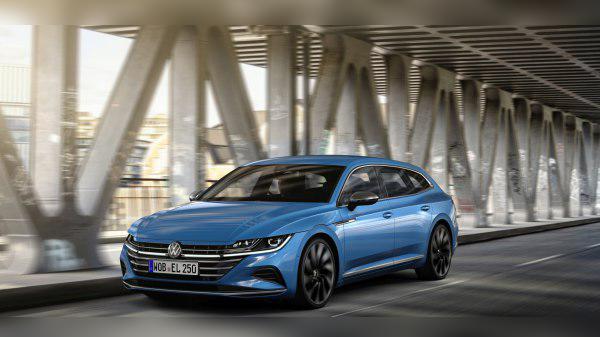
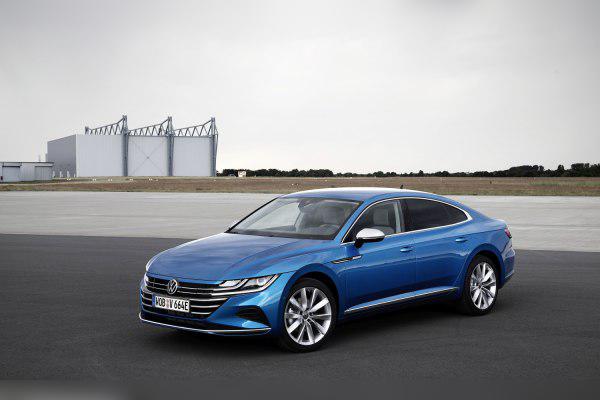
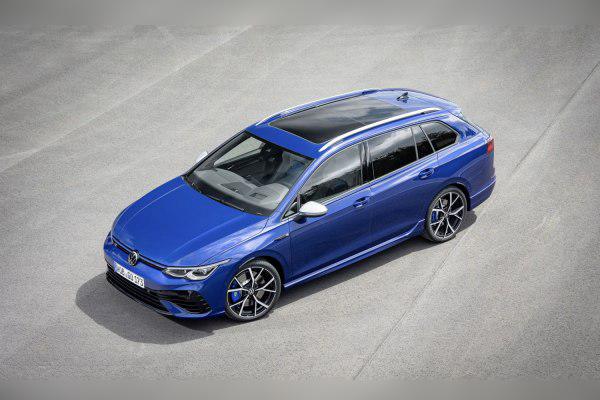
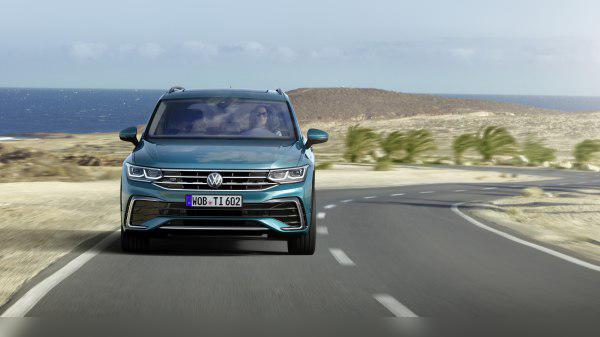
Unlike the lower‑powered versions (such as the 190 or 245 HP units), the DNFG comes with reinforced internal components, a larger turbocharger and a specific cooling system in order to deliver a stable 320 horsepower. It is most commonly found in facelift versions of the Arteon, Golf 8 R and Tiguan R, paired exclusively with 4MOTION all‑wheel drive.
Technical specifications
| Parameter | Value |
|---|---|
| Engine displacement | 1984 cc (2.0 L) |
| Power output | 235 kW (320 HP) |
| Torque | 420 Nm |
| Engine code | DNFG (EA888 Gen 4) |
| Injection type | Direct injection (TSI/FSI) – 350 bar |
| Forced induction | Turbocharger + intercooler |
| Number of cylinders / valves | 4 / 16 |
Reliability and maintenance
Chain or belt?
The DNFG engine uses a timing chain for valve timing. This is the fourth generation of the EA888 engine, where the chain‑stretch issues (that plagued the first generations) have largely been resolved. The chain is designed to last the lifetime of the vehicle, but in practice, with such a powerful engine, it is recommended to check the condition of the chain and tensioner after 150,000 km, or earlier if you hear a characteristic rattling noise on cold start (first 2–3 seconds).
Most common failures
Although more reliable than its predecessors, this engine operates under high stress. The most common issues include:
- Thermostat module and water pump: The housing is plastic and prone to cracking or deforming due to high temperatures, which leads to coolant leaks. Symptoms include a dropping coolant level and a sweet smell of vapour under the bonnet.
- Carbon build‑up: Because of direct injection, the valves are not “washed” by fuel, so soot builds up on the intake valves. This leads to rough idle and a slight loss of power at higher mileage (over 100,000 km).
- PCV valve (oil separator): If the membrane fails, the engine may start consuming oil, whistling during operation or throwing fault codes related to air pressure.
Major and minor service
Since it uses a chain, a classic “major service” (timing belt replacement) does not exist in that sense. However, replacement of the auxiliary (serpentine) belt with tensioners is recommended at around 100,000–120,000 km. Regular “minor service” (oil and filters) on such an engine should be done at a maximum of 10,000–12,000 km, and if driven aggressively, even every 7–8 thousand kilometres.
Oil: quantity and consumption
The engine takes approximately 5.7 litres of oil. The recommended grade for the DNFG (Evo 4) is specific. The manufacturer often recommends 0W‑30 (VW 504.00 / 507.00) or newer “thin” standards such as 0W‑20 (VW 508.00) for emissions reasons. Practical recommendation: For an engine with 320 HP, stick to a high‑quality 0W‑30 or 5W‑30 (VW 504.00) oil, which offers better protection at high temperatures.
As for oil consumption, TSI engines are known to “like a drink”. Consumption of 0.3 to 0.5 litres per 1,000 km is considered acceptable by factory standards, although in reality anything over 1 litre per 5,000 km is a sign that you should monitor the situation. Aggressive driving directly increases oil consumption.
Spark plugs
Given the high specific output and turbocharging, the spark plugs are under heavy stress. Although the manufacturer may state 60,000 km, the strict recommendation is to replace the spark plugs every 30,000 to 40,000 km. Worn spark plugs can lead to misfires, which can damage the ignition coils and even the catalytic converter.
Specific parts (costs)
Dual‑mass flywheel
Yes, this engine is paired with a DSG gearbox and uses a dual‑mass flywheel. Its lifespan depends entirely on driving style. Hard launches from a standstill (“Launch Control”) drastically shorten its life. Replacement is expensive (depends on the market), but necessary when vibrations appear at idle or when you hear a metallic noise when switching the engine off.
Fuel injection system
The injection system operates at very high pressure (up to 350 bar). The injectors are generally reliable but sensitive to poor fuel quality. Injector failure manifests itself through leaking (engine oil smells of petrol) or uneven running. The price of a single injector is quite high.
Turbocharger
The engine uses a single, but very powerful turbocharger (most often Continental or Garrett, depending on the series). This is not a component that often fails on its own, but it is sensitive to switching off a hot engine. If you turn the car off immediately after hard driving, the oil in the turbocharger can burn and destroy the bearings. With proper cooldown and regular oil changes, the turbo can last over 200,000 km.
GPF and EGR
This model (being Euro 6d compliant) is equipped with a GPF (Gasoline Particulate Filter) – the petrol equivalent of a diesel DPF. It does not have a classic EGR valve like older diesels that clogs with soot in the same way, but GPF sensors can cause problems. If you drive only in the city, the GPF can get clogged. The solution is to take the car on the motorway and drive at higher revs (3000+ rpm) for about 20 minutes. This engine does not have an AdBlue system.
Fuel consumption and performance
City driving
Let’s be honest – you are buying a 320 HP car. In city stop‑and‑go traffic and congestion, fuel consumption ranges between 11 and 14 litres per 100 km. In extreme traffic jams or on cold days, it can go even higher. Any claim of 8–9 litres in the city for this engine is unrealistic.
Laziness and power delivery
The engine is absolutely not lazy. With 420 Nm of torque available from low revs (around 2100 rpm), it moves the bodies of the Arteon and Tiguan with exceptional ease. Throttle response is instant, especially in “R” or “Sport” mode. Overtaking is a matter of moments, not planning.
Motorway
This is the natural habitat of this engine. On the motorway at 130 km/h the engine runs relaxed, usually at or below 2,000–2,200 rpm (thanks to the 7‑speed DSG gearbox). Fuel consumption on the open road at normal speeds (120–130 km/h) is around 7.5 to 9 litres, depending on the vehicle’s aerodynamics (the Tiguan consumes more than the Arteon).
Additional options and modifications
LPG conversion
Is it possible? Technically yes, but it is not recommended and financially questionable. Due to direct injection, you need an expensive liquid‑injection LPG system or a system that uses both petrol and LPG at the same time to cool the injectors. Installation is very expensive, and the risk of engine damage (overheating valves, electronic issues) on such a high‑performance unit is not worth the savings.
Remapping (Stage 1)
The DNFG engine has huge potential. A Stage 1 remap (software only) safely raises power to 360 to 380 HP and torque close to 480–500 Nm. The engine can handle this mechanically very well, but keep in mind that it further stresses the turbo, spark plugs and gearbox. Before remapping, always check the condition of the chain and turbo.
Gearbox
In the mentioned models, this engine is supplied exclusively with a DSG dual‑clutch automatic gearbox (7‑speed). The gearbox codes are most often DQ381 or the more robust DQ500 (often in the Tiguan R due to its weight and towing capacity).
Gearbox problems
These are “wet” DSG gearboxes (the clutches are bathed in oil) and are very reliable if maintained properly. The most common issues are related to the mechatronics unit (the gearbox “brain”), which can fail due to overheating or old oil. Symptoms include harsh gear changes, delay when setting off or jolts when downshifting.
Gearbox maintenance
Gearbox servicing is critical. The oil and filter in the DSG gearbox must be changed every 60,000 km (it is even recommended to do it earlier, at 40,000–50,000 km if driven aggressively). The service cost is not low, but it is negligible compared to the cost of gearbox repairs.
Clutch replacement
The clutch pack (friction plates) is replaced when worn, which usually happens between 150,000 and 200,000 km, but it can be earlier with predominantly city driving. Replacement also includes new oil and adaptation, and falls into the expensive category (depends on the market).
Buying used and conclusion
Before buying a car with the DNFG engine, pay attention to the following:
- Cold start: Listen to the engine when it is completely cold. Chain rattling lasting longer than 2–3 seconds is a red flag.
- Coolant leaks: Check for white traces of dried coolant around the thermostat housing (on the side of the engine).
- Gearbox service history: If there is no proof that the DSG oil has been changed on time – walk away from that car.
- Exhaust condition: Black tailpipes are normal, but oily deposits or bluish smoke when revving indicate oil consumption or a failing turbo.
Conclusion: The DNFG 2.0 TSI (320 HP) is a phenomenal engineering achievement. It offers sports‑car performance in the body of a family estate or SUV. It is not cheap to maintain and it “likes” fuel, but in return it puts a smile on your face every time you press the accelerator. It is intended for drivers who are aware of the costs of owning an “R” model and who will not skimp on quality oil and tyres.
Was this content useful to you?
Your opinion helps us to improve the quality of the content.