CBZB, CYVD Engine
- Engine
- 1197 cm3
- Aspiration
- Turbocharger, Intercooler
- Fuel
- Petrol (Gasoline)
- Fuel injection system
- Direct injection
- Power
- 105 hp
- Torque
- 175 Nm
- Cylinders
- 4
- Valves
- 16, 4 per cylinder
- Cylinders position
- Inline
- Oil capacity
- 3.9 l
# Vehicles powered by this engine
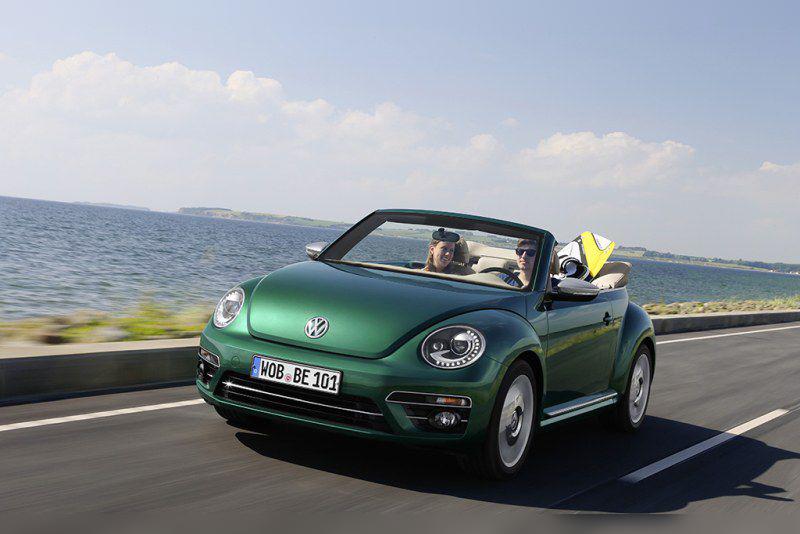
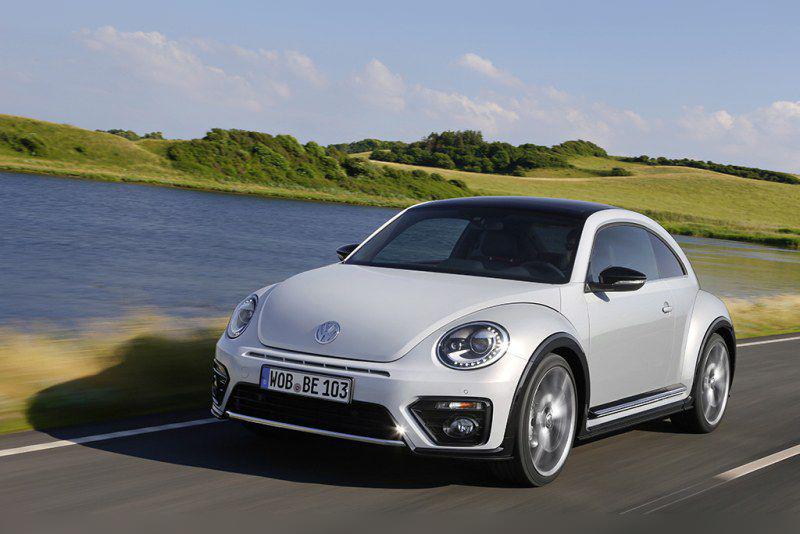

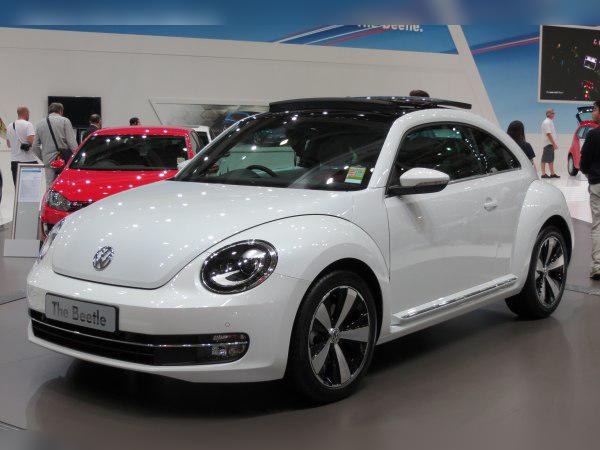
1.2 TSI (CBZB, CYVD) in the VW Beetle – Experiences, issues, fuel consumption and buying used
Key points (TL;DR)
- Two engine generations: It’s crucial to distinguish the older EA111 (timing chain, code CBZB) from the newer EA211 (timing belt, code CYVD). The difference in reliability is huge.
- Timing chain issues (older models): Engines with code CBZB are known for timing chain stretch and tensioner failures.
- City driving: Excellent low-end torque makes it lively around town, ideal for the Beetle.
- Oil consumption: Direct injection and turbocharging can make it “drink” some oil, so regular checks are mandatory.
- DSG gearbox: The DQ200 (7-speed) with dry clutch requires caution when buying and can be expensive to repair.
- Carbon buildup: Like any petrol engine with direct injection, it is prone to carbon deposits on the intake valves.
- Conclusion: If you’re buying an A5 Beetle, the absolute recommendation is to look for post-2015 models with the timing-belt engine.
Contents
Introduction and application
The Volkswagen Beetle (A5 generation) is a car you buy with your heart, but to avoid headaches, the choice of engine is crucial. The 1.2 TSI with 105 horsepower is the entry-level petrol engine for this model. Its role was to replace the old naturally aspirated 1.6 engines, offering better torque and lower fuel consumption.
However, not all 1.2 TSI engines are the same. The Beetle was fitted with the older generation (EA111) with a timing chain up to roughly 2014/2015, and after that, with the facelift (mentioned in your data), it received the significantly improved EA211 series with a timing belt. Understanding this difference is key for your wallet.
Technical specifications
| Parameter | Value |
|---|---|
| Displacement | 1197 cc |
| Power | 77 kW (105 hp) at 5000 rpm |
| Torque | 175 Nm at 1500–4100 rpm |
| Engine codes | CBZB (EA111, chain, up to ~2015) CYVD (EA211, belt, from ~2015) |
| Injection type | Direct injection (TSI/FSI) |
| Charging | Turbocharger + intercooler |
Reliability and maintenance
Does this engine have a timing belt or a chain?
This is where the most important difference lies. Older models (engine code CBZB) have a timing chain. That chain turned out to be a weak point – it tends to stretch as early as 60,000–100,000 km, and the hydraulic tensioner can fail, which leads to the chain jumping teeth and catastrophic engine damage (pistons hitting valves).
Newer models (engine code CYVD, fitted in facelift Beetles) have a timing belt. These engines are drastically more reliable. The belt is quiet, durable and has solved the main issues of its predecessor. If you’re buying a 2016+ Beetle, you most likely have the CYVD engine with a belt, which is excellent news.
What are the most common failures on this engine?
On the CBZB (chain) version: timing chain stretch (you hear rattling on cold start for 2–3 seconds), oxidation of ignition coil/spark plug wiring (rough idle, engine “stumbles”), and issues with the turbo actuator (loss of power).
On the CYVD (belt) version: occasional oil leaks from camshaft or crankshaft seals, and coolant leaks from the thermostat housing/water pump. Still, overall this is a very robust engine.
A common issue for both is carbon buildup on the intake valves due to direct injection, which over time can reduce power and increase fuel consumption.
At what mileage is the major service due?
For the chain-driven version (CBZB) there is no fixed interval, but in practice the chain and tensioners should be replaced preventively as soon as you hear the first suspicious noise, often around 100,000 km.
For the timing-belt version (CYVD), VW specifies inspection at 210,000 km or 10 years. However, as an experienced editor, I recommend replacing the complete timing belt kit and water pump at 160,000 to 180,000 km or every 6–7 years, because rubber ages regardless of mileage.
Oil: quantity, grade and consumption
The engine takes between 3.6 and 3.9 liters of oil (depending on filter and sump size). The recommended grade is 5W-30 or 5W-40 that meets VW specs (VW 504.00 / 507.00 or VW 502.00 for fixed intervals).
Does it consume oil? Yes, TSI engines tend to use some oil. The manufacturer tolerates up to 0.5 liters per 1000 km, but in reality, a healthy engine should not consume more than 0.5 to 1 liter of oil between two minor services (every 10,000–15,000 km). If it uses more, this may indicate issues with piston rings or the turbo.
Spark plugs and injectors
Spark plugs on the 1.2 TSI should be replaced every 60,000 km. Always use quality iridium plugs (NGK or Bosch recommended), because poor plugs can damage the ignition coils (coils can be individual or in a pack, depending on the version).
As for the injectors, these are high-pressure piezo injectors (direct injection). They are durable but extremely sensitive to poor fuel quality. Symptoms of failure include rough idle and increased fuel consumption.
Specific parts (costs)
Does the engine have a dual-mass flywheel?
Most 1.2 TSI engines in the Beetle with a manual gearbox do not have a dual-mass flywheel, but use a conventional solid flywheel, which makes maintenance cheaper. However, models with a DSG gearbox have a specific flywheel designed for that type of transmission, and it can wear out, although less often than on diesels.
Turbocharger and lifespan
The engine has a small, low-pressure turbocharger that provides quick response. Its lifespan is usually over 200,000 km with regular oil changes. On older models (CBZB), the problem was the electric actuator (wastegate) that could seize, putting the car into “safe mode”. On newer models (CYVD) the turbo is more integrated and more reliable.
DPF, EGR and AdBlue
This is a petrol engine, so it does not have a DPF filter or AdBlue system. However, newer models (usually after 2018, Euro 6d-TEMP) may have a GPF (Gasoline Particulate Filter), but a 2016 Beetle usually doesn’t. There is an EGR valve and it can get dirty, but it is cleaned or replaced much less often and more cheaply than on diesels.
Fuel consumption and performance
What is the real fuel consumption in city driving?
Although the engine is small in displacement, the Beetle is not a light car (around 1300 kg). In heavy city traffic, real-world consumption is between 7.5 and 9 liters per 100 km. If you have a heavy right foot, it easily goes over 9 liters.
Is this engine “underpowered” for the weight of the car?
This is the most common misconception. Thanks to the turbo and 175 Nm of torque available from just 1500 rpm, the car is surprisingly lively in the city. Up to 80 km/h it behaves very agilely. It’s not a sports car, but it’s far from sluggish.
Behavior on the motorway
On the motorway the engine starts to show its limits. At 130 km/h in top gear (6th or 7th on the DSG), the engine spins at about 2800–3000 rpm. Driving is comfortable, but overtaking at those speeds requires a downshift and some patience. Fuel consumption at 130 km/h is around 6.5–7.5 l/100 km.
Additional options and modifications
LPG conversion
Is it suitable? Not really. Due to direct fuel injection into the cylinders, a standard sequential LPG system cannot be installed. You need expensive systems that either inject liquid gas directly (very expensive) or use a mix of gas and petrol (e.g. 80% LPG, 20% petrol) to cool the petrol injectors. It only pays off if you cover very high mileages (over 30,000 km per year).
Remapping (Stage 1)
The 1.2 TSI responds well to tuning. A Stage 1 remap usually raises power to about 120–130 hp and torque to 200–210 Nm. This is very noticeable in in-gear acceleration. However, keep in mind that higher torque puts extra stress on the clutch and, if it’s an older chain-driven engine, can accelerate chain stretch.
Gearbox: manual and DSG
Types of gearboxes
This engine comes with either a 6-speed manual gearbox or a 7-speed DSG automatic gearbox (code DQ200).
Failures and maintenance
Manual gearbox: Very reliable. It only needs an oil change at around 150,000 km (even though the manufacturer claims it’s “lifetime”). Failures are rare, and a clutch kit is relatively affordable (not expensive).
DSG (DQ200): This is a gearbox with a “dry” clutch. Its weak points are the “mechatronics” unit (the gearbox brain), which can fail, and the clutch pack, which wears faster in stop‑and‑go city driving. Symptoms include juddering when setting off or delayed gear changes. Replacing the DSG clutch pack is a costly job (depends on the market, but expect a serious bill).
Officially, the DQ200 DSG does not have a scheduled service interval (no oil change like on “wet” DSGs), but experts recommend changing the gear oil and the mechatronics hydraulic fluid every 60,000–80,000 km to prolong its lifespan.
Buying used and conclusion
Before buying a Beetle with the 1.2 TSI engine, do the following:
- Listen to a cold start: If you hear chain rattling for longer than 2–3 seconds, walk away from that car or negotiate the price to cover a chain replacement (if it’s a CBZB engine).
- Check the engine code: Look for the sticker in the boot or on the engine. If it says CYVD, that’s a bullseye (timing belt).
- Test the DSG: The gearbox should start moving as soon as you release the brake, without juddering or harsh shifts.
- Diagnostics: Check for “misfire” errors, which can indicate issues with valves or spark plugs.
Final verdict: The VW Beetle 1.2 TSI is an excellent lifestyle car for the city and shorter trips. If you’re after reliability, only go for post‑2015 (facelift) models with the timing‑belt engine. If the car is older, be prepared for a preventive chain replacement. To avoid expensive repairs, the manual gearbox is a safer choice than a used DSG.
Was this content useful to you?
Your opinion helps us to improve the quality of the content.