CBFA, CCZA Engine
- Engine
- 1984 cm3
- Aspiration
- Turbocharger, Intercooler
- Fuel
- Petrol (Gasoline)
- Fuel injection system
- Direct injection
- Power
- 200 hp @ 5100 rpm
- Cylinders
- 4
- Valves
- 16, 4 per cylinder
- Cylinders position
- Inline
- Oil capacity
- 4.7 l
# Vehicles powered by this engine
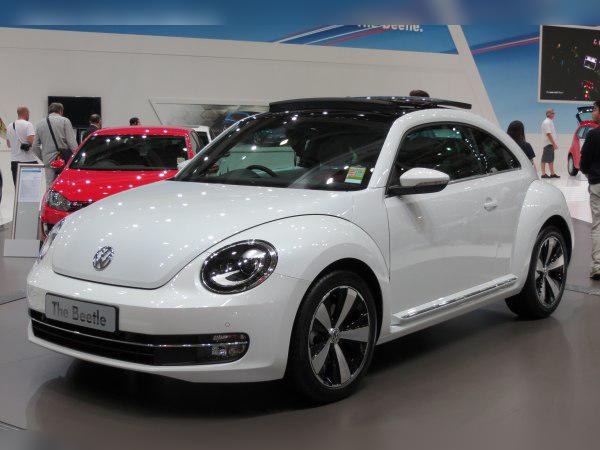
VW 2.0 TSI (CBFA, CCZA) – Experiences, problems, fuel consumption and buying tips
Key points (TL;DR)
- Timing chain drive: The Achilles’ heel of this engine. The early-revision chain tensioner can fail and cause catastrophic damage. Mandatory check!
- Oil consumption: EA888 Gen 2 engines are known for problematic piston rings. Oil consumption can be high.
- Performance: Excellent power-to-weight ratio in the Beetle (A5). The engine is flexible and fun.
- Water pump: The thermostat and pump housing is plastic and often cracks, leading to coolant leaks.
- DSG gearbox: Requires regular oil changes every 60,000 km. When maintained properly, it’s one of the best on the market.
- Conclusion: A fantastic engine to drive, but demanding to maintain. Buy only with complete service history.
Contents
- Introduction and applications
- Technical specifications
- Reliability and maintenance (Chain, Oil, Failures)
- Specific parts and costs
- Fuel consumption and performance
- Tuning and LPG
- Gearbox (DSG and manual)
- Used car buying tips and conclusion
Introduction and applications
The engine we’re talking about today belongs to the famous EA888 Gen 2 family from the Volkswagen Group. The codes CBFA and CCZA refer to 2.0-liter turbo petrol engines that defined the “hot hatch” era about a decade ago. Installing this engine in the Volkswagen Beetle (A5) transformed the Beetle from a cute city car into a serious machine sharing its heart with the sixth-generation Golf GTI.
The difference between these two codes is mainly in emissions standards. CCZA is the standard European version, while CBFA is often (but not always) tied to stricter US standards (SULEV) and has an additional sensor on the exhaust manifold and a secondary air pump. For the driver, in terms of performance, the differences are minimal, but when it comes to maintenance the CBFA can be slightly more complicated due to the extra emissions equipment.
Technical specifications
| Parameter | Data |
|---|---|
| Displacement | 1984 cc (2.0 L) |
| Power | 147 kW (200 hp) at 5100–6000 rpm |
| Torque | 280 Nm at 1700–5000 rpm |
| Engine codes | CCZA, CBFA (EA888 Gen 2) |
| Injection type | Direct injection (TSI/TFSI) |
| Forced induction | Turbocharger (IHI or BorgWarner) + intercooler |
| Number of cylinders/valves | 4 cylinders / 16 valves |
Reliability and maintenance
Does this engine have a timing belt or a chain?
This engine uses a timing chain. This is a critical point of EA888 Gen 2 engines. The factory chain tensioner on early series had a poor design and could fail, leading to the chain skipping teeth and pistons hitting the valves (catastrophic engine failure). The symptoms are a “rattling” noise on cold start that lasts a few seconds. If you’re buying this car, checking the tensioner revision is mandatory. If the newer revision of the tensioner and chain has been installed, the system is reliable.
What are the most common failures on this engine?
Besides the chain issue mentioned above, here’s what else troubles owners:
1. Coolant leaks: The water pump housing is made of plastic that deforms over time from heat. Replacing the entire housing with thermostat is a common job.
2. PCV valve (oil separator): When the membrane tears, the engine runs rough, you can hear a whistling sound, and oil consumption increases.
3. Carbon buildup: Like every direct-injection engine, the intake valves get dirty because fuel doesn’t wash them. This leads to power loss and rougher running. Cleaning (decarbonization) is recommended every 60–80,000 km.
4. Intake manifold: The runner flap system in the intake manifold can fail, which triggers the “Check Engine” light (error P2015).
Oil consumption: Is it normal?
This is a sore point for EA888 Gen 2. Due to thin oil control rings and piston design, these engines are prone to increased oil consumption. VW often states that up to 0.5 L per 1000 km is “within normal limits”, but in practice a healthy engine shouldn’t consume more than 1–1.5 liters between services. If it uses a liter every 1000–1500 km, the engine is ready for a “refresh” (replacement of pistons and rings), which is a very expensive job.
Service intervals and oil capacity
The engine takes approximately 4.6 to 4.7 liters of oil. Only fully synthetic oil of grade 5W-30 or 5W-40 that meets VW 504.00 or 502.00 should be used.
Minor service: Although the factory states 15,000 or 30,000 km (LongLife), for chain and turbo longevity change the oil every maximum 10,000 km or once a year.
Major service: The chain has no fixed replacement interval, but preventive replacement of the complete set (chain, guides, tensioner) is recommended between 100,000 and 120,000 km, or as soon as you hear the first suspicious noise.
Spark plugs and coils
On turbo petrol engines, spark plugs are under heavy load. They are replaced every 60,000 km (factory interval), but if you drive aggressively or the car is remapped, shorten that to 30,000–40,000 km. Use only NGK or Bosch plugs specified for this engine. Coils (failing one by one) are also common consumables at this mileage.
Specific parts (costs)
Does the engine have a dual-mass flywheel?
Yes. Both the manual and DSG versions (in the A5 Beetle) have a dual-mass flywheel. In the DSG it usually lasts longer than in the manual, but once you start hearing it (metallic knocking at idle that disappears when you rev the engine), it has to be replaced. The price is high (very expensive, depending on the market).
Fuel injection system and injectors
It uses high-pressure direct injection. The injectors are generally reliable but sensitive to poor fuel quality. Symptoms of bad injectors are fuel leaking into the cylinder (diluting the oil with petrol) or hard starting. The price of a single injector falls into the “expensive” category.
Turbocharger
The engine uses a single turbocharger (most often IHI or BorgWarner K03 variants). Its lifespan is closely tied to regular oil changes and driving style (cooling down after fast driving). With proper maintenance, the turbo easily goes beyond 200,000 km. Rebuilding is possible and prices are moderate.
DPF, EGR and AdBlue
This is a petrol engine, so it does not have a DPF filter or AdBlue. It does have a catalytic converter. As for EGR, exhaust gas recirculation is often handled here by variable valve timing, so a classic EGR valve that clogs up like on diesels is not the main issue, but the CBFA version has a secondary air system that can trigger fault codes (pump or valves).
Fuel consumption and performance
Real-world fuel consumption and city driving
Don’t expect miracles. This is a 2.0 turbo engine with 200 hp.
City driving: Realistically between 10 and 13 l/100 km, depending on traffic and how heavy your right foot is. In winter it can be even higher.
Highway / open road: Things are better here, consumption drops to 7–8.5 l/100 km.
Is the engine “lazy”?
Absolutely not. The VW Beetle (A5) is not too heavy for this engine. With 280 Nm available from just 1700 rpm, the car pulls strongly from low revs. Overtaking is easy and safe. The driving feel is sporty, especially combined with the quick DSG gearbox.
Highway driving
This is the natural habitat of this engine. At 130 km/h, thanks to the 6th gear (manual or DSG), the engine runs at relatively low revs (around 3000 rpm), which makes driving quieter and more economical.
Additional options and modifications
LPG conversion
Since this is a direct-injection engine (FSI/TSI), converting it to LPG is complicated and expensive. It requires a special system (Direct Injection Kit) that still uses a bit of petrol while running on gas (to cool the petrol injectors), or an even more expensive liquid LPG injection system. It only makes financial sense if you drive very high mileage (over 20–30,000 km per year).
Chiptuning (Stage 1)
This engine is a tuner’s dream. A “safe” map (Stage 1) without any mechanical changes raises power from 200 hp to 240–250 hp and torque to over 350 Nm. The engine handles this increase very well, provided it is mechanically sound (chain, turbo, spark plugs).
Gearbox
Which gearboxes are fitted?
With the 2.0 TSI in the Beetle A5 you most commonly get a 6-speed DSG (DQ250) with wet clutch. There is also an option of a 6-speed manual gearbox.
Gearbox maintenance and issues
DSG (DQ250): This is a robust gearbox, but it requires an oil and filter change strictly every 60,000 km. If this is not done, the mechatronics unit (the “brain” of the gearbox) can fail, and repairing it is very expensive. The clutches are durable, but they do wear out.
Manual: The classic issue is the clutch kit, which wears out faster if the car is remapped or driven aggressively.
Buying used and conclusion
What to check before buying?
1. Cold start: Insist that the engine is completely cold. Listen for chain rattle during the first 3–5 seconds.
2. Exhaust smoke: Have someone rev the engine while you watch the exhaust. Bluish smoke is a sign that the engine is burning oil (rings or turbo).
3. Service history: Check when the oil in the DSG gearbox was last changed. If there is no proof of changes every 60k km, be very cautious.
4. Leaks: Look under the bonnet around the water pump (under the intake manifold) for traces of pink coolant.
Conclusion
The Volkswagen Beetle 2.0 TSI with this engine is a “wolf in sheep’s clothing”. It offers Golf GTI performance in a unique design. Who is it for? Enthusiasts who enjoy driving and are willing to pay for proper maintenance and slightly higher fuel consumption in exchange for a smile on their face. If you’re looking for economy and cheap A-to-B motoring, skip this engine and look for a diesel version. If you’re after fun – this is the right choice, but only if the chain and oil consumption have been thoroughly checked.
Was this content useful to you?
Your opinion helps us to improve the quality of the content.