B48 Engine
- Engine
- 1998 cm3
- Aspiration
- Twin-power turbo, Intercooler
- Fuel
- Petrol (Gasoline)
- Fuel injection system
- Direct injection
- Power
- 197 hp
- Torque
- 320 Nm
- Cylinders
- 4
- Valves
- 16, 4 per cylinder
- Cylinders position
- Inline
- Valvetrain
- VALVETRONIC, Double-VANOS
- Oil capacity
- 5.25 l
- Systems
- Start & Stop System, Particulate filter
# Vehicles powered by this engine
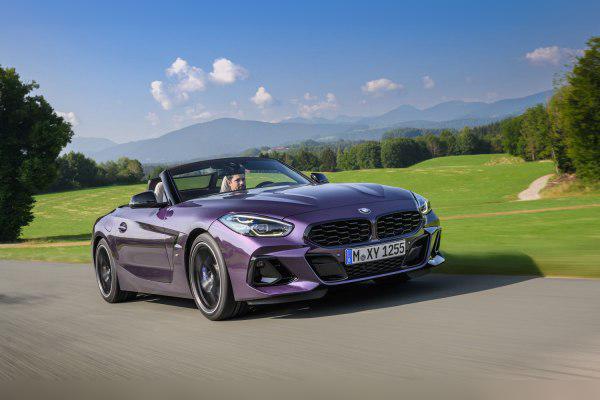
BMW B48 (2.0i 197 HP) – Experiences, problems, fuel consumption and used car buying guide
Key points (TL;DR)
- Reliability: One of the most reliable modern BMW petrol engines, significantly better than its predecessor (N20).
- Cooling system: The biggest weakness are the plastic hoses and thermostat housings that crack and leak.
- Timing: The chain is located at the rear of the engine. Although more durable than before, replacement is labor‑intensive and expensive.
- Performance: The 197 HP version is a detuned variant, which means the engine is not stressed and has huge potential for remapping.
- Gearbox: The ZF 8‑speed automatic is a perfect match for this engine – quick, comfortable and reliable.
- Fuel consumption: Surprisingly economical on the open road, but sensitive to a heavy right foot in the city.
- Recommendation: An excellent purchase if you want a balance between performance and running costs and don’t insist on the sound of a 6‑cylinder.
Contents
- Introduction: B48 in the BMW Z4 (G29)
- Technical specifications
- Reliability and maintenance
- Specific parts and costs
- Fuel consumption and performance
- Additional options and modifications
- Gearbox: automatic and manual
- Buying used and conclusion
Introduction: B48 in the BMW Z4 (G29)
The B48 engine is at the heart of BMW’s modern 4‑cylinder petrol lineup. It is part of the modular “B” engine family (together with the B38 and B58) and the direct successor to the notorious N20 engine. In the BMW Z4 (G29 LCI), the sDrive20i version with 197 HP is the entry ticket into the roadster world. Although enthusiasts often look towards the 6‑cylinder M40i model, this “smaller” engine is actually a technical gem that offers less weight over the front axle, better cornering and more than enough power for enjoying open‑top driving.
Technical specifications
| Parameter | Data |
|---|---|
| Engine displacement | 1998 cc (2.0 L) |
| Configuration | Inline 4‑cylinder (R4) |
| Power | 145 kW (197 HP) @ 4500–6500 rpm |
| Torque | 320 Nm @ 1450–4200 rpm |
| Engine code | B48B20 (variants depend on market) |
| Injection type | Direct injection (High Precision Injection) |
| Induction | TwinPower Turbo (single twin‑scroll turbo) + intercooler |
| Camshaft drive | Chain |
Reliability and maintenance
Does this engine have a timing belt or a chain?
The BMW B48 uses a timing chain. Unlike older generations (N47/N20), this chain has proven to be much more durable and failures are rare before high mileage. However, there is a catch: the chain is located at the rear of the engine (towards the gearbox/cabin). This means that if it needs to be replaced (due to stretching or rattling), the engine or gearbox has to come out, which makes the job very labor‑intensive and expensive (depending on the market, but expect many hours of labor).
What are the most common issues with this engine?
Although the engine is mechanically robust, its peripherals are the weak point, especially the plastic parts of the cooling system:
- Coolant leaks: The most common problem. The plastic vent line that connects the cylinder head to the expansion tank becomes brittle from heat and cracks. The oil filter housing and thermostat housing are also prone to leaking.
- VANOS actuators: They can fail, causing rough running and triggering the check engine light.
- PCV valve: It is integrated into the valve cover. If the membrane tears (you hear a whistling sound or the engine starts consuming oil), the entire valve cover has to be replaced, which is not cheap.
At what mileage should the “major service” be done?
On BMW engines with a chain there is no fixed “major service” interval like on belt‑driven engines. The chain is designed to last the life of the engine, but in practice it is recommended to check the condition of the chain (by sound and diagnostics) after 150,000–200,000 km. If you hear rattling on cold start or the engine runs roughly, the chain should be replaced immediately.
How many liters of oil does this engine take and which grade is recommended?
The B48 engine in the Z4 takes approximately 5.25 liters of oil. The recommended grade is usually 0W‑20 or 5W‑30 (with BMW Longlife‑17 FE+ or Longlife‑04 specification). For warmer climates and more aggressive driving, 5W‑30 or 5W‑40 are a better choice for improved protection at high temperatures.
Does it consume oil between services?
A healthy B48 engine should not consume a significant amount of oil. Consumption of up to 0.5 liters per 10,000 km can be tolerated, but anything above that points to an issue with the PCV valve, turbocharger or (more rarely) piston rings/valve stem seals.
At what mileage should the spark plugs be replaced?
Since this is a turbocharged engine with direct injection, the spark plugs are under heavy stress. It is recommended to replace them every 40,000 to 60,000 km. If the car is remapped (tuned), the interval should be reduced to 20,000–30,000 km.
Specific parts (costs)
Does the engine have a dual‑mass flywheel?
Yes. Models with a manual gearbox have a conventional dual‑mass flywheel. Versions with an automatic gearbox (which are more common in the Z4 G29) do not have a dual‑mass flywheel in the classic sense, but a torque converter that performs a similar vibration‑damping function, and it is extremely durable.
What type of injection system does it use and are the injectors problematic?
It uses high‑pressure direct injection. The injectors are precise and generally reliable, but sensitive to poor fuel quality. A failing injector can leak fuel into the cylinder (washing away the oil film), which can lead to serious engine damage. Injector prices fall into the “expensive” category (depending on the market).
Does this engine have a turbocharger and what is its lifespan?
The engine has one turbocharger, but uses twin‑scroll technology (two exhaust gas channels feeding the turbine). This reduces turbo lag. The turbo is water‑ and oil‑cooled. With regular oil changes and proper cooldown after hard driving, the turbo easily lasts over 200,000 km.
Does this model have a DPF filter or an EGR valve?
As a petrol engine, it does not have a DPF, but newer models (including the Z4 G29 LCI for the European market) have a GPF (Gasoline Particulate Filter), also known as OPF. It serves to reduce soot particles. The GPF rarely causes clogging issues if the car is driven on the open road, but it significantly muffles the exhaust sound. The engine does have an EGR system, but on petrol engines it gets much less dirty and is less prone to sticking than on diesels.
Does this engine use AdBlue?
No. AdBlue is used exclusively on diesel engines for NOx treatment. This is a petrol engine.
Fuel consumption and performance
What is the real‑world fuel consumption in city driving?
In heavy city traffic (stop‑and‑go), the B48 in the Z4 consumes between 9 and 11 liters per 100 km. Although it has a start‑stop system and EfficientDynamics technology, physics is physics – a turbo petrol in traffic will not consume like a hybrid.
Is this engine “lazy” for the weight of the car?
Absolutely not. The BMW Z4 is a relatively light car, and 320 Nm of torque is available from as low as 1450 rpm. The car pulls linearly and strongly. 0–100 km/h takes around 6.6 seconds, which is quicker than most cars on the road. The driving feel is agile and lively.
How does the engine perform on the motorway?
This is the ideal environment for the Z4. At 130 km/h, thanks to the long 8th gear of the automatic gearbox, the engine spins at a low ~2000 rpm. Fuel consumption then drops to 6.0 to 7.5 l/100 km. The engine is quiet and refined, and there is always enough power for overtaking without having to drop several gears.
Additional options and modifications
Is this engine suitable for LPG conversion?
Technically it is possible, but economically and practically not worthwhile. Due to direct injection, an expensive system is required (which also uses petrol to cool the injectors or uses liquid‑phase LPG). In addition, the Z4 has a very small boot and a specific layout, so there is nowhere to place the tank without losing all luggage space. Not recommended.
How far can this engine be safely remapped (Stage 1)?
The 197 HP (20i) B48 is probably one of the best candidates for chiptuning on the market. Why? Because it is often very similar or even identical in hardware to the more powerful versions (30i). By “unlocking” the software (Stage 1), this engine safely reaches 250–265 HP and around 400 Nm of torque. The gain is huge and drastically changes the character of the car.
Gearbox
Which manual and automatic gearboxes are fitted?
The standard (and most common) option is the ZF 8HP (8‑speed automatic with torque converter). In some sDrive20i variants a 6‑speed manual gearbox was also offered, but it is extremely rare on the G29.
Most common issues and gearbox maintenance?
ZF 8HP automatic: This is currently the best automatic gearbox in the world for longitudinal engines. Failures are extremely rare.
Maintenance: Although BMW claims the oil is “lifetime”, the gearbox manufacturer (ZF) recommends changing the oil and pan (which contains the filter) every 80,000 to 100,000 km. This is essential if you want the gearbox to last.
Manual gearbox: They are robust. The main expense is the clutch kit and dual‑mass flywheel. Replacement cost falls into the “expensive” category due to the price of parts and labor.
Buying used and conclusion
What should you check before buying?
- Cooling system: Open the bonnet and look for white traces of dried coolant around the hoses, at their joints with the engine and around the expansion tank. Smell for the sweet scent of coolant while the engine is running.
- Cold start: Insist on starting the engine when it is completely cold. Listen carefully for the first 3–5 seconds. If you hear metallic rattling or knocking that disappears once oil pressure builds up, the chain is due for replacement.
- Service history: Check the oil change intervals. If the oil was changed every 30,000 km (LongLife interval), be cautious. Ideally it should have been changed every 10–15,000 km.
Conclusion
The BMW Z4 with the B48 (20i) engine is a fantastic choice. Although it lacks the sound and charisma of the 6‑cylinder (B58), it delivers 90% of the fun for significantly less money to buy and maintain. The engine is technologically mature, has resolved most of its predecessor’s issues and, with preventive replacement of the plastic cooling system components, can cover very high mileage. It is ideal for those who want an attractive everyday roadster, not just a weekend track toy.
Was this content useful to you?
Your opinion helps us to improve the quality of the content.