BSX Engine
- Engine
- 1984 cm3
- Aspiration
- Naturally aspirated engine
- Fuel
- Petrol / CNG
- Fuel injection system
- Multi-port manifold injection
- Power
- 109 hp @ 5400 rpm
- Torque
- 160 Nm @ 3500 rpm
- Cylinders
- 4
- Valves
- 8, 2 per cylinder
- Cylinders position
- Inline
- Oil capacity
- 4 l
- Coolant
- 8 l
# Vehicles powered by this engine

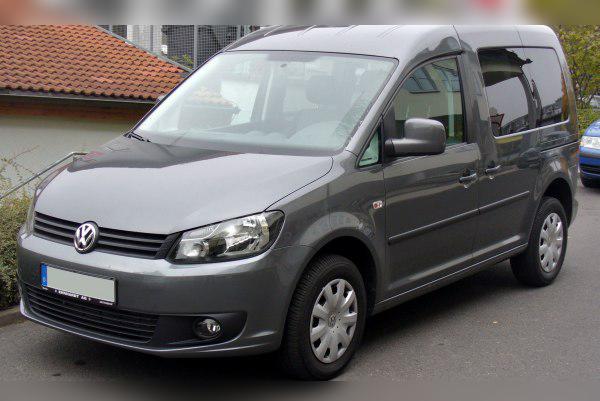
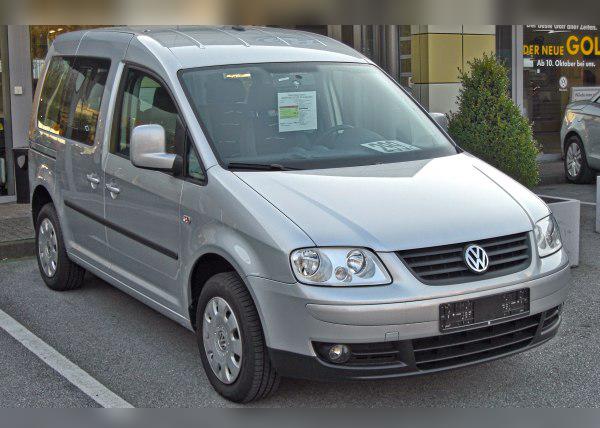
VW 2.0 EcoFuel (BSX) – Experiences, Issues, Fuel Consumption and Buying Used
Key points (TL;DR)
- Factory CNG: This engine is designed to primarily run on compressed natural gas, which brings drastic fuel savings.
- Simple construction: No turbocharger, no DPF, no complicated injection systems like on diesels.
- Performance: The engine is quite sluggish for the weight of the Caddy, especially the Maxi version. Overtaking requires patience.
- Critical point – Tanks: The steel CNG tanks are prone to corrosion on older models (there was a recall). Replacement is very expensive.
- Gas pressure regulator: The most common and most expensive mechanical failure specific to this system.
- Recommendation: Ideal for city delivery and taxi use due to the low cost per kilometer, but a poor choice for frequent highway driving under full load.
Contents
Introduction: A workhorse on CNG
The BSX engine is Volkswagen’s answer to the need for cheap commercial transport before the era of mass electrification. Basically, it is an old, proven 2.0 petrol block (from the Golf 4 era), modified to run on CNG (compressed natural gas/methane).
You will most often find it in VW Caddy III and Caddy Maxi models, including the 2010 facelift versions. Its point is not speed, but efficiency. Unlike retrofitted systems, this is a factory EcoFuel variant, which means the engine is reinforced (valves, valve seats) to withstand the higher thermal load that gas creates.
Technical Specifications
| Parameter | Data |
|---|---|
| Displacement | 1984 cc (2.0 L) |
| Power | 80 kW (109 hp) |
| Torque | 160 Nm at 3500 rpm |
| Engine code | BSX |
| Injection type | MPI (Multi Point Injection) – Indirect |
| Aspiration | Naturally aspirated – No turbo |
| Fuel | Petrol / CNG (Methane) |
Reliability and Maintenance
Timing belt or chain?
The 2.0 BSX engine uses a timing belt. This is classic VW design. It is recommended to do a major service (belt, tensioner and water pump replacement) every 100,000 to 120,000 km, or every 5 years, whichever comes first. For vehicles used exclusively in city “stop-and-go” driving (delivery, taxi), the interval should be shortened to 90,000 km.
Most common failures
Although the mechanical engine block is “indestructible”, the peripheral CNG-related components are problematic:
- Gas pressure regulator (vaporizer): This is an electro-mechanical device that reduces the pressure from the tanks (200 bar) to working pressure. The membranes crack, or the solenoid fails. Symptoms: the engine will not switch to CNG, stalls, or loses power. A new part is very expensive (depends on the market, but often over 1000 EUR at the dealer; there are refurbishment options).
- CNG tank corrosion: The VW Caddy has tanks under the floor. Factory protection on older models was poor, which leads to rust. This is a safety risk and is strictly checked at inspection. There was also a factory recall for this.
- Coils and leads: Methane is harder to ignite than petrol and requires a perfect ignition system. Coil packs and spark plug leads often fail, causing jerking while driving (misfire).
Oil: Quantity, grade and consumption
The engine takes approximately 4.0 to 4.5 liters of oil. The recommended grade is 5W-40 or 5W-30 (VW 502.00 standard).
Oil consumption: Unlike the notorious 2.0 ALT engine that burns oil like fuel, the BSX is much better, but not immune. Consumption of 0.3 to 0.5 liters per 1000 km on older, high-mileage examples is considered acceptable. If it uses more than that, valve stem seals or piston rings are usually to blame.
Spark plugs and injectors
Spark plugs: Due to the higher combustion temperature of methane, spark plugs wear out faster. Always use spark plugs specifically intended for CNG engines. Replacement interval is 30,000 to 45,000 km. Do not wait until 60,000 km, as you risk coil failure.
Injectors: The engine has 4 petrol and 4 gas injectors. The gas injectors are generally reliable, but can get dirty from poor-quality methane (oil in the gas). The petrol injectors often fail because they are not used enough. It is recommended to occasionally drive the car only on petrol (at least 20–30 km per month) to “clean out” the petrol injectors.
Specific Parts (Costs)
Dual-mass flywheel and clutch
Good news: In most cases this engine does not have a dual-mass flywheel. It uses a classic solid flywheel with a clutch kit. This means clutch replacement is significantly cheaper than on TDI models (depends on the market, but it falls into the “affordable” category).
Turbo, DPF, EGR, AdBlue
- Turbocharger: The engine has no turbo. That’s one (expensive) worry less. But it also means less torque.
- DPF and AdBlue: As this is a petrol engine, it has no DPF filter or AdBlue system. No regenerations, no clogged particulate filters.
- EGR valve: It does have an exhaust gas recirculation system. The EGR can get dirty, but on petrol engines it is easier to clean and less likely to cause catastrophic problems than on diesels.
Fuel Consumption and Performance
Real-world consumption (CNG vs petrol)
This is the main selling point of this engine.
- City driving: Expect consumption of around 6.5 to 8.0 kg of CNG per 100 km. On petrol, city consumption easily goes to 10–12 l/100 km.
- Open road: At 80–90 km/h, consumption drops to around 4.5–5.0 kg of CNG.
- Range: The Caddy EcoFuel has large CNG tanks (a total of about 26 kg or 37 kg on the Maxi version) and a small petrol tank (about 13 liters – a “reserve” to get you to a station).
Is the engine “lazy”?
Yes, very. With only 160 Nm of torque in a heavy Caddy body (especially a Maxi loaded with cargo or passengers), this engine struggles. Acceleration is slow, and hills require downshifting and high revs. If you want a car for overtaking on country roads, this is not the engine for you. It is built to roll from point A to point B at minimal cost.
Behavior on the highway
At 130 km/h the engine revs quite high (often around 4000 rpm) due to the short gearbox. This means the cabin is noisy. The engine can maintain 130 km/h, but is more comfortable cruising at 110–120 km/h.
Additional Options and Modifications
Should you install LPG?
No. This engine already has two fuel systems (petrol + CNG). Installing LPG technically makes no sense because the car already runs on a cheaper fuel (methane). There is also no physical space for a third tank, and the small petrol tank (13 L) makes LPG use impractical, as you would still have to refuel petrol often.
Remapping (Stage 1)
Since this is a naturally aspirated engine (no turbo), remapping is a waste of money. You might gain 3 to 5 hp, which you will not feel in real driving. No software can compensate for the lack of air that a turbocharger would otherwise provide.
Gearbox
The 2.0 EcoFuel engine is almost exclusively paired with a 5-speed manual gearbox.
- Reliability: The gearbox is robust and rarely fails. The most common issues are related to the gear selector (cables) or oil leaks at the driveshaft seals after high mileage.
- Maintenance: Although VW says the oil is “lifetime fill”, it is recommended to change the gearbox oil every 150,000 km or 10 years to preserve the synchros.
- Automatic gearbox: In the Caddy, this engine was very rarely (or never, in some markets) paired with a DSG. DSG is mostly reserved for TDI engines or newer TSI units. If you find an example with an automatic, it is probably a later conversion or a specific series – in that case be cautious, because older DSG gearboxes require expensive maintenance.
Buying Used and Conclusion
Before buying a Caddy with the 2.0 BSX engine, it is crucial to check the following:
- Tank certification: CNG tanks have a service life (usually 20 years). Check the production date on the tank and whether it has valid certification. Replacing the tanks can cost more than the entire car is worth.
- Operation on both fuels: Insist on testing the car on both petrol and CNG. Switching should be seamless. If the car runs poorly on CNG but well on petrol (or vice versa), expect expenses.
- Tank corrosion: Put the car on a lift and visually inspect the tanks. If they are heavily rusted, walk away from that example.
- Cold start: The engine should start immediately and idle smoothly. Rough running often points to ignition system or injector issues.
Conclusion:
The VW Caddy 2.0 EcoFuel is a champion of economy, but not of performance. It is intended for drivers for whom a low cost per kilometer is the absolute priority (taxi drivers, couriers, small businesses). If you do not mind noise on the highway and the need for frequent downshifting uphill, this engine will save you a lot of money on fuel, with relatively cheap regular maintenance. Just beware of examples with worn-out gas installations.
Was this content useful to you?
Your opinion helps us to improve the quality of the content.