EA113 / BSX Engine
- Engine
- 1984 cm3
- Aspiration
- Naturally aspirated engine
- Fuel
- Petrol / CNG
- Fuel injection system
- Multi-port manifold injection
- Power
- 109 hp @ 5400 rpm
- Torque
- 160 Nm @ 3500 rpm
- Cylinders
- 4
- Valves
- 8, 2 per cylinder
- Cylinders position
- Inline
- Valvetrain
- SOHC
- Oil capacity
- 4 l
- Coolant
- 8 l
# Vehicles powered by this engine
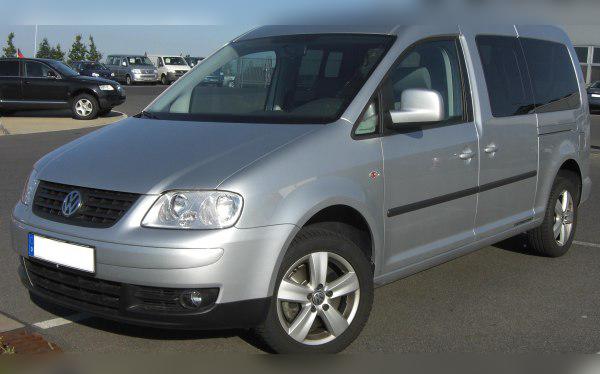
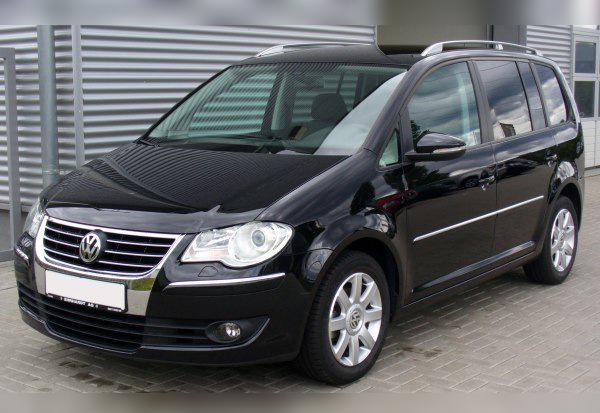
VW 2.0 EcoFuel (BSX) 109 HP: Experiences, issues, fuel consumption and maintenance of the factory CNG setup
Key points (TL;DR)
- Exceptional efficiency: Driving on CNG is drastically cheaper than on petrol or diesel, provided you have filling stations nearby.
- Engine bottom-end durability: The engine block itself (EA113) is old-school, “bulletproof” and can cover huge mileages without being opened.
- Expensive gas system failures: The gas pressure regulator and the tanks themselves (corrosion) are the most expensive items that can wipe out your savings.
- Performance (or lack thereof): With 109 HP and 160 Nm in a heavy Caddy Maxi or Touran, this is a very sluggish car, especially under load.
- Range: Range is limited by the size of the CNG tanks, and on some versions the petrol tank is only an “emergency reserve” (around 13 litres), while on others it’s full-size – check the specs of the specific vehicle.
- Recommendation: Ideal for taxi drivers and delivery in cities with good CNG infrastructure. Not for racers.
Contents
- Introduction and use cases
- Technical specifications
- Reliability and maintenance
- Specific parts and costs
- Fuel consumption and performance
- Additional options and modifications
- Gearbox and drivetrain
- Buying used and conclusion
Introduction and use cases
The engine code BSX belongs to the legendary EA113 family of the Volkswagen Group. This is not a modern TSI engine, but a classic naturally aspirated 2.0-litre petrol with 8 valves, factory-modified to primarily run on compressed natural gas (CNG/methane). It was mainly installed in workhorses and family people carriers such as the VW Caddy Maxi and VW Touran.
Its philosophy is simple: offer maximum reliability with minimal fuel costs. However, the specifics of running on CNG bring a set of challenges that an average petrol or diesel driver is not familiar with.
Technical specifications
| Characteristic | Data |
|---|---|
| Engine code | BSX (EA113 series) |
| Displacement | 1984 cc (2.0 L) |
| Power | 80 kW (109 HP) at 5400 rpm |
| Torque | 160 Nm at 3500 rpm |
| Fuel type | CNG (methane) / petrol |
| Induction | Naturally aspirated (no turbo) |
| Number of cylinders / valves | 4 cylinders / 8 valves (SOHC) |
| Camshaft drive | Timing belt |
Reliability and maintenance
Belt or chain?
This engine uses a timing belt to drive the camshaft. That’s good news because the system is simple and reliable. There are no timing chain stretch issues like on some newer TSI engines. Replacement is predictable and part of regular maintenance.
Most common failures
Although the engine’s mechanicals (pistons, rings, bearings) are extremely durable, the CNG-related peripherals cause trouble:
- Gas pressure regulator: This is the weak point. The membrane inside the regulator can fail, or the electronic valve can give up. Symptoms include difficulty switching to CNG, stalling, or loss of power. The price of a new part is high (very expensive, depends on the market), but there are workshops that overhaul them.
- CNG tank corrosion: On older models (Touran, Caddy), steel tanks are prone to rust. VW issued recalls for this, but on used cars you must check the condition of the tanks. If the tanks need replacing, the cost often exceeds the value of the vehicle.
- Ignition coils and leads: CNG is a fuel that is harder to ignite than petrol and requires a perfect spark. Coils (one per cylinder or a coil pack, depending on model year) and leads often fail.
Major and minor service
Major service (timing belt, tensioner and water pump replacement) is recommended every 90,000 to 120,000 km or every 5 years, whichever comes first. Since these are often vehicles that do a lot of city driving (taxis), shortening the interval to 90,000 km is a wise decision.
Engine oil: The engine takes about 4.0 to 4.5 litres of oil. A 5W-40 grade or 5W-30 that meets VW 502.00 is recommended. Since CNG burns at higher temperatures, good-quality oil is crucial.
Oil consumption
Like most older VW petrol engines, this one can consume some oil, but it’s usually not as alarming as on the 2.0 TFSI engines. Consumption of up to 0.5 litres per 2,000–3,000 km is considered acceptable on high-mileage vehicles. If it burns a litre per 1,000 km, it’s time for a refresh (valve stem seals or piston rings).
Spark plugs (Important!)
Because it runs on CNG, the spark plugs are under higher thermal load. Replacement is recommended every 30,000 to 45,000 km. Always use spark plugs intended for CNG engines (they often have an iridium electrode and a smaller gap) to avoid damaging the coils.
Specific parts (costs)
Dual-mass flywheel
Good news: In most cases, the 2.0 EcoFuel engine with a manual gearbox does not have a dual-mass flywheel. The torque of 160 Nm is relatively low, so a conventional (solid) flywheel is used. Still, check by VIN, as some versions (e.g. specific Touran models) may have different solutions for comfort. Clutch kit replacement is therefore affordable.
Injection system
The engine has two sets of injectors: 4 petrol and 4 CNG injectors.
Petrol injectors are classic multipoint units and rarely cause problems, unless the car is driven exclusively on CNG for years so the petrol inside them gums up. It’s recommended to occasionally drive the car on petrol.
CNG injectors are specific to the VW EcoFuel system. They can get dirty from poor-quality gas (oil in the gas). Symptoms include rough idle when running on CNG. Cleaning is possible, but replacement is expensive.
Turbo, DPF, EGR, AdBlue
- Turbo: NONE. This is a naturally aspirated engine. One less thing to worry about.
- DPF filter: NONE (this is a petrol engine).
- AdBlue: NONE.
- EGR valve: There is an exhaust gas recirculation system, but on petrol/CNG engines it gets far less dirty than on diesels because CNG burns very cleanly (no soot).
Fuel consumption and performance
Real-world consumption
This is the main ace up this engine’s sleeve. Consumption is measured in kilograms (kg) for CNG.
- City driving: Expect around 6.5 to 8.5 kg of CNG per 100 km, depending on how heavy your right foot is and how loaded the vehicle is (a fully loaded Caddy Maxi will use more).
- Open road: Around 4.5 to 5.5 kg per 100 km with moderate driving.
- Petrol: When you run out of gas, petrol consumption is high (10–12 l/100 km in the city) because the engine is not optimised for petrol and the vehicle is heavy due to the tanks.
Performance: is it “lazy”?
Let’s be honest: Yes, the engine is lazy. The 160 Nm of torque only comes in at 3500 rpm. In a Caddy Maxi or Touran body, which is heavy by itself plus the weight of the CNG tanks, overtaking on country roads requires serious planning and dropping to third gear. Uphill with a full load requires high revs.
Motorway driving
At 130 km/h in fifth gear, the engine spins at a fairly high 3,800 to 4,000 rpm (depending on the gearbox). That means it’s noisy in the cabin. This is not a motorway cruiser, but a work tool. Top speed is around 170–175 km/h, but it takes “an eternity” to get there.
Additional options and modifications
Installing LPG / extra CNG?
It makes no sense. This car already comes from the factory with the cheapest possible fuel (CNG). Installing an LPG system alongside the existing CNG and petrol systems would be technically pointless and physically impossible due to lack of space.
Chiptuning (Stage 1)
Don’t waste your money. On a naturally aspirated petrol engine of this generation, “chiptuning” (remapping) can maybe give you 5 to 8 HP, which is absolutely imperceptible in real driving. It’s better to invest that money in quality spark plugs and leads.
Gearbox
The 2.0 BSX engine was almost exclusively paired with a 5-speed manual gearbox.
- Reliability: The gearbox is robust and precise. There are no systemic issues.
- Failures: On vehicles with huge mileage (taxis, delivery with 500k+ km) you may get play in the gear selector or issues with the second-gear synchro, but that’s the result of wear, not bad design.
- Service: Although VW often says the gearbox oil is “lifetime fill”, it’s recommended to change the gearbox oil (about 2 litres, 75W-90) every 100,000 to 150,000 km to extend the life of the bearings.
Buying used and conclusion
Before buying a used car with this engine, it’s crucial to check the following:
- Tank certification: CNG tanks have a service life (usually 20 years from the date of manufacture). Check the date on the tanks and in the paperwork. Replacing the tanks is extremely expensive.
- Tank condition (visual): Put the car on a lift. If the tanks are metal, there must be no deep corrosion. Remove the protective covers if possible.
- Operation on both fuels: The car must start on petrol (cold start) and then automatically switch to CNG. Check that it runs smoothly on both fuels. Any hesitation points to an issue with the ignition system or injectors.
Conclusion: The VW 2.0 EcoFuel (BSX) is a champion of economy, but not of performance. It is intended for drivers who cover large mileages in the city and surrounding areas where CNG is readily available. Maintaining the engine itself is cheap, but CNG-specific parts (regulator, tanks) can be a costly investment. If you don’t mind the lack of power and the noisier motorway drive, this is one of the most cost-effective engines to own.
Was this content useful to you?
Your opinion helps us to improve the quality of the content.