EA288 / CXEC Engine
- Engine
- 1968 cm3
- Aspiration
- BiTurbo, Intercooler
- Fuel
- Diesel
- Fuel injection system
- Diesel Commonrail
- Power
- 199 hp
- Torque
- 450 Nm
- Cylinders
- 4
- Valves
- 16, 4 per cylinder
- Cylinders position
- Inline
- Valvetrain
- DOHC
- Oil capacity
- 7.4 l
- Systems
- Start & Stop System, Particulate filter
# Vehicles powered by this engine

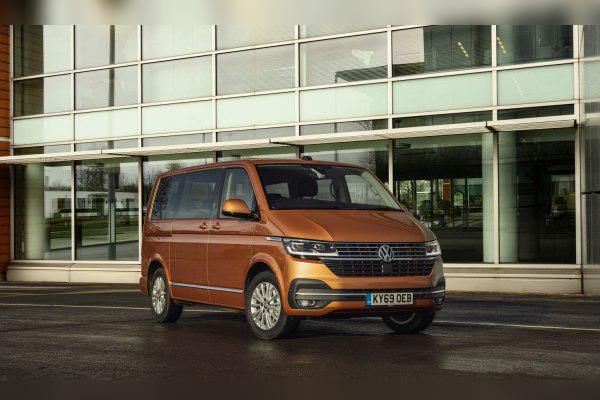
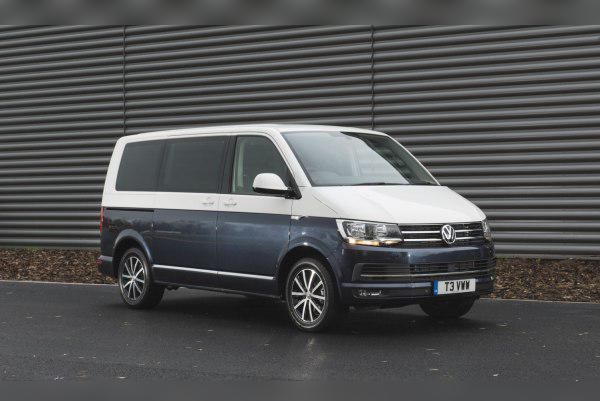
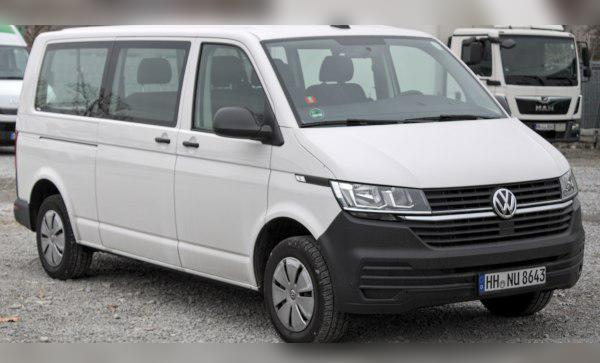
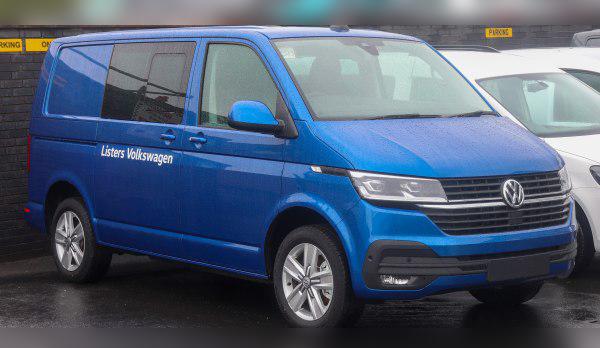
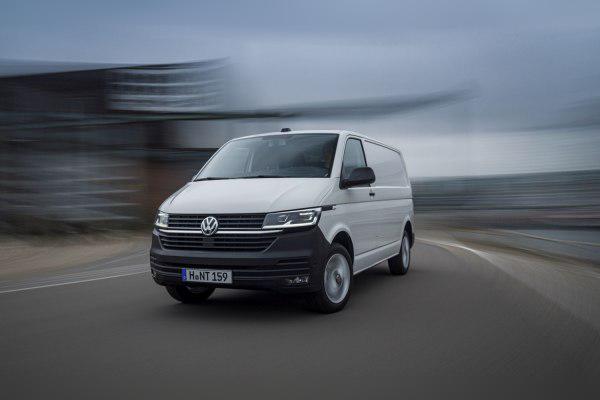
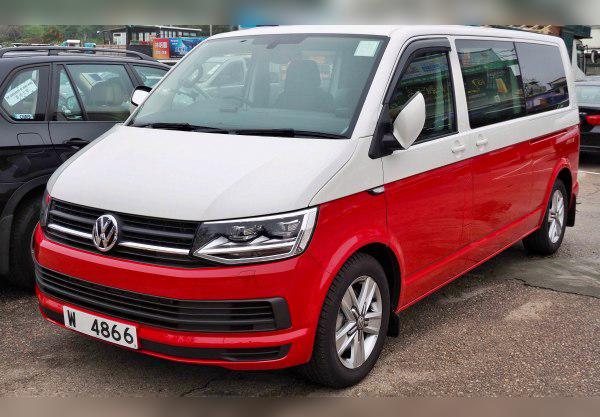
2.0 BiTDI 199 hp (CXEC) – Experiences, problems, fuel consumption and buying guide
Key points (TL;DR)
- Performance: With 450 Nm and two turbochargers, this is the "king" among van engines. It carries the heavy T6/T6.1 body with no effort, even under full load.
- Improved reliability: This is the EA288 generation, which solved the catastrophic oil consumption issues that destroyed the previous BiTDI (CFCA) in T5 models.
- Complexity: The BiTurbo system, DPF, EGR, AdBlue and complex cooling make maintenance of this engine very expensive when something fails.
- Gearbox: It almost always comes paired with the robust DQ500 DSG gearbox, which is excellent but requires strict servicing every 60,000 km.
- Purpose: Ideal for motorway use and towing trailers. Not recommended for short city trips due to rapid DPF saturation.
- Fuel consumption: Even though it’s a diesel, don’t expect miracles. A heavy right foot in a "brick-shaped" body easily raises the average.
Contents
- Introduction and use cases
- Technical specifications
- Reliability and maintenance
- Specific parts and costs
- Fuel consumption and performance
- Additional options and modifications
- Gearbox
- Buying tips and conclusion
Introduction and use cases
The engine with the code CXEC (and related variants) represents the top of the range in Volkswagen’s T6 and T6.1 lineup (Caravelle, Transporter, Multivan). It is a two‑liter diesel unit that uses two turbochargers (BiTurbo) to deliver an impressive 199 hp and 450 Nm of torque. This is the direct successor to the notorious BiTDI engine from the T5 generation, but it is important to emphasize: this is a completely new design (EA288).
It is installed in vehicles that are by nature heavy and often overloaded. Its task is to provide a passenger‑car‑like driving feel in a van body, enabling stress‑free overtaking and high cruising speeds. However, high technology also brings high maintenance demands.
Technical specifications
| Parameter | Data |
|---|---|
| Engine displacement | 1968 cc (2.0 l) |
| Power | 146 kW / 199 hp (at 3800–4000 rpm) |
| Torque | 450 Nm (at 1400–2400 rpm) |
| Engine code | CXEC (EA288 Nutz family) |
| Fuel type | Diesel (Common Rail) |
| Charging | BiTurbo (Two inline turbochargers of different sizes) + intercooler |
| Emission standard | Euro 6d‑TEMP / Euro 6d |
Reliability and maintenance
Timing belt or chain?
This engine uses a timing belt. Although the manufacturer often states optimistic intervals of 210,000 km, real‑world experience and seasoned mechanics suggest caution. Due to the heavy loads these vehicles are subjected to (cargo, towing), it is recommended to do the major service at no more than 150,000 km or 5–6 years of age. A snapped belt leads to catastrophic engine damage, so saving money here is risky.
Most common failures
The CXEC is significantly more reliable than its predecessor, but it is not immune to problems:
- Oil and coolant leaks: Due to the complexity of hoses and seals around the turbochargers and EGR cooler, hose clamps or gaskets can fail. Symptoms are an oily engine or a dropping fluid level in the expansion tank.
- Exhaust gas temperature sensors: They often fail, which triggers the "Check Engine" light and prevents DPF regeneration.
- Auxiliary (serpentine) belt failure: If not replaced on time, it can slip under the timing belt and cause catastrophic damage. The serpentine belt tensioner is also a weak point.
- Camshaft wear: Although less common than on older models, on engines with poor maintenance (long oil change intervals) the cam lobes can get damaged.
Oil: Capacity and consumption
This engine takes about 7.4 liters of oil (the amount may vary slightly, always check the dipstick). This large oil volume helps cooling and longevity. Only 5W‑30 oil with VW 507.00 specification is recommended.
As for oil consumption, the CXEC is "tighter" than the old CFCA. However, consumption of 0.5 liters per 3,000–5,000 km is considered acceptable, especially if the vehicle is driven hard on the motorway. If it consumes a liter per 1,000 km, that points to a problem with the turbochargers or piston rings.
Injectors
The engine uses sophisticated piezo‑electric injectors. They are precise but sensitive to poor fuel quality. Average lifespan is over 200,000 km with good‑quality fuel. First symptoms of failure are rough idle, increased smoke when accelerating, or harder starting. Refurbishment is possible, but replacement with new injectors is often recommended, which is expensive (depending on the market, think "very expensive").
Specific parts and costs
Dual mass flywheel
Yes, this engine always comes with a dual mass flywheel, regardless of whether the gearbox is manual or DSG. Given the huge 450 Nm of torque, the flywheel is under heavy stress. Symptoms of wear are metallic rattling when switching off the engine and vibrations at idle. On DSG gearboxes, a bad flywheel can also damage the gearbox itself.
BiTurbo system
The engine has two turbochargers (a smaller one for low revs and quick response, and a larger one for high revs and power). This eliminates turbo lag, but doubles the risk of failure. Turbo lifespan is closely linked to regular oil changes and driving style (cool‑down after fast driving). They usually last 200,000–250,000 km before they start to "whistle" or leak oil. Overhauling the BiTurbo system is technically demanding and expensive.
Emissions: DPF, EGR and AdBlue
As a Euro 6 engine, it comes with the full emissions package:
- DPF filter: Sensitive to city driving. It requires regular runs on open roads for passive regeneration. A clogged DPF chokes the engine and increases fuel consumption.
- EGR valve: Prone to soot build‑up. It is often integrated with the EGR cooler, so coolant leaks can be related to this assembly.
- AdBlue system: This engine uses AdBlue (SCR catalyst). The system is known for issues with heaters in the AdBlue tank and NOx sensors. Failures are common, and if the system fails, the vehicle will refuse to start after a certain number of kilometers (a "countdown" appears on the dash). Regular maintenance only involves topping up quality fluid, but repairs are expensive.
Fuel consumption and performance
Real‑world fuel consumption
Do not trust the official figures. The T6/T6.1 is a two‑ton "brick" on wheels.
- City driving: Expect 9 to 11 l/100 km. In heavy traffic and winter, this easily goes up to 12 liters.
- Motorway (130 km/h): Thanks to the 7th gear on the DSG and the high torque, the engine runs at relatively low revs (around 2200 rpm). Consumption is around 8.5 to 9.5 l/100 km.
- Country roads: This is where it’s most economical; you can get down to 7–7.5 l/100 km with a gentle right foot.
Performance and "sluggishness"
This engine is definitely not sluggish. With 199 hp, it is the fastest stock van in its class. In‑gear acceleration is excellent, and overtaking trucks on country roads is routine. Even when loaded with passengers and luggage, the BiTurbo system pulls hard right from the start.
Additional options and modifications
Chip tuning (Stage 1)
The EA288 block is robust and the injection system has reserves. A safe Stage 1 remap can raise power to 230–240 hp and torque to over 500 Nm.
Warning: Although the engine can handle it, you must keep an eye on exhaust gas temperatures (EGT) and the condition of the DPF. Also, even though the gearbox can cope with this torque, you will shorten the flywheel’s lifespan. It is recommended only from reputable tuners who know how to limit torque in lower gears.
Gearbox
Types of gearboxes
With the 199 hp (CXEC) engine, in 99% of cases you get a 7‑speed DSG automatic gearbox (code DQ500). Manual gearboxes are extremely rare in this power configuration and are mostly reserved for lower‑power versions (150 hp).
Experience with DSG (DQ500)
The DQ500 is a "wet" DSG gearbox designed for high loads and is considered the most durable DSG gearbox that VW produces for transverse installation.
- Maintenance: Oil and filter in the gearbox must be changed every 60,000 km. This is critical! If skipped, the mechatronics (the "brain" of the gearbox) will fail.
- Failures: The most common problems are related to the flywheel (clunking) or jerking when moving off (mechatronics or clutch issues if the mileage is high).
- 4MOTION: If the vehicle has 4MOTION all‑wheel drive, the Haldex coupling also requires servicing (oil change) every 45,000–60,000 km, which owners often forget.
Buying tips and conclusion
What to check before buying?
- Cold start: The engine must start immediately. Listen to the timing area (if it rattles for the first few seconds, hydraulic lifters or tensioners are the issue) and the flywheel (it must not knock).
- Turbocharger noise: When you rev the engine, there should be no loud "siren‑like" whine. That’s a sign the turbos are at the end of their life.
- Diagnostics: Check DPF load and injector corrections. Also check for any faults related to the AdBlue system.
- Gearbox service history: If there is no proof that the oil in the DSG was changed every 60k km – walk away from that vehicle. Repairing a DQ500 gearbox is extremely expensive.
Conclusion
The VW 2.0 BiTDI (199 hp) in the T6.1 body is a fantastic machine for those who cover high mileages on open roads. It offers passenger‑car comfort and the pulling power of a tow vehicle. However, this is not a cheap vehicle to maintain. The complexity of the BiTurbo system and associated emissions equipment means you must have a budget ready for unexpected repairs.
Recommendation: Buy it if you need a powerful van for long trips, towing or VIP passenger transport. Avoid it if you only need a vehicle for city deliveries – in that case the DPF and fuel consumption will "eat you alive".
Was this content useful to you?
Your opinion helps us to improve the quality of the content.