EA288MAR / DNAA Engine
- Engine
- 1968 cm3
- Aspiration
- Turbocharger, Intercooler
- Fuel
- Diesel
- Fuel injection system
- Diesel Commonrail
- Power
- 150 hp
- Torque
- 340 Nm
- Cylinders
- 4
- Valves
- 16, 4 per cylinder
- Cylinders position
- Inline
- Valvetrain
- DOHC
- Oil capacity
- 7.4 l
- Systems
- Start & Stop System, Particulate filter
# Vehicles powered by this engine



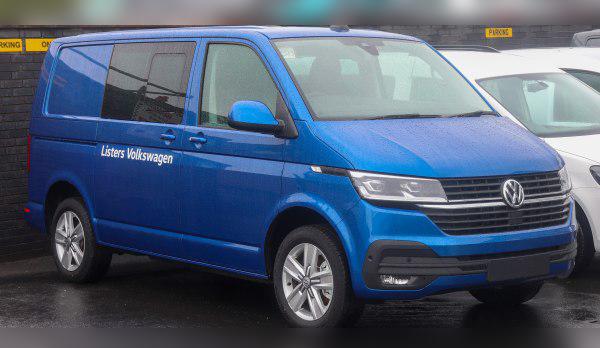
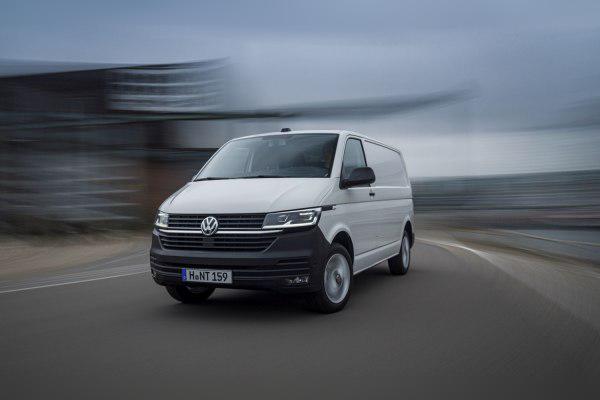
2.0 TDI EA288 (150 HP) in VW T6.1: Experiences, problems and maintenance of the most sought-after van engine
Key points (TL;DR)
- Best balance: The 150 HP (110 kW) version is considered the “golden middle” for the T6.1 body – more reliable than the BiTDI versions and stronger than the base models.
- AdBlue system: The Achilles’ heel of this engine. The system is complex and the sensors or urea tank heaters often tend to cause problems.
- Timing drive: Uses a timing belt, not a chain. Replacement intervals are long, but it’s recommended to shorten them.
- Gearbox: The DSG (DQ500) is extremely robust but requires regular oil changes. The manual gearbox is also reliable.
- Fuel consumption: Expect between 8 and 11 liters in real-world conditions, depending on driving style and load.
- Recommendation: This is the engine you should look for if you’re buying a used Transporter or Caravelle T6.1.
Contents
- Introduction and application
- Technical specifications
- Reliability and maintenance
- Specific parts and Injection system
- Fuel consumption and performance
- Gearbox and drivetrain
- Buying tips and conclusion
Introduction and application: Why is the DNAA engine important?
The engine with the code DNAA (and related variants within the EA288 MAR family) is the heart of Volkswagen’s light commercial vehicle range after the 2019 facelift (T6.1 generation). Unlike passenger cars (Golf, Passat), this engine is specifically reinforced and adapted for heavy-duty operation (built to “Nutzfahrzeuge” standards).
It is installed in a wide range of body styles, from the workhorse Transporter “Panel Van”, through the passenger “Kombi”, all the way to the more luxurious Caravelle model. Its 150 HP output is crucial because it offers enough torque to pull the heavy body (often over 2.2 tons empty), while avoiding the complexity and issues that come with the more powerful Bi-Turbo (BiTDI) units.
Technical specifications
| Characteristic | Data |
|---|---|
| Engine displacement | 1968 cc (2.0 l) |
| Power | 110 kW (150 HP) |
| Torque | 340 Nm at 1500–3000 rpm |
| Engine code | DNAA (EA288 MAR family) |
| Injection type | Common Rail (Direct) |
| Induction | Turbocharger (VGT) + Intercooler |
| Number of cylinders / valves | 4 / 16 |
| Emission standard | Euro 6d-TEMP / Euro 6d (with AdBlue) |
Reliability and maintenance
Timing system: Belt or chain?
The EA288 engine in the T6.1 uses a timing belt to drive the camshafts. This is good news because chains on older generations of VW engines proved problematic. The factory replacement interval is optimistically set at 210,000 km. However, as an experienced technical editor, I advise you not to wait that long.
Recommendation: Do the major service at a maximum of 150,000 to 160,000 km or every 5 to 7 years, whichever comes first. A snapped belt leads to a “collision” between pistons and valves, which means total engine failure. The water pump, which is electronically controlled (variable flow) and known to leak or seize before the belt itself, must always be replaced together with the belt.
Oil consumption and service intervals
This engine takes approximately 5.5 to 6.0 liters of engine oil (the amount may vary slightly depending on the filter and oil pan, always check the dipstick). The recommended viscosity is strictly 0W-30 or 5W-30 that meets the stringent VW 507.00 specification because of the DPF filter.
As for oil consumption, DNAA engines are significantly better than their predecessors (such as the notorious CFCA BiTDI from the T5 generation). Consumption of 0.5 liters per 10,000 km is considered completely normal and acceptable. If it uses more than a liter over a few thousand kilometers, this points to a problem with the piston rings or turbocharger, but that is rare at lower mileages.
Minor service: The factory allows “LongLife” intervals of up to 30,000 km. Forget about that. The T6.1 is a heavy vehicle that faces a lot of air resistance. Change the oil every 15,000 km or once a year. That’s the cheapest way to preserve the turbocharger and camshafts.
Injectors and the most common failures
The injectors are of electromagnetic or piezo type (depending on sub-variant and year) and have proven to be very durable. Expected service life is over 250,000 km with good-quality fuel. Symptoms of bad injectors are rough idle, increased smoke under acceleration and harder starting. However, a bigger issue than the injectors on this engine is the periphery:
- Coolant pump: The “cup” that regulates flow can seize, which leads to overheating.
- Oil leaks: Occasionally appear at the crankshaft seal or valve cover on high-mileage vehicles.
Specific parts (Costs)
Dual-mass flywheel and turbo
Yes, this engine has a dual-mass flywheel, regardless of whether it’s paired with a manual or DSG gearbox. Its role is to dampen diesel engine vibrations. Its lifespan is usually between 150,000 and 200,000 km. On DSG gearboxes, you can hear a metallic “rattle” at idle when it’s nearing the end. Replacement cost is high (it depends on the market, but expect a serious expense).
The engine has a single turbocharger with variable geometry (VGT). This is a big advantage over the more powerful 200 HP version which has two turbos. A single turbo is cheaper to maintain, runs cooler and is generally more durable.
Emissions: DPF, EGR and AdBlue
This is where we get to the most sensitive part of the story. The T6.1 has to meet strict Euro 6d standards.
- DPF and EGR: If the vehicle is used mainly for city deliveries (stop-and-go driving), the DPF will not regenerate passively. This leads to clogging. The EGR valve also gets dirty from soot. The symptom is loss of power and the “Check Engine” light coming on.
- AdBlue (SCR): The T6.1 has an advanced urea dosing system. This is a frequent source of problems. Crystallization of AdBlue fluid can clog the injector or damage the pump in the tank. Also, NOx sensors are consumable items and not cheap. Maintenance: Use additives that prevent AdBlue crystallization with every fill to avoid costly pump repairs.
Fuel consumption and performance
Is 150 HP enough (a “lazy” engine)?
For the T6.1 body, 150 HP and 340 Nm is the lower limit for comfortable driving, but it is not “lazy”. In an empty vehicle or with a moderate load, the engine feels lively. However, if you drive a fully loaded Caravelle with 8 passengers and luggage uphill, you will feel that the engine has to “rev” to maintain pace. Still, for 90% of users this is a better choice than the weaker (110 HP) and a more rational one than the stronger (204 HP) version.
Real-world fuel consumption
- City driving: Due to the high weight (over 2 tons) and poor aerodynamics, expect 9 to 11 l/100 km in the city. The DSG gearbox can slightly reduce consumption in traffic jams because it shifts more optimally.
- Motorway: At 130 km/h, the T6.1 is pushing a huge wall of air in front of it. Consumption is around 8.5 to 9.5 l/100 km.
- Main roads: This is where it is most economical and can go down to about 7.0 – 7.5 l/100 km.
At 130 km/h in seventh gear (DSG), the engine runs at pleasantly low revs (around 2200–2400 rpm), which makes driving quieter, but fuel consumption rises sharply with every kilometer per hour above 120 km/h due to air resistance.
Additional options and modifications
Remapping (Stage 1)
This engine is very suitable for software tuning (remap). A Stage 1 map can safely raise power to about 185–190 HP and torque to 400–420 Nm.
Warning: Although the engine can handle it, keep in mind that higher torque puts additional stress on the dual-mass flywheel and the DPF filter. If you go for this, shorten the oil service intervals to 10,000 km.
Gearbox
Manual vs DSG
There are two gearbox options with this engine:
- 6-speed manual: Precise, robust and cheaper to maintain. Failures are rare and mostly come down to replacing the clutch kit and flywheel.
- 7-speed DSG (DQ500): This is one of the best automatic gearboxes in the VW Group. The DQ500 is a “wet” DSG designed for high torque (it is also used in the Tiguan, Audi RS3).
DSG maintenance
The DQ500 is very durable, BUT only if it is maintained. Oil and filter changes in the gearbox are mandatory every 60,000 km. Do not skip this. If the gearbox starts to jerk when moving off or hesitates when changing gears, that’s a sign of trouble (often the mechatronics unit or worn clutches), and repairs are in the “very expensive” category.
Replacing the clutch kit (with flywheel) on the manual gearbox is also a significant cost, but it is done less frequently than servicing the automatic.
Buying used and conclusion
If you’re looking at a T6.1 with this engine, here’s what to check:
- Cold start: Listen for rattling (flywheel) and whether the engine runs smoothly immediately after starting (injectors).
- AdBlue history: Ask the owner whether there have been any issues with the AdBlue system. If the warning light is on, it can mean anything from a few hundred to a few thousand euros in repairs.
- Gearbox: If it’s a DSG, ask for proof of oil changes at 60k/120k/180k km. Test drive it – it should shift imperceptibly.
- Diagnostics: Check DPF load (grams of soot) via diagnostics.
Final verdict
The 2.0 TDI (150 HP) DNAA engine is probably the smartest choice for a VW T6.1 buyer. You avoid the risk of extremely expensive failures that come with BiTDI models, while getting perfectly adequate performance for a van. Maintenance is not cheap (as with any modern VW), primarily because of the emissions systems and complex suspension, but the engine’s mechanicals themselves are reliable and long-lasting with regular servicing.
Was this content useful to you?
Your opinion helps us to improve the quality of the content.