EA888 / CJKA Engine
- Engine
- 1984 cm3
- Aspiration
- Turbocharger, Intercooler
- Fuel
- Petrol (Gasoline)
- Fuel injection system
- Direct injection
- Power
- 204 hp
- Torque
- 350 Nm
- Cylinders
- 4
- Valves
- 16, 4 per cylinder
- Cylinders position
- Inline
- Valvetrain
- DOHC
- Oil capacity
- 5.7 l
- Coolant
- 11 l
- Systems
- Start & Stop System
# Vehicles powered by this engine


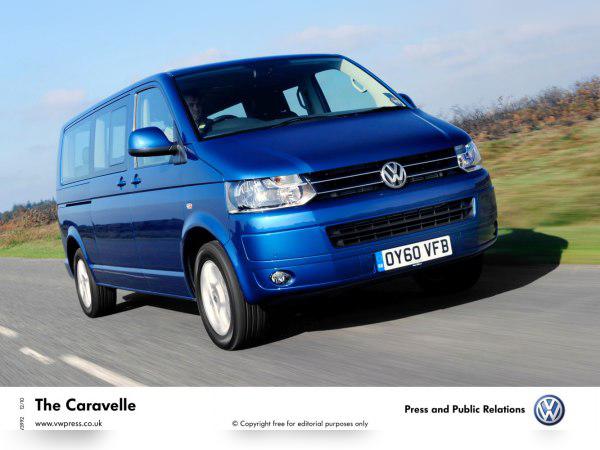
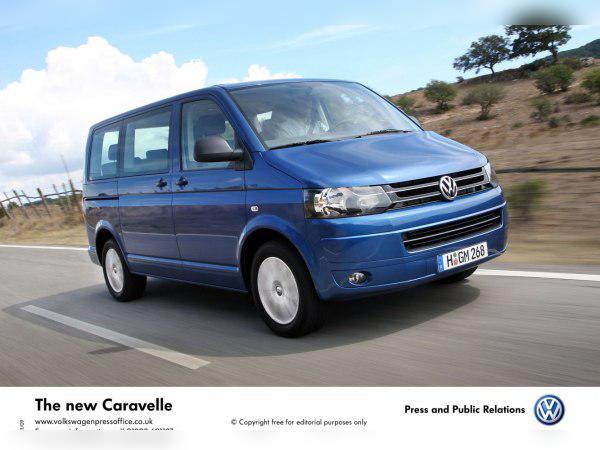
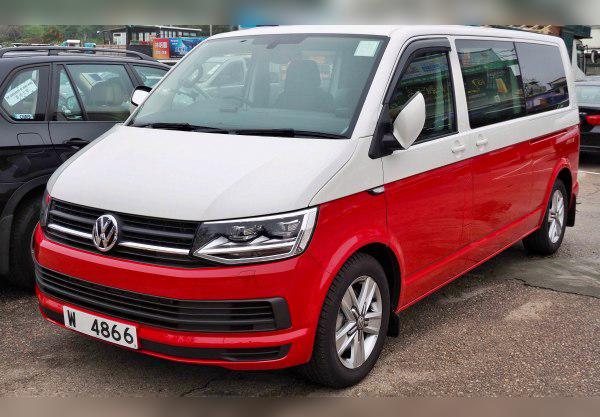
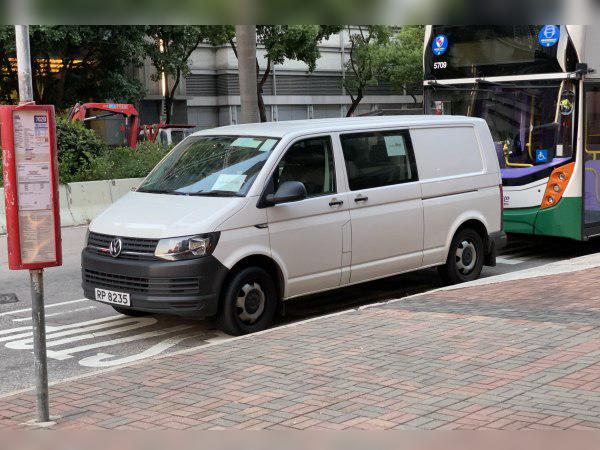
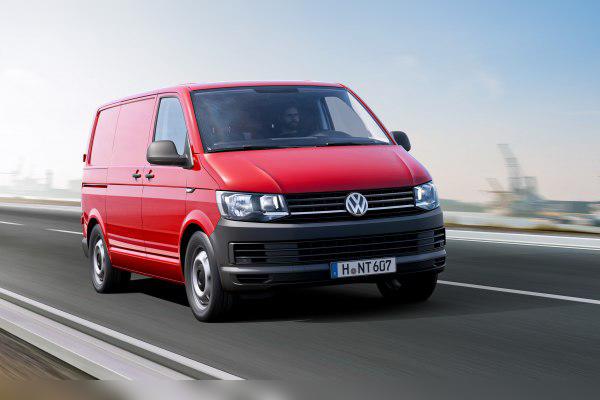
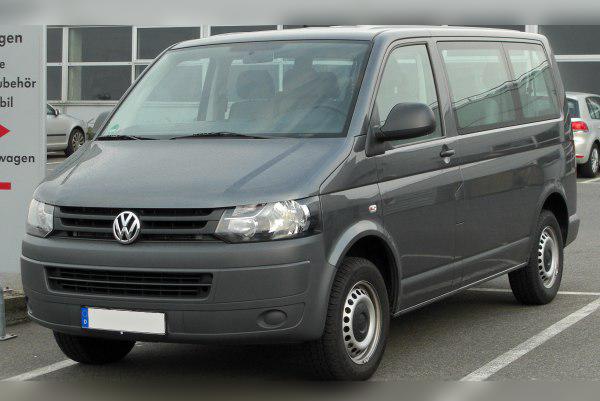

VW 2.0 TSI (EA888 / CJKA) – Experiences, problems, fuel consumption and maintenance
In short, the most important (TL;DR)
- Performance: With 204 hp and 350 Nm, this engine turns the heavy Transporter/Caravelle into an extremely dynamic vehicle, significantly quieter than the diesel variants.
- Oil consumption: The main weakness of EA888 Gen 2 engines are the piston rings. High oil consumption is possible if the engine has not been revised.
- Timing system: The engine uses a chain. Problematic tensioners can lead to chain skipping and catastrophic failure if not replaced in time.
- Fuel consumption: Be prepared for high figures. In the heavy T5/T6 body, this petrol engine consumes significantly more than the TDI models.
- Gearbox: Often comes paired with the DSG DQ500 gearbox, which is extremely robust and reliable with regular maintenance.
- City driving: Not ideal for stop‑and‑go traffic due to consumption, but it does not choke on soot like diesels (there is no DPF in the classic sense that clogs in city driving, although newer ones have a GPF).
- Recommendation: An excellent choice for those who drive fewer kilometers per year, want quietness and power, and are ready for higher fuel costs.
Contents
- Technical specifications
- Reliability and maintenance
- Specific parts (costs)
- Consumption and performance
- Additional options and modifications
- Gearbox and drivetrain
- Buying used and conclusion
The 2.0 TSI engine with the code CJKA belongs to the famous but also controversial EA888 family of Volkswagen engines (second generation). Installing a powerful turbo‑petrol engine in vans such as the VW T5 (facelift) and T6 seems like an unusual move on the European market, where TDI engines dominate. However, this unit offers something a diesel cannot: complete quietness in operation, linear acceleration and a high top speed. It is often found in more luxurious versions (Caravelle, Multivan) or emergency service vehicles. Although it offers a fantastic driving experience, it comes with a specific set of mechanical challenges that every owner needs to be aware of.
Technical specifications
| Parameter | Data |
|---|---|
| Engine displacement | 1984 cc (2.0 L) |
| Power | 150 kW (204 hp) at 4200–6000 rpm |
| Torque | 350 Nm at 1500–4000 rpm |
| Engine code | CJKA (EA888 Gen 2) |
| Injection system | TSI (Turbo Stratified Injection) – Direct injection |
| Charging method | Turbocharger + intercooler |
| Number of cylinders / valves | 4 / 16v |
Reliability and maintenance
Timing system (belt or chain?)
This engine uses a timing chain to drive the valves. This is one of the most critical points of EA888 engines of this generation. Although it was intended to last for the “lifetime” of the engine, in practice this is not the case.
Symptoms and issues: The chain can stretch, but the bigger problem is the hydraulic chain tensioner. If the tensioner fails (usually on cold start), the chain can skip, which leads to the pistons hitting the valves – a total engine failure. A metallic rattling sound on cold start that lasts longer than 2–3 seconds is an alarm for an urgent visit to the workshop.
Recommendation: Check chain condition via diagnostics (cam/crank phase angle) at every minor service. Preventive replacement of the chain kit and tensioner (all guides must be replaced) is recommended between 100,000 and 120,000 km, or earlier if rattling is heard.
Oil consumption and servicing
Does it consume oil? Unfortunately, YES. Engines with the CJKA code (EA888 Gen 2) are known for a design issue with the oil control rings, which are too thin and have small drainage holes. These get clogged with carbon deposits, and oil passes into the combustion chamber.
Amount: The manufacturer “covers itself” by stating that up to 0.5 L/1000 km is “normal”. However, in practice, a healthy engine should not consume more than 1 L per 10,000 km. If you are topping up a liter every 1,000–2,000 km, the engine is ready for an overhaul (“refresh”) with modified pistons and rings.
Oil: The engine holds approximately 5.7 liters of engine oil (check the exact amount by VIN, as oil pans can vary on commercial vehicles). 5W‑30 or 0W‑30 with VW 504.00 / 507.00 specification is recommended. Due to the ring issue, it is advisable to shorten the oil change interval to a maximum of 10,000 km or one year.
Spark plugs and coils
On turbo petrol engines with direct injection, spark plugs are under heavy thermal load. The recommended interval is 60,000 km, but for optimal operation and to protect the coils (which are also prone to failure), it is advisable to replace them every 30,000 to 40,000 km. Use only NGK or Bosch spark plugs specified for this engine. A faulty spark plug can cause a misfire, which can damage the catalytic converter.
Other common failures
- Water pump and thermostat: The housing is plastic and often cracks or deforms, which leads to coolant leaks. The entire thermostat and pump module is often replaced.
- PCV valve (oil vapor separator): If the membrane tears, the engine loses vacuum, idles roughly and whistles. It can also increase oil consumption. This is not an expensive failure, but it should be fixed immediately.
- Carbon buildup: As this is a direct‑injection engine, fuel does not “wash” the intake valves. Over time, carbon deposits build up on the valves, choking the engine and reducing power. Cleaning (walnut shell blasting) is needed at around 100,000–150,000 km.
Specific parts (costs)
Turbocharger
The engine uses a single IHI or BorgWarner K03 turbocharger (depending on the series). They are generally reliable and can last over 200,000 km with regular oil changes and proper cooldown before switching off the engine. Failure symptoms are blue smoke from the exhaust, loss of power and a siren‑like whine.
Injection system
It uses high‑pressure injectors for direct injection. They are not as problematic as on diesels, but they can leak or have a poor spray pattern, which “washes” oil off the cylinder walls and causes damage. The price of a single injector is moderately high (depends on the market), but they are rarely replaced as a full set, usually only as needed.
Emissions systems (EGR, DPF, AdBlue)
Since this is a petrol engine:
- NO DPF filter: Instead, it has a catalytic converter.
- NO AdBlue: AdBlue is used exclusively on diesel engines to reduce NOx emissions. Here you have no urea top‑up costs.
- EGR: Recirculation systems on petrol engines are different and less prone to soot clogging compared to diesels.
Note: Newer models (later T6 and T6.1) may have a GPF (Gasoline Particulate Filter), which works similarly to a DPF but regenerates passively much more easily and rarely causes problems.
Consumption and performance
Real‑world fuel consumption
This is where we come to the “pain point”. The Transporter/Caravelle is a “brick” on wheels weighing over 2 tons.
- City driving: Expect between 13 and 16 liters per 100 km. In heavy traffic (stop‑and‑go) and in winter, this can go up to 18 liters.
- Country roads: If you are gentle with the throttle (up to 90 km/h), you can bring consumption down to 9–10 liters.
- Motorway: Aerodynamics play a key role here. At 130 km/h the engine runs at pleasant revs (thanks to long DSG ratios or the 6th gear on the manual), but air resistance takes its toll. Expect around 11–13 liters.
Is the engine “lazy”?
Absolutely NOT. With 204 hp and, more importantly, 350 Nm of torque available from just 1500 rpm, this engine pulls extremely well. Acceleration is convincing, overtaking is easy even under load. The driving feel is much more “sporty” than with TDI versions of the same power, because the petrol engine has a wider usable rev range.
Additional options and modifications
LPG conversion
This is an engine with direct injection (TSI/FSI). This means that classic sequential LPG systems are not suitable. There are two options:
- System with petrol admixture: Uses about 80–85% LPG and 15–20% petrol (to cool the petrol injectors). A cheaper option, but the savings are smaller.
- Liquid LPG injection: Injects LPG directly through the petrol injectors. This is the best solution, the engine runs perfectly, there is no power loss and it runs only on LPG. However, installation is very expensive (often over 1500–2000 EUR, depending on the market) and is specific to the engine code.
Due to the price of the system and the complexity of installation, you should carefully calculate whether it pays off.
Chiptuning (remapping)
EA888 engines are the “kings” of tuning. This engine is hardware‑wise very similar to the one in the Golf GTI. A Stage 1 remap safely raises power to about 240–260 hp and torque to over 400 Nm. However, keep in mind that higher torque places additional stress on the gearbox (especially the manual) and that the engine must be in perfect condition (chain, turbo) before remapping.
Gearbox and drivetrain
Manual gearbox (6‑speed)
The standard 6‑speed manual gearbox is precise and robust. Failures are rare and mostly related to the clutch kit.
- Dual‑mass flywheel: YES, it has one. Failure symptoms are knocking when starting/stopping the engine and vibrations on the clutch pedal. The cost of replacing the kit (pressure plate, disc, release bearing, flywheel) is quite high (depends on the market).
DSG gearbox (automatic)
With this engine (especially in 4MOTION versions) it most commonly comes with the DQ500 seven‑speed DSG gearbox with wet dual clutch.
- Reliability: This is one of the strongest and best gearboxes made by the VW Group. It is designed to handle huge torque (up to 600 Nm). It is much more reliable than the notorious DQ200.
- Maintenance: Oil and filter changes in the gearbox are MANDATORY every 60,000 km. If this is not done, the mechatronics (the gearbox “brain”) and clutches will fail.
- Dual‑mass flywheel on DSG: Yes, DSG also has a dual‑mass flywheel. When it is worn out, it often sounds like “clicking” at idle.
4MOTION (all‑wheel drive)
It uses a Haldex coupling (usually 4th or 5th generation on T5/T6). It requires an oil change every 3 years or 60,000 km (no filter on newer generations, but cleaning the pump strainer is recommended). If the rear drive does not work, the problem is often the Haldex pump, which burns out due to old oil.
Buying used and conclusion
Before buying a T5 or T6 with this engine, pay attention to:
- Cold start: Insist that the engine is completely cold. Listen to the chain during the first 5 seconds. Any rattling is a warning sign.
- Exhaust: If the exhaust tips are oily and black with soot, and the exhaust emits bluish smoke when revved, the engine is probably consuming a lot of oil (ring problem).
- DSG service history: If there is no proof of gearbox oil changes every 60k km, this is a major risk.
- Coolant leaks: Check the coolant level and for traces of leakage around the water pump.
Who is this engine for?
The VW Transporter/Caravelle 2.0 TSI is a very specific beast. It is not for companies that drive 50,000 km per year (due to fuel consumption). It is intended for private users or VIP transport where quietness, lack of vibration and power are valued, and fuel cost is secondary. It is also an excellent choice as a base for a camper van, because you do not have problems with the DPF and city‑center bans that affect older diesels.
If you find an example where the oil consumption issue (rings replaced) and the chain have been sorted, you will get a fantastic vehicle that drives better than any diesel in its class.
Was this content useful to you?
Your opinion helps us to improve the quality of the content.