EA888 / CJKB Engine
- Engine
- 1984 cm3
- Aspiration
- Turbocharger, Intercooler
- Fuel
- Petrol (Gasoline)
- Fuel injection system
- Direct injection
- Power
- 150 hp
- Torque
- 280 Nm
- Cylinders
- 4
- Valves
- 16, 4 per cylinder
- Cylinders position
- Inline
- Valvetrain
- DOHC
- Oil capacity
- 5.7 l
- Coolant
- 11 l
- Systems
- Start & Stop System
# Vehicles powered by this engine


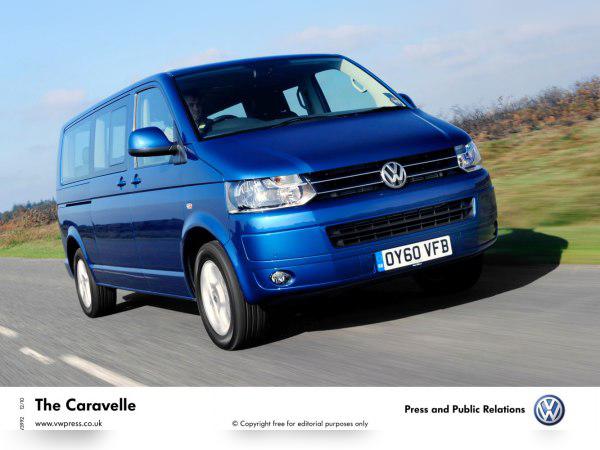
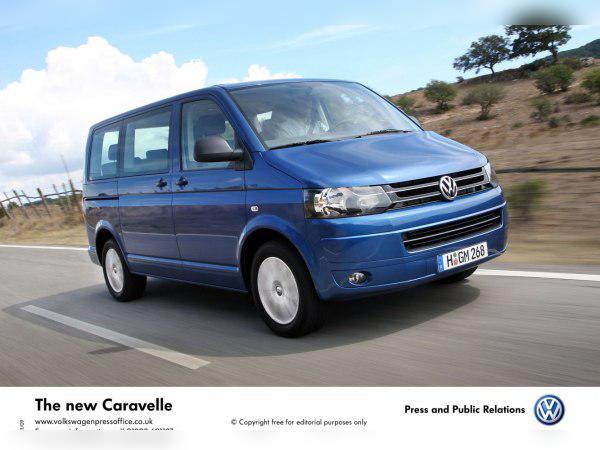
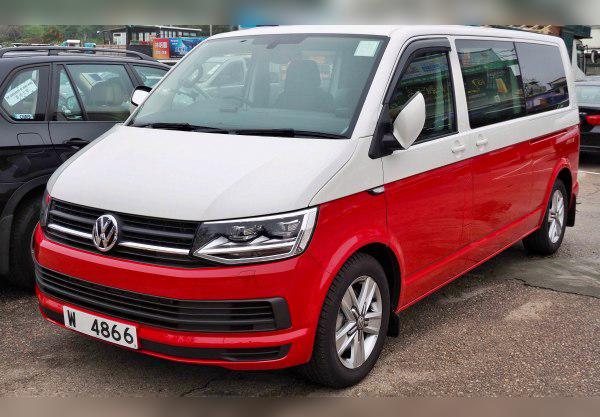
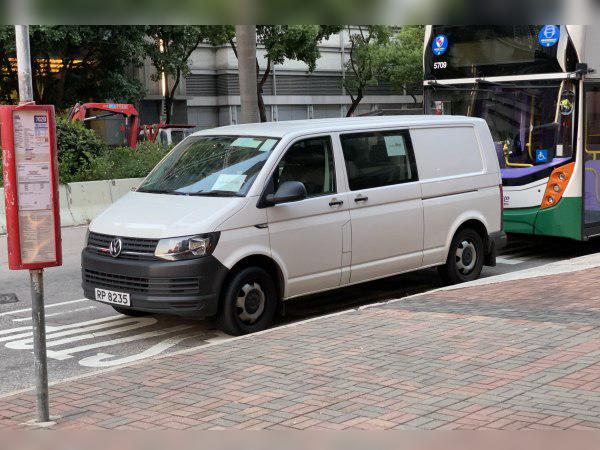
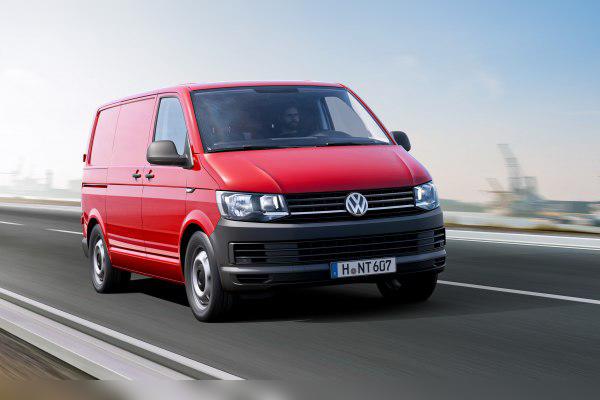
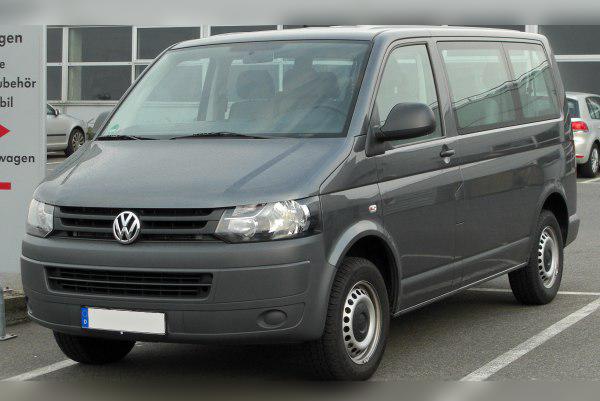

2.0 TSI (EA888 / CJKB) 150 HP: Experiences, issues, fuel consumption and maintenance in VW Transporters
Key points (TL;DR)
- Petrol engine in a van: An excellent alternative for those who drive short distances and want to avoid DPF issues common with diesels.
- Timing chain: The Achilles' heel of this engine. Checking the condition of the tensioner and chain stretch is a must.
- Oil consumption: The EA888 series is known for this. Regular level checks are mandatory.
- Fuel consumption: Expect high numbers; this is a heavy, “boxy” vehicle with a turbo petrol engine.
- Refinement and comfort: Noticeably quieter and smoother compared to TDI engines.
- Maintenance: Requires high-quality oil and shorter change intervals (maximum 10–15,000 km) to survive.
Contents
- Introduction and application
- Technical specifications
- Reliability and maintenance
- Specific parts and costs
- Consumption and performance
- Additional options (LPG and tuning)
- Gearbox and drivetrain
- Used-buying tips and conclusion
Introduction and application
When you think of the Volkswagen Transporter (either T5 facelift or T6), the first association is almost always the 2.0 TDI diesel engine. However, the engine we’re talking about today is a “unicorn” in the world of commercial vehicles – the 2.0 TSI with the CJKB code. This engine belongs to the famous (and sometimes notorious) EA888 family.
It was installed in a wide range of body styles, from luxurious Caravelle models to workhorse Panel Vans. Its purpose? To offer passenger-car refinement in a van body and to solve the issues of city driving that diesels don’t tolerate well (DPF clogging). Although rare, this engine is extremely important for buyers who live in low-emission zones or for those who use the van as a family vehicle for shorter trips.
Technical specifications
| Parameter | Data |
|---|---|
| Displacement | 1984 cc (2.0 L) |
| Power | 110 kW (150 HP) |
| Torque | 280 Nm |
| Engine code | CJKB (EA888 Gen 2/3 variation for commercial vehicles) |
| Injection type | Direct injection (TSI / TFSI) |
| Forced induction | Turbocharger + intercooler |
| Configuration | Inline, 4 cylinders |
Reliability and maintenance
Does this engine have a timing belt or a chain?
The CJKB engine uses a timing chain. This is a critical point of EA888 engines. Although the situation in T6 models is better than in earlier generations in passenger cars (2008–2012), the chain is still prone to stretching. Symptoms: Rattling on cold start that lasts longer than 2–3 seconds, or rough idle. The chain tensioner is also a weak point that can fail and cause the chain to jump, which leads to catastrophic engine damage (piston-to-valve contact).
What are the most common failures on this engine?
Besides the chain, owners often encounter the following issues:
- Water pump and thermostat housing: Made of plastic that deforms over time due to heat cycles, which leads to coolant leaks.
- PCV valve (oil vapor separator): When the membrane in this valve tears, the engine starts consuming oil, smoking, or has an unstable idle due to unmetered air.
- Carbon build-up: As with all direct-injection engines, the intake valves get dirty because fuel doesn’t wash them. This leads to power loss at higher mileage.
- Ignition coils: They often fail, causing the engine to run on 3 cylinders and triggering the “Check Engine” light.
At what mileage should the “major service” be done?
Since the engine has a chain, there is no classic “major service” at a fixed interval like with a belt. However, in practice, the chain, guides and tensioner are preventively replaced between 120,000 km and 150,000 km, or earlier if rattling is heard. The auxiliary (serpentine) belt and its pulleys should be replaced at around 100,000 km.
How many liters of oil does this engine take and which grade is recommended?
The CJKB engine in the Transporter takes approximately 5.7 to 6.0 liters of oil (the sump is specific to commercial vehicles). The recommended grade is 5W-30 or 5W-40. It is mandatory to use oil that meets VW standards: VW 502.00 (for fixed intervals) or VW 504.00 (for LongLife, although this is not recommended).
Does it consume oil between services?
Yes, this is a hallmark of EA888 engines. Although the CJKB (150 HP) is less affected by the “bad piston rings” issue compared to older 180/211 HP versions, some oil consumption is to be expected.
Normal: Up to 0.5 liters per 2,000–3,000 km can be considered acceptable for this type of engine under load.
Alarming: If it consumes 1 liter per 1,000 km, this points to stuck oil rings or an issue with the turbo/PCV valve. Always keep a liter of oil in the boot.
At what mileage should the spark plugs be replaced?
On turbo petrol engines, spark plugs are exposed to higher thermal stress. The recommendation is to replace them every 60,000 km. Use only NGK or Bosch iridium plugs according to factory specification. Bad plugs can quickly destroy the ignition coils.
Specific parts (costs)
Does this engine have a dual-mass flywheel?
Yes. Regardless of whether it is paired with a manual gearbox or a DSG, this engine uses a dual-mass flywheel to neutralize vibrations and protect the gearbox from sudden torque spikes. Replacement is expensive (very costly, depending on the market) and is usually done together with the clutch kit.
What kind of injection system does it have and are the injectors problematic?
The system is direct fuel injection into the cylinder at high pressure. The injectors are generally reliable, but sensitive to poor fuel quality. A bigger concern is the high-pressure fuel pump (HPFP), which can fail. Symptoms of injector issues include leaking (fuel smell in the oil) or uneven engine operation.
Does this engine have a turbocharger and what is its lifespan?
It has a single turbocharger (usually IHI or BorgWarner KKK). Lifespan depends directly on maintenance. If the oil is changed every 10–15k km and the engine is not switched off immediately after hard driving (it should idle for a minute or two), the turbo can last over 200,000 km. The first signs of failure are whistling, blue smoke, or the engine going into “safe mode” under acceleration.
Does this model have a DPF filter or an EGR valve?
This engine DOES NOT have a DPF filter (that’s only for diesels). Newer models (late T6 and T6.1) may have a GPF (gasoline particulate filter), but most CJKB engines in T5/T6 do not.
The engine DOES HAVE an EGR system (exhaust gas recirculation), but on petrol engines it clogs much less frequently than on diesels because petrol produces less soot. The main emissions component is the catalytic converter.
Does this engine use AdBlue?
No. AdBlue is used exclusively for diesel engines (SCR catalysts). Petrol engines do not use this fluid, which is one less concern and expense.
Consumption and performance
What is the real-world fuel consumption in city driving?
This is where we hit a sore spot. The Transporter is heavy, and physics is unforgiving.
In pure city driving (stop-and-go), expect consumption of 12 to 15 liters per 100 km. If the vehicle is loaded or it’s winter, that figure can go even higher. This is not an economical city engine, but an engine for those who must drive a petrol van.
Is this engine “lazy” for the weight of the body?
With 280 Nm of torque available from as low as 1,500 rpm, the engine is not lazy in an unladen vehicle. It accelerates linearly and smoothly. However, if you load the Transporter with cargo or passengers (e.g. 8 people in a Caravelle), you will feel a lack of torque compared to stronger diesel versions (which have 340+ Nm). For normal use it is perfectly adequate, but it’s not a racer.
What is it like on the motorway and at what rpm does it cruise at 130 km/h?
On the motorway this engine is more pleasant than a diesel due to its quietness. At 130 km/h it runs at about 2,800 to 3,000 rpm (depending on the gearbox, 6-speed manual or 7-speed DSG). It has enough power for overtaking, but the “brick” aerodynamics take their toll – consumption at 130 km/h is rarely below 10–11 l/100 km.
Additional options and modifications
Is this engine suitable for LPG conversion?
Since this is an engine with direct injection (TSI), LPG conversion is complicated and expensive.
A special system for direct injection must be installed, which either uses a mixture of petrol and LPG (to cool the petrol injectors) or injects liquid gas directly through the petrol injectors (systems such as Vialle).
Cost-effectiveness: The system is very expensive (over 1000 EUR, depending on the market) and only pays off if you cover high annual mileage.
How far can this engine be safely tuned (Stage 1)?
The EA888 is known for its excellent tuning potential. With a Stage 1 remap, this 150 HP engine can easily be raised to 190–210 HP and torque to around 350 Nm.
Warning: Although the engine can handle it, keep in mind that this is a heavy van. The extra power puts additional stress on the clutch (on manuals) and the turbo. Cooling is also a factor in vans. Only do this with reputable tuners.
Gearbox
Which gearboxes are fitted?
- Manual: 6-speed gearbox (precise, robust).
- Automatic: 7-speed DSG dual-clutch gearbox (usually DQ500 in Transporters for durability, less often DQ250).
What are the most common failures?
Manual: Very durable. Failures are mostly related to the clutch kit and dual-mass flywheel.
DSG (automatic): The mechatronics unit (the “brain” of the gearbox) is the most expensive failure. Symptoms are harsh jerks when moving off or delayed shifting. The clutch pack (friction plates inside the gearbox) also wears out, especially if the van is often overloaded or used for towing.
How much does clutch replacement cost?
Replacing the clutch kit together with the dual-mass flywheel is a costly investment. On DSG gearboxes, replacing the clutch pack and flywheel can cost over 1000 EUR (depending on the market and workshop), while on manuals it is somewhat cheaper, but still a significant expense.
At what mileage does the gearbox need servicing?
DSG: The oil and filter in the DSG gearbox MUST be changed every 60,000 km. Ignoring this guarantees an expensive mechatronics failure.
Manual: Although VW claims the oil is “lifetime”, it is recommended to change it every 100,000–120,000 km for smoother shifting and longer bearing life.
Buying used and conclusion
Before buying a used T5/T6 with this engine, make sure to do the following:
- Cold start: Insist that the engine is completely cold. Listen to the chain for the first 3 seconds. Any metallic rattling is a red flag.
- Exhaust test: Wipe your finger inside the tailpipe. If it’s black and oily (not just sooty, but oily), the engine is burning a lot of oil.
- Diagnostics: Check the “phase position” parameters (chain stretch) and “misfire counter”.
Conclusion: The VW Transporter 2.0 TSI (150 HP) is a specialized machine. It is not for courier services that cover 500 km a day (you’ll go broke on fuel).
It is intended for:
- Families who want a comfortable passenger van.
- Small business owners who drive in strict city centers.
- People who drive up to 15,000 km per year.
If you accept higher fuel consumption and the need for regular oil and chain checks, you’ll get a vehicle that drives better than any diesel competitor.
Was this content useful to you?
Your opinion helps us to improve the quality of the content.