EA189 / CAAB Engine
- Engine
- 1968 cm3
- Aspiration
- Turbocharger, Intercooler
- Fuel
- Diesel
- Fuel injection system
- Diesel Commonrail
- Power
- 102 hp @ 3500 rpm
- Torque
- 250 Nm
- Cylinders
- 4
- Valves
- 16, 4 per cylinder
- Cylinders position
- Inline
- Valvetrain
- DOHC
- Oil capacity
- 7 l
- Coolant
- 11 l
- Systems
- Particulate filter
# Vehicles powered by this engine
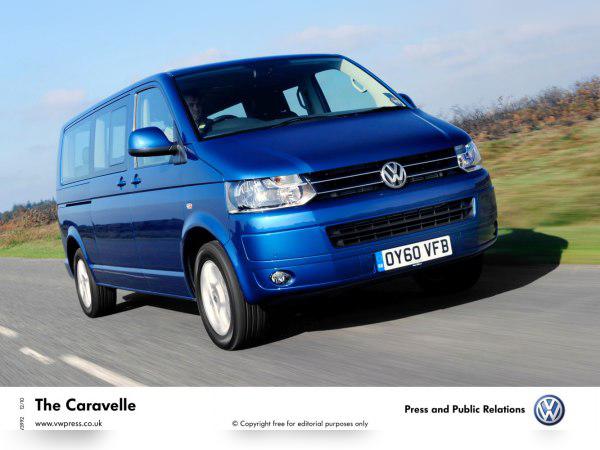
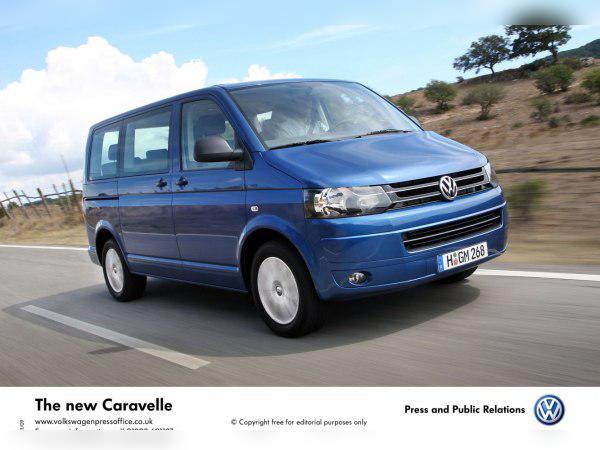

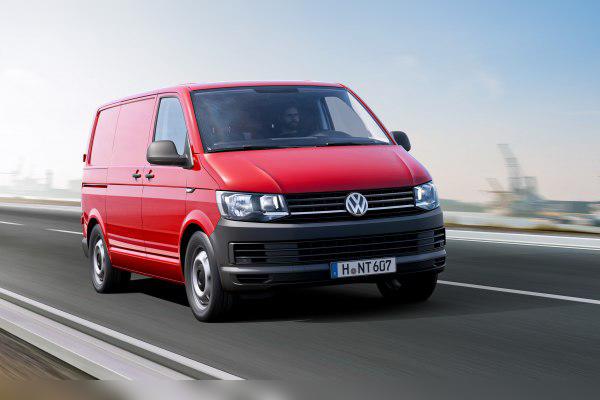
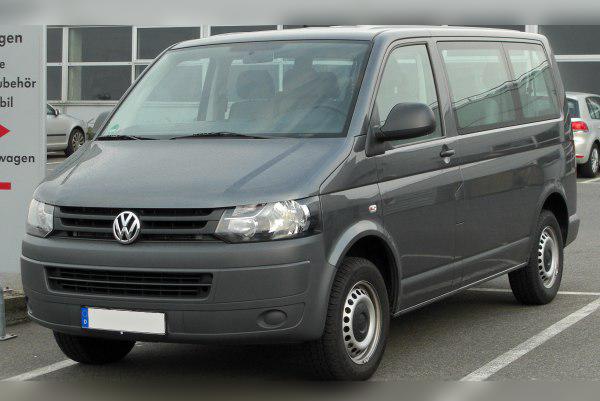
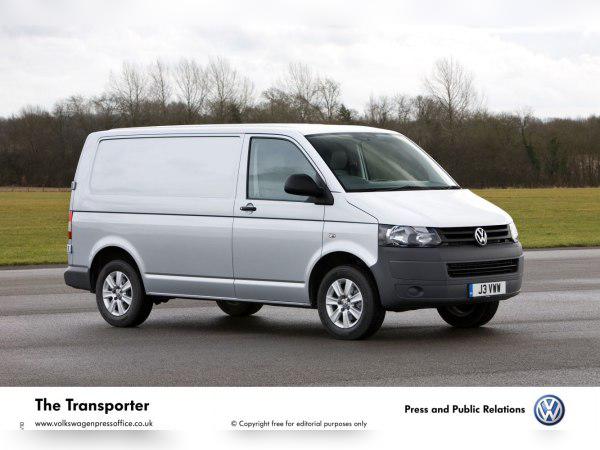
VW 2.0 TDI (EA189 / CAAB) 102 HP – Experiences, Problems, Fuel Consumption and Maintenance
Key points (TL;DR)
- Workhorse: This is an engine designed for long, hard use, not for racing. It is the successor to the legendary 1.9 TDI engine.
- Performance: With 102 HP, this engine is at the lower acceptable limit for the heavy Transporter/Caravelle body. It requires patience on open roads.
- Common Rail: Unlike the older PD engines, this one runs quieter and smoother, but is more sensitive to fuel quality.
- EGR and DPF: As with any modern diesel, city driving “kills” the DPF filter and EGR valve.
- Gearbox: A five-speed manual gearbox is standard, but pay attention to the drive shafts.
- Fuel consumption: Extremely economical for its class, especially in mixed driving.
- Recommendation: Ideal for city deliveries and tradespeople. Not recommended for towing heavy trailers over long distances.
Contents
- Introduction and application
- Technical specifications
- Reliability and maintenance
- Specific parts (Costs)
- Fuel consumption and performance
- Additional options and modifications
- Gearbox and drivetrain
- Buying used and conclusion
Introduction and application
The engine with code CAAB belongs to the EA189 generation and represents Volkswagen’s transition to Common Rail technology in the commercial segment. It was primarily installed in the Volkswagen T5 (facelift/GP from 2009) and early series of the T6 models. This is an entry-level unit, designed to be cheaper to maintain and robust for company fleets. Its 102 HP may look modest on paper, but thanks to solid torque it manages to move these heavy vans, although you should not expect sporty performance.
Technical specifications
| Characteristic | Data |
|---|---|
| Engine displacement | 1968 cc (2.0 l) |
| Power | 75 kW (102 HP) |
| Torque | 250 Nm at 1500–2500 rpm |
| Engine code | CAAB (EA189 family) |
| Injection type | Common Rail (Direct injection) |
| Charging | Turbocharger (VTG – variable geometry) + Intercooler |
| Number of cylinders / valves | 4 / 16 (DOHC) |
Reliability and maintenance
Timing belt or chain?
The EA189 (CAAB) engine uses a timing belt to drive the camshafts. This is good news because chains on some VW engines have proven problematic, while the belt on this engine is predictable and reliable if replaced on time.
Most common failures
Although considered a reliable engine, age and mileage take their toll. The most common issues are:
- EGR valve: Due to frequent city driving, the EGR valve clogs up with soot. Symptoms are loss of power, going into “safe mode” and the “check engine” light coming on. The EGR cooler can also start leaking, which leads to loss of coolant.
- DPF differential pressure sensor: A frequent failure that falsely reports that the DPF is full. It’s a cheap part, but can cause panic.
- Auxiliary (serpentine) belt failure: If not replaced on time or if the tensioner loosens, the belt can snap and, in the worst case, get under the timing belt, which leads to catastrophic engine damage. Always check the tensioners.
- High-pressure fuel pump (Bosch CP4): Although less common on the 102 HP version than on the more powerful ones, it is known that these pumps can shed metal shavings into the fuel system if poor diesel is used or if the pump runs dry. This requires cleaning the entire system and replacing the injectors (very expensive).
Major service
The factory recommendation for timing belt replacement is often optimistic (210,000 km for some markets). However, workshop experience says otherwise: Do the major service at a maximum of 150,000–160,000 km or every 5 to 7 years, whichever comes first. Along with the belt, the water pump, all tensioners and coolant must be replaced.
Oil: quantity, grade and consumption
This engine takes about 7.0 liters of engine oil. The large oil volume is excellent for cooling and longevity of an engine that is constantly under load.
Recommendation: Only fully synthetic 5W-30 oil that meets the VW 507.00 standard (because of the DPF filter).
Oil consumption: Common Rail engines consume less oil than the old PD units. Consumption of 0.5 to 0.8 liters per 10,000 km is considered completely normal for a van driven under load. If it exceeds 1 L per 2000–3000 km, this points to a problem with piston rings or the turbo.
Injectors
The CAAB engine uses Common Rail piezo or solenoid injectors (depending on sub-variant and year, but more often the more reliable Bosch solenoid injectors on lower-power versions). They have proven to be very durable and often last over 300,000 km without issues, provided quality fuel is used and the fuel filter is changed regularly. Symptoms of bad injectors are rough idle (“knocking”) and hard starting.
Specific parts (Costs)
Dual-mass flywheel
Yes, in T5 and T6 models this engine is almost always paired with a dual-mass flywheel. Given the heavy body and the need for comfort, a solid flywheel would transmit too many vibrations to the gearbox and cabin.
Cost: Replacing the clutch kit with the flywheel is a major expense (depends on the market, but expect a serious outlay). Symptoms are rattling when switching the engine off and vibrations in the clutch pedal.
Turbocharger
The engine has a single turbocharger with variable geometry. This is not the Bi-Turbo version (which is known for problems on more powerful models). The turbo on the 102 HP version is lightly stressed and very durable. With regular oil changes, its service life is often equal to the life of the engine.
DPF and EGR
All models with the CAAB engine have a DPF filter and an EGR valve.
Problems: T5/T6 vans are often used for city deliveries (stop-and-go driving). That is deadly for the DPF because it doesn’t get a chance to regenerate. A clogged DPF raises backpressure on the turbocharger and can destroy it. Occasional driving on open roads (over 2500 rpm) for at least 20 minutes is recommended.
AdBlue system
This requires attention:
T5 Facelift (EA189 / CAAB – Euro 5): Usually DOES NOT HAVE an AdBlue system. DPF regeneration is done only by post-injection of fuel.
T6 (Euro 6 variants): If you have a T6 that meets the Euro 6 standard (often with the engine code changed to CXGB, but with a similar block), it DOES HAVE AdBlue. The AdBlue system on the T6 is known for heater failures in the tank and crystallization of urea that clogs the injector. Regular maintenance only involves topping up the fluid, but repairs to the system are expensive.
Fuel consumption and performance
Real-world fuel consumption
- City driving: Expect between 8.5 and 10.5 l/100 km. Consumption heavily depends on whether the van is empty or fully loaded.
- Open road (80–90 km/h): Here the engine is most economical and can go down to 6.5–7.5 l/100 km.
- Motorway (130 km/h): Consumption rises to 9.0–11.0 l/100 km due to high aerodynamic drag.
Is the engine “sluggish”?
Honestly? Yes, by today’s standards. With 102 HP and 250 Nm in a vehicle that weighs about 2 tons empty and close to 3 tons fully loaded, don’t expect miracles. In the city it’s perfectly adequate thanks to short gearing. However, overtaking on country roads requires serious planning and a good run-up. Uphill with a full load will often require dropping to third, or even second gear.
Behaviour on the motorway
This engine is usually paired with a 5-speed gearbox. That means at 130 km/h the engine is spinning at a high 2800–3000 rpm. This creates noise in the cabin and increases fuel consumption. The cruising speed at which this engine feels comfortable is around 110–120 km/h.
Additional options and modifications
Chip tuning (Stage 1)
This is one of the best things about this engine. The 102 HP version is a software-detuned variant of an identical engine that in other versions makes 140 HP.
Safe increase: With a Stage 1 remap, power can be raised to 135–140 HP and torque to about 320–340 Nm. The difference in driving is dramatic – the van “comes to life”, carries load more easily and often even reduces fuel consumption in normal driving. Since the engine shares many components with the more powerful versions, this is considered a safe modification, provided the clutch and turbo are in good condition.
Gearbox
Types of gearboxes
With the 102 HP (CAAB) engine you most commonly get a 5-speed manual gearbox (02Z series).
The automatic DSG gearbox is rarely found with this power level in commercial versions (it usually comes with 140 HP+), but if it is present in newer T6 variants, it is the DQ500 (7-speed, wet clutch), which is extremely robust.
Manual gearbox problems
The most well-known problem on T5/T6 models with the 5-speed is not inside the gearbox itself, but at the output:
- Right driveshaft and splines: The connection between the driveshaft and the gearbox “wears out” (strips). The symptom is a sudden loss of drive (the engine runs, a gear is engaged, but the vehicle doesn’t move) and a strange grinding noise. This is a common weak point and it is recommended to check the condition of the splines at every major service.
- Gearbox bearings: If you hear a whining noise that increases with speed, the shaft bearings are probably worn.
Gearbox service
For the manual gearbox VW often claims the oil is “lifetime fill”. Do not follow this advice. Change the gearbox oil every 100,000 km (it takes about 2 liters of quality gear oil). This will significantly extend the life of the bearings.
Buying used and conclusion
If you are buying a T5 or T6 with this engine, here is what to look for:
- Cold start: The engine should start immediately and run smoothly. Uneven running in the first few seconds can indicate injector or glow plug issues.
- Flywheel noise: Press the clutch pedal halfway and listen for a change in sound (knocking). When switching the engine off, it should stop smoothly, without a metallic thud.
- Pulling away at full steering lock: If you hear clicking, the CV joints are worn.
- Test drive in 5th gear: Apply and release the throttle abruptly – the gear lever should not move back and forth excessively.
Final conclusion
The 2.0 TDI (CAAB) 102 HP engine is a rational choice. It’s not fast, it’s not exciting, but it is the most reliable option among the many complicated Bi-Turbo engines used in the T5/T6. It is cheaper to maintain, has a single turbo and a simpler design.
Who is it for? Ideal for tradespeople, courier services in the city and worker transport. If you plan to tow a car trailer over the Alps or drive heavy loads on the motorway every day, look for the 140 HP version (or do a chip tune on this one).
Was this content useful to you?
Your opinion helps us to improve the quality of the content.