EA113 / AXA Engine
- Engine
- 1984 cm3
- Aspiration
- Naturally aspirated engine
- Fuel
- Petrol (Gasoline)
- Fuel injection system
- Multi-port manifold injection
- Power
- 116 hp @ 5200 rpm
- Torque
- 170 Nm
- Cylinders
- 4
- Valves
- 8, 2 per cylinder
- Cylinders position
- Inline
- Valvetrain
- SOHC
- Oil capacity
- 5 l
- Coolant
- 7.1 l
# Vehicles powered by this engine
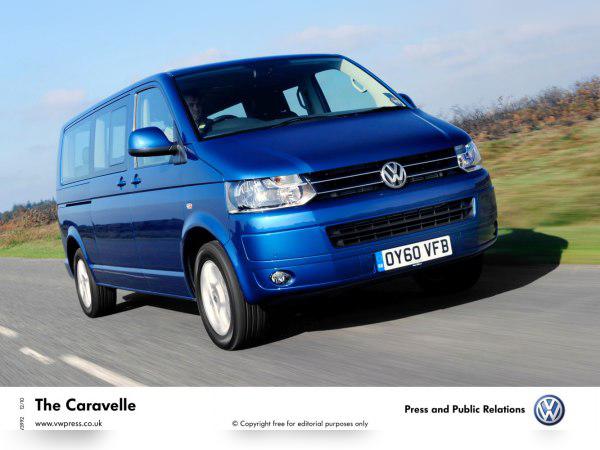
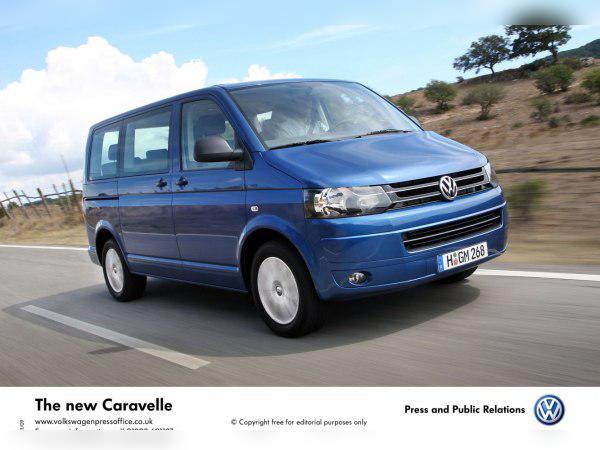
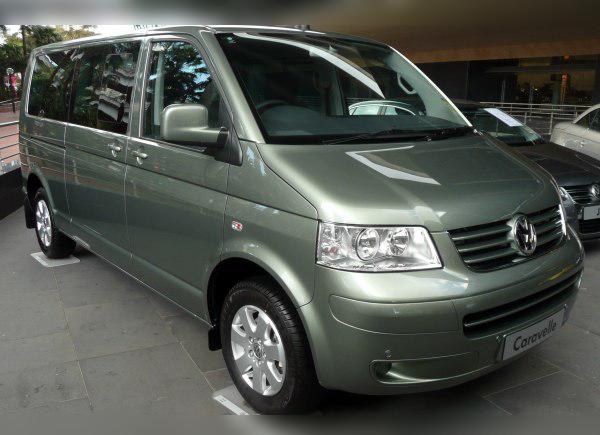
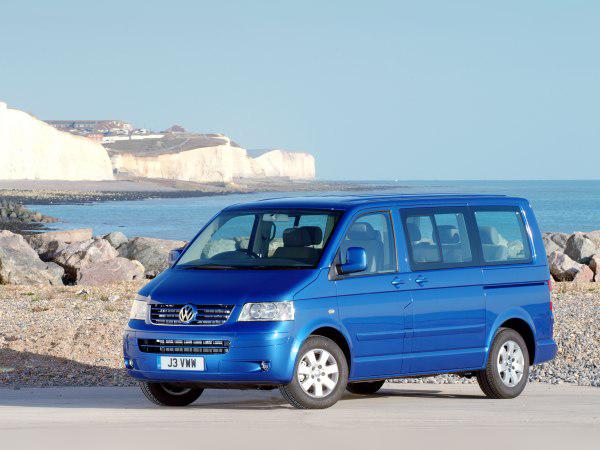
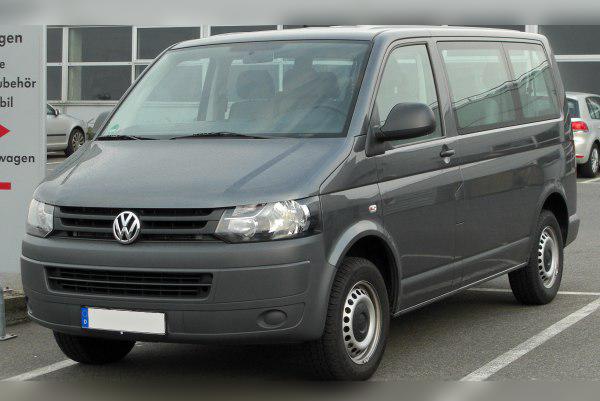
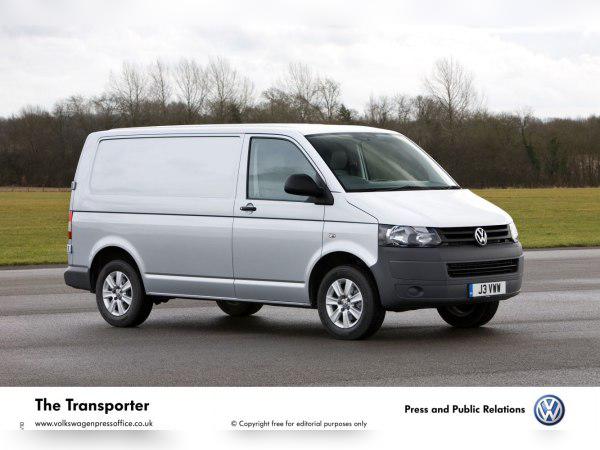
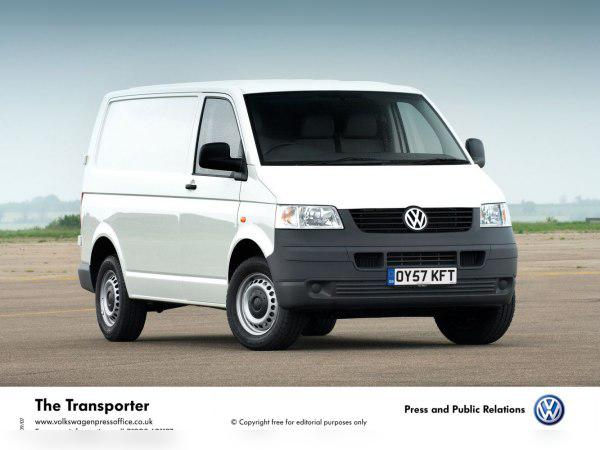
VW T5 2.0 petrol (EA113 / AXA) – Experiences, problems, fuel consumption and maintenance
Key points (TL;DR)
- Exceptionally simple: This is an old-school naturally aspirated petrol engine. No turbo, no DPF, no complicated injectors.
- Performance: To be honest – the engine is “lazy” for the T5 van body. With 170 Nm, overtaking requires serious planning.
- Fuel consumption: High. In the city it easily goes over 13–14 liters of petrol.
- Ideal solution: This engine is a perfect candidate for LPG (autogas) conversion, which makes it more economical than a diesel.
- Maintenance: Cheap and simple. Every mechanic knows how to repair this engine (it’s based on the Golf 3/4 units).
- Recommendation: Buy only if you mostly drive in the city, on short trips, or if you plan to install LPG. It’s not meant for heavy loads and motorway use.
Contents
Introduction: Why a petrol engine in a van?
When you think of the Volkswagen T5 (Transporter, Caravelle, Multivan), the first association is the famous TDI engine. However, the engine we’re talking about today is the “black sheep” of the range – the 2.0 petrol engine with the AXA code (from the EA113 family). It was installed in T5 and T5 facelift models (from 2003 up to 2015 in some versions).
This engine is a relic of the past in a modern van, but that is exactly its biggest strength. While diesel owners are pulling their hair out over DPF filters, EGR valves and expensive injectors, the owner of the 2.0 petrol just fills up and drives. Still, that peace of mind comes at a price – and that price is paid at the fuel station and in the lack of torque.
Technical specifications
| Specification | Data |
|---|---|
| Engine displacement | 1984 cc (2.0 L) |
| Power | 85 kW (116 hp) at 5200 rpm |
| Torque | 170 Nm at 2700–4700 rpm |
| Engine code | AXA (EA113 family) |
| Injection type | Multi-point injection (MPI) – indirect |
| Induction | Naturally aspirated (no turbo) |
| Cylinders/valves | 4 cylinders / 8 valves (SOHC) |
Reliability and maintenance
Timing belt or chain?
The 2.0 AXA engine uses a timing belt to drive the camshaft. This is a classic design. The recommended replacement interval is usually 120,000 km or 5 years (whichever comes first).
Tip: Don’t take chances. A snapped belt on this engine leads to piston-to-valve contact (catastrophic engine failure). A timing belt kit with water pump is relatively cheap (falls into the “not expensive” category).
Most common failures
Although it is very reliable, age takes its toll. Here’s what to expect:
- Oil consumption (valve stem seals and piston rings): On high-mileage engines, valve stem seals harden and oil control rings get clogged. Symptom: Bluish smoke from the exhaust on first start or when you suddenly floor it after engine braking.
- Coil packs (ignition coils): A common issue on VAG petrol engines of that era. Symptom: Rough idle, misfires, loss of power and a lit “Check Engine” light.
- PCV valve (oil separator): The membrane often tears. Symptom: Uneven idle, a whistling noise from the engine and increased oil consumption.
- Coolant temperature sensor: Often fails. Symptom: The temperature gauge “jumps around” or the engine is hard to start when hot/cold due to incorrect fuel mixture.
Minor and major service
The major service is done, as mentioned, at around 120,000 km, but many owners change it preventively at 90,000–100,000 km due to the age of the vehicle.
Spark plugs: Since this is a petrol engine, spark plugs are crucial. They are replaced every 60,000 km. If you run LPG, reduce the interval to 30,000 km because LPG wears electrodes faster.
Oil: quantity and consumption
The sump holds about 4.2 to 4.5 liters of oil (always check the dipstick). The recommended grade is 5W-40 or 5W-30 (VW 502.00 or 504.00 standard). For older, high-mileage engines, 5W-40 is the better choice.
Does it consume oil? Yes. In the manual, VAG states that consumption of up to 1 L/1000 km is “within normal limits” (which is absurd, but gives them legal cover). In practice, a healthy engine should use about 0.5 to 1 liter per 10,000 km. If you’re using a liter per 1,000 km, the engine is ready for a refresh.
Specific parts (costs)
This is where this engine shines – maintenance is dramatically cheaper than on a diesel.
- Dual-mass flywheel: This is a trick question. Most T5 petrols have a solid flywheel or a very simple one, because 170 Nm of torque is not enough to destroy the transmission like on a diesel. Even if a version does have a dual-mass flywheel, it lasts much longer than on a diesel due to lower vibrations. Clutch replacement cost is acceptable (falls into the “not expensive” category).
- Injectors and fuel system: It uses classic electromagnetic injectors for indirect injection. They are extremely durable, cheap to clean and rarely fail. They are not as sensitive to poor fuel quality as piezo injectors on diesels.
- Turbocharger: It doesn’t have one. One expensive failure less to worry about.
- DPF and EGR: There is no DPF (diesel particulate filter). It does have an EGR valve, but on petrol engines it gets much less clogged because petrol burns cleaner than diesel. Blockages are rare.
- AdBlue: No AdBlue system. No tank, no heater, no pump to fail.
Fuel consumption and performance
Is the engine “lazy”?
Yes, it is very lazy. An empty T5 van weighs close to 2 tons. Having only 170 Nm of torque (available only at higher revs) means you’ll often have to downshift on inclines. If you load the van or tow a trailer, arm yourself with patience.
Real-world fuel consumption
- City driving: Expect between 12 and 15 l/100 km. The heavy body needs a lot of throttle to get moving.
- Country roads: It can go down to about 9–10 l/100 km if you drive gently.
- Motorway (130 km/h): Consumption jumps to 13+ liters.
Behaviour on the motorway
At 130 km/h, the engine is spinning at quite high revs (often close to 4000 rpm in 5th gear), which means it is noisy. This is not a long-distance cruiser like the 2.0 TDI or 2.5 TDI. The cruising speed where the engine feels comfortable is around 100–110 km/h.
Additional options and modifications
LPG conversion
Absolutely yes. This is probably the best engine in the T5 range for LPG conversion. Thanks to the MPI injection system, installation is simple, cheap (standard sequential systems) and the engine handles LPG very well. On LPG, the cost per kilometre is practically the same as, or even lower than, a diesel, while you avoid expensive diesel-related failures.
Chip tuning (Stage 1)
Not worth it. Since the engine is naturally aspirated (no turbo), “chipping” can give you at most 5 to 8 hp and an unnoticeable increase in torque. It’s a waste of money. The only way to make this engine go faster is not to lift off on a downhill.
Gearbox
- Gearbox type: This engine usually comes with a 5-speed manual gearbox (02Z family). A very robust gearbox designed for commercial vehicles. Automatics are extremely rare with this engine (older Tiptronic models), and are best avoided as they further “strangle” an already weak engine.
- Most common issues: The manual gearbox is durable. Problems can include worn shift cables (hard to engage gears) or oil leaks from the driveshaft seals.
- Gearbox maintenance: Although VW often says the oil is “for life”, it’s recommended to change the gearbox oil every 100,000 km. This will preserve the synchros and bearings.
Buying used and conclusion
What to check before buying?
- Blue smoke: Have someone drive behind you during the test drive. After going downhill (engine braking), suddenly floor the throttle. If a blue cloud appears, the engine is burning oil.
- Noise from lifters/valvetrain: Although it has a belt, you can hear “ticking” from the hydraulic lifters if the oil is poor or oil pressure is low.
- Check for leaks: Look at the engine from underneath. These engines tend to “sweat” oil from the valve cover gasket.
Final conclusion
The VW Transporter/Caravelle with the 2.0 AXA engine is a very specific vehicle for a very specific buyer.
BUY IT IF: You need a van for city deliveries, transporting workers over short distances, or you want to build a camper that will be driven gently, and you plan to install LPG to save money. Ideal for those who are afraid of expensive diesel failures.
AVOID IT IF: You often haul heavy loads, drive a lot on the motorway, live in hilly areas or don’t have the patience for slow overtakes. In that case, the TDI is still king, regardless of the maintenance risks.
Was this content useful to you?
Your opinion helps us to improve the quality of the content.