CCZB Engine
- Engine
- 1984 cm3
- Aspiration
- Turbocharger, Intercooler
- Fuel
- Petrol (Gasoline)
- Fuel injection system
- Direct injection
- Power
- 210 hp @ 6200 rpm
- Torque
- 280 Nm @ 1800 rpm
- Cylinders
- 4
- Valves
- 16, 4 per cylinder
- Cylinders position
- Inline
- Valvetrain
- DOHC
- Oil capacity
- 4.7 l
# Vehicles powered by this engine
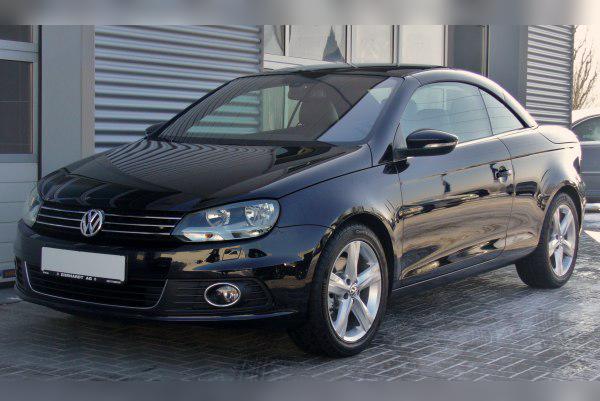
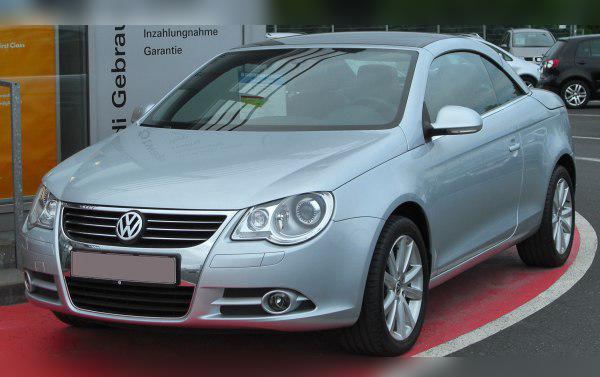
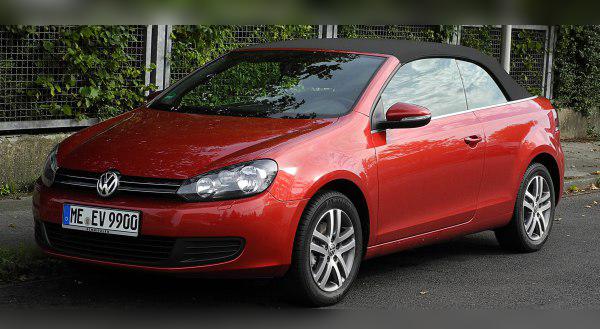
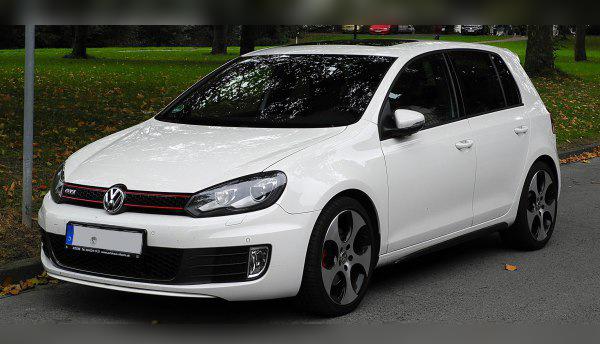
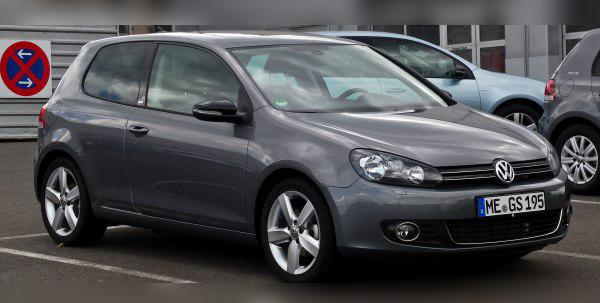
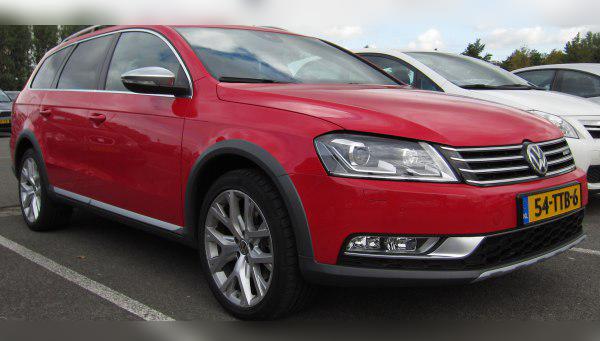
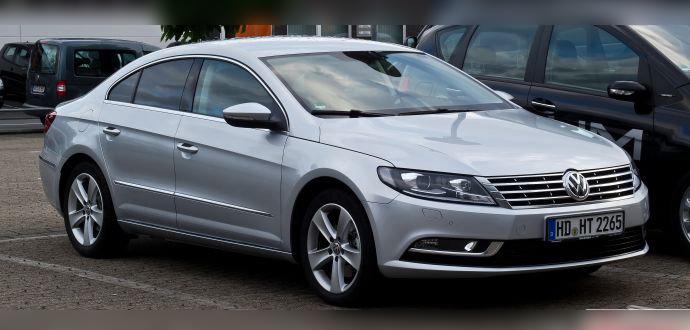
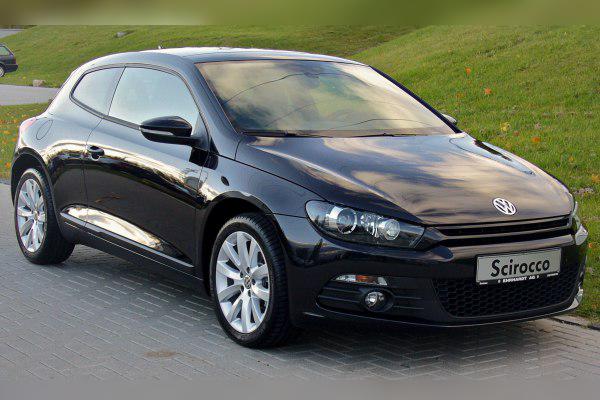
2.0 TSI (CCZB) – Experiences, issues, fuel consumption and used car buying guide
If you’re looking for the heart of a true early-2010s hot hatch, there’s a good chance you’re staring at the engine code CCZB. This is the engine that defined the Golf 6 GTI, but it also found its place in the sleek Passat CC and the sporty Scirocco. It belongs to the famous (and sometimes infamous) EA888 Gen 2 engine family. This unit offers fantastic performance and huge tuning potential, but it comes with specific maintenance “baggage” you must not ignore if you don’t want your bank account emptied overnight.
Key points in short (TL;DR)
- Performance: Explosive engine, great torque and linear power delivery. It doesn’t feel “lazy” in any body style.
- Biggest weakness: Timing system. The timing chain and chain tensioner are critical points that can lead to catastrophic engine failure.
- Oil consumption: A common issue on EA888 Gen 2 engines due to piston ring and piston design.
- Gearbox: Comes with an excellent manual or the legendary DSG (DQ250) dual-clutch with wet clutch packs.
- Tuning potential: Huge. A Stage 1 remap easily wakes it up to over 250 hp.
- Recommendation: Only buy cars with proof of a replaced timing chain (newer revision) and regular servicing.
Contents
- Technical Specifications
- Reliability and Maintenance
- Specific Parts and Costs
- Fuel Consumption and Performance
- Additional Options and Modifications
- Gearbox (Manual and DSG)
- Buying Used and Conclusion
Technical Specifications
| Parameter | Data |
|---|---|
| Engine code | CCZB (EA888 Gen 2) |
| Displacement | 1984 cc (2.0 L) |
| Power | 155 kW (210 hp) @ 5300 rpm |
| Torque | 280 Nm @ 1700–5200 rpm |
| Configuration | Inline 4-cylinder, 16 valves |
| Fuel injection | Direct injection (TSI/FSI) |
| Forced induction | Turbocharger (BorgWarner K03) + intercooler |
| Emissions standard | Euro 5 |
Reliability and Maintenance
When talking about the CCZB engine, the conversation has to start with the timing system. This engine uses a timing chain, not a belt. In theory, a chain should last “forever”, but in practice, with VW Group engines from this era, it’s the weakest link. The problem isn’t just chain stretch, but the hydraulic chain tensioner. Older tensioner revisions are prone to failing, which leads to the timing jumping and pistons hitting the valves. Symptoms include rattling on cold start (a sound like “crushing nuts”) or the “Check Engine” light coming on. If you’re buying this engine, immediately check whether the latest tensioner revision has been installed.
Oil consumption is the second sore point. Due to thin oil control rings (designed for less friction and lower fuel consumption), these engines tend to “drink” oil. Although VW states in the manual that up to 0.5 liters per 1,000 km is “normal”, in reality that’s a sign that the rings or valve stem seals are due for replacement. In addition, the PCV valve (oil vapor separator) often fails, which can cause rough idle and increased oil consumption.
The major service on a chain-driven engine doesn’t have a fixed interval like a belt, but in practice the chain and related components should be thoroughly inspected at around 100,000 to 120,000 km. If you hear any noise, it must be replaced immediately. A full chain kit is (depends on market) moderately expensive, but far cheaper than a full engine rebuild.
As for the minor service, the engine takes approximately 4.6 to 4.7 liters of oil. A viscosity grade of 5W-30 or 5W-40 is recommended (5W-40 is preferable for higher-mileage engines or those driven hard), meeting VW 502.00 / 504.00 specs. Ignore “Long Life” 30,000 km intervals. On this engine, change the oil every 10,000 to 12,000 km at most. The turbocharger runs hot, and old oil forms deposits (coking) that are deadly for this engine.
Since this is a high-performance petrol engine, the spark plugs play a key role. Replacement is recommended every 60,000 km. However, if the car is remapped (“chipped”) or driven aggressively, that interval should be halved to 30,000 km, and “colder” plugs should be used (e.g. NGK BKR7EIX).
Specific Parts (Costs)
Entering the world of GTI performance also means slightly more expensive parts. Here’s what you need to know:
- Dual-mass flywheel: Yes, the CCZB engine uses a dual-mass flywheel, regardless of whether it’s paired with a manual or DSG gearbox. On DSG cars it often lasts longer, but once you start hearing it (metallic knocking at idle that disappears when you rev the engine), replacement is mandatory. The price is (depends on market) in the “expensive” category.
- Fuel injection system: This is a TSI engine with direct injection. The injectors are generally durable, but direct injection has a side effect: fuel does not “wash” the intake valves. This leads to carbon buildup on the intake valves, which chokes the engine, reduces power and increases fuel consumption. Cleaning the intake ports (“walnut blasting”) is recommended every 80,000–100,000 km.
- Turbocharger: The engine uses a single BorgWarner K03 (or IHI variant depending on year/market) turbocharger. It’s very responsive and generally reliable if the engine is not shut off immediately after hard driving. A common failure point is the Diverter Valve (DV) – the valve that regulates boost pressure. The factory unit has a rubber diaphragm that tears. Upgrading to the piston-type (newer revision) solves the problem permanently.
- Emissions (DPF/EGR/AdBlue): Fortunately, the CCZB is a petrol engine from the Euro 5 era. It does not have a DPF (GPF filters only appeared years later), and does not use AdBlue. It does have an oil vapor recirculation system that can mimic EGR-like issues, but a classic EGR valve clogging up like on diesels is not the main concern here. The main worry on the exhaust side is the catalytic converter, which can fail if the engine burns a lot of oil.
- Intake manifold: A specific issue is the flap mechanism in the intake manifold (runner flaps). The plastic wears out or the position sensor fails, which requires replacement of the entire intake manifold. Cost: (depends on market) moderately expensive.
Fuel Consumption and Performance
Don’t buy a 2.0 TSI if fuel consumption is your primary concern, but the engine is surprisingly efficient considering its power.
City driving: In heavy urban traffic, expect 10 to 13 liters/100 km. If you have a heavy right foot, this figure easily climbs to 15 liters. The DSG gearbox can help slightly reduce consumption if driven in “D” mode, but the difference is minimal.
Motorway and highway: This is where the CCZB shines. On open roads, fuel consumption can drop to 7 to 8 liters/100 km. At 130 km/h in sixth gear (manual or DSG), the engine spins at a comfortable 2,800–3,000 rpm. The cabin is quiet, and there’s always plenty of power in reserve for overtaking without needing to downshift.
Is the engine “lazy”? Absolutely not. With 280 Nm available from just 1,700 rpm, the car pulls from low revs almost like a diesel, yet continues to pull linearly all the way to the redline. In a Golf or Scirocco this is a real rocket. Even in the heavier Passat CC or Passat Alltrack with 4Motion, the engine copes with the weight without any issues, delivering an agile feel.
Additional Options and Modifications
LPG (Autogas): Can it be fitted? Yes. Is it advisable? Conditionally. Due to direct injection, a special kit (Direct Injection Kit) is required. There are two types: one that uses 80–90% LPG and 10–20% petrol to cool the petrol injectors, and a (much more expensive) liquid LPG injection system that uses the petrol injectors themselves. Installation is very expensive (depends on market) and only pays off if you cover very high annual mileage.
Chiptuning (Stage 1): This engine is every tuner’s dream. The stock 210 hp is very conservative. With just a software remap (Stage 1), without any mechanical changes, you can safely get 250 to 260 hp and over 350–380 Nm of torque. The engine handles this increase very well, provided the chain is in good condition and maintenance is kept up to date.
Gearbox
The CCZB engine comes with two gearbox options, and both are excellent, but require attention:
- Manual gearbox (6-speed): Precise, with a short throw. Failures are rare. The most common expense is a clutch kit which, depending on driving style, lasts from 100,000 to 200,000 km. If you plan on remapping, the stock clutch will start slipping quickly.
- DSG gearbox (6-speed – DQ250): This is a gearbox with a wet clutch (clutch packs are bathed in oil). It is much more reliable and durable than the notorious DQ200 (dry 7-speed) used in lower-powered models.
- Maintenance: Oil and filter in the DSG must be changed every 60,000 km. This is not a recommendation, it’s a rule. The cost is (depends on market) moderately high, but still cheaper than repairs.
- Failures: If the oil is not changed, the mechatronics unit (the gearbox “brain”) fails, and repairs fall into the “very expensive” category. Also, the flywheel becomes noisy when it’s nearing the end of its life.
Buying Used and Conclusion
When buying a car with the CCZB engine, forget about wheels and cosmetic upgrades. Focus on:
- Cold start: Insist that the engine is completely cold. Start it and listen. Any rattling lasting longer than 1–2 seconds points to an issue with the chain/tensioner.
- Exhaust smoke: Have someone rev the engine while you watch the exhaust. Bluish smoke or excessive black soot on the exhaust tips indicates oil consumption.
- Idle quality: The engine should idle smoothly. Shaking can indicate a problem with the PCV valve, injectors, or valve deposits.
Conclusion: The VW 2.0 TSI (CCZB) is a fantastic driver’s engine. It puts a smile on your face every time you press the throttle and has that genuine GTI character. However, it’s not for those who just want to “fill up and drive” without maintenance. It’s aimed at enthusiasts who are willing to proactively replace the timing chain, regularly check oil levels and shorten service intervals. If you’re that type of driver, this engine will reward you with a top-tier driving experience.
Was this content useful to you?
Your opinion helps us to improve the quality of the content.