CBAB Engine
- Engine
- 1968 cm3
- Aspiration
- Turbocharger, Intercooler
- Fuel
- Diesel
- Fuel injection system
- Diesel Commonrail
- Power
- 140 hp @ 4200 rpm
- Torque
- 320 Nm
- Cylinders
- 4
- Valves
- 16, 4 per cylinder
- Cylinders position
- Inline
- Valvetrain
- DOHC
- Oil capacity
- 4.3 l
- Coolant
- 8 l
- Systems
- Start & Stop System, Particulate filter
# Vehicles powered by this engine
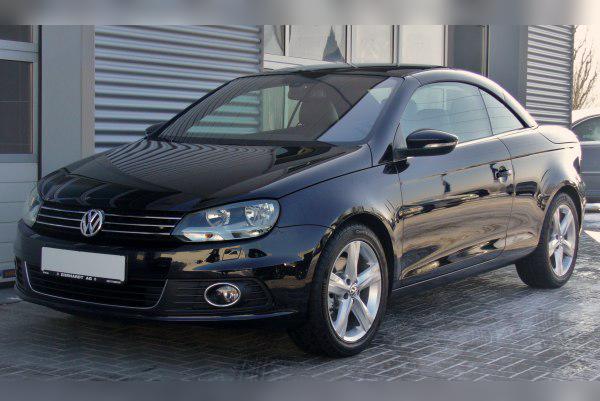
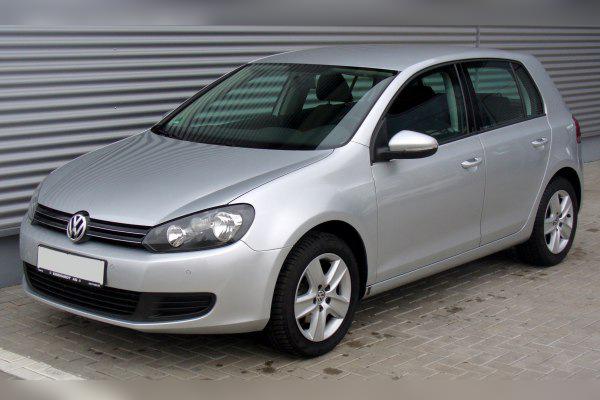
VW 2.0 TDI CBAB experiences, problems, fuel consumption, used car buying guide
Key points (TL;DR)
- Big improvement: CBAB belongs to the first generation of Common Rail (EA189) engines that replaced the noisy Pumpe-Düse units. It is much quieter and more refined.
- Fuel consumption: Extremely economical, especially in BMT (BlueMotion Technology) versions with start-stop system.
- Main drawback: Issues with the intake manifold flap actuator (P2015 fault code) and the EGR valve.
- Oil pump: Although better than on the old 2.0 TDI PD engines, the hexagonal shaft of the oil pump can still round off at high mileage.
- Gearboxes: Pairs very well with both manual and DSG gearboxes, but DSG requires strict maintenance.
- Recommendation: One of the best 2.0 diesels of that era, an ideal balance of power and durability if properly maintained.
Contents
- Introduction and Models
- Technical Specifications
- Reliability and Maintenance
- Specific Parts and Costs
- Fuel Consumption and Performance
- Additional Options and Tuning
- Gearbox (Manual and DSG)
- Buying Used and Conclusion
Introduction: CBAB – A modern VW Group classic
The CBAB engine marks a turning point for Volkswagen. It is one of the first mass-produced 2.0 TDI engines with Common Rail injection (EA189 family). Unlike its predecessors (such as the notorious BKP engine) that used the unit injector system and suffered from cracked cylinder heads, CBAB brought smoother operation, more linear power delivery and better reliability.
It was primarily installed in the Golf 6 and the facelifted Eos (from 2010), often in combination with the BMT (BlueMotion Technology) label, which means the vehicle is equipped with brake energy recuperation and a Start-Stop system for fuel saving.
Technical Specifications
| Specification | Data |
|---|---|
| Displacement | 1968 cc |
| Power | 103 kW (140 hp) at 4200 rpm |
| Torque | 320 Nm at 1750–2500 rpm |
| Engine code | CBAB (EA189 series) |
| Injection system | Common Rail (piezo injectors) |
| Charging | Turbocharger with variable geometry (VGT) + intercooler |
| Emission standard | Euro 5 |
Reliability and Maintenance
Timing belt or chain?
The CBAB engine uses a timing belt for the valvetrain. This is good news because the system is quieter and generally more predictable than the chains from that period. When replacing the timing belt, the water pump, as well as all tensioners and rollers, must be replaced too.
Major service
The manufacturer often states optimistic intervals of 180,000 km or even 210,000 km for belt replacement. However, based on workshop experience and material aging, the recommendation is to do the major service at a maximum of 150,000 km or every 5 years, whichever comes first. A snapped belt leads to piston-to-valve contact, which is a catastrophic failure that often requires a replacement engine.
Oil: Capacity and consumption
The engine takes approximately 4.0 to 4.3 liters of oil (always buy 5 liters). Due to the presence of a DPF filter, it is mandatory to use oil that meets the VW 507.00 specification. The recommended viscosity is 5W-30.
Oil consumption on a healthy CBAB engine is minimal. However, VW tolerates up to 0.5 liters per 1,000 km in the owner’s manual (to cover themselves), but in practice, if the engine consumes more than 0.5–1 liter between two minor services (every 10–15 thousand km), this may indicate issues with piston rings or the turbocharger.
Injectors
Unlike the older PD elements, CBAB uses Bosch piezo-electric injectors. They have proven to be very durable and reliable, often lasting over 300,000 km without overhaul. However, they are sensitive to poor fuel quality. The first symptoms of failure are rough idle and increased smoke under hard acceleration.
Most common failures
- Intake manifold (P2015 fault): The plastic stop on the intake manifold flap motor wears out. The engine throws a fault code, and the repair is often done by installing a small aluminum “fix” bracket (cheap) or by replacing the entire manifold (expensive).
- Hexagonal oil pump shaft: Although the issue is less common than on 2.0 TDI PD engines, it still exists. The shaft that drives the oil pump can wear out, leading to loss of oil pressure. The recommendation is preventive replacement of this shaft (which is inexpensive) during a major service at mileages over 200,000 km.
- Thermostat: It often sticks open, so the engine struggles to reach operating temperature in winter, which increases fuel consumption and prevents proper DPF regeneration.
Specific Parts (Costs)
Dual-mass flywheel
Yes, all models with the CBAB engine (both manual and DSG) have a dual-mass flywheel. Its lifespan is usually between 180,000 and 250,000 km, depending on driving style. Symptoms of failure are a metallic “clunk-clunk” sound when switching the engine off and vibrations in the clutch pedal. Replacement is expensive (varies by market).
Turbocharger
The engine uses a single turbocharger with variable geometry (VGT). Service life is long if the oil is changed regularly and the engine is not switched off immediately after hard driving. Overhaul is possible and the cost is moderate. Symptoms of failure include a characteristic “siren-like” whine or the engine going into safe mode during overtaking.
EGR and DPF
This engine is equipped with both an EGR valve and a DPF filter.
EGR: The EGR cooler is a common weak point – coolant can leak into the engine or the valve can get stuck due to soot buildup.
DPF: On cars driven exclusively in the city, the DPF can clog as early as 150,000 km. Symptoms are frequent regenerations (elevated idle at about 1000 rpm, radiator fans running) and a warning light on the dashboard. Regular driving on open roads is key to long DPF life.
AdBlue
The CBAB engine in the Golf 6 and Eos (Euro 5 standard) usually does not have an AdBlue system. It relies solely on a sophisticated EGR and DPF system for exhaust gas treatment. This is an advantage because you have one less system to maintain (no AdBlue tank heaters, pumps, etc.).
Fuel Consumption and Performance
Is the engine “lazy”?
Absolutely not. With 320 Nm of torque available from just 1750 rpm, the CBAB copes very well with the Golf 6 body, and even with the heavier Eos (due to the roof mechanism). In-gear acceleration is strong and overtaking is safe.
Real-world fuel consumption
- City driving: Expect between 6.5 and 8.0 l/100 km. The Start-Stop system (BMT) helps in traffic jams, but a heavy right foot will increase consumption.
- Country roads: On secondary roads, consumption drops to 4.5 to 5.0 l/100 km.
- Motorway: At 130 km/h in 6th gear, the engine spins at around 2200–2400 rpm (depending on gearbox) and uses about 5.5 to 6.0 l/100 km.
Additional Options and Modifications
Chip tuning (Stage 1)
The CBAB responds very well to remapping. The stock 140 hp is deliberately limited. A safe Stage 1 tune raises power to around 170–180 hp and torque to about 390–400 Nm.
Note: Before remapping, the clutch and flywheel must be in perfect condition, because the increased torque will quickly finish off any already worn components.
Gearbox
Options and maintenance
Two gearbox variants are offered with the CBAB:
- 6-speed manual: Very precise and durable. The only maintenance is an oil change (recommended at 100,000 km, even though VW claims it is “lifetime”) and replacement of the clutch and flywheel set when worn.
- 6-speed DSG (DQ250): This is an automatic gearbox with a dual wet clutch. It is much more reliable than the 7-speed “dry” DSG used with lower-powered engines.
- DSG maintenance: Mandatory oil and filter change every 60,000 km. If this is skipped, the mechatronics unit can fail, and it is very expensive to repair (varies by market).
Buying Used and Conclusion
What to check before buying?
- Cold start: The engine should fire up instantly. Long cranking may indicate problems with the battery, starter or injectors.
- Diagnostics: Check DPF saturation (soot mass) and injector corrections. Also look for the P2015 fault code (intake).
- Shutdown noise: If the car shakes or bangs when you switch it off, prepare money for a new flywheel.
- Coolant: Check for coolant loss (possible issue with the EGR cooler).
Conclusion
The CBAB engine is an excellent choice. It represents the “golden mean” of the modern diesel era before emission systems became overly complicated (AdBlue). It is powerful enough for the Eos and Golf VI, very economical and, with proper maintenance (especially the major service and attention to the oil pump), it can cover huge mileages. If you are choosing between this engine and the older PD versions, CBAB is the clear winner.
Was this content useful to you?
Your opinion helps us to improve the quality of the content.