CBAB, CFFB Engine
- Engine
- 1968 cm3
- Aspiration
- Turbocharger, Intercooler
- Fuel
- Diesel
- Fuel injection system
- Diesel Commonrail
- Power
- 140 hp @ 4200 rpm
- Torque
- 320 Nm @ 1750 rpm
- Cylinders
- 4
- Valves
- 16, 4 per cylinder
- Cylinders position
- Inline
- Valvetrain
- DOHC
- Oil capacity
- 4 l
- Coolant
- 8 l
- Systems
- Particulate filter
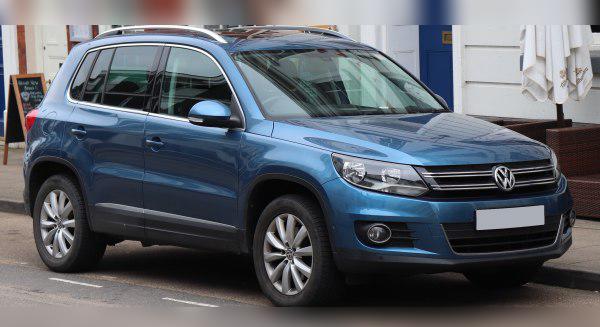
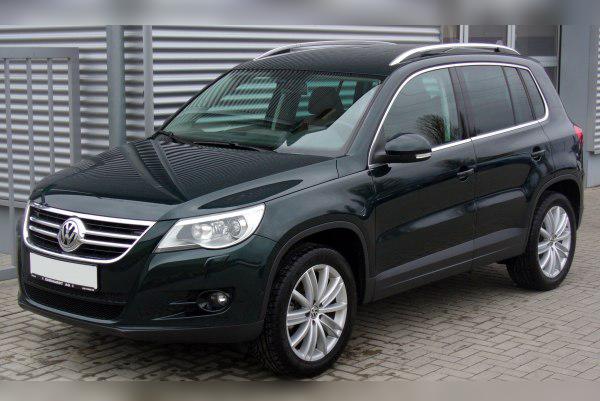
# Vehicles powered by this engine
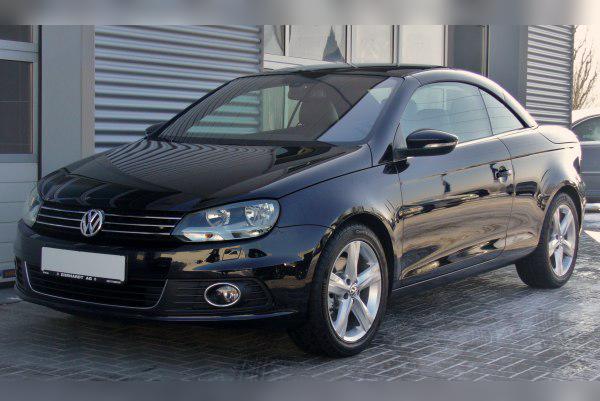
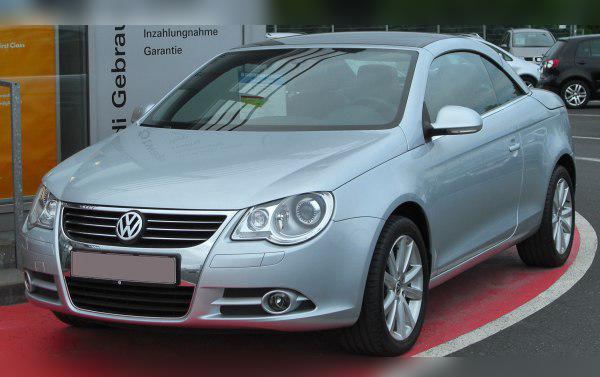
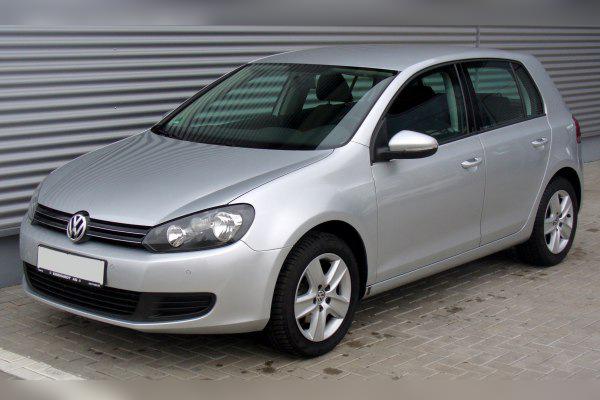
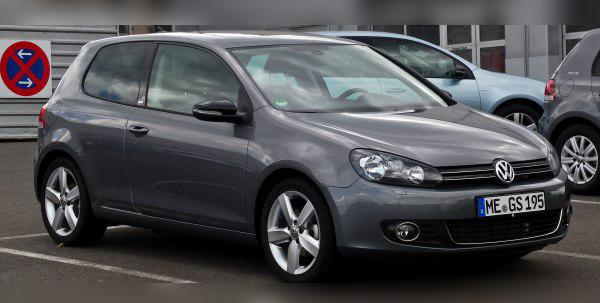
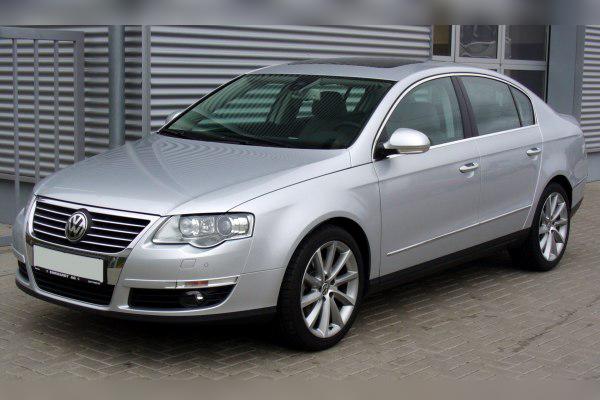
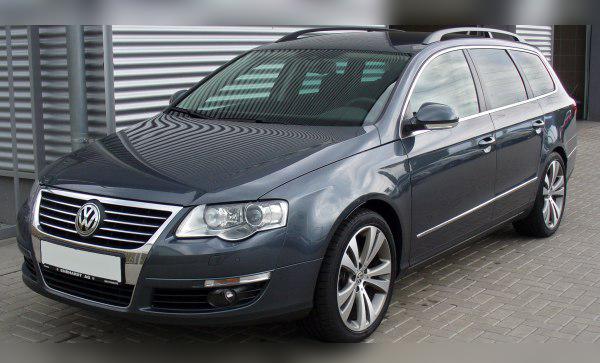
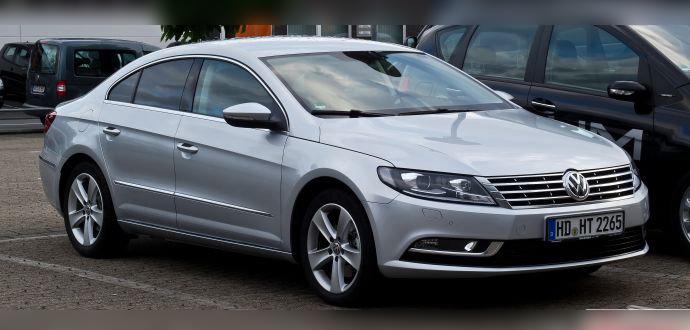
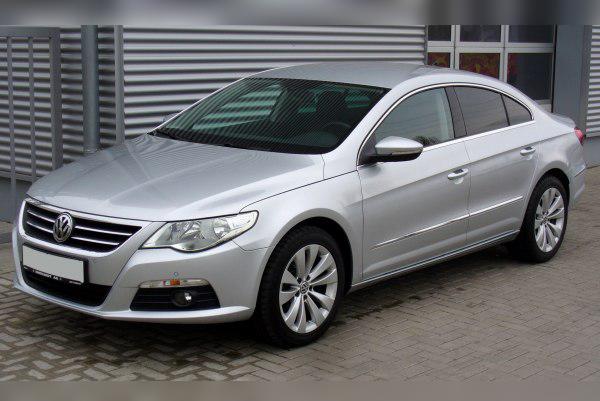
VW 2.0 TDI Common Rail (CBAB, CFFB): Experiences, problems, fuel consumption and maintenance
Key points (TL;DR)
- Huge step forward: These are the first Common Rail (CR) engines that replaced the problematic "Pumpe-Düse" (PD) units. They are much quieter and more reliable.
- Oil pump shaft: Although better than on older models, the famous hexagonal shaft ("pencil") can still round off at high mileage.
- EGR valve and intake manifold: Fault code P2015 related to the intake manifold flaps and EGR clogging in city driving is very common.
- Fuel consumption: Extremely economical engine, ideal for highway driving.
- Gearbox: Comes with an excellent manual or DSG gearbox, but DSG requires strictly regular maintenance.
- Recommendation: Definitely a "Buy", but with a mandatory check of the DPF and dual-mass flywheel condition.
Contents
- Technical specifications
- Reliability and maintenance
- Specific parts (costs)
- Fuel consumption and performance
- Additional options and modifications
- Gearbox (manual and DSG)
- Buying used and conclusion
The 2.0 TDI engine with 140 horsepower, under the codes CBAB and CFFB, represents a turning point for the Volkswagen Group. After a series of issues with the old Pumpe-Düse technology (cracking cylinder heads, bad injectors), VW switched in 2008/2009 to the Common Rail injection system. These engines are the "heart" of the used car market in Europe today, powering everything from the Golf VI to the Passat CC and Tiguan. As someone who has spent years under the bonnet of these cars, I can say these are the engines that restored trust in the TDI badge, but they are not without quirks you need to know about before buying.
Technical specifications
| Parameter | Value |
|---|---|
| Engine displacement | 1968 ccm (2.0 L) |
| Power | 103 kW (140 hp) |
| Torque | 320 Nm at 1750–2500 rpm |
| Engine codes | CBAB, CFFB (most common 1st and 2nd gen CR) |
| Injection system | Common Rail (Bosch system) |
| Charging | Turbocharger with variable geometry (VGT) + intercooler |
| Number of valves | 16 (DOHC) |
Reliability and maintenance
Does this engine use a timing belt or a chain?
These engines use a timing belt. This is good news because the system is quieter and generally more predictable than the chains from that period (which caused problems on TSI petrol engines). During the major service, the belt, tensioners, rollers and the water pump must all be replaced.
What are the most common failures on this engine?
Although more reliable than its predecessors, CBAB and CFFB have their own weak points:
- Hexagonal oil pump shaft ("pencil"): Although the issue is less frequent than on the Passat B6 (PD engines), it still happens that the edges of this shaft round off at high mileage (over 200–250k km). The symptom is an instant loss of oil pressure. If the engine is not switched off immediately, the turbo fails first, followed by the entire engine. Preventive replacement or overhaul of the oil pump is recommended.
- Intake manifold flaps (swirl flaps): A common problem is fault code P2015. The plastic stop on the flap actuator wears out, so the actuator travels "too far" to the end position. The symptom is the "Check Engine" light. There are repair kits (aluminium stops) that permanently solve this cheaply.
- Thermostat (especially on DSG models): If the engine struggles to reach the operating temperature of 90°C or the temperature drops on the highway, the thermostat is the issue. DSG models often have a second, "inline" gearbox thermostat which can also be the cause.
At what mileage should the major service be done?
The factory recommendation is often an optimistic 180,000 km or 210,000 km (for newer CFFB). However, practice and mechanic experience say the major service should be done at no more than 150,000 km or 5 to 6 years of age. The risk of belt failure or water pump leakage is not worth waiting for the factory interval.
How many litres of oil does this engine take and which grade is recommended?
The engine takes approximately 4.0 to 4.3 litres of oil (with filter). You must use 5W-30. The most important thing is that the oil must meet the VW 507.00 specification. This is a "Low SAPS" oil which is crucial for preserving the DPF. Using the wrong oil will quickly clog the DPF.
Does it consume oil between services and what amount is considered normal?
Common Rail engines are significantly "tighter" than the old PD engines and consume less oil. Still, it is normal for the engine to consume 0.5 to 1 litre of oil per 10,000–15,000 km, especially if driven aggressively on the motorway. If it consumes more than that, the turbo or leaks should be checked.
How long do the injectors last and how reliable are they?
Unlike the Siemens piezo injectors on the old 2.0 TDI (BKP), these use Bosch Common Rail injectors (electromagnetic or piezo, depending on version). They have proven to be extremely durable. It is not uncommon for them to exceed 300,000 km without overhaul. Symptoms of bad injectors are rough idle, increased smoke under acceleration or hard starting.
Specific parts (costs)
Does this engine have a dual-mass flywheel?
Yes, all models with this engine (both manual and DSG) have a dual-mass flywheel (DMF). This is a wear item. Its lifespan is usually between 150,000 and 200,000 km, depending on driving style. Symptoms are metallic knocking when starting/stopping the engine and vibrations at idle that can be felt through the seat.
What kind of injection system does it have?
As mentioned, it uses a Bosch Common Rail system. The high-pressure pump (CP4 on newer versions) can be sensitive to poor fuel quality, so it is recommended to refuel at reputable stations and to replace the fuel filter regularly.
Does the engine have a turbocharger and what is its lifespan?
The engine has a single turbocharger with variable geometry (VGT). The turbo itself is generally robust. The most common problem is not the turbo, but the vacuum actuator that controls the geometry. Its membrane tears, the car loses power and goes into "safe mode" at higher revs. With regular oil changes and proper cool-down after fast driving, the turbo will last as long as the engine.
Does this model have a DPF filter or EGR valve?
Yes, all CBAB and CFFB engines come with a DPF filter and EGR valve.
EGR valve: It often gets clogged with soot, causing the engine to choke. On CFFB engines, the EGR is integrated with the exhaust gas cooler and is located at the back of the engine, which makes replacement complicated and expensive (depending on the market, but expect a few hundred euros).
DPF filter: It is sensitive to city driving. If you drive only in the city, the warning light will often come on. It needs to be regularly "blown out" on the open road.
Does this engine have AdBlue?
Most models from the 2008–2011 period (Golf 6, early Passat B6) do not have AdBlue. However, models with the BlueTDI badge (often Passat CC, Sharan or later imported Passat B7 models) are equipped with an AdBlue (SCR) system to meet stricter standards (forerunner of Euro 6).
Problems: The most common failure in the AdBlue system is the heater in the AdBlue tank. It often fails and, since it is integrated into the module, the repair is expensive (replacement of the entire module or tank). Maintenance only involves topping up the fluid.
Fuel consumption and performance
What is the real fuel consumption in city driving?
Depending on vehicle weight (the Golf is lighter than the Passat or Tiguan):
Golf VI: 6.0–7.0 l/100 km.
Passat / CC: 7.0–8.0 l/100 km.
Tiguan (4MOTION): 8.0–9.5 l/100 km (due to aerodynamics and drivetrain).
In winter and heavy traffic, these figures can be higher by about one litre.
Is this engine “lazy” for the weight of the body?
Absolutely not. With 320 Nm of torque available from just 1750 rpm, this engine copes very well with the Passat body, and even the Tiguan. In the Golf VI, this engine offers almost sporty performance for everyday driving. In-gear acceleration is excellent, making overtaking safe.
What is the engine like on the motorway and at what revs does it cruise at 130 km/h?
This is the natural habitat of this engine. In 6th gear (manual or DSG), at 130 km/h, the engine runs at around 2,200 to 2,400 rpm. This means the cabin is quiet and fuel consumption is minimal (around 5.0–5.5 l/100 km).
Additional options and modifications
How far can this engine be safely tuned (Stage 1)?
2.0 TDI CR engines respond very well to remapping (chip tuning). A safe Stage 1 raises power from 140 hp to about 170–180 hp, and torque to 380–400 Nm.
Note: Increasing power shortens the lifespan of the clutch and dual-mass flywheel. If these components are already near the end of their life, tuning will finish them off.
Gearbox
Which manual and automatic gearboxes are fitted?
- Manual: 6-speed gearbox. Precise, robust.
- Automatic: 6-speed DSG (code DQ250). This is a gearbox with "wet" clutches.
What are the most common failures?
Manual: Almost indestructible. The only major expense is the clutch kit and dual-mass flywheel.
DSG (DQ250): Although excellent, it has two weak points:
1. Mechatronics unit: The brain of the gearbox. If the channels get clogged due to old oil, repair is very expensive.
2. Dual-mass flywheel: DSG has it too! You often hear rattling at idle (like someone shaking a bucket of bolts).
How much does clutch replacement cost?
This is an expensive item. Replacing the clutch kit with dual-mass flywheel (LUK or Sachs) costs from 450 to 800 EUR (depending on the market and labour). On DSG gearboxes, replacement of the flywheel is similarly priced, while servicing the clutches (friction plates inside the gearbox) is rarely needed before very high mileage.
At what mileage does the gearbox need servicing?
Manual: VW says the oil is "lifetime", but it is recommended to change it at 150,000 km.
DSG: It is MANDATORY to change the gearbox oil and filter every 60,000 km. If you buy a car without proof this has been done, you risk a failure costing 1000+ EUR.
Buying used and conclusion
Before buying a used car with a CBAB or CFFB engine, pay attention to:
- Cold start: Listen for metallic knocking (flywheel) and check whether the engine runs smoothly immediately after starting (injectors).
- Diagnostics: Check DPF saturation (soot mass) and injector corrections.
- Coolant colour: It must be clean and pink (G12/G13). If it is dirty, it may indicate an issue with the oil cooler or cylinder head (less common on CR engines, but possible).
Conclusion: The VW 2.0 TDI (140 hp) Common Rail is one of the best all-round engines of its generation. It offers an ideal balance of power, low fuel consumption and longevity. If you find a car with a well-documented service history (especially for DSG) and you are willing to proactively sort out the oil pump shaft, this engine will serve you faithfully for hundreds of thousands of kilometres. It is an ideal purchase for drivers who cover a lot of distance on the open road.
Was this content useful to you?
Your opinion helps us to improve the quality of the content.