CCRA Engine
- Engine
- 1598 cm3
- Aspiration
- Naturally aspirated engine
- Fuel
- Petrol / Ethanol - E85
- Fuel injection system
- Multi-port manifold injection
- Power
- 103 hp @ 5250 rpm
- Torque
- 153 Nm @ 2500 rpm
- Cylinders
- 4
- Valves
- 8, 2 per cylinder
- Cylinders position
- Inline
- Oil capacity
- 4 l
# Vehicles powered by this engine
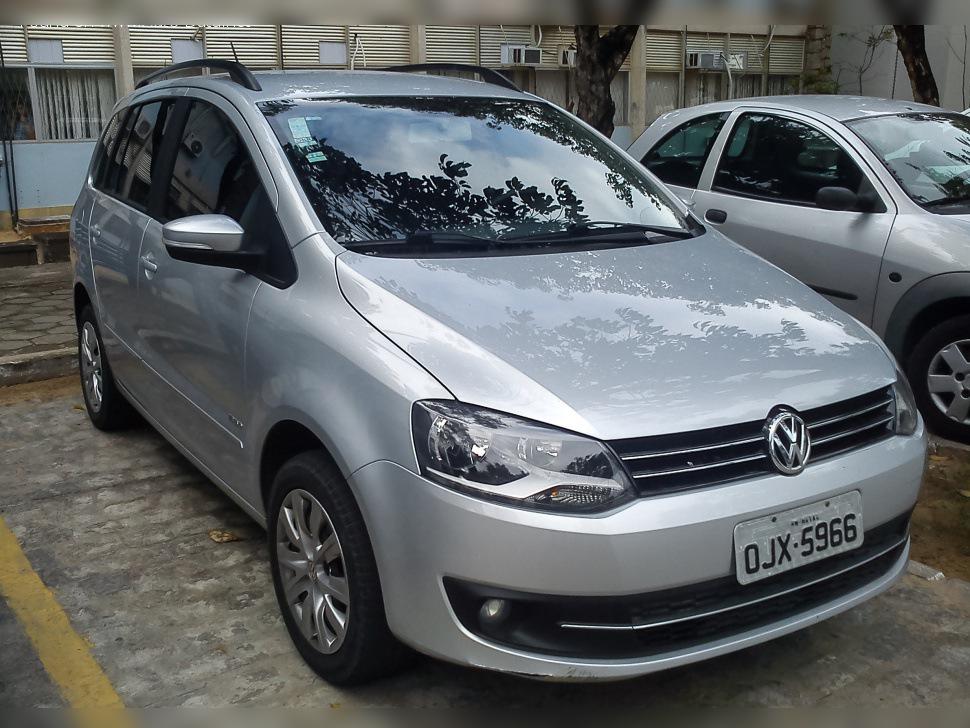
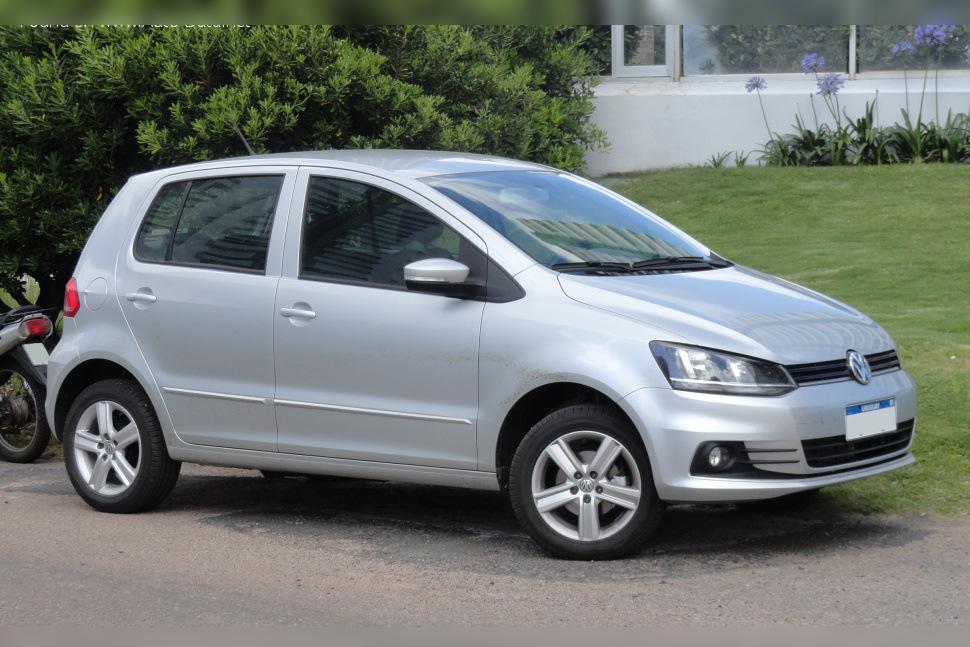
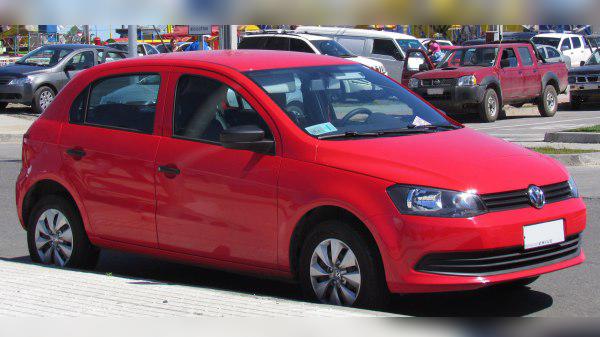
Key points (TL;DR)
- Proven technology: The CCRA is a classic naturally aspirated 1.6 engine (EA111 family), simple in design and cheap to maintain.
- Total Flex specifics: Designed to run on gasoline and ethanol (E85), which is standard for South American markets, but it also runs perfectly on pure gasoline.
- The gearbox is the critical point: If paired with the I-Motion (automated) gearbox, expect jerking and potentially expensive robot repairs. The manual gearbox is excellent.
- Fuel consumption: Not a fuel economy champion. In the city it likes to drink, especially when running on ethanol.
- Ideal for LPG: Due to its indirect injection, this engine is a perfect candidate for LPG conversion.
- Performance: Great low-end torque (hence the VHT – Volkswagen High Torque – badge), but it runs out of breath on the highway.
- Recommendation: Buy a car with a manual gearbox and you’ll have a “workhorse” that can cover hundreds of thousands of kilometers with minimal investment.
Contents
VW 1.6 CCRA (EA111) Experiences, issues, fuel consumption and maintenance
The engine with the code CCRA belongs to the legendary, but also somewhat dated, Volkswagen EA111 engine family. Although TSI engines were already dominant in Europe at that time, for developing markets (such as South America, where the Fox and Gol are absolute kings of the streets), VW kept this robust, simple unit. It is a 1.6-liter 8-valve engine, factory-adapted to run on both gasoline and ethanol (Flex Fuel).
This engine is important because it represents the “golden middle ground” between old, indestructible engines and modern torque demands. It’s not as refined as the European 1.6 TDI or 1.2 TSI, but it is far more resistant to poor fuel quality and negligent maintenance, which makes it a favorite among taxi drivers and delivery fleets.
Technical specifications
| Parameter | Value |
|---|---|
| Engine displacement | 1598 ccm (1.6 l) |
| Power | 76 kW (103 hp) – Usually slightly more on ethanol |
| Torque | 153 Nm at 2500 rpm |
| Engine code | CCRA (EA111 family) |
| Injection type | MPI (Multi Point Injection) – Indirect |
| Valve system | SOHC (Single camshaft), 8 valves |
| Induction | Naturally aspirated |
Reliability and Maintenance
Timing belt or chain?
The CCRA engine uses a timing belt to drive the camshaft. This is important to know because many people confuse this engine with the 1.6 FSI units that had a chain. The system is relatively simple but requires regular attention. The recommendation is to do the major service every 60,000 to 90,000 km, or every 5 years, whichever comes first. If you mostly drive in the city (stop-and-go traffic) or in dusty conditions, stick to the 60,000 km interval. A snapped belt will cause piston-to-valve contact, which is catastrophic for the engine.
Most common failures
Although the engine is generally “indestructible”, it has its weak points:
- Ignition coils: They often fail, which shows up as rough running, vibrations and the “Check Engine” light.
- Thermostat and thermostat housing: The housing is plastic and eventually cracks, causing coolant leaks. Symptoms are engine overheating or coolant loss.
- Oil leaks: Most commonly from the valve cover gasket. You’ll notice it by the smell of burnt oil when it drips onto the exhaust manifold.
- Crankshaft position sensor: Can cause starting issues, especially when the engine is hot.
Oil and Spark plugs
This engine takes between 3.5 and 4.0 liters of oil (depending on whether you also change the filter, which is mandatory). The recommended grade is 5W-40 (VW 502.00 specification). For higher-mileage engines in warmer climates, 10W-40 can also be used.
Oil consumption: EA111 engines are known to “drink” some oil, especially if driven at high revs. Consumption of up to 0.5 liters per 1,000 km is considered “within normal limits” by the factory, but in practice a healthy engine should not consume more than 0.5 to 1 liter between two minor services (every 10,000 km).
Spark plugs: Since this is a Flex Fuel engine, the spark plug replacement interval can be shorter if you run it on ethanol. The recommendation is to replace them every 30,000 to 40,000 km. If you use iridium plugs, the interval can be extended.
Specific Parts (Costs)
Injection system, DPF, EGR and Turbo
This is where we come to the biggest advantage of this engine – simplicity.
- Dual-mass flywheel: This engine DOES NOT HAVE a dual-mass flywheel. It uses a classic solid flywheel, which makes clutch kit replacement much cheaper.
- Turbocharger: The engine is naturally aspirated, so it DOES NOT HAVE a turbocharger. One less worry (no turbo rebuilds, no intercooler issues).
- Injectors (Fuel injection): It uses classic MPI injection into the intake manifold. The injectors are very robust and rarely cause problems. If they clog, cleaning is cheap and simple. There are no expensive high-pressure pumps like on FSI/TSI engines.
- Emissions (DPF, AdBlue): Being a gasoline engine, it DOES NOT HAVE a DPF filter and does not use AdBlue fluid. It has a catalytic converter and an EGR valve. The EGR can get dirty from city driving, but it can often be cleaned without replacement.
Fuel Consumption and Performance
Is the engine “sluggish”?
With 103 hp and 153 Nm of torque, this engine in a VW Fox or Gol body is surprisingly lively. VW tuned it so that 80% of the torque is available already at low revs (hence the VHT – Volkswagen High Torque – name). In city driving, the car “jumps” when you press the throttle and feels very agile. However, things change on open roads.
Behavior on the highway
Because of the short gearing (to make it more responsive in the city), the engine runs at high revs on the highway. At 130 km/h, it spins at around 3,800 to 4,000 rpm in fifth gear. This results in more noise in the cabin and higher fuel consumption. Overtaking on the highway requires dropping to fourth gear and flooring it.
Real-world fuel consumption
Fuel consumption varies greatly depending on the fuel you use (Gasoline or Ethanol):
- City driving (Gasoline): 8.5 – 10.5 l/100 km.
- City driving (Ethanol): 11.0 – 13.5 l/100 km (Ethanol has lower energy density, so consumption is higher).
- Open road (Gasoline): 6.5 – 7.5 l/100 km.
If you expect this small car to sip fuel like a lighter, you’ll be disappointed. The older engine design takes its toll at the pump.
Additional Options and Modifications
LPG conversion
YES, absolutely. The CCRA engine is an ideal candidate for an LPG system. Thanks to the MPI injection system, installation is simple, cheap (“standard” sequential LPG) and the engine handles gas very well. Considering the slightly higher gasoline consumption, LPG pays off very quickly on this engine. You only need to be careful with the plastic intake manifold and install a quality system to avoid backfires.
Chiptuning (Stage 1)
Since this is a naturally aspirated engine, “chipping” is not worth it. The power gain would be in the range of 3 to 5 hp, which is imperceptible in real driving. It’s better to invest that money in quality tires or regular maintenance.
Gearbox
This is the section where you need to pay the most attention when buying.
Manual gearbox (MQ200)
The standard 5-speed manual gearbox is excellent. Precise, light to shift and very reliable. Clutch replacement is cheap (cost depends on the market) because there is no dual-mass flywheel. The gearbox oil is officially “lifetime fill”, but experienced mechanics recommend changing it every 100,000 km (75W-90).
Automatic gearbox (I-Motion / ASG)
CAUTION! Models labeled “Automatic” or “I-Motion” do not actually have a conventional automatic gearbox, but a robotized manual gearbox (ASG). It’s a regular manual gearbox with a robot that operates the clutch and shifts gears instead of you.
Common I-Motion gearbox issues:
- Pronounced jerking when changing gears (the “nodding” effect for passengers).
- Gearbox confusion on uphill starts.
- Failures of the electro-hydraulic unit (robot) are common and repairs are very expensive.
- Faster clutch disc wear than with a manual gearbox.
If you’re buying used, the manual gearbox is by far the safer and cheaper option.
Buying used and Conclusion
Before buying a used vehicle with the CCRA engine, make sure to check:
- Cold start: The engine should start immediately and idle smoothly. Any rattling may indicate issues with hydraulic lifters or pistons (the well-known “piston slap” on cold EA111 engines).
- Oil cap: If you see “mayonnaise” (white emulsion) on the cap and the car is running on ethanol, it can just be condensation, but still check whether it’s losing coolant.
- Gearbox (if it’s I-Motion): Test it on an uphill and from a standstill. If it jerks heavily or hesitates, walk away from that car.
Conclusion
The 1.6 CCRA engine is a workhorse. It’s not refined, it’s not particularly quiet or frugal, but it is cheap to maintain and tolerates abuse from bad roads and poor fuel. It is intended for drivers who value reliability and low service costs more than autobahn performance.
Buy it? YES, if it has a manual gearbox and you plan to install LPG or mostly drive in the city and on regional roads. NO, if you want the comfort of a true automatic or a car for long highway trips.
Was this content useful to you?
Your opinion helps us to improve the quality of the content.