CCRA Engine
- Engine
- 1598 cm3
- Aspiration
- Naturally aspirated engine
- Fuel
- Petrol / Ethanol - E85
- Fuel injection system
- Multi-port manifold injection
- Power
- 101 hp @ 5250 rpm
- Torque
- 151 Nm @ 2500 rpm
- Power ethanol E85
- 104 hp @ 5250 rpm
- Torque ethanol E85
- 153 Nm @ 2500 rpm
- Cylinders
- 4
- Valves
- 8, 2 per cylinder
- Cylinders position
- Inline
- Oil capacity
- 4 l
# Vehicles powered by this engine

VW 1.6 CCRA (Total Flex) engine – experiences, issues, fuel consumption and buying used
Key points (TL;DR)
- Proven “old school” design: CCRA is a simple naturally aspirated engine (EA111 family), which means cheap maintenance and high durability.
- Timing belt drive: The engine uses a timing belt, not a chain, which requires regular replacement but eliminates the risk of expensive chain failures.
- Ideal for LPG: Thanks to port fuel injection, this engine works very well on LPG.
- Gearbox is a weak point (Automatic): If paired with the “I-Motion” gearbox (robotized manual), expect jerky operation and more expensive actuator repairs.
- Fuel consumption: In the city it’s not a fuel-economy champion, especially if driven aggressively.
- Performance: 101 hp is enough for city driving in models such as the Fox or Gol, but it runs out of breath on the highway.
Contents
- Introduction and applications
- Technical specifications
- Reliability and maintenance
- Specific parts (costs)
- Fuel consumption and performance
- Additional options and modifications
- Gearbox and drivetrain
- Buying used and conclusion
Introduction
The CCRA engine is a 1.6‑liter naturally aspirated petrol unit that belongs to Volkswagen’s well-known EA111 family. Although this architecture is very familiar in Europe (through engines such as BSE or BGU), CCRA is a specific variant developed primarily for South American markets (Brazil, Argentina), where it is known as 1.6 Total Flex. Its key feature is the ability to run on any mixture of gasoline and ethanol (E85).
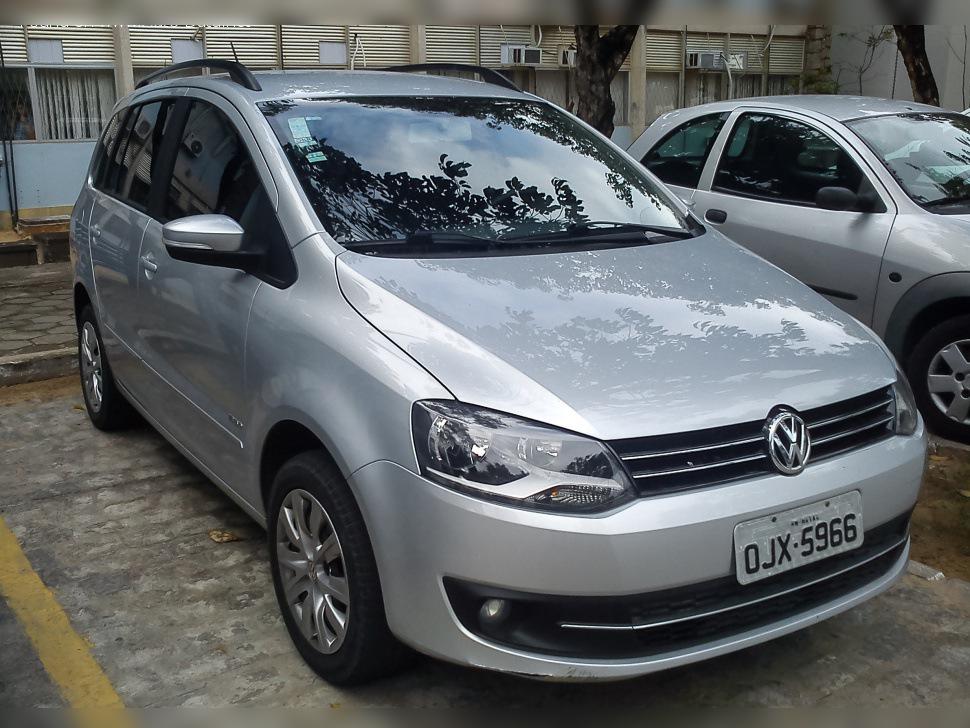
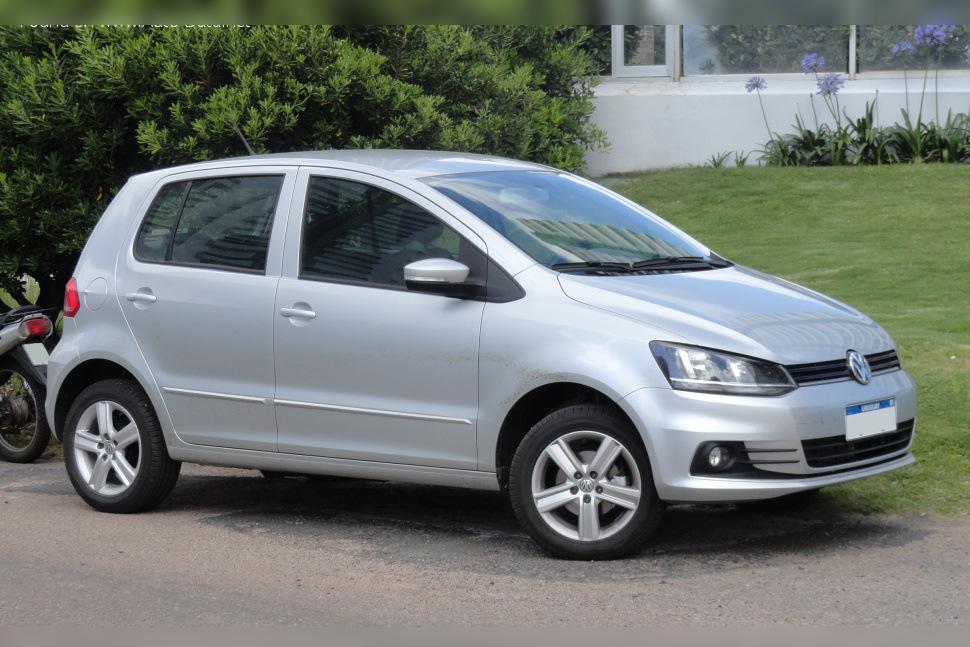
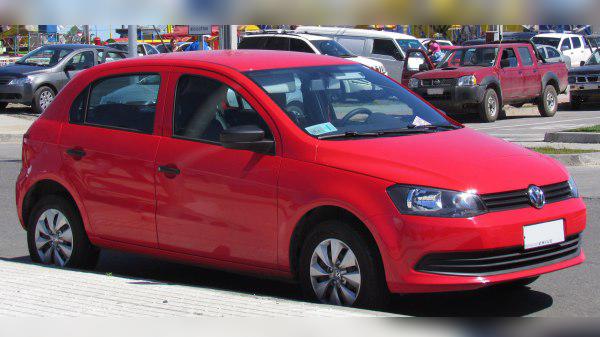
It was installed in popular models such as the VW Fox, SpaceFox (Suran), Gol and Saveiro. For drivers in Europe who encounter imported cars or are looking for parts, it’s important to know that this is a robust “old school” engine – there are no complicated turbochargers or high-pressure direct injection systems. That makes it popular among drivers who want simplicity, but it also brings certain compromises in terms of fuel consumption and modern refinement.
Technical specifications
| Specification | Data |
|---|---|
| Engine displacement | 1598 cc (1.6 L) |
| Power (Gasoline / Ethanol) | 74 kW (101 hp) / 76 kW (104 hp on Ethanol) |
| Torque | 151 Nm at 2500 rpm (approx.) |
| Engine code | CCRA |
| Injection type | MPI (Multi Point Injection) – Port fuel injection |
| Aspiration | Naturally aspirated |
| Number of valves | 8 (2 per cylinder) |
Reliability and maintenance
Timing belt or chain?
The CCRA engine uses a timing belt to drive the camshaft. This is the classic solution for EA111 engines of this generation. Although it requires regular replacement, the system is generally more reliable and quieter than the problematic chains on early TSI engines.
Major service and intervals
It is recommended to perform a major service (replacement of belt, tensioner and water pump) every 60,000 to 90,000 km or every 4–5 years, whichever comes first. Although the manufacturer sometimes specifies longer intervals (up to 120,000 km), considering the quality of parts and driving conditions, shortening the interval is the safest insurance policy for the engine.
Oil: quantity, grade and consumption
This engine takes approximately 3.5 to 4.0 liters of oil (always check the dipstick while filling). The recommended grade is 5W-40 that meets the VW 502.00 specification.
As for oil consumption, these engines are known to “drink” a bit of oil, especially if driven at high revs. Consumption up to 0.5 liters per 1,000 km is considered acceptable by factory standards, although in practice a healthy engine uses significantly less (around 0.5–1 L per 10,000 km). If consumption suddenly increases, the usual culprits are valve stem seals or stuck piston rings.
Spark plugs and ignition coils
Spark plugs should be replaced every 30,000 to 40,000 km (for copper plugs) or up to 60,000 km for higher-quality iridium plugs. A common issue with this engine is ignition coils. Symptoms include rough idle, loss of power and the “Check Engine” light coming on. Fortunately, coil replacement is not expensive.
Most common failures
Besides coils, drivers often encounter:
- Dirty throttle body: Leads to fluctuating idle speed and stalling when coming to a stop. Cleaning and adaptation solve the problem.
- Thermostat and thermostat housing: The plastic housing tends to crack over time, causing coolant leaks.
- Oil leaks from the valve cover: A standard issue on older VW petrol engines.
Specific parts (costs)
Dual-mass flywheel
Good news: In the mentioned models (Fox, Gol, Saveiro) this engine DOES NOT have a dual-mass flywheel. It uses a conventional solid flywheel, which makes clutch kit replacement significantly cheaper.
Fuel injection system and injectors
The CCRA uses a classic MPI system (Multi Point Injection). The injectors are robust, inexpensive and rarely cause problems. They are not as sensitive to poor-quality fuel as injectors on direct-injection engines (FSI/TSI). If they get clogged, they can easily be cleaned ultrasonically.
Turbo, DPF, EGR, AdBlue
This is a naturally aspirated engine, which means it does not have a turbocharger. Also, as a petrol engine, it does not have a DPF filter or AdBlue system.
It is equipped with an EGR valve (exhaust gas recirculation system). It can get clogged with soot, which causes poorer throttle response and higher fuel consumption. Cleaning is possible, but sometimes replacement is necessary (Cost: moderately expensive, depending on the market).
Fuel consumption and performance
Real-world city consumption
Although the engine has a relatively small displacement, it is not particularly economical in heavy city traffic. Expect fuel consumption between 8.5 and 10.5 l/100 km on gasoline. If you use ethanol (where available), consumption increases by about 30%.
Is the engine “sluggish”?
With 101 hp and 151 Nm, the engine is perfectly adequate for lighter bodies such as the VW Fox or Gol. It feels lively off the line thanks to shorter gearbox ratios. However, in the VW Saveiro (pickup), when loaded with cargo, the engine will struggle and require high revs to keep up with traffic.
Highway behavior
This is not an environment where the CCRA shines. Due to the 5-speed gearbox, at 130 km/h the engine spins at around 3,800–4,000 rpm. This results in more noise in the cabin and increased fuel consumption (around 7.5–8.5 l/100 km). Overtaking on the highway requires shifting down to 4th gear and some patience.
Additional options and modifications
LPG conversion
An excellent candidate! Since it has a metal intake manifold (in most versions) and port fuel injection, LPG installation is simple, inexpensive, and the engine runs very well on gas. This is the best way to reduce running costs given the somewhat higher gasoline consumption.
Remapping (Stage 1)
On naturally aspirated engines, a “chip tune” is mostly a waste of money. The power gain would be negligible, maybe 5 to 8 hp, which you will not feel in everyday driving. The only noticeable change might be a slightly better throttle response, but don’t expect miracles. It’s better to invest that money in quality maintenance.
Gearbox
Manual and automatic (robotized)
This engine comes with two types of gearboxes:
- Manual (5-speed): The well-known MQ200 gearbox. Precise, light and very reliable.
- Automatic (I-Motion / ASG): This is the key point. In these models (Latin America), VW often uses a robotized manual gearbox (automated manual transmission). This is NOT a conventional automatic with a torque converter, nor a DSG.
Gearbox failures
Manual: Almost indestructible with regular oil changes. The clutch is cheap.
I-Motion (robotized): Often problematic. Drivers complain about jerks when starting off, the gearbox “thinking” during gear changes, and failures of the hydraulic actuator (robot) that shifts gears. Repairing the actuator can be expensive (depending on the market, the whole unit is often replaced).
Gearbox servicing
For the manual gearbox, it is recommended to change the oil at 100,000 km to preserve the bearings, even though VW often claims it is “lifetime fill”. On I-Motion gearboxes, in addition to the oil in the gearbox itself, the level of hydraulic fluid in the actuator must also be checked.
Buying used and conclusion
What to check before buying?
- Noise on cold start: Listen for ticking from the hydraulic lifters (tick-tick-tick). If it doesn’t disappear after a few seconds, the engine may have been run on poor-quality oil.
- Under the oil filler cap: Check for “mayonnaise” (white emulsion). This can indicate coolant mixing with oil or simply condensation from short trips (common on these city cars).
- Idle speed: The engine should idle smoothly. Fluctuations point to a dirty throttle body, bad spark plugs or an intake air leak.
- Test drive (I-Motion): If you’re buying an automatic, be extremely critical. Any hesitation, strong jerks or gearbox warning lights are a sign to walk away from that car.
Final verdict
The VW 1.6 CCRA is an engine for pragmatic drivers. It’s not refined, it’s not the quietest, and it really could use a sixth gear on the highway. However, its simple construction means it will rarely leave you stranded, and any mechanic will know how to fix it.
Recommendation: Buy a version with a manual gearbox, install a quality LPG system and you will have a very economical car for city and suburban driving. Avoid the I-Motion automatic unless you have proof of a recent overhaul of the system.
Was this content useful to you?
Your opinion helps us to improve the quality of the content.